
Professional plumbing inspections reduce water damage incidents by 30%, yet many California homeowners still underestimate the critical safety role plumbers play. Your home’s plumbing system does more than deliver water—it protects your family’s health, structural integrity, and peace of mind. Faulty or neglected plumbing creates serious risks including water contamination, mold growth, and fire hazards. Licensed professional plumbers ensure these systems remain safe, compliant with California codes, and reliable when you need them most. Understanding the role of plumbers in home comfort helps you protect what matters most.
Table of Contents
- Introduction To Plumbing And Home Safety
- How Plumbing Inspections Prevent Water Damage And Health Hazards
- Compliance With California Plumbing Codes For Safety Assurance
- Emergency Plumbing Services: Preventing Secondary Home Disasters
- Professional Vs DIY Plumbing: Safety And Quality Concerns
- Technological Advances In Plumbing That Enhance Home Safety
- Practical Steps For Homeowners To Leverage Plumbers For Safety
- Protect Your California Home With Expert Plumbing Services
- Frequently Asked Questions About The Role Of Plumbers In Home Safety
Key Takeaways
| Point | Details |
|---|---|
| Violation Prevention | Professional plumbers help prevent up to 90% of plumbing safety violations in California homes. |
| Damage Reduction | Regular inspections cut water damage incidents by 30% through early detection. |
| Emergency Response | 24/7 plumbing services prevent mold and fire hazards after failures. |
| DIY Risks | Unlicensed work dramatically increases code violations and safety hazards. |
| Technology Advantage | Advanced leak detection identifies issues with 90% accuracy before visible damage. |
Introduction to Plumbing and Home Safety
Modern residential plumbing involves complex systems that deliver clean water, remove waste, and support heating equipment throughout your California home. These interconnected components include supply lines, drainage networks, water heaters, gas lines, and fixtures that must work flawlessly to maintain safety.
When plumbing systems fail or degrade, serious hazards emerge. Leaks compromise structural integrity and create conditions for toxic mold. Contaminated water threatens your family’s health. Faulty gas connections to water heaters pose fire and explosion risks. Blocked drains cause sewage backups that expose occupants to dangerous pathogens.
Professional plumbing services address these threats through proper installation, routine maintenance, and expert repairs. Licensed plumbers understand how each component affects overall home safety. They apply California’s stringent codes to protect occupants and property.
The health implications extend beyond immediate risks. Poor indoor air quality from hidden mold, contaminated drinking water, and exposure to sewage create long term health concerns. Property protection matters too—water damage represents one of the costliest home insurance claims.
California’s unique climate and regulations make professional plumbing even more critical. Seismic activity demands earthquake resistant installations. Drought conditions require water efficient fixtures. Building codes continuously evolve to enhance safety standards. Understanding the role of plumbers in home comfort reveals their broader impact on your daily life.
Key plumbing components affecting home safety include:
- Supply lines delivering potable water under pressure
- Drainage systems removing wastewater and sewage safely
- Water heaters and heating equipment requiring proper ventilation
- Gas lines demanding precise installation and leak prevention
- Fixture connections that prevent contamination backflow
- Shut off valves enabling emergency water control
How Plumbing Inspections Prevent Water Damage and Health Hazards
Scheduled plumbing inspections identify hidden problems before they escalate into costly emergencies. Professional plumbers examine your entire system, detecting subtle signs of deterioration invisible to untrained eyes. Small leaks behind walls, corroded pipes, and failing seals get caught early when repairs remain manageable and affordable.
Inspections play a vital role in preventing conditions that foster mold growth and water contamination. Homes with annual plumbing inspections show a 30% lower incidence of water related damages compared to those without regular professional evaluation. This dramatic reduction comes from catching issues at the earliest stages.
Modern inspection technology transforms how plumbers detect hazards. Digital leak detectors pinpoint moisture accumulation through advanced sensors. Camera inspections reveal pipe interior conditions without destructive exploratory work. Thermal imaging identifies temperature anomalies indicating hidden leaks or poor insulation. Pressure testing validates system integrity.
These tools enable timely interventions that preserve both health and property. Addressing a slow leak prevents extensive water damage, mold remediation costs, and potential health issues from prolonged exposure to dampness. Replacing a deteriorating supply line before it bursts saves you from emergency water extraction and structural repairs.
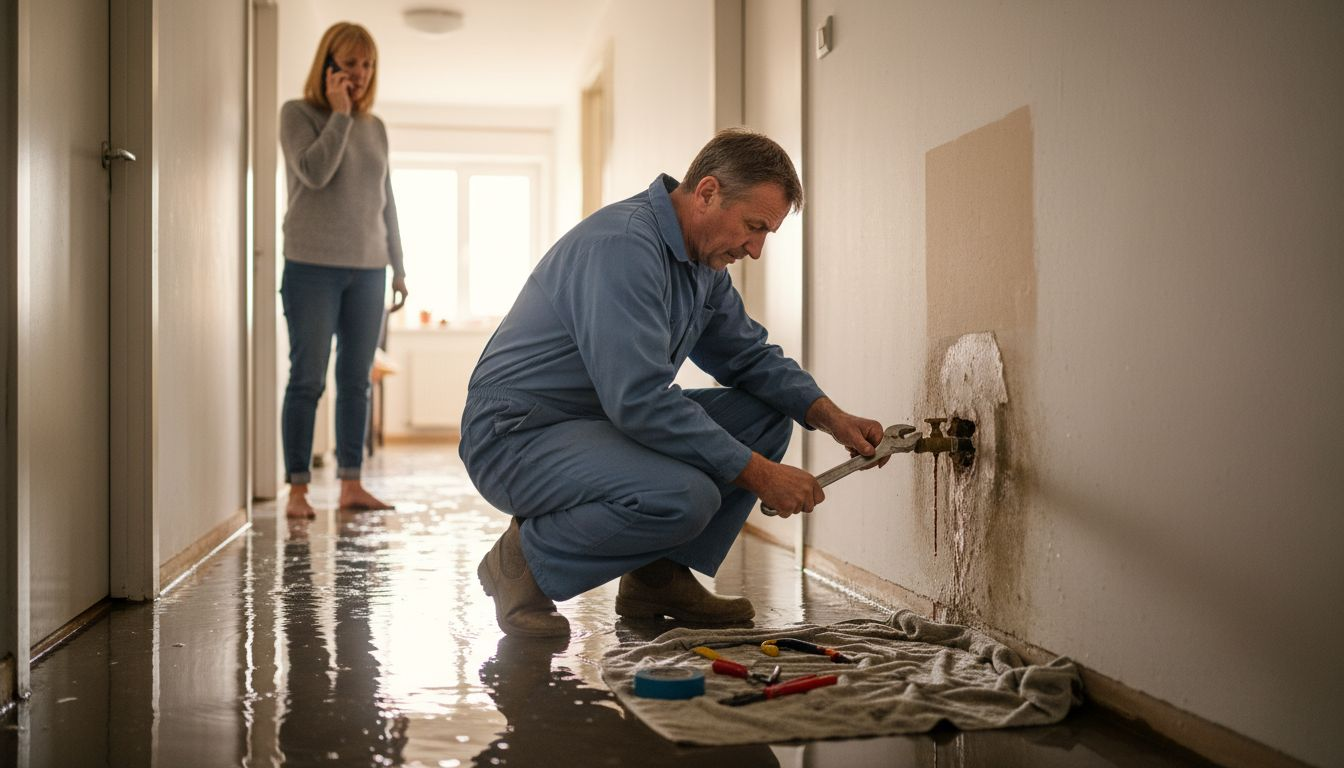
Inspections also extend your plumbing system’s lifespan through preventive maintenance. Professional plumbers identify components nearing the end of their service life and recommend strategic replacements. This proactive approach prevents sudden failures and the cascading problems they cause.
Professional inspection methods include:
- Visual examination of exposed pipes, fixtures, and connections
- Pressure testing to identify system weaknesses and potential failures
- Camera inspections revealing drain line conditions and blockages
- Leak detection using acoustic sensors and moisture meters
- Water quality testing for contamination and safety verification
- System performance evaluation including flow rates and pressure
For California homeowners, knowing emergency plumbing tips for homeowners complements regular inspections. Advanced leak detection technologies continue evolving to provide even earlier warnings.
Compliance with California Plumbing Codes for Safety Assurance
California’s plumbing codes establish minimum safety standards protecting public health and property. These regulations govern everything from pipe materials to installation methods, fixture requirements to drainage design. Licensed plumbers must stay current with code updates and apply them to every project.
The statistics reveal why compliance matters. Over 90% of plumbing related building violations in California stem from non compliance or unlicensed work. These violations create genuine safety hazards, not just paperwork problems. Improperly installed gas lines risk explosions. Cross connections allow contaminated water into drinking supplies. Inadequate venting causes dangerous gas buildup.
Ignoring code compliance carries serious consequences beyond safety risks. Building inspectors can red tag non compliant work, requiring expensive corrections. Insurance companies may deny claims for damage caused by unpermitted plumbing. Property sales fall through when inspections reveal code violations. Legal liability increases when injuries or damage result from substandard work.
Licensed plumbers guarantee adherence to California’s safety standards through extensive training, ongoing education, and accountability. They pull proper permits, coordinate required inspections, and document compliance. Their work comes with warranties and insurance protection unavailable with unlicensed providers.
| Aspect | Licensed Professional | Unlicensed/DIY |
|---|---|---|
| Code Knowledge | Current with CA regulations | Often outdated or incorrect |
| Permit Process | Handles all permitting | Frequently skips permits |
| Inspection Pass Rate | 95%+ first time approval | High failure and rejection |
| Safety Outcomes | Compliant, insured work | Increased violation risk |
| Legal Protection | Bonded and insured | No liability coverage |
| Quality Assurance | Warranty backed repairs | No guarantees or recourse |
Understanding why you should choose professional plumbers protects your investment. The California plumbing code overview provides detailed requirements governing safe installations.
Emergency Plumbing Services: Preventing Secondary Home Disasters
Plumbing emergencies strike without warning, demanding immediate professional response to minimize damage. California homeowners commonly face burst pipes during winter cold snaps, water heater failures, severe drain backups, and fixture malfunctions that flood living spaces.
Rapid emergency response makes the difference between minor inconvenience and major disaster. Water spreads quickly through building materials, creating ideal conditions for mold growth within 24 to 48 hours. Continued water exposure undermines structural components. Electrical systems become hazardous when saturated. Heating equipment failures in winter risk pipe freezing and additional bursts.
Professional plumbers recommend response times under two hours for serious emergencies to optimize safety outcomes. This urgency prevents secondary damage from escalating. Quick water extraction limits moisture penetration. Immediate repairs stop ongoing water flow. Temporary solutions stabilize situations until permanent fixes can be completed.
While waiting for emergency help, homeowners should take these immediate actions:
- Locate and shut off the main water supply to stop flooding
- Turn off electricity to affected areas if safe to prevent electrical hazards
- Move valuables and furniture away from water exposure
- Document damage with photos for insurance claims
- Begin water extraction using towels, mops, or wet vacuums if safe
- Open windows for ventilation to reduce moisture buildup
Pro Tip: Choose plumbers offering guaranteed 24/7 emergency response with clear arrival time commitments. This ensures help when you need it most, preventing panic and additional damage during off hours crises.
Understanding the emergency plumbing process for fast repairs helps you know what to expect. Keep our plumbing emergencies guide handy for quick reference during stressful situations.
Professional vs DIY Plumbing: Safety and Quality Concerns
Many homeowners believe simple plumbing repairs fall within DIY capabilities, but this misconception creates serious safety and compliance risks. What appears straightforward often involves code requirements, proper materials, and installation techniques that require professional expertise.
DIY plumbing projects show significantly higher failure rates than professional work. Improperly soldered joints leak. Incorrect drain slopes cause recurring clogs. Mismatched materials corrode prematurely. These failures often remain hidden until substantial damage occurs, making initial cost savings illusory.
| Factor | Professional Plumber | DIY Approach |
|---|---|---|
| Licensing | State verified credentials | No verification |
| Code Compliance | Guaranteed adherence | Frequent violations |
| Permit Handling | Included in service | Often skipped |
| Safety Training | Extensive certification | Limited knowledge |
| Insurance Coverage | Liability and bonding | Homeowner assumes all risk |
| Emergency Support | 24/7 availability | Limited to personal schedule |
| Educational Value | Expert guidance provided | Trial and error learning |
Risks associated with DIY plumbing attempts include:
- Persistent leaks causing hidden water damage and mold
- Cross connections contaminating potable water supplies
- Gas line errors creating fire and explosion hazards
- Missing permits triggering code enforcement and fines
- Improper venting allowing dangerous gas accumulation
- Failed inspections delaying projects and increasing costs
- Voided warranties on fixtures and equipment
Pro Tip: Even if you enjoy DIY projects, consult licensed plumbers for initial assessments and final inspections. This hybrid approach satisfies your hands on interest while ensuring safety and code compliance for peace of mind.
Explore understanding DIY or professional plumbing choices for detailed comparisons. Our 6 key tips for DIY vs professional plumbing guide helps you make informed decisions. Understanding why you should choose professional plumbers clarifies the value proposition.
Technological Advances in Plumbing That Enhance Home Safety
Modern plumbing technology empowers professionals to detect and prevent problems impossible to identify with traditional methods. These innovations transform reactive repair approaches into proactive safety management, catching issues before they threaten your home.
Digital leak detection systems use sophisticated sensors to identify moisture accumulation behind walls, under floors, and in ceilings. Leak detection technologies identify issues with 90% accuracy before visible damage occurs, allowing intervention at the earliest stages. This precision prevents extensive remediation costs and health hazards.
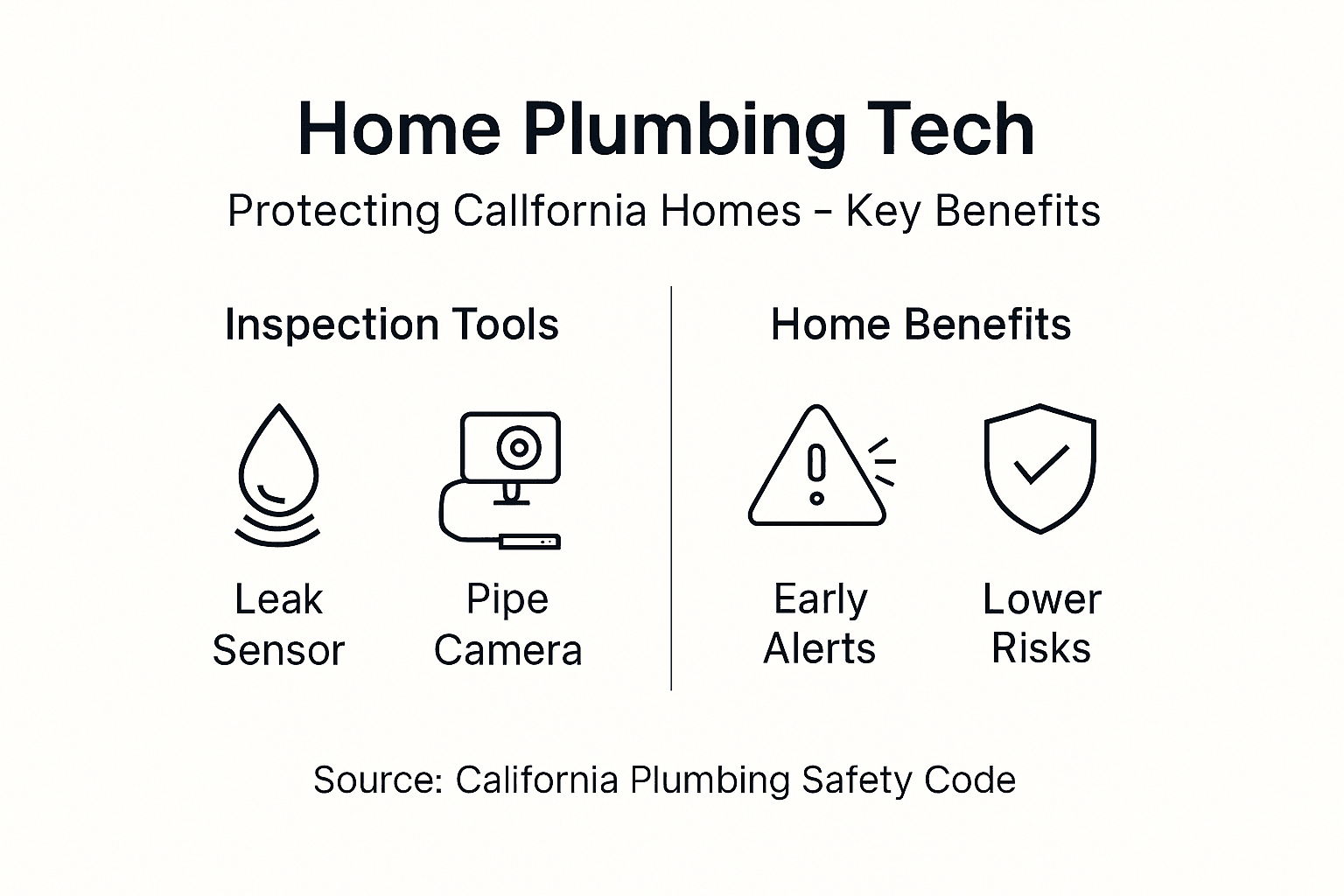
Camera pipe inspections revolutionize drain and sewer line diagnostics. High resolution cameras navigate through pipes, revealing cracks, blockages, root intrusion, and corrosion. Plumbers pinpoint exact problem locations, eliminating guesswork and unnecessary excavation. This targeted approach reduces repair costs and property disruption.
Diagnostic software integrates data from multiple sources to assess overall system health. Pressure readings, flow rates, and usage patterns reveal developing issues. Predictive analytics forecast component failures, enabling strategic replacements before emergencies occur.
Key modern plumbing technologies enhancing safety include:
- Acoustic leak detection pinpointing water escapes through sound analysis
- Thermal imaging cameras revealing temperature anomalies indicating hidden problems
- Smart water monitors providing real time usage alerts and leak notifications
- Trenchless repair methods fixing pipes without destructive digging
- Epoxy pipe lining restoring deteriorated lines from inside
- Pressure testing equipment validating system integrity comprehensively
These technologies deliver measurable benefits. Early leak detection prevents the water damage leading to costly insurance claims. Camera inspections identify safety hazards like sewer gas leaks. Smart monitors alert you to unusual water use patterns suggesting leaks or fixture failures. The cumulative effect improves indoor air quality, reduces emergency calls, and extends system lifespan.
Learn more about professional plumbing importance in maintaining safe homes. Advanced leak detection technology continues evolving to provide even greater protection.
Practical Steps for Homeowners to Leverage Plumbers for Safety
Protecting your California home requires proactive engagement with professional plumbing services. Following a systematic approach ensures comprehensive safety coverage and code compliance throughout your property.
Recognizing early warning signs allows timely professional intervention. Unusual odors like sulfur or sewage indicate potential drain or vent issues. Water stains on ceilings or walls signal hidden leaks. Decreased water pressure suggests supply line problems. Slow drains point to developing blockages. Rust colored water indicates pipe corrosion. These symptoms demand professional evaluation before they escalate.
Verifying plumber credentials protects you from unlicensed operators. California requires plumbers to hold valid state licenses. Check license status through the Contractors State License Board website. Confirm insurance coverage including liability and workers compensation. Request references from recent clients. These steps ensure you work with qualified professionals committed to safety and compliance.
Establish a routine maintenance and emergency preparedness plan:
- Schedule annual comprehensive plumbing inspections with licensed professionals
- Document all plumbing work including repairs, installations, and maintenance dates
- Create a plumbing emergency contact list with 24/7 service providers
- Learn main water shut off valve location and operation for quick response
- Inspect visible pipes quarterly for signs of corrosion, leaks, or damage
- Test water heater pressure relief valve annually for proper operation
- Clean drain traps and aerators regularly to maintain optimal flow
- Budget for preventive maintenance and anticipated component replacements
Pro Tip: Develop an ongoing relationship with a trusted licensed plumber who knows your home’s specific plumbing configuration. This familiarity enables faster, more accurate diagnoses during emergencies and ensures continuity in your safety maintenance program.
Review how to prevent pipe bursts naturally for seasonal protection strategies. Understanding why you should choose professional plumbers guides your selection process.
Protect Your California Home with Expert Plumbing Services
Safeguarding your home requires partnering with licensed professionals who prioritize safety, compliance, and reliability. Legacy Plumbing & Drain serves Sacramento and Northern California homeowners with comprehensive plumbing services designed to prevent emergencies and maintain code compliance.
Our licensed California plumbers specialize in thorough safety inspections, preventive maintenance programs, and rapid emergency response. We understand the unique challenges California homes face, from seismic requirements to drought considerations. Our team stays current with evolving codes and safety standards to protect your investment.
Schedule your preventive plumbing inspection today to identify potential hazards before they threaten your home. Our 24/7 emergency services ensure help when you need it most, providing the peace of mind you deserve. Learn how to prevent pipe bursts naturally with seasonal preparation. Discover why homeowners choose professional plumbers for critical safety work. Understand our emergency plumbing process for fast, effective repairs.
Frequently Asked Questions About the Role of Plumbers in Home Safety
What are the biggest health risks from faulty home plumbing?
Faulty plumbing exposes occupants to contaminated water containing bacteria and pathogens, toxic mold growth from persistent moisture, and dangerous gas leaks from improperly installed or maintained heating equipment. These hazards cause respiratory illnesses, gastrointestinal infections, and potential carbon monoxide poisoning.
How often should I schedule plumbing inspections for safety?
Schedule comprehensive professional plumbing inspections annually to catch developing problems early. Homes older than 20 years or with previous plumbing issues benefit from semi annual inspections. This frequency aligns with preventive maintenance best practices and maximizes the 30% damage reduction statistics show.
What makes a plumber licensed and why does it matter for home safety?
Licensed plumbers complete extensive training, pass rigorous state examinations, and maintain continuing education to stay current with codes and safety standards. This credential ensures they understand proper installation techniques, material compatibility, and California’s specific requirements that protect your family and property from hazards unlicensed workers often create.
How fast should a plumber respond during an emergency to protect my home?
Professional plumbers should arrive within two hours for serious emergencies like burst pipes or major leaks to prevent secondary damage. This response time stops water spread before mold conditions develop and limits structural damage. Choose service providers offering guaranteed emergency response commitments for reliable protection.
Can new technology in plumbing reduce my home insurance costs?
Yes, many insurance companies offer discounts for homes with smart water monitoring systems and automatic shut off devices that prevent extensive water damage. These technologies demonstrate proactive risk management. Discuss available discounts with your insurance agent after professional installation of qualifying safety equipment.
Recommended
- Essential Childproofing Home Plumbing Tips For Safety – Legacy Plumbing & Drain – Emergency Plumbers Of Sacramento
- Essential Plumbing Safety Tips For Homeowners Near You (2025) – Legacy Plumbing & Drain – Emergency Plumbers Of Sacramento
- Role Of Plumbers In Home Comfort – Why It Matters – Legacy Plumbing & Drain – Emergency Plumbers Of Sacramento
- Why Choose Professional Plumbers For Sacramento Homes – Legacy Plumbing & Drain – Emergency Plumbers Of Sacramento