
Burst pipes or leaking fixtures can catch any Sacramento homeowner off guard, turning a normal day into a stressful ordeal. When every minute counts, knowing how to react can make all the difference in protecting both your property and peace of mind. This guide delivers clear steps to help you quickly assess your plumbing emergency, take the right actions for safety, and connect with trusted professionals so you can prevent serious damage and restore your home’s functionality. Recognizing the urgency of proper emergency response can save time, money, and stress.
Table of Contents
- Step 1: Assess The Plumbing Emergency Situation
- Step 2: Shut Off Water And Power Safely
- Step 3: Gather Essential Plumbing Tools And Supplies
- Step 4: Address The Immediate Plumbing Issue
- Step 5: Verify Repairs And Restore System Functionality
Quick Summary
| Important Insight | Practical Explanation |
|---|---|
| 1. Assess plumbing emergencies quickly | Evaluate visible damage and leaks to determine immediate actions for prevention and safety. |
| 2. Shut off water and power first | Locate and turn off the main water valve and electrical power to avoid further damage and hazards. |
| 3. Prepare essential tools and supplies | Gather necessary plumbing tools like wrenches and tape in a waterproof kit for emergency use. |
| 4. Address issues with temporary solutions | Implement quick fixes like using pipe clamps for small leaks to limit damage before help arrives. |
| 5. Verify repairs thoroughly | Check for leaks, water pressure, and quality to ensure all repairs were effective and safe. |
Step 1: Assess the Plumbing Emergency Situation
Quickly understanding the scope of your plumbing emergency can prevent catastrophic damage to your Sacramento home. This initial assessment determines your immediate actions and helps protect your property’s infrastructure and safety.
Start by quickly evaluating the problem’s severity. Critical infrastructure assessment involves identifying visible signs of water damage, leak locations, and potential system failures. Look for these key indicators:
- Standing water or significant moisture in unexpected areas
- Unusual sounds like hissing, dripping, or rushing water
- Visible pipe damage, cracks, or connection breaks
- Water pressure changes in different home fixtures
- Unusual discoloration or water quality issues
Immediately shut off your main water valve if you notice extensive leaking or significant water flow. This prevents further damage and gives you time to assess the situation carefully. Know your home’s water valve location beforehand, as time is critical during emergencies.
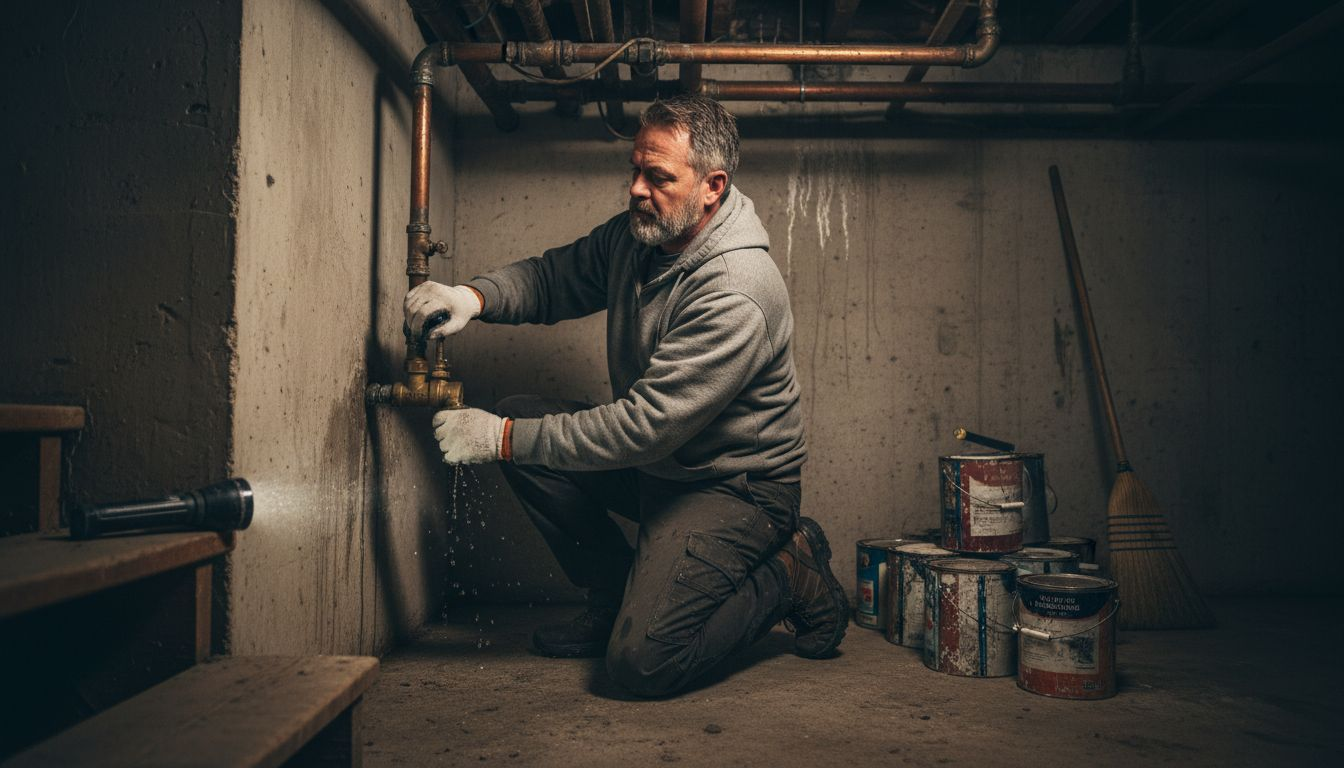
Here’s a quick reference comparing common plumbing emergency types and the recommended initial response:
| Emergency Type | Immediate Action | Risk if Unaddressed |
|---|---|---|
| Burst pipe | Shut off water valve | Major flooding, mold |
| Clogged drain | Prevent water use nearby | Sewage backup, contamination |
| Water heater failure | Cut power and water supply | Scalding, fire hazard |
| Sewer line backup | Evacuate affected area | Health risks, property damage |
| Leak near electrical | Cut water and power | Electrical shock, fire |
Document the damage by taking clear photos and noting specific problem areas. These will be crucial for potential insurance claims and helping professional plumbers understand the situation quickly.
Pro tip: Keep a waterproof flashlight and emergency plumbing toolkit in an easily accessible location to help you quickly assess and potentially mitigate damage during unexpected plumbing incidents.
Step 2: Shut Off Water and Power Safely
During a plumbing emergency, your priority is protecting yourself and minimizing potential damage. Emergency utility safety protocols are critical to preventing electrical hazards and water-related destruction.
First, locate your home’s main water valve and electrical panel. These are typically found in basements, utility rooms, or near the street-side perimeter of your home. For water valves, look for:
- A red or blue handle near your water meter
- A gate valve with a circular wheel-like handle
- A ball valve with a lever-style handle
Shut off water first. Turn the main water valve completely clockwise to stop water flow. This prevents additional flooding and gives you control over potential leak sources. For electrical safety, switch off circuits connected to wet areas or damaged zones. If water has contacted electrical outlets or appliances, turn off the entire main electrical panel.
Always prioritize personal safety. If electrical areas are wet or you feel uncertain, wait for professional assistance.
Carefully inspect the area after shutting off utilities. Look for exposed wiring, standing water near electrical sources, or signs of potential electrical damage. Keep family members and pets away from affected zones.
Pro tip: Create a laminated emergency utility guide with valve and circuit breaker locations, and keep it near your electrical panel for quick reference during high-stress situations.
Step 3: Gather Essential Plumbing Tools and Supplies
Preparing the right tools can make the difference between a quick fix and a prolonged plumbing nightmare. Emergency plumbing tool requirements are crucial for effective and safe repairs.
Collect these essential tools before tackling any plumbing emergency:
- Adjustable wrench (8-10 inch)
- Pipe wrench (10-14 inch)
- Plumber’s tape
- Pipe sealant
- Utility knife
- Bucket for water collection
- Protective gloves
- Safety goggles
Organize your tools in a waterproof container or tool bag for quick access during emergencies. Protective gear is non-negotiable. Always wear rubber gloves and safety glasses to prevent potential injury from water, chemicals, or sharp edges.
A well-prepared homeowner can prevent minor issues from becoming major disasters.
Check your tools regularly for rust, damage, or wear. Replace items that show signs of deterioration to ensure they function correctly when you need them most. Keep a compact version of this toolkit in an easily accessible location near potential problem areas like under sinks or near water heaters.
Pro tip: Store your emergency plumbing toolkit in a clearly marked, waterproof container and inform all family members about its location to ensure everyone can access critical tools during an unexpected plumbing crisis.
Step 4: Address the Immediate Plumbing Issue
Now that you’ve assessed the situation and prepared your tools, it’s time to tackle the specific plumbing problem at hand. Emergency water supply procedures provide critical guidance for handling unexpected plumbing challenges quickly and safely.
Start by identifying the precise nature of the plumbing issue:
- Locate the exact source of the leak
- Determine the size and type of damage
- Assess water pressure and flow disruption
- Check for potential contamination risks
Stop water flow immediately by applying temporary patches or using specialized repair techniques. For small leaks, use pipe repair clamps or waterproof tape as an interim solution. Contain the damaged area to prevent water from spreading and causing additional damage to surrounding structures.
Quick and calculated action can prevent minor plumbing issues from escalating into major home repairs.
If the damage appears complex or beyond your skill level, do not hesitate to contact professional plumbers. Take clear photos of the damage to help technicians understand the issue before they arrive. Minimize water exposure to electrical systems and protect surrounding areas with buckets, towels, and plastic sheeting.
Pro tip: Keep a digital folder with photos and notes about previous plumbing repairs to help professional plumbers diagnose recurring issues more efficiently during emergency visits.
Step 5: Verify Repairs and Restore System Functionality
With your emergency plumbing repairs complete, the critical next phase is confirming everything works correctly and safely. Emergency water quality verification requires systematic and careful assessment to ensure your home’s water system is fully operational.
Perform these comprehensive verification steps:
- Check all repaired sections for active leaks
- Test water pressure across different fixtures
- Inspect pipe connections for stability
- Run water through multiple outlets
- Listen for unusual sounds in pipes
- Verify water clarity and color
Slowly reintroduce water pressure by gradually opening the main water valve. Monitor the system closely for any signs of continued leakage or unexpected behavior. Pay special attention to areas surrounding the repair, watching for moisture, unusual sounds, or pressure inconsistencies.
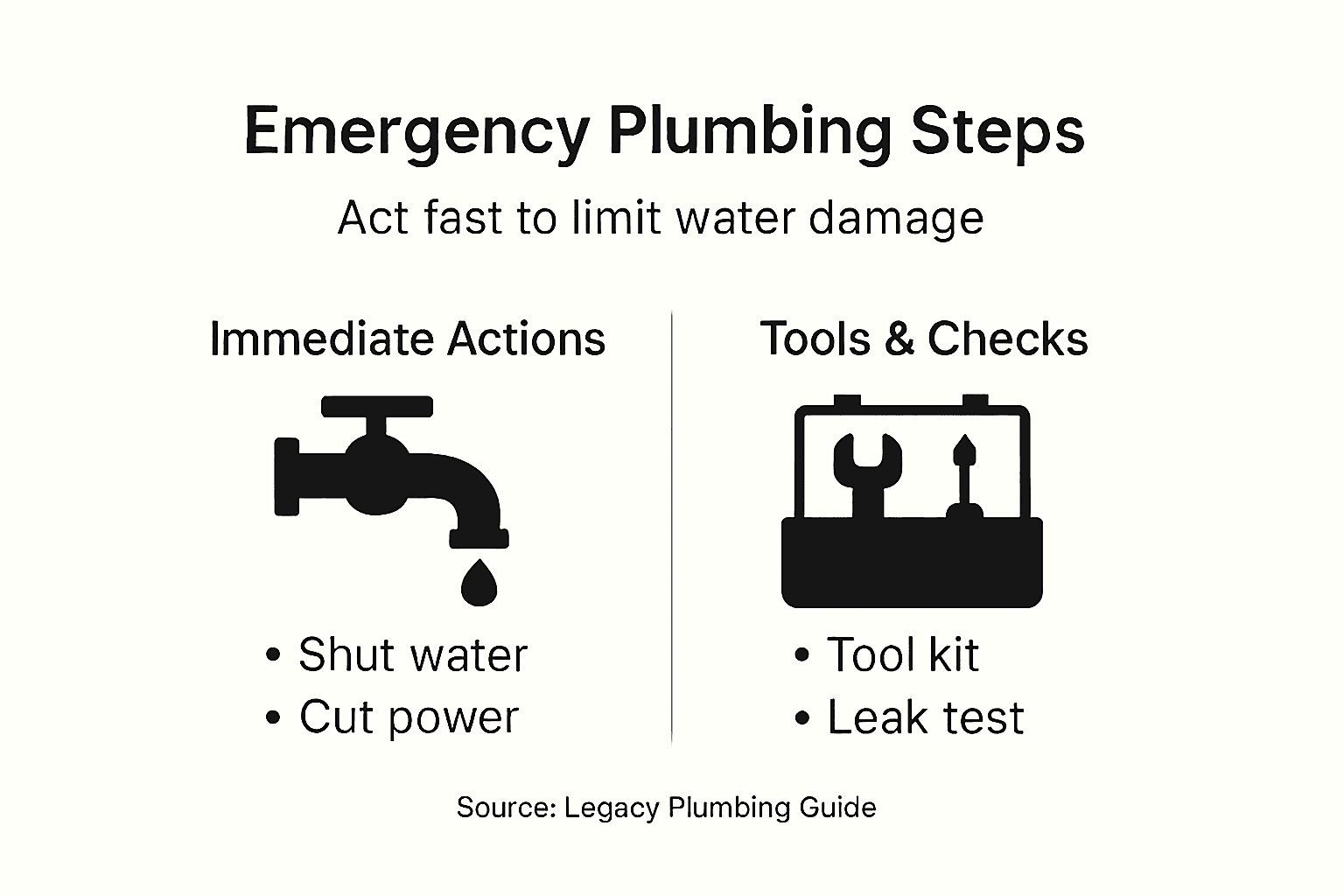
The following table summarizes best practices for verifying if plumbing repairs were successful:
| Verification Step | What to Check | Why It Matters |
|---|---|---|
| Leak inspection | Dry pipes and joints | Confirms no ongoing damage |
| Water pressure test | Consistent strong flow | Ensures system integrity |
| Sound check | Quiet operation | Reveals hidden issues |
| Water quality | Clear, odorless water | Confirms safety |
Thorough verification prevents potential future complications and ensures your plumbing system’s long-term integrity.
If you detect any ongoing issues or feel uncertain about the repair’s success, contact a professional plumber for a comprehensive system evaluation. Document your repair process with photos and notes to help future diagnostic efforts.
Pro tip: Create a digital maintenance log after each repair, recording the date, specific actions taken, and any observations to build a comprehensive history of your home’s plumbing system.
Act Fast When Plumbing Emergencies Strike with Legacy Plumbing & Drain Inc
Facing a sudden plumbing emergency can feel overwhelming and stressful. This article highlights how crucial it is to quickly assess the situation, shut off water and power safely, and take immediate action to prevent further damage. If you experience burst pipes, leaks near electrical outlets, or sewer backups, every second counts. You need expert help that you can trust to respond 24/7 and handle any plumbing crisis with skill and care.
Don’t leave your home’s safety and comfort to chance. At Legacy Plumbing & Drain Inc, we specialize in emergency plumbing repairs throughout Sacramento. Our team understands the importance of rapid response during critical infrastructure failures and water damage incidents. Whether it is shutting off your main valve or verifying repair success, we bring professional tools and years of experience right to your doorstep. Visit our website now to learn about our emergency plumbing services and how we can help you restore peace of mind quickly. Take control of your plumbing emergencies today and secure your home with trusted experts you can count on.
Frequently Asked Questions
How do I assess a plumbing emergency?
Assess a plumbing emergency by observing visible signs of water damage and leaks. Look for standing water, unusual sounds, or pipe damage and shut off the main water valve if necessary. Take note of the specific areas affected to determine your next steps.
What should I do immediately after identifying a plumbing issue?
Immediately shut off the main water valve to stop the flow of water. Then, gather essential tools and protective gear, such as gloves and safety goggles, to prepare for potential repairs.
What tools do I need for emergency plumbing repairs?
Essential tools for emergency plumbing repairs include an adjustable wrench, pipe wrench, plumber’s tape, pipe sealant, and a utility knife. Organize these tools in a waterproof container for quick access during an emergency.
How can I temporarily fix a small leak?
To temporarily fix a small leak, use pipe repair clamps or waterproof tape around the leak source. This action can help contain the issue until a permanent repair can be made.
What steps should I take to verify that plumbing repairs are successful?
Verify plumbing repairs by checking for active leaks, testing water pressure, and inspecting for unusual sounds. Gradually reintroduce water pressure and closely monitor the system for signs of ongoing issues.
When should I call a professional plumber?
Contact a professional plumber if you notice ongoing leaks, complex damage, or if you feel uncertain about making repairs. Take clear photos of the situation to help the plumber understand the issue before arrival.
Recommended
- 7 Essential Emergency Plumbing Tips 2026 For Homeowners – Legacy Plumbing & Drain – Emergency Plumbers Of Sacramento
- Emergency Plumbing Services In Sacramento | 24/7 Plumber Near Me | Legacy Plumbing & Drain
- Emergency Plumbing Tips: What To Do Before Help Arrives
- Roseville & Rocklin Emergency Plumbers | 24/7 Repairs Available