Did you know that water damage from plumbing emergencies accounts for nearly one in four homeowner insurance claims each year? Few things disrupt daily life faster than a burst pipe or a sudden gas leak. Plumbing disasters can escalate quickly, leaving homes at risk of major damage and high repair bills. Learning how to recognize a true plumbing emergency can help you act swiftly and minimize both stress and expenses.
Table of Contents
- What Are Plumbing Emergencies? Key Facts
- Most Common Plumbing Emergencies Explained
- Immediate Steps To Minimize Water Damage
- When To Call Emergency Plumbers Near You
- Prevention Tips And Long-Term Maintenance
- Understanding Costs And Insurance Coverage
Key Takeaways
| Point | Details |
|---|---|
| Urgency of Response | Plumbing emergencies require immediate professional intervention to prevent extensive damage and safety risks. |
| Common Emergencies | Major issues include burst pipes, sewer backups, gas leaks, and water heater failures that can escalate quickly. |
| Immediate Actions | Shut off the main water supply, avoid electric appliances, and contact professionals to mitigate damage. |
| Preventative Measures | Regular maintenance and inspections can help avoid unexpected plumbing emergencies and reduce long-term costs. |
What Are Plumbing Emergencies? Key Facts
Plumbing emergencies are critical situations involving unexpected and potentially destructive water or sewage system failures that require immediate professional intervention. According to the Office of Research Services, these emergencies encompass scenarios like flooding from broken pipes, dangerous gas leaks, and hazardous sewage spills that can cause significant property damage and create serious safety risks.
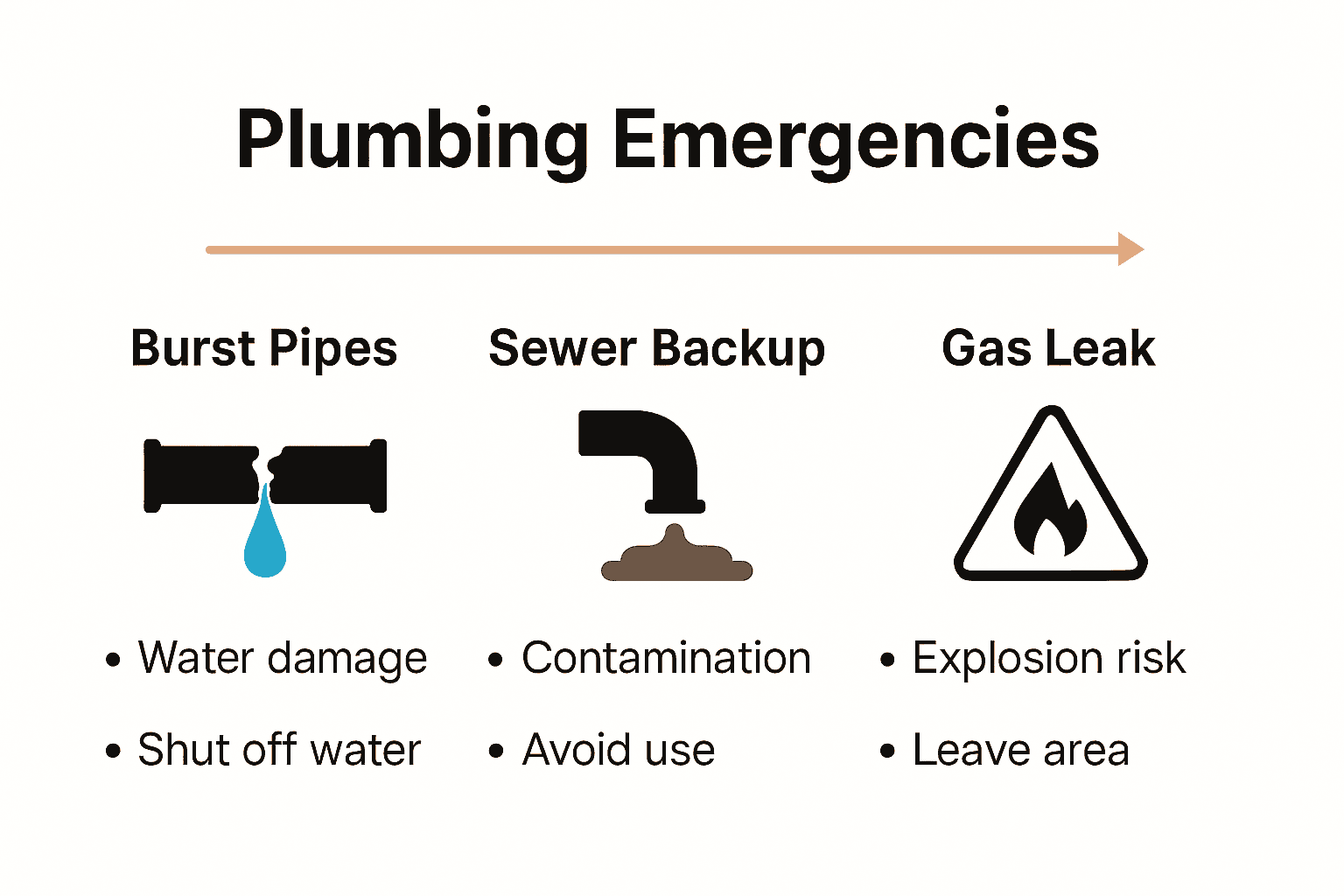
The most common plumbing emergencies homeowners might encounter include burst pipes, sewer backups, gas leaks, and major water leaks. These issues can escalate rapidly, transforming from minor inconveniences to major catastrophes within hours. For instance, a small pipe leak can quickly turn into extensive water damage, potentially compromising your home’s structural integrity and leading to expensive repairs.
Understanding the urgency of these situations is crucial. As CUNY’s Guidelines emphasize, plumbing emergencies demand prompt action to mitigate risks and protect property occupants. Key indicators that you’re experiencing a plumbing emergency include:
- Uncontrolled water flooding
- Sewage backing up into your home
- Complete loss of water pressure
- Potential gas leaks with distinct sulfur or rotten egg odors
- Visible pipe ruptures or significant structural water damage
If you notice any of these signs, it’s critical to act quickly. Emergency Plumbing Services In Sacramento | 24/7 Plumber Near Me | Legacy Plumbing & Drain recommend shutting off main water valves, avoiding electrical areas, and contacting professional plumbers immediately to prevent further damage.
Most Common Plumbing Emergencies Explained
Plumbing emergencies can strike unexpectedly, causing significant damage and disruption to your home. According to All Affordable, several critical scenarios demand immediate attention, including burst pipes, blocked drains, and failing water heaters. Each of these issues can quickly escalate from a minor inconvenience to a major household crisis if not addressed promptly.
Burst pipes represent one of the most devastating plumbing emergencies homeowners can experience. First Service highlights that severe pipe ruptures can lead to extensive property damage within minutes. These incidents often occur due to frozen pipes, extreme water pressure, or aging infrastructure, and can release hundreds of gallons of water in just a few hours, potentially destroying flooring, walls, and personal belongings.
Other critical plumbing emergencies homeowners should be aware of include:
Here’s a summary comparing the most common plumbing emergencies:
| Emergency Type | Main Risks | Immediate Actions |
|---|---|---|
| Burst Pipes | Flooding, property damage | Shut off main water Move valuables |
| Sewer Backups | Health hazards, contamination | Avoid area Call professionals |
| Gas Leaks | Explosion, health risks | Leave home Contact gas company |
| Water Heater Failure | Scalding, water outage | Turn off power Call plumber |
| Blocked Drains | Overflow, property damage | Avoid using water Contact plumber |
| Complete Water Loss | Hygiene, daily disruption | Check main valve Call plumber |
- Sewer line backups: Causing potential health hazards and extensive property damage
- Gas leaks: Posing immediate safety risks and requiring urgent professional intervention
- Complete loss of water pressure: Indicating potential major system failures
- Water heater malfunctions: Leading to potential scalding risks or complete system breakdown
To help manage these potential emergencies, check out our Emergency Plumbing Tips For Sacramento Homeowners guide, which provides essential strategies for minimizing damage and protecting your home during unexpected plumbing crises.
Immediate Steps To Minimize Water Damage
When a plumbing emergency strikes, quick action is crucial to prevent extensive property damage. According to Scalar, the first and most critical step is to immediately shut off the main water supply. This immediate action stops additional water from flooding your home and can significantly reduce potential destruction to your floors, walls, and personal belongings.
After stopping the water flow, focus on containment and safety. All Affordable recommends avoiding electrical appliances near water and taking steps to control the existing water. Grab buckets, towels, and mops to contain spreading water, and strategically place them to catch drips and minimize floor damage. Open drains and spigots to help release any remaining water in the pipes, which can help reduce pressure and potential further leakage.
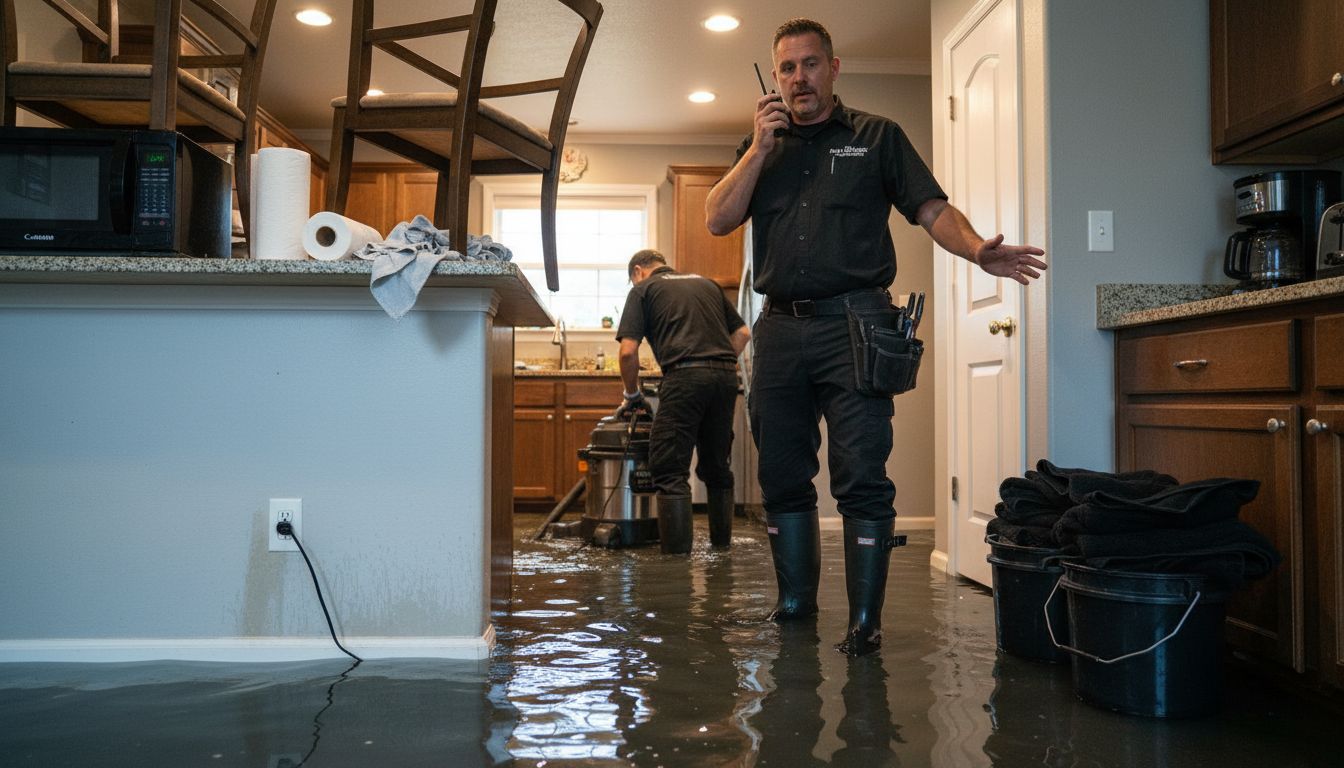
Key immediate actions during a water damage emergency include:
- Shut off the main water valve
- Turn off electricity in affected areas
- Remove valuable and electronic items from wet zones
- Use towels, buckets, and mops to control water spread
- Open windows to enhance air circulation
- Prevent water from reaching electrical outlets
For comprehensive guidance on managing these critical moments, review our Emergency Plumbing Tips: What To Do Before Help Arrives resource, which provides detailed strategies for protecting your home during unexpected plumbing crises.
When To Call Emergency Plumbers Near You
Knowing precisely when to call an emergency plumber can save you thousands of dollars and prevent catastrophic home damage. First Service emphasizes the critical importance of immediate action when facing severe plumbing emergencies like burst pipes or significant clogs that threaten your property’s structural integrity.
According to All Affordable, certain scenarios demand urgent professional intervention. These time-sensitive situations include complete water line breaks, sewage backups, gas leaks, and instances where water is actively causing structural damage to your home. Waiting even a few hours can transform a manageable problem into an expensive restoration project.
Immediate emergency plumbing assistance is crucial when you encounter:
- Uncontrolled water flooding from burst pipes
- Sewage backing up into your home
- Active gas leaks with potential safety risks
- Complete loss of water pressure
- Water heater failures causing potential scalding or system breakdown
- Frozen pipes showing signs of imminent rupture
- Significant water accumulation near electrical systems
For localized emergency support in the Sacramento region, explore our Roseville & Rocklin Emergency Plumbers | 24/7 Repairs Available resource to understand how quickly professional intervention can mitigate potential disaster scenarios.
Prevention Tips And Long-Term Maintenance
Proactive maintenance is the most effective strategy for avoiding costly plumbing emergencies. Diamond Certified recommends several key preventative practices that can significantly reduce the risk of unexpected plumbing issues. These strategies include being mindful of what goes down your drains, installing protective devices, and maintaining your home’s plumbing infrastructure.
According to NC State University Articles, consistent professional inspections are crucial for identifying potential problems before they escalate. Regular maintenance can help detect early signs of pipe deterioration, potential leaks, and hidden system weaknesses that might not be immediately visible to homeowners.
Key prevention strategies include:
- Install drain screens to catch debris
- Avoid flushing non-degradable items
- Never pour grease or oils down kitchen drains
- Conduct annual professional plumbing inspections
- Monitor water pressure and pipe conditions
- Insulate pipes in cold areas to prevent freezing
- Replace aging pipes and fixtures proactively
- Use enzymatic drain cleaners instead of harsh chemicals
For comprehensive guidance on maintaining your home’s plumbing system, review our Emergency Plumbing Steps For Homeowners Near You 2025 resource, which provides in-depth strategies for long-term plumbing health and emergency prevention.
Understanding Costs And Insurance Coverage
Emergency plumbing repairs can quickly become a significant financial burden for homeowners. First Service highlights that while emergency plumbing services might seem expensive initially, prompt intervention can actually save thousands in potential long-term damage restoration costs. The difference between a quick repair and extensive water damage can be substantial, often ranging from hundreds to tens of thousands of dollars.
According to All Affordable, understanding your insurance coverage is crucial when dealing with plumbing emergencies. Most homeowners insurance policies have nuanced guidelines about what is and isn’t covered, with distinctions between sudden accidents and gradual damage. Typically, unexpected pipe bursts are covered, while slow leaks resulting from poor maintenance might be denied.
Key considerations for managing plumbing emergency costs include:
- Review your current homeowner’s insurance policy details
- Understand the difference between sudden and gradual damage
- Document all damages with photographs and professional assessments
- Keep receipts for emergency repairs and mitigation efforts
- Discuss coverage limits with your insurance provider
- Consider additional water damage protection
- Maintain a home maintenance log to support potential claims
For localized insights into managing emergency plumbing expenses in the Sacramento area, explore our Common Plumbing Emergencies Homeowners Face In 2025 resource for region-specific guidance on cost management and insurance navigation.
Act Fast to Protect Your Home From Plumbing Emergencies
Plumbing emergencies like burst pipes, gas leaks, and sewer backups can cause devastating damage before you know it. The shock of flooding, the fear of hazardous leaks, and the stress of major repairs are tough challenges. Immediate action is key to minimize damage and keep your family safe. That is why having a trusted emergency plumbing partner ready to respond 24/7 is essential. Whether you face complete water loss or a sudden water heater failure, expert help should be just a call away.
Do not wait for a small drip to become a flood or a clogged drain to become a health hazard. Visit Legacy Plumbing & Drain Inc now for fast, reliable emergency plumbing services in Sacramento. Discover practical Emergency Plumbing Tips For Sacramento Homeowners and get the help you need to stop damage before it starts. Your peace of mind is our priority. Act now and protect your home with Sacramento’s trusted plumbing experts.
Frequently Asked Questions
What should I do if I have a burst pipe?
Immediately shut off the main water supply to prevent further flooding and potential damage. Then, contact a professional plumber for assistance.
How can I identify a plumbing emergency?
Signs of a plumbing emergency include uncontrolled flooding, sewage backing up into your home, a complete loss of water pressure, or a gas leak indicated by a sulfur-like smell.
What are the immediate actions I should take during a plumbing emergency?
Key actions include turning off the main water valve, avoiding areas with electrical appliances, removing valuables from wet areas, and using towels or buckets to control water spread until help arrives.
How can I prevent plumbing emergencies in my home?
Regular maintenance, such as annual plumbing inspections, installing drain screens, and avoiding flushing non-degradable items, can help reduce the risk of plumbing emergencies.