Pipes burst every winter, leaving homeowners with soaked floors, ruined furniture, and giant repair bills. Most people guess it is just the cold that does the damage, but that is only the start. Frozen water expands by about 9 percent, pushing pipe pressure to a jaw-dropping 40,000 pounds per square inch. The real surprise is that old pipes, hidden corrosion, and everyday water pressure can trigger these disasters even when temperatures are above freezing.
Table of Contents
- What Causes Pipes to Burst? Key Factors Explained
- Why Bursting Pipes Are a Concern for Homeowners
- How Temperature Changes Affect Pipe Integrity
- Understanding the Impact of Aging and Corrosion on Pipes
- The Role of Water Pressure in Pipe Failure
Quick Summary
| Takeaway | Explanation |
|---|---|
| Cold temperatures can cause pipe bursts | Freezing water expands, raising internal pressure significantly, potentially exceeding pipe tolerances. |
| Aging pipes are vulnerable to failure | Older pipes often develop cracks and corrosion, compromising structural integrity over time. |
| Excessive water pressure increases risk | Maintaining pressure within 40 to 80 PSI is vital to prevent mechanical stress and pipe damage. |
| Regular maintenance prevents costly damage | Proactive checks can identify vulnerabilities, reducing the risk of catastrophic failures and water damage. |
| Mold risks from leaks require prompt action | Burst pipes can lead to rapid mold growth, posing serious health risks, especially within 24 to 48 hours. |
What Causes Pipes to Burst? Key Factors Explained
Understanding why pipes burst requires recognizing the complex environmental and structural factors that create dangerous pressure and material stress. Pipe bursting is not a random occurrence but a predictable result of specific mechanical and thermal conditions that compromise pipe integrity.
Temperature Extremes and Pressure Dynamics
Temperature plays a critical role in why pipes burst. Water expands when frozen, creating immense internal pressure that can exceed a pipe’s structural capacity.
In areas experiencing significant temperature fluctuations, pipes become vulnerable to sudden expansion and contraction. Cold temperatures are particularly dangerous, with water transforming into ice and increasing volume by approximately 9%, generating pressures up to 40,000 pounds per square inch.
Material Fatigue and Structural Weaknesses
Pipes deteriorate over time due to continuous water flow, mineral buildup, and environmental stress. Older pipes made from cast iron, galvanized steel, or copper develop microscopic cracks and corrosion that progressively weaken their structural integrity. According to United States Geological Survey, pipe material composition significantly impacts burst potential, with some materials being more susceptible to degradation than others.
Excessive Water Pressure and System Overload
Water pressure represents another critical factor in pipe bursting. Residential plumbing systems have recommended pressure ranges typically between 40 to 80 PSI. When pressure exceeds these limits due to municipal supply issues, faulty pressure regulators, or sudden water hammer effects, pipes can experience catastrophic failure. Uncontrolled pressure surges create dangerous mechanical stress that overwhelms pipe structural boundaries.
By understanding these complex mechanisms, homeowners can take proactive measures to prevent pipe bursting and protect their property from potential water damage. Learn more about common plumbing emergencies to stay informed and prepared.
Why Bursting Pipes Are a Concern for Homeowners
Pipe bursts transform from a minor plumbing issue into a potential catastrophic home disaster, threatening structural integrity, personal property, and financial stability. Understanding the profound implications helps homeowners recognize the urgent necessity of preventative maintenance and rapid response strategies.
Financial and Property Damage Risks
A single burst pipe can unleash devastating consequences. According to Illinois Extension Services, an eighth-of-an-inch crack can release up to 250 gallons of water daily, causing extensive damage to floors, furniture, and personal belongings. Water damage escalates quickly, with potential repair costs ranging from thousands to tens of thousands of dollars. Key financial risks include:
- Structural damage to walls, floors, and foundations
- Destruction of electrical systems and appliances
- Potential loss of irreplaceable personal items
- Increased insurance premiums
Health and Safety Implications
Beyond financial concerns, burst pipes create significant health hazards. Water intrusion generates ideal conditions for mold and bacterial growth, which can emerge within 24 to 48 hours. Mold spores pose serious respiratory risks, particularly for individuals with allergies, asthma, or compromised immune systems. The moisture can also compromise electrical systems, creating potential electrocution dangers and fire risks.
Long Term Structural Consequences
Repeated water damage from burst pipes can progressively undermine a home’s structural integrity. Continuous moisture weakens building materials, causing wood rot, concrete degradation, and foundation instability. Professional restoration becomes increasingly complex and expensive with prolonged exposure.
This table highlights the primary risks and consequences homeowners face when dealing with burst pipes, organizing the financial, health, and long-term structural concerns discussed in the article.
| Risk Category | Description |
|---|---|
| Financial Damage | Repair costs ranging from thousands to tens of thousands of dollars, increased insurance premiums |
| Property Damage | Water damage to floors, furniture, and personal belongings; destruction of electrical systems |
| Health Hazards | Mold and bacterial growth within 24-48 hours, posing respiratory and allergy risks |
| Safety Concerns | Potential electrocution and fire risks from compromised electrical systems |
| Structural Degradation | Progressive weakening of wood, concrete, and building materials; risk of foundation instability |
| Check our guide on preventing plumbing emergencies to understand comprehensive protection strategies. |
Recognizing these multifaceted risks transforms pipe bursts from unexpected accidents into preventable challenges through proactive maintenance and swift professional intervention.
How Temperature Changes Affect Pipe Integrity
Temperature fluctuations represent a critical and often underestimated threat to residential plumbing systems. The complex interaction between water, pipe materials, and thermal expansion creates a dynamic environment where structural integrity can quickly become compromised.
Thermal Expansion and Contraction Mechanics
Pipes experience significant stress during temperature shifts. When water temperature drops, materials contract, creating internal mechanical tension. Conversely, heat causes expansion, which can create pressure points and potential structural weaknesses. Different pipe materials respond uniquely to temperature changes. According to Missouri Extension Services, water’s unique physical property of expanding as it freezes puts tremendous pressure on containing structures, regardless of pipe material strength.
Critical Temperature Thresholds
Specific temperature ranges trigger distinct pipe vulnerability scenarios. Key temperature-related risks include:
- Freezing temperatures below 32°F causing water expansion
- Rapid temperature fluctuations between 20°F and 40°F
- Prolonged cold exposure compromising pipe material elasticity
- Sudden heat waves creating unexpected thermal stress
Material Specific Vulnerability
Pipe composition dramatically influences temperature resilience. Copper pipes conduct heat more rapidly, making them more susceptible to sudden temperature changes. Plastic pipes like PVC offer better insulation but can become brittle in extreme cold. Older infrastructure demonstrates heightened vulnerability, with potential micro-fractures developing from repeated thermal cycling.
The following table compares how different pipe materials respond to temperature changes, aging, and corrosion, summarizing their unique vulnerabilities as explained in the article.
| Pipe Material | Temperature Vulnerability | Corrosion/Aging Characteristics |
|---|---|---|
| Copper | Rapid heat conduction; sensitive to sudden temperature changes | Develops pinhole leaks from electrolytic reactions |
| Galvanized Steel | Moderate; vulnerable to rapid temperature fluctuations | Accumulates internal mineral deposits |
| Cast Iron | Moderate; prolonged cold can cause wall thinning | Gradual wall thinning from corrosion |
| PVC (Plastic) | Better insulation; can become brittle in extreme cold | Resistant to chemical corrosion; may become brittle over time |
| Learn about preventing common plumbing emergencies to protect your home’s critical infrastructure. |
Understanding these intricate thermal dynamics empowers homeowners to implement proactive protection strategies against potential pipe failure.
Understanding the Impact of Aging and Corrosion on Pipes
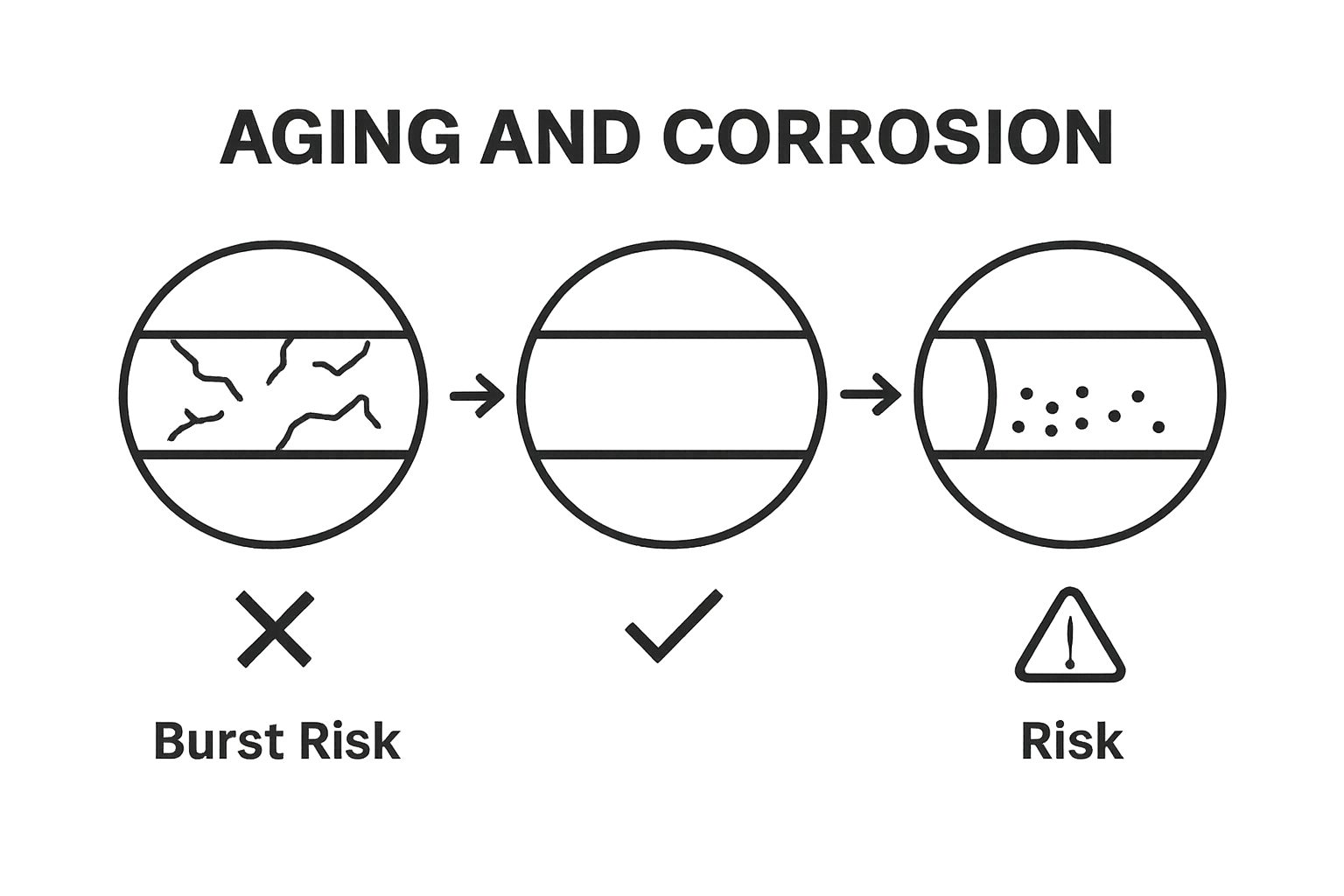
Pipe degradation is a complex process involving multiple chemical and physical interactions that progressively compromise structural integrity. As residential plumbing systems age, multiple factors contribute to their systematic breakdown, creating potential catastrophic failure points that demand proactive understanding and intervention.
Chemical Deterioration Mechanisms
Corrosive water initiates a microscopic assault on pipe materials, triggering progressive material degradation. According to Alabama Cooperative Extension System, corrosive water can accelerate plumbing system deterioration, leading to structural damage and potential health risks. Water chemistry plays a crucial role in pipe lifespan, with factors like pH levels, mineral content, and dissolved oxygen dramatically influencing corrosion rates.
Material Specific Vulnerability
Different pipe materials exhibit unique corrosion characteristics:
- Copper pipes develop pinhole leaks from electrolytic reactions
- Galvanized steel pipes accumulate internal mineral deposits
- Cast iron pipes experience gradual wall thinning
- PVC pipes demonstrate chemical resistance but can become brittle
Structural Degradation Progression
Corrosion is not a sudden event but a gradual process of material breakdown. Microscopic changes accumulate over years, creating progressive weakening that eventually manifests as visible damage. Older infrastructure remains particularly susceptible, with pipes installed before modern manufacturing standards demonstrating accelerated deterioration. Explore our comprehensive guide to home plumbing systems to understand the nuanced challenges of residential plumbing infrastructure.
Recognizing these intricate degradation mechanisms empowers homeowners to implement strategic maintenance and timely replacement strategies, preventing potential catastrophic pipe failures.
The Role of Water Pressure in Pipe Failure
Water pressure represents a critical yet often overlooked factor in pipe structural integrity. The dynamic forces within residential plumbing systems create complex mechanical stresses that can progressively compromise pipe durability and ultimately lead to catastrophic failure.
Pressure Dynamics and Mechanical Stress
Residential plumbing systems operate within specific pressure thresholds designed to balance water distribution and structural safety. According to the National Academies of Sciences, Engineering, and Medicine, excessive pressure and sudden pressure surges can dramatically accelerate material fatigue, particularly in older or corroded infrastructure. Pressure fluctuations create microscopic structural challenges that accumulate over time, weakening pipe materials through repeated mechanical stress.
Pressure Range and System Vulnerability
Critical pressure-related risks in residential plumbing include:
- Sustained pressures above 80 PSI causing structural strain
- Rapid pressure fluctuations creating mechanical shock
- Water hammer effects generating sudden, intense pressure spikes
- Inadequate pressure regulation mechanisms
- Aging infrastructure with reduced pressure tolerance
Mechanical Failure Mechanisms
Pressure-induced pipe failures emerge through progressive material degradation. Continuous mechanical stress creates microscopic weaknesses that expand over time, eventually manifesting as leaks, ruptures, or complete system failure. Pipe joints, bends, and connection points remain particularly vulnerable to these pressure-related mechanical challenges. Learn more about preventing common plumbing emergencies to understand comprehensive protection strategies.
Understanding these intricate pressure dynamics empowers homeowners to implement proactive monitoring and maintenance strategies, preventing potential catastrophic pipe failures.
Protect Your Home from Risky Pipe Bursts with Legacy Plumbing & Drain Inc
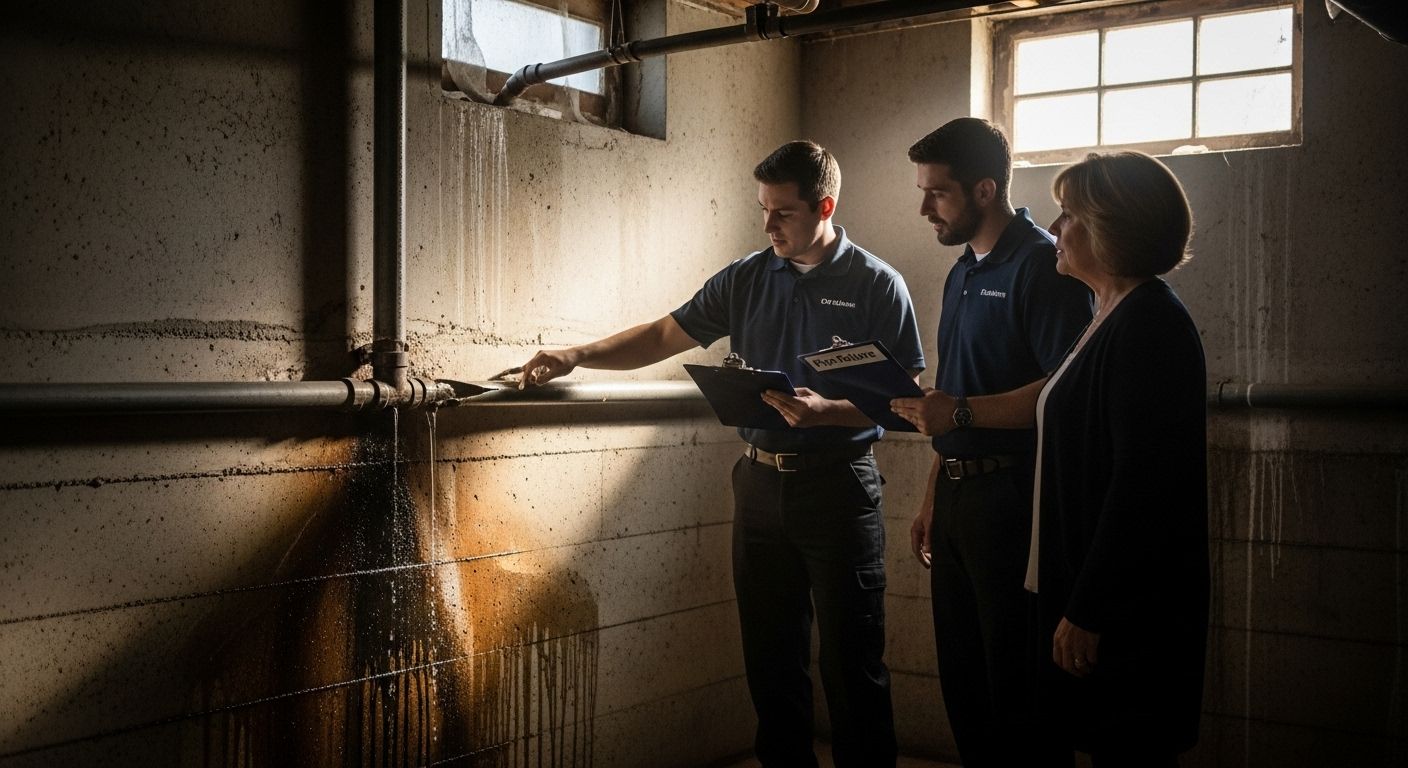
Bursted pipes can cause overwhelming water damage and leave you facing expensive repairs, unhealthy mold growth, and lasting structural harm. If you have experienced problems with temperature changes, water pressure spikes, or aging, corroded pipes as explained in the article, you know how quickly these issues can turn a safe home into a costly disaster. Now is the time to act and shield your property from these plumbing threats.
Do not risk your home or peace of mind. Contact our team at Legacy Plumbing & Drain Inc for fast, expert emergency service in Sacramento. Our 24/7 technicians use proven strategies to spot vulnerabilities, manage pressure, and prevent burst pipes before they cause damage. Stay ahead of plumbing emergencies—visit Legacy Plumbing & Drain Inc and let our experts protect your home right now.
Frequently Asked Questions
What are the main causes of pipes bursting?
The primary causes of pipes bursting include extreme temperature fluctuations, material fatigue and corrosion, excessive water pressure, and rapid pressure surges in plumbing systems.
How can temperature changes lead to pipe bursts?
Temperature changes can cause water to freeze and expand inside pipes, resulting in extreme internal pressure. Additionally, the expansion and contraction of pipe materials due to temperature variations can weaken their integrity over time.
What role does aging and corrosion play in pipe failure?
Aging pipes often experience corrosion, leading to microscopic cracks and degradation of material strength. Over time, these issues can progress to significant structural weaknesses that result in pipe failure.
How does high water pressure affect plumbing systems?
Excessive water pressure, especially above 80 PSI, can strain pipes and joints, creating mechanical stress. This stress can lead to leaks, ruptures, and ultimately catastrophic failures within the plumbing system.