Plumbing emergencies can strike without warning and cause chaos for homeowners. Even a small leak has the power to lead to billions of dollars in property damage every year from burst pipes alone. You might assume these disasters give plenty of warning before disaster hits. The reality is that many plumbing failures start with barely noticeable signs and spiral out of control fast if you miss them.
Table of Contents
- Most Common Plumbing Emergencies In Local Homes
- Warning Signs Your Home Needs Urgent Plumbing Help
- How Sacramento Area Homeowners Should Respond
- Tips For Choosing Emergency Plumbing Services Near You
Quick Summary
| Takeaway | Explanation |
|---|---|
| Recognize Common Plumbing Emergencies | Homeowners should be aware of catastrophic pipe failures, drain blockages, and water heater failures as they can lead to significant damage and require prompt action. |
| Identify Warning Signs Early | Key indicators such as unusual sounds, visible water damage, and changes in water quality can signal urgent plumbing issues that need professional attention. |
| Know Emergency Response Techniques | Homeowners should know where to locate the main water valve, keep safety supplies handy, and document damage for insurance purposes to effectively respond to plumbing emergencies. |
| Choose the Right Plumbing Service | Evaluate emergency plumbing services based on credentials, response time, and cost transparency to ensure quick and professional solutions during crises. |
Most Common Plumbing Emergencies in Local Homes
Homeowners face numerous plumbing challenges that can quickly escalate from minor inconveniences to major disasters. Understanding these common plumbing emergencies helps residents recognize potential issues before they spiral out of control. Our emergency repair guide provides critical insights into managing unexpected plumbing situations.
Catastrophic Pipe Failures
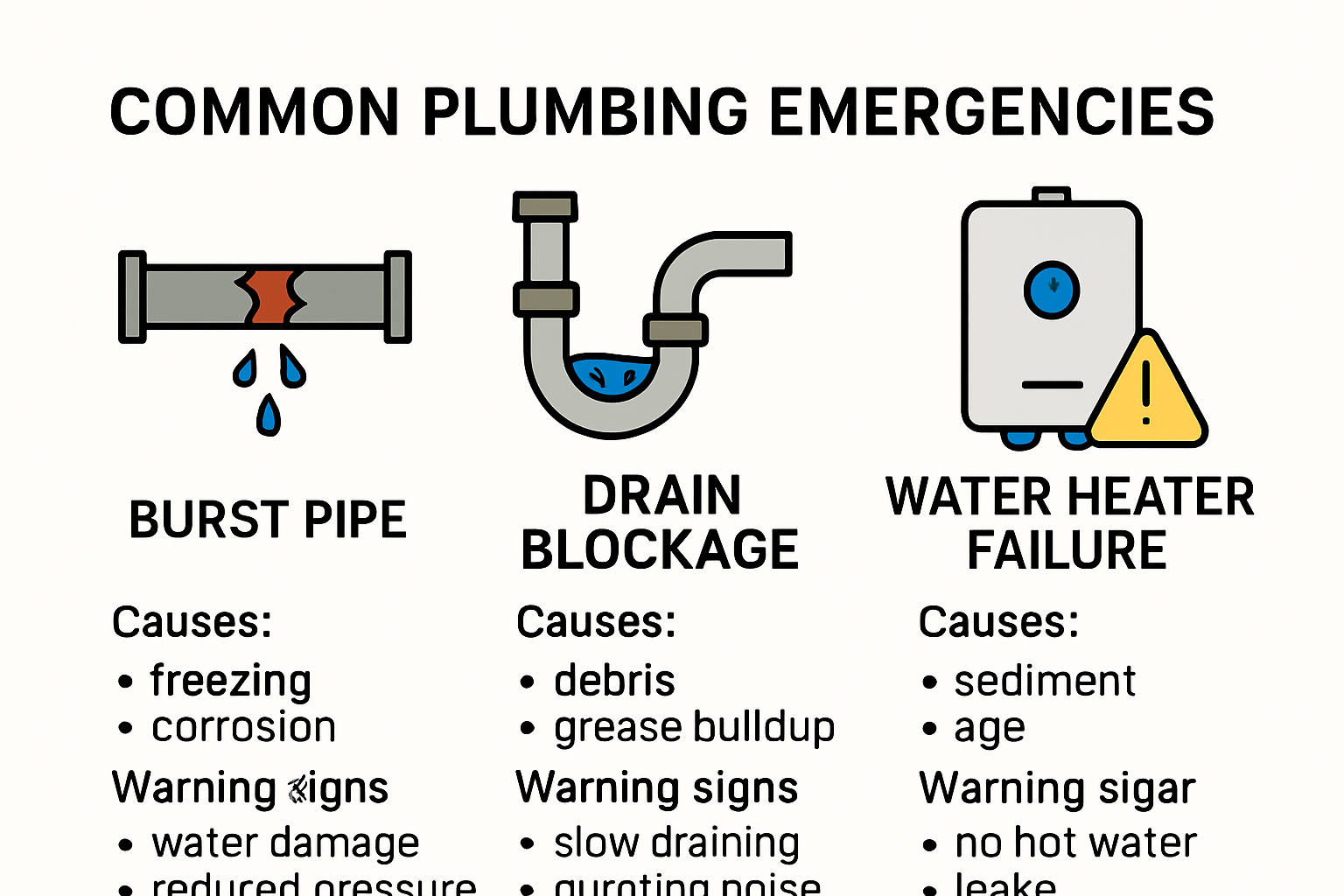
Burst pipes represent one of the most destructive plumbing emergencies homeowners encounter. These incidents can occur due to multiple factors, including extreme temperature changes, corrosion, and excessive water pressure. According to the Insurance Information Institute, water damage from burst pipes accounts for billions of dollars in property damage annually. The potential consequences are severe:
- Structural Damage: Water can rapidly compromise building foundations, walls, and flooring
- Electrical Hazards: Water infiltration poses significant risks to electrical systems
- Mold Growth: Moisture creates ideal conditions for rapid mold proliferation
Prevention requires proactive maintenance and understanding potential risk factors. Homeowners should regularly inspect pipe conditions, especially in areas prone to temperature fluctuations like basements, attics, and exterior walls.
Drain and Sewage Blockage Nightmares
Clogged drains and sewage backups represent another critical plumbing emergency that can disrupt household functionality. The Environmental Protection Agency highlights that improper waste disposal significantly contributes to these issues. Common culprits include:
- Foreign Objects: Non biodegradable materials flushed or washed down drains
- Grease Accumulation: Cooking oils that solidify within pipe systems
- Tree Root Intrusion: Underground root systems penetrating drainage infrastructure
Sewage backups pose serious health risks, potentially exposing residents to harmful bacteria and pathogens. Professional intervention becomes crucial when DIY methods fail to resolve persistent blockages.
Water Heater Failures
Water heater malfunctions can transform a comfortable home environment into an uncomfortable situation rapidly. These emergencies range from complete system failures to dangerous pressure buildup. Potential warning signs include inconsistent water temperatures, unusual noises, and visible water leakage around the unit.
The consequences extend beyond mere inconvenience. A compromised water heater can lead to:
- Sudden loss of hot water
- Potential flooding
- Risk of scalding or inadequate water temperature
- Increased energy consumption
Regular maintenance and professional inspections can significantly reduce the likelihood of unexpected water heater emergencies. Homeowners should schedule annual check ups to identify potential issues before they escalate.
Navigating these common plumbing emergencies requires a combination of preventative maintenance, quick recognition of warning signs, and prompt professional intervention. While some situations might seem manageable, the potential for extensive damage makes professional assessment critical.
To help readers quickly compare the most common plumbing emergencies and their causes, consequences, and prevention strategies, here is a summary table:
| Emergency Type | Common Causes | Potential Consequences | Prevention Tip |
|---|---|---|---|
| Catastrophic Pipe Failures | Extreme temperature, corrosion, high pressure | Structural damage, electrical hazards, mold growth | Inspect pipes regularly |
| Drain & Sewage Blockage Nightmares | Foreign objects, grease, tree roots | Health risks, household disruption | Proper waste disposal, routine cleaning |
| Water Heater Failures | Pressure buildup, aging, leaks | Loss of hot water, flooding, safety risks | Annual maintenance & inspection |
Warning Signs Your Home Needs Urgent Plumbing Help
Recognizing potential plumbing emergencies before they escalate can save homeowners significant time, money, and stress. Our emergency services guide highlights critical indicators that demand immediate professional attention.
Unusual Sounds and Mysterious Noises
Pipes communicate through sounds, and experienced homeowners learn to listen carefully. According to the American Society of Home Inspectors, certain noises can signal serious underlying problems. Banging or hammering sounds often indicate water pressure issues or loose pipe mounting. Gurgling noises from drains might suggest blocked ventilation or severe drainage blockages.
Critical sound warnings include:
- Persistent Whistling: Potential sign of high water pressure or valve problems
- Loud Knocking: Could indicate water hammer effect or pipe stress
- Continuous Dripping: Suggests potential leak even when fixtures are closed
Visible Water Damage and Unexpected Moisture
Water damage can silently destroy home infrastructure. The National Association of Home Builders reveals that undetected moisture can compromise structural integrity within weeks. Homeowners should watch for:
- Discolored Wall or Ceiling Patches: Indicates potential hidden leaks
- Unexplained Musty Odors: Suggests potential mold growth from consistent moisture
- Warped Flooring or Baseboards: Sign of prolonged water exposure
Alarming Water Quality and Pressure Changes
Water characteristics provide crucial insights into potential plumbing emergencies. Environmental Protection Agency guidelines emphasize monitoring water quality as a preventative measure. Red flags include:
- Sudden Pressure Drops: Potential pipe blockage or significant leak
- Discolored Water: Indicates potential pipe corrosion or sediment buildup
- Unusual Metallic Taste: Could signal pipe degradation or mineral contamination
Quick professional assessment becomes critical when multiple warning signs emerge simultaneously. Homeowners should never ignore persistent plumbing anomalies, as seemingly minor issues can rapidly transform into expensive emergencies.
Understanding these warning signs empowers homeowners to take proactive measures. While some indicators might seem subtle, they often represent critical signals of underlying plumbing system distress. Prompt recognition and professional intervention can prevent catastrophic failures and protect your home’s structural integrity.
To help you identify and track urgent warning signs in your home, the following checklist table summarizes what to look for and what each sign might indicate:
| Warning Sign | What It Might Indicate |
|---|---|
| Persistent Whistling from Pipes | High water pressure or valve problems |
| Loud Knocking/Banging Sounds | Water hammer effect or pipe stress |
| Continuous Dripping | Leaks in plumbing system |
| Discolored Walls or Ceilings | Hidden leaks behind surfaces |
| Musty Odors | Mold growth from hidden moisture |
| Warped Flooring/Baseboards | Ongoing water exposure |
| Sudden Water Pressure Drops | Significant leak or blockage |
| Discolored or Metallic-Tasting Water | Corrosion, sediment, or mineral buildup |
How Sacramento Area Homeowners Should Respond
When plumbing emergencies strike, Sacramento homeowners need a strategic approach to minimize damage and protect their property. Our emergency preparedness guide provides crucial insights into immediate response techniques that can make a significant difference during critical moments.
Immediate Shut Down and Safety Protocols
Reacting quickly becomes paramount when facing a plumbing emergency. The California Department of Water Resources emphasizes the importance of understanding your home’s water infrastructure. Critical first steps include:
- Main Water Valve Location: Know exactly where your home’s main water shutoff valve is located
- Electrical Safety: Disconnect electrical sources near water-affected areas
- Personal Protection: Use rubber gloves and waterproof footwear when addressing water-related emergencies
Homeowners should create a laminated emergency guide with key shut off locations and contact information. This preparation can reduce response time during high stress situations.
Strategic Communication and Documentation
Proper documentation and communication can streamline the emergency response process. According to the Insurance Information Institute, homeowners should:
- Photograph Damage Immediately: Create a visual record for insurance purposes
- Contact Professional Plumbers Quickly: Seek expert intervention within the first hour of discovery
- Maintain Detailed Records: Keep logs of all damage, communications, and repair efforts
Most insurance policies require prompt reporting and mitigation of water damage. Delaying communication can potentially compromise your claim and increase overall repair costs.
Temporary Mitigation Techniques
While waiting for professional assistance, homeowners can implement temporary solutions to prevent further damage. The American Red Cross recommends several critical interventions:
- Use Buckets and Towels: Collect dripping water and prevent floor damage
- Create Drainage Paths: Use tarps or plastic sheeting to redirect water flow
- Remove Valuable Items: Quickly relocate electronics and important documents from affected areas
Professional plumbers recommend having an emergency kit prepared with specific tools like pipe repair tape, buckets, and absorbent materials. These simple preparations can significantly reduce potential damage during the critical initial response period.
Understanding and implementing these response strategies can transform a potential disaster into a manageable situation. Sacramento homeowners who remain calm, act quickly, and prioritize safety will minimize long term damage and protect their most significant investment their home.
Tips for Choosing Emergency Plumbing Services Near You
Selecting the right emergency plumbing service can mean the difference between a quick resolution and a potential disaster. Our comprehensive emergency service guide provides essential insights for homeowners navigating this critical decision.
Credentials and Professional Qualifications
Before entrusting your home’s plumbing to any service, thorough verification becomes paramount. The Better Business Bureau recommends a comprehensive approach to evaluating professional credentials. Critical factors include:
- State Licensing Verification: Confirm current and valid professional licenses
- Insurance Coverage: Ensure comprehensive liability and worker’s compensation insurance
- Professional Certifications: Look for additional industry qualifications and specialized training
Homeowners should request and independently verify documentation. A reputable emergency plumbing service will readily provide proof of their professional standing and be transparent about their qualifications.
Response Time and Service Availability
Emergency plumbing situations demand immediate attention. According to the National Association of Home Builders, response time can significantly impact potential damage. Key considerations include:
- 24/7 Availability: Confirm true round-the-clock emergency services
- Average Response Time: Seek services promising arrival within 60 minutes
- Geographic Coverage: Understand specific service area limitations
Technology now allows real-time tracking of service professionals. Many top-tier emergency plumbing services offer GPS-enabled dispatch systems that provide precise arrival estimates and enhance overall customer communication.
Cost Transparency and Evaluation
Financial considerations play a crucial role in emergency plumbing service selection. The Consumer Financial Protection Bureau recommends a strategic approach to understanding potential costs:
- Upfront Pricing: Request detailed written estimates before work begins
- Emergency Service Fees: Understand additional charges for after-hours services
- Warranty and Guarantee: Confirm work quality assurances and potential future support
Experienced homeowners recommend obtaining multiple quotes and understanding the full scope of potential repairs. Lowest price should never be the sole determining factor when addressing critical home infrastructure issues.
Navigating emergency plumbing service selection requires a balanced approach of technical verification, responsiveness assessment, and financial prudence. By implementing these strategic evaluation methods, homeowners can ensure they select a reliable, professional service capable of addressing complex plumbing challenges efficiently and effectively.
Frequently Asked Questions
What are the most common plumbing emergencies homeowners face?
The most common plumbing emergencies include catastrophic pipe failures, drain and sewage blockages, and water heater failures. These issues can lead to significant damage if not addressed promptly.
How can I identify warning signs of plumbing emergencies in my home?
Warning signs include unusual sounds from pipes, visible water damage, unexpected moisture, changes in water quality, and pressure drops. Recognizing these signs early can help prevent major plumbing crises.
What should I do immediately if I experience a plumbing emergency?
First, locate and shut off your main water valve to prevent further damage. Next, ensure safety by disconnecting electrical sources near the affected areas and use protective gear. Document the damage and contact a professional plumber as soon as possible.
How can I choose the right emergency plumbing service for my needs?
Look for services with verified credentials, 24/7 availability, and a good response time. Obtain written estimates and ensure transparency regarding costs and services offered. Check reviews to gauge the reliability of the plumbing service.
Take Control of Plumbing Emergencies With Legacy Plumbing & Drain
Plumbing disasters can happen quickly and leave lasting damage if not handled by an expert. Homeowners in Sacramento often face urgent issues like burst pipes, drain backups, and hidden leaks—problems that escalate fast when ignored. Ignoring warning signs such as water stains, strange pipe noises, or dropping water pressure risks extensive repairs, higher costs, and ruined peace of mind. When minutes count, only seasoned professionals with round-the-clock reliability can protect your home.
Do not let small issues turn into big disasters. Contact Legacy Plumbing & Drain Inc for immediate help on any plumbing emergency. Our experienced team is available 24/7 and fully equipped to respond quickly, prevent further damage, and restore comfort fast. If you suspect a problem after reading our emergency repair guide, call us today or visit our official website for proven solutions that put your home and family first.
Recommended
- Citrus Heights 24-Hour Plumber | Immediate Plumbing Repair Services
- Roseville & Rocklin Emergency Plumbers | 24/7 Repairs Available
- Emergency Plumbing Tips For Sacramento Homeowners | Legacy Plumbing & Drain
- Emergency Plumbing Tips: What To Do Before Help Arrives
- Emergency Plumbing Services In Sacramento | 24/7 Plumber Near Me | Legacy Plumbing & Drain
- 24/7 Plumber Near Me | Emergency 24 Hour Plumbing Service Sacramento, CA