DIY plumbing might look simple enough for any Sacramento homeowner ready to roll up their sleeves. Surprisingly, every year over 12 percent of home plumbing accidents send someone to the emergency room. This isn’t just about tightening a few pipes or stopping a drip—it’s about knowing when your quick fix could turn into a hidden hazard.
Table of Contents
- Must-Know DIY Plumbing Safety Basics
- Common Mistakes and How to Avoid Them
- When to Call Emergency Plumbing Professionals
- Tools and Equipment for Safe DIY Repairs
Quick Summary
| Takeaway | Explanation |
|---|---|
| Invest in Protective Gear | High-quality safety glasses, gloves, and boots are essential for preventing injuries during plumbing repairs. |
| Conduct Thorough Inspections | Always inspect the plumbing system and prepare a checklist before starting repairs to identify potential issues. |
| Recognize Your Limits | Know when to call a professional to avoid costly mistakes and ensure safety in complex plumbing situations. |
| Understand Water Pressure Dynamics | Mismanaging water pressure can lead to damage and injury, so take the time to learn your system’s specifics. |
| Use Proper Tools and Equipment | Ensure you have the right tools, including specialized safety and diagnostic equipment, for effective repairs. |
Must-Know DIY Plumbing Safety Basics
Plumbing repairs might seem straightforward, but without proper safety precautions, homeowners can quickly find themselves facing serious risks. Understanding fundamental safety protocols is crucial before attempting any DIY plumbing project in your Sacramento home.
Personal Protective Equipment is Non Negotiable
Every successful DIY plumbing project starts with comprehensive personal protection. Our emergency plumbing guide recommends investing in high quality protective gear before starting any repair work. According to the Centers for Disease Control and Prevention, proper personal protective equipment (PPE) is essential for preventing potential injuries.
Key protective equipment includes:
- Safety Glasses: Protect your eyes from potential debris, water spray, and chemical splashes
- Thick Rubber Gloves: Shield hands from sharp metal edges, bacteria, and chemical contacts
- Waterproof Work Boots: Prevent slip hazards and protect feet from potential falling tools or heavy components
Additionally, wear clothing that can get wet and dirty. Avoid loose clothing that might get caught in tools or pipes during your repair work.
Here is a summary table highlighting common Personal Protective Equipment (PPE) and its purpose for DIY plumbing safety:
| Equipment | Purpose |
|---|---|
| Safety Glasses | Protects eyes from debris, water spray, and chemical splashes |
| Thick Rubber Gloves | Shields hands from sharp edges, bacteria, and chemical contacts |
| Waterproof Work Boots | Prevents slips and protects feet from falling tools or parts |
| Appropriate Clothing | Reduces risk of snagging and protects against wet/dirty tasks |
Understanding Potential Hazards
Before diving into any plumbing project, recognize the potential risks associated with home repairs. Plumbing systems involve complex interactions between water, electrical systems, and potentially hazardous materials.
Common risks include:
- Water Contamination: Improperly managed repairs can lead to bacteria growth or cross connection issues
- Electrical Dangers: Water and electricity create significant safety risks
- Structural Damage: Incorrect repairs might cause water leaks that compromise your home’s foundation
Professional plumbers undergo extensive training to manage these complex scenarios. If you encounter anything beyond basic repairs, consider consulting a professional who understands the intricate safety requirements.
Know Your Limits
Recognizing when a project exceeds your skill level is perhaps the most critical safety tip. Amateur mistakes can transform a simple repair into an expensive disaster. Warning signs that indicate you should call a professional include:
- Complex pipe network repairs
- Significant water line modifications
- Any project involving main water shutoff
- Repairs requiring specialized tools
- Situations involving potential structural damage
While DIY enthusiasm is admirable, professional intervention can save you from costly mistakes and potential safety hazards. Your home’s plumbing system is a sophisticated network that demands respect and expertise.
Remember, safety always comes first. Proper preparation, understanding potential risks, and knowing your personal skill limitations will help you approach DIY plumbing projects with confidence and caution.
Common Mistakes and How to Avoid Them
DIY plumbing repairs can quickly turn from a simple weekend project into a costly nightmare if homeowners overlook critical safety protocols and technical nuances. Understanding common mistakes helps prevent potentially expensive and dangerous situations in your Sacramento home.
Overlooking Preliminary Inspection and Preparation
Before touching any pipe or fixture, comprehensive preparation is crucial. Our emergency plumbing guide emphasizes the importance of thorough pre repair assessment. According to CDC NIOSH safety guidelines, many plumbing related injuries occur due to inadequate preliminary inspection and preparation.
Frequent preparation mistakes include:
- Skipping Visual Assessment: Failing to thoroughly examine the entire plumbing system before starting repairs
- Neglecting Tool Inventory: Not ensuring all necessary tools are available and in proper working condition
- Ignoring Workspace Preparation: Not clearing the work area or protecting surrounding surfaces
A meticulous pre repair checklist can help prevent unexpected complications. Take time to understand your home’s specific plumbing configuration, identify potential challenges, and gather appropriate tools and materials.
The following checklist table outlines key steps for safe and effective preparation before a plumbing repair project:
| Step | Description | Completed (Y/N) |
|---|---|---|
| Visual Assessment | Examine the entire plumbing system for visible issues | |
| Tool Inventory | Ensure all necessary tools are available and working | |
| Workspace Preparation | Clear the work area and protect nearby surfaces | |
| Identify Shutoff Valves | Locate main and local water shutoff points | |
| Gather Required Materials | Collect all replacement parts and safety equipment |
Misunderstanding Water Pressure and System Dynamics
Water pressure is a complex factor that many DIY enthusiasts underestimate. Incorrect handling can lead to significant damage and potential personal injury. Professional plumbers understand the intricate balance of water systems, but homeowners often make critical errors.
Common pressure related mistakes include:
- Improper Shutoff Procedures: Not completely turning off water supply before beginning repairs
- Misreading Pressure Indicators: Failing to understand how different pipe materials respond to pressure changes
- Neglecting Expansion and Contraction: Not accounting for how temperature variations affect pipe performance
Invest time in understanding your home’s specific water system. Learn the location of main shutoff valves, understand pipe material characteristics, and recognize signs of potential pressure related issues.
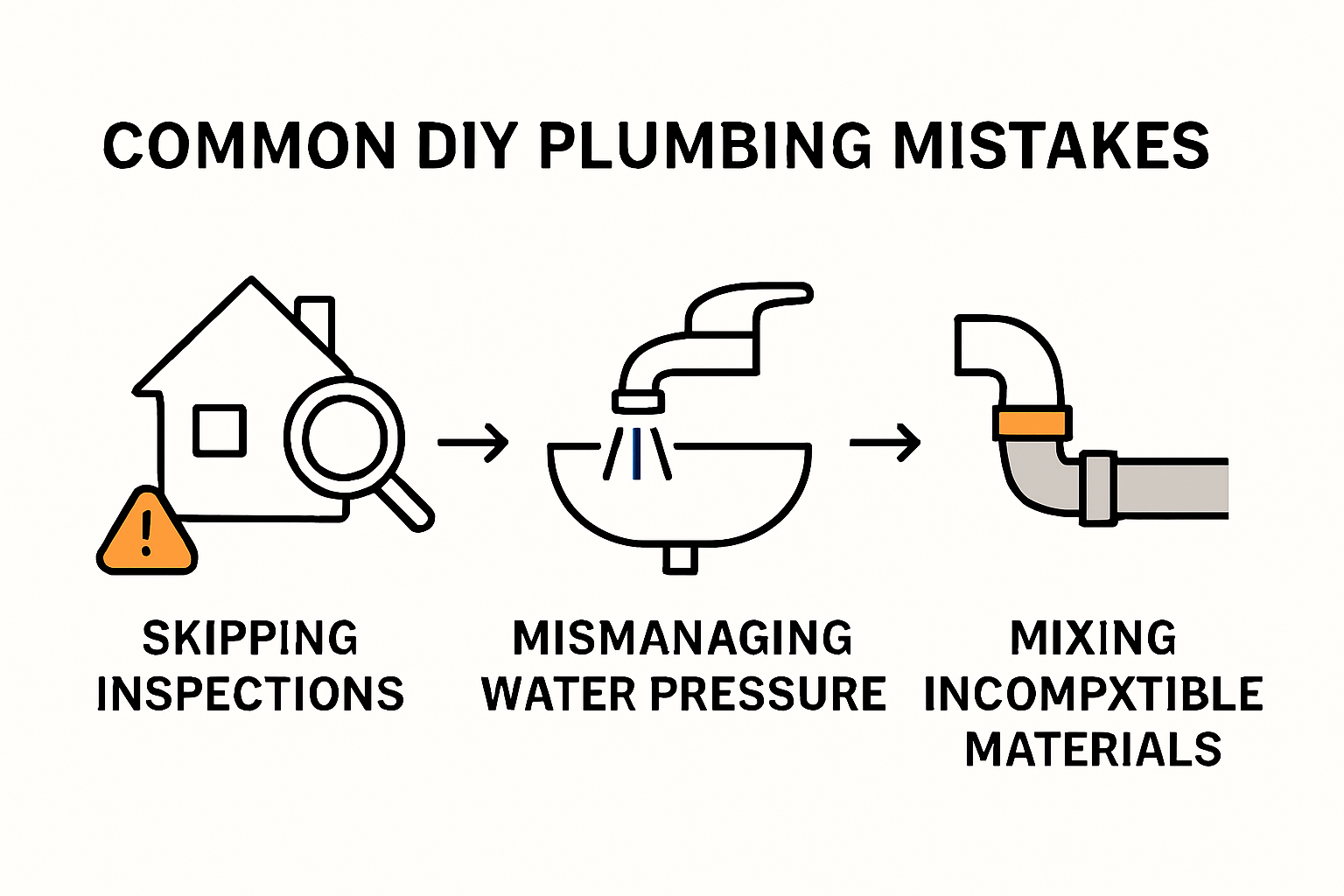
Underestimating Chemical and Material Interactions
Plumbing repairs involve complex chemical and material interactions that require specialized knowledge. What seems like a simple fix can quickly become a significant problem if homeowners do not understand these nuanced interactions.
Critical interaction mistakes include:
- Incompatible Material Usage: Using incorrect pipe connectors or sealants
- Chemical Reaction Risks: Not understanding how different metals and compounds interact
- Corrosion Potential: Selecting materials that might accelerate pipe degradation
Research and understand the specific requirements of your plumbing system. When in doubt, consult with a professional who can provide guidance on material compatibility and safe repair techniques.
Remember, while DIY enthusiasm is commendable, plumbing systems are complex networks that demand respect, knowledge, and careful approach. Recognizing your limitations and seeking professional advice when necessary can save you from potentially disastrous and expensive mistakes.
When to Call Emergency Plumbing Professionals
Recognizing when a plumbing issue demands professional intervention can save Sacramento homeowners from catastrophic damage and potentially dangerous situations. While DIY enthusiasm is admirable, certain scenarios require immediate expert attention to prevent extensive property damage and ensure household safety.
Serious Water Damage and Structural Risks
Some plumbing emergencies pose immediate threats to your home’s structural integrity. Our emergency plumbing services guide highlights critical situations requiring professional assessment. According to CDC NIOSH safety guidelines, specific plumbing hazards can compromise home safety and demand rapid professional intervention.
Warning signs indicating urgent professional help include:
- Significant Water Accumulation: Pooling water in foundations or walls suggesting potential pipe rupture
- Structural Weakening: Soft walls, warping floors, or visible water damage
- Potential Foundation Compromise: Unexpected moisture indicating deep infrastructure problems
These scenarios require immediate professional evaluation to prevent long term structural damage and potential home devaluation.
Contamination and Health Hazard Scenarios
Plumbing issues extending beyond simple repairs can create serious health risks. Sewage backups, cross contamination, and potential water supply pollution demand specialized intervention.
Critical health related emergency indicators include:
- Sewage Backup: Any waste water returning into living spaces
- Unusual Water Discoloration: Indicating potential pipe corrosion or contamination
- Persistent Unexplained Odors: Suggesting hidden mold or bacterial growth
Professional plumbers possess specialized equipment to diagnose and resolve these complex contamination risks, protecting your family’s health and home environment.
Complex System Failures and Gas Line Concerns
Certain plumbing emergencies involve intricate system interactions that surpass typical homeowner expertise. Gas line issues represent particularly dangerous scenarios requiring immediate professional attention.
High risk situations necessitating professional intervention include:
- Suspected Gas Leaks: Immediate professional response prevents potential explosions
- Main Line Failures: Complex repairs involving primary water or sewage infrastructure
- Advanced Pipe Network Complications: Scenarios involving multiple interconnected systems
Our 24/7 emergency plumbing resources emphasize that professional plumbers bring specialized diagnostic tools and comprehensive safety protocols to these high stakes scenarios.
While cost considerations might tempt homeowners to attempt repairs, professional intervention in complex scenarios ultimately saves money by preventing extensive damage. Recognizing your limitations and prioritizing safety ensures your Sacramento home remains protected from potential plumbing disasters.
Tools and Equipment for Safe DIY Repairs
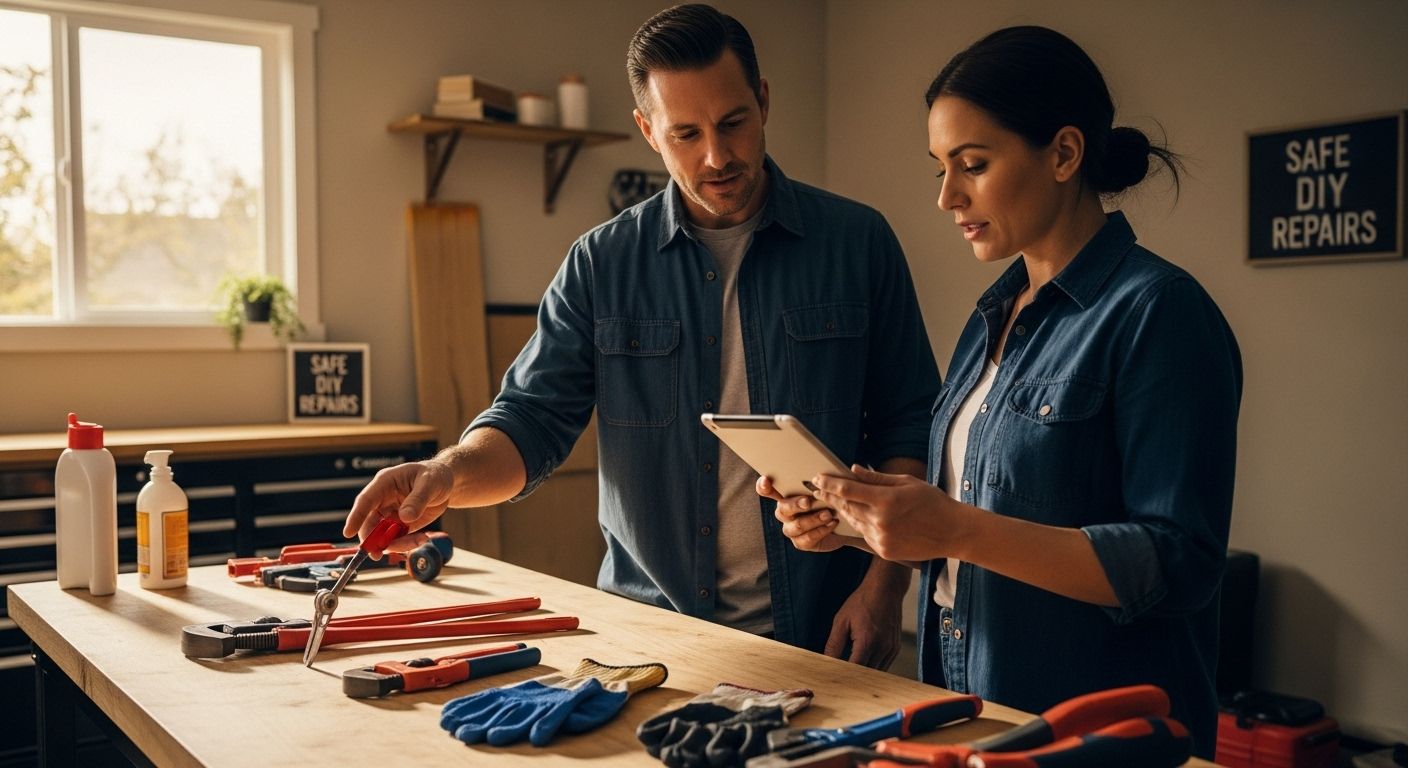
Successful DIY plumbing repairs require more than just technical knowledge. Having the right tools and understanding their proper use can mean the difference between a quick fix and a potential disaster in your Sacramento home. Our emergency plumbing guide emphasizes the critical role of proper equipment in home maintenance.
Essential Hand Tools for Plumbing Repairs
According to Popular Mechanics, a comprehensive plumbing toolkit is fundamental for safe and effective repairs. Professional plumbers and experienced DIY enthusiasts recommend a specific set of essential hand tools.
Must Have Tools Include:
- Pipe Wrench: Primary tool for gripping and turning pipes and fittings
- Adjustable Wrench: Versatile tool for various connection types
- Basin Wrench: Specialized tool for working in tight spaces under sinks
- Tongue and Groove Pliers: Ideal for gripping and turning pipes with different diameters
- Hacksaw: Critical for cutting pipes and metal components
- Metal File: Essential for smoothing rough edges after cutting
Each tool serves a specific purpose and requires careful handling to prevent injury or equipment damage. Invest in quality tools that provide comfortable grip and durability.
To help ensure every project goes smoothly, here’s a summary table of essential plumbing hand tools and their functions:
| Tool | Function |
|---|---|
| Pipe Wrench | Grips and turns pipes and fittings |
| Adjustable Wrench | Fits various nuts and connections |
| Basin Wrench | Reaches and turns fasteners under sinks |
| Tongue and Groove Pliers | Grips pipes of differing sizes |
| Hacksaw | Cuts through pipes and metal components |
| Metal File | Smooths rough cut edges on pipes and fixtures |
Specialized Safety and Diagnostic Equipment
True Value Hardware highlights the importance of specialized equipment beyond standard hand tools. Modern DIY plumbers have access to advanced diagnostic and safety tools that can prevent potential disasters.
Advanced Equipment Recommendations:
- Borescope Camera: Allows visual inspection of hard to reach pipe areas
- Pipe Inspection Camera: Helps diagnose hidden issues without extensive demolition
- Leak Detection Equipment: Identifies water leaks in walls and underground
- Thermal Imaging Camera: Reveals temperature variations indicating potential water damage
- Pressure Testing Kit: Checks system integrity and identifies potential weaknesses
These tools provide insights that traditional methods cannot, helping homeowners make informed repair decisions.
Personal Safety and Protective Gear
Bell Brothers emphasizes that personal protective equipment is as crucial as the repair tools themselves. Proper safety gear protects against potential injuries and chemical exposures.
Essential Safety Equipment:
- Safety Glasses: Protect eyes from debris, water spray, and potential chemical splashes
- Heavy Duty Rubber Gloves: Shield hands from bacteria, sharp edges, and chemical contact
- Waterproof Work Boots: Prevent slip hazards and protect feet
- Respirator Mask: Prevents inhalation of harmful dust, mold, or chemical fumes
- Knee Pads: Provide protection during extended work in cramped spaces
Remember that no tool or piece of equipment is a substitute for proper training and cautious approach. While having the right tools is important, understanding their correct usage and knowing your personal skill limitations remains paramount.
Invest time in learning proper tool handling, maintain your equipment regularly, and never hesitate to consult a professional when a repair exceeds your expertise. Your safety and your home’s integrity are always the top priorities.
Frequently Asked Questions
What personal protective equipment should I use for DIY plumbing?
Invest in high-quality safety glasses, thick rubber gloves, and waterproof work boots to protect yourself from injuries during plumbing repairs.
When should I call a professional plumber instead of attempting a DIY repair?
Call a professional for complex repairs involving significant water line modifications, main water shutoff, or situations where there are potential structural damages or hazardous conditions.
How can I prepare my workspace before starting plumbing repairs?
Conduct a thorough inspection of the plumbing system, clear the workspace, gather all necessary tools, and identify shutoff valves before beginning any repairs.
What are some common mistakes to avoid in DIY plumbing projects?
Common mistakes include skipping initial inspections, misunderstanding water pressure dynamics, and using incompatible materials or improper tools. Always take the time to research and prepare before starting a project.
Protect Your Sacramento Home with Expert Plumbing Support
You have just learned how easy it is for common DIY plumbing mistakes to turn into costly emergencies. Whether it is water damage from a missed leak or health and safety risks from handling the wrong materials, the dangers are real. The article highlighted how quickly these situations escalate and the importance of acting before a simple repair turns complicated. When you are uncertain or face a plumbing issue beyond your comfort zone, your peace of mind should never be at risk.
Do not let a small plumbing issue threaten your home’s safety. Take action today and get real support from the trusted team at Legacy Plumbing & Drain Inc. Our skilled technicians are available 24/7, ready to handle any emergency or complex repair so you avoid the most common hazards discussed in this article. Explore our emergency plumbing services and discover how easy it is to protect your family and property. Visit https://legacyplumbinganddrain.com now. Your safest solution is only one call away.