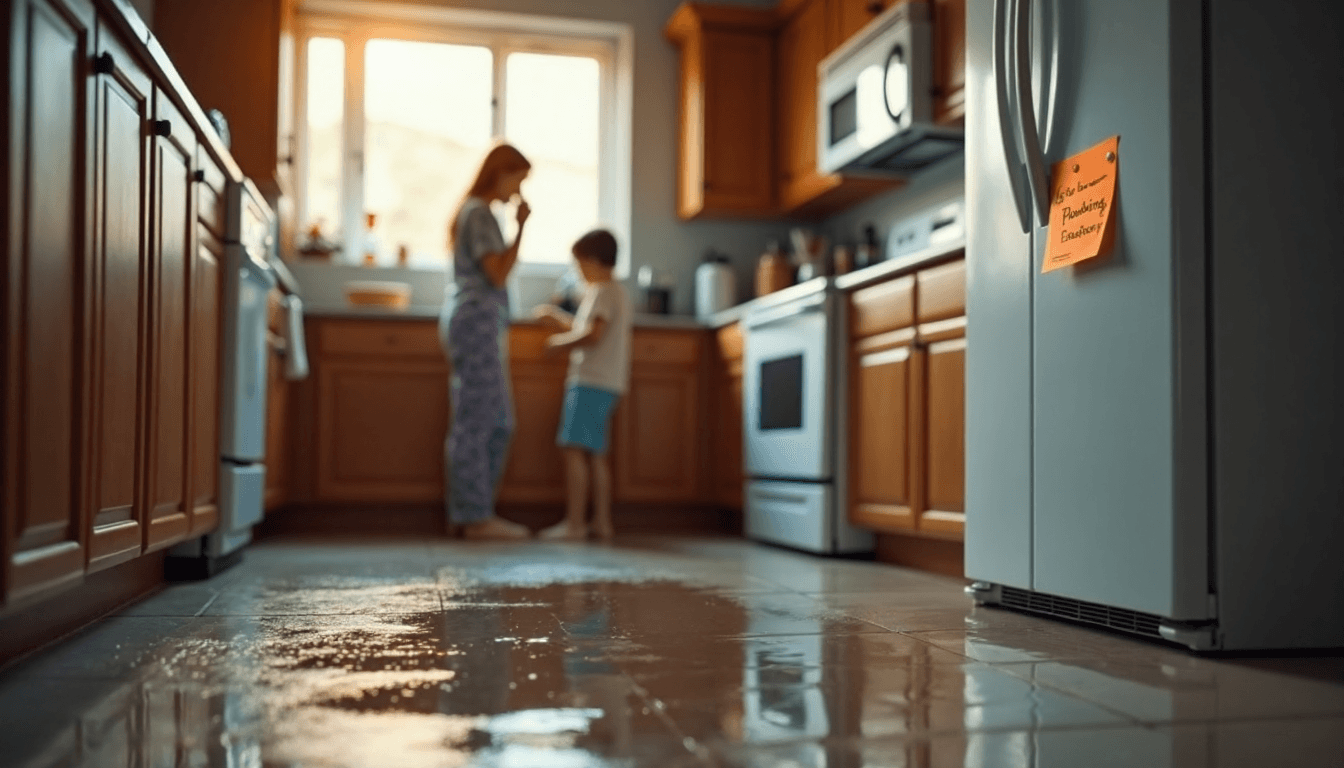
Burst pipes and sudden leaks are causing chaos for more homeowners this year than ever before. Here is the shocker. Household leaks are wasting nearly 10,000 gallons of water per home each year according to the US Geological Survey. Yet most people never spot the warning signs until disaster strikes. Find out what really puts your plumbing at risk and what you can do before the next emergency hits.
Table of Contents
- What Are The Most Common Plumbing Emergencies?
- How To Identify An Urgent Plumbing Problem
- When To Call An Emergency Plumber In Your Area
- Preventing Plumbing Emergencies In Sacramento And Nearby Cities
Quick Summary
| Takeaway | Explanation |
|---|---|
| Catastrophic Pipe Failures are Major Risks | Burst pipes can unleash hundreds of gallons of water quickly, causing significant damage. Homes built before 1970 are particularly vulnerable due to aging plumbing systems. |
| Recognize Urgent Plumbing Warning Signs | Homeowners should monitor for signs like sudden pressure drops, unusual sounds, and unexpected water bill increases to identify potential plumbing emergencies early. |
| Immediate Professional Help is Critical | Scenarios like active flooding, sewage backups, and suspected gas leaks require urgent attention from professionals to mitigate safety risks and property damage. |
| Preventative Maintenance is Key | Regular inspections, monitoring water pressure, and maintaining drainage systems can significantly reduce emergency plumbing situations and associated costs. |
| Use Advanced Technologies for Prevention | Implementing smart water leak detectors and automatic shut-off systems can help homeowners proactively manage plumbing issues and avoid costly repairs. |
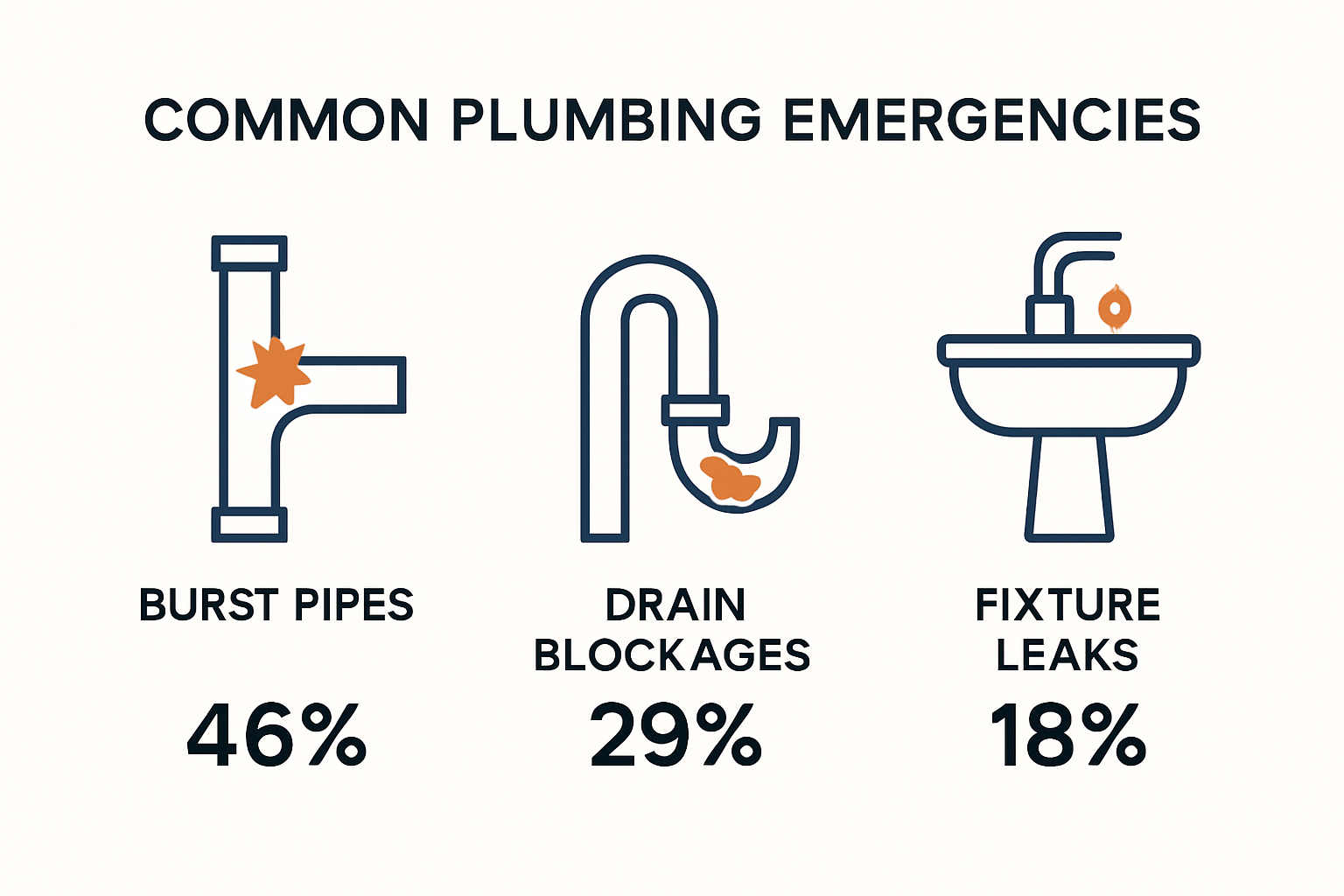
What Are the Most Common Plumbing Emergencies?
Plumbing emergencies can strike without warning, transforming a peaceful home into a potential disaster zone. Understanding these critical issues helps homeowners respond quickly and minimize potential damage. According to Insurance Information Institute, water damage claims are among the most frequent and costly issues homeowners face.
Catastrophic Pipe Failures
Burst pipes represent one of the most destructive plumbing emergencies homeowners encounter. These sudden ruptures can release hundreds of gallons of water within minutes, causing extensive structural damage. National Association of Home Builders reports that pipe failures account for approximately 22% of all home insurance claims.
Factors contributing to pipe bursts include extreme temperature fluctuations, corrosion, excessive water pressure, and aging infrastructure. Older homes with original plumbing systems are particularly vulnerable. Homes built before 1970 often have galvanized steel pipes prone to internal rust and weakening, increasing rupture risks.
Severe Drain and Sewage Blockages
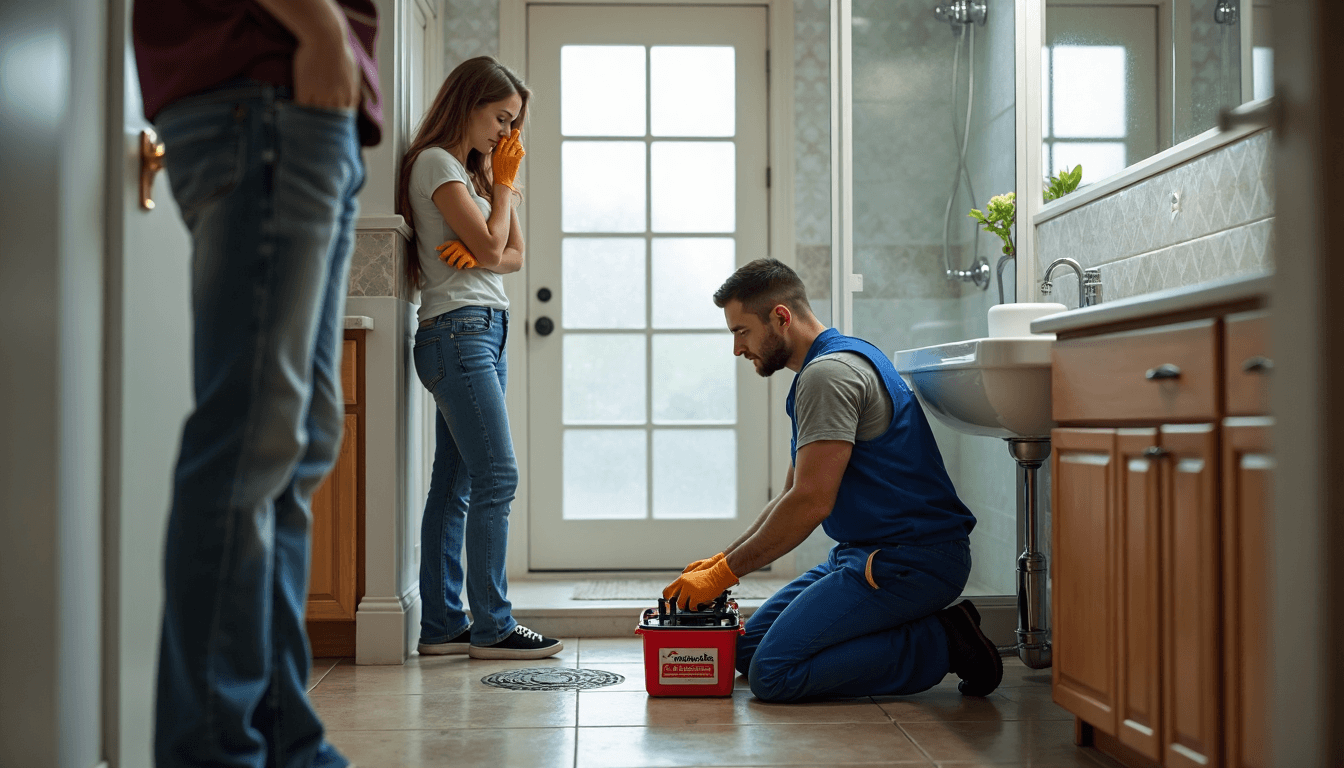
Clogged drains and sewage backups represent another critical plumbing emergency. These blockages can rapidly escalate from minor inconveniences to major health hazards. Environmental Protection Agency suggests that typical household clogs result from accumulated grease, hair, soap residue, and foreign objects.
Sewage backups pose significant health risks, potentially introducing harmful bacteria and pathogens into living spaces. Professional intervention becomes crucial when these blockages prevent normal water flow or create unsanitary conditions. Homeowners should recognize warning signs like slow draining, gurgling sounds, and unpleasant odors indicating potential system failures.
Critical Fixture and Connection Leaks
Undetected leaks can cause substantial damage over time. Even small, persistent leaks can lead to mold growth, structural deterioration, and increased water bills. United States Geological Survey estimates that household leaks waste approximately 10,000 gallons of water annually per home.
Particular areas of concern include:
- Toilet Base Leaks: Often indicating seal failures or improper installation
- Faucet Drips: Can waste significant water volumes over extended periods
- Hidden Pipe Leaks: Potentially causing invisible structural damage
Read our guide on emergency plumbing solutions to understand how professional interventions can mitigate these risks. Recognizing these common plumbing emergencies empowers homeowners to take swift, informed action when critical issues arise.
To help you quickly compare the main types of plumbing emergencies and their risks, here is a summary table:
| Emergency Type | Main Causes | Risks/Impacts | Key Warning Signs |
|---|---|---|---|
| Catastrophic Pipe Failures | Extreme temperatures, corrosion, aging pipes, high water pressure | Massive flooding, structural damage | Sudden drops in water pressure, wet spots |
| Severe Drain/Sewage Blockages | Grease, hair, soap buildup, foreign objects | Sewage backup, health hazards | Slow draining, gurgling, unpleasant odor |
| Fixture/Connection Leaks | Worn seals, faulty installation, corroded pipes | Hidden leaks, mold, increased bills | Drips, stains, mold, water meter movement |
How to Identify an Urgent Plumbing Problem
Recognizing a plumbing emergency requires keen observation and understanding of potential warning signs. Not all plumbing issues are created equal, and some demand immediate professional intervention to prevent extensive damage. American Water Works Association suggests that early detection can save homeowners thousands of dollars in potential repair costs.
Water Pressure and Flow Warning Signs
Unusual changes in water pressure and flow patterns often signal underlying plumbing problems. Homeowners should pay close attention to subtle shifts that might indicate more significant issues. United States Geological Survey highlights that persistent low water pressure could suggest multiple potential problems.
Key indicators include:
- Sudden Pressure Drops: Significant reductions in water pressure across multiple fixtures
- Inconsistent Water Flow: Sporadic or unpredictable water stream from faucets
- Complete Fixture Failure: Total loss of water supply in specific areas of the home
These symptoms might point to serious issues like pipe blockages, leaks, or potential structural damage within the plumbing system. Professional assessment becomes crucial when these signs persist.
Visual and Auditory Plumbing Distress Signals
Visual and auditory cues can provide critical insights into potential plumbing emergencies. Environmental Protection Agency recommends homeowners conduct regular visual inspections to catch problems early.
Critical visual indicators include:
- Water Stains: Unexplained discoloration on walls, ceilings, or floors
- Visible Pipe Corrosion: Rust, flaking, or visible deterioration of pipe surfaces
- Mold Growth: Unexpected moisture accumulation leading to fungal development
Auditory warning signs are equally important. Unusual sounds like persistent dripping, gurgling, or hammering within walls can indicate serious plumbing complications. These noises often suggest trapped air, pipe movement, or potential structural issues that require immediate attention.
Unexpected Water Bill Fluctuations
Financial indicators can also reveal hidden plumbing emergencies. American Water Works Association notes that unexpected increases in water bills frequently signal undetected leaks or system inefficiencies.
Homeowners should investigate sudden bill spikes by:
- Comparing current bills with historical usage patterns
- Checking for unexplained water consumption
- Monitoring meter readings during periods of minimal household activity
Learn more about emergency plumbing diagnostics to understand how professional evaluation can prevent potential catastrophic failures. Quick recognition and response remain critical in mitigating extensive property damage and expensive repairs.
When to Call an Emergency Plumber in Your Area
Navigating plumbing emergencies requires quick decision making and understanding when professional intervention becomes critical. National Association of Home Builders emphasizes that timely professional response can prevent extensive property damage and costly repairs.
Immediate Risk Scenarios Demanding Professional Intervention
Certain plumbing situations create immediate risks that necessitate urgent professional attention. Occupational Safety and Health Administration identifies several scenarios where homeowners should immediately contact emergency plumbing services.
Critical situations include:
- Active Water Flooding: Uncontrolled water release threatening structural integrity
- Sewage Backups: Potential health hazards from contaminated water exposure
- Gas Line Complications: Suspected leaks presenting immediate safety risks
- Complete Water System Failure: Total loss of water supply functionality
These scenarios require swift professional intervention to mitigate potential long term damage and ensure household safety. Attempting DIY repairs could exacerbate the problem and potentially create additional safety risks.
Subtle Warning Signs Requiring Professional Assessment
Not all plumbing emergencies manifest dramatically. American Water Works Association highlights that subtle indicators can signal significant underlying issues requiring immediate professional evaluation.
Subtle warning signs include:
- Persistent Unusual Sounds: Consistent gurgling, hammering, or dripping within walls
- Unexplained Water Pressure Changes: Sudden drops or inconsistent water flow
- Rapid Water Meter Movement: Indication of potential hidden leaks
- Unexplained Moisture Accumulation: Persistent dampness without visible source
Professional plumbers possess diagnostic tools and expertise to identify root causes behind these subtle indicators, preventing potential catastrophic failures.
Geographic and Seasonal Emergency Considerations
Local environmental factors significantly influence plumbing emergency risks. United States Geological Survey notes that regional climate variations can impact plumbing system vulnerabilities.
Location specific considerations include:
- Temperature Extremes: Increased pipe burst risks during sudden temperature changes
- Regional Water Quality: Potential accelerated pipe corrosion in areas with mineral rich water
- Ground Movement: Potential pipe damage from geological shifts
Learn about our emergency response protocols to understand how professional intervention can protect your home. Recognizing these critical moments ensures homeowners can make informed decisions during potential plumbing crises.
To clarify when to take action, below is a table summarizing when to call an emergency plumber based on key scenarios:
| Situation | Immediate Action Needed | Main Risks |
|---|---|---|
| Active Water Flooding | Yes | Structural damage, mold, electrical |
| Sewage Backup | Yes | Health hazard, contamination |
| Gas Line Complications | Yes | Explosion, poisoning, safety |
| Complete Water System Failure | Yes | No water, disruption, hygiene issues |
| Persistent Plumbing Sounds | Maybe | Hidden leaks, system failure |
| Unexplained Moisture/Dampness | Maybe | Mold, hidden leaks |
| Rapid Water Meter Movement | Maybe | Undetected leaks |
Preventing Plumbing Emergencies in Sacramento and Nearby Cities
Proactive maintenance and strategic prevention represent the most effective approach to managing plumbing systems in Sacramento and surrounding communities. American Water Works Association emphasizes that preventative strategies can significantly reduce the likelihood of costly emergency interventions.
Regular Home Plumbing Maintenance Strategies
Consistent home maintenance serves as the first line of defense against potential plumbing emergencies. Environmental Protection Agency recommends comprehensive inspection and maintenance protocols that address both visible and hidden plumbing components.
Key maintenance practices include:
- Seasonal Pipe Inspections: Checking for signs of corrosion, wear, and potential weakness
- Water Pressure Monitoring: Ensuring consistent pressure to prevent pipe stress
- Drainage System Cleaning: Regular removal of potential blockage sources
- Insulation of Exposed Pipes: Protecting against temperature related damage
Homeowners should develop a systematic approach to monitoring their home’s plumbing infrastructure, treating maintenance as a critical investment in long term property preservation.
Seasonal Preparedness for Sacramento Climate Challenges
Sacramento’s unique climate presents specific challenges for residential plumbing systems. United States Geological Survey highlights the importance of region specific preventative measures.
Critical seasonal considerations include:
- Winter Pipe Protection: Preventing freezing through proper insulation and drainage
- Summer Heat Mitigation: Managing pipe expansion and potential stress
- Rainy Season Drainage Preparation: Ensuring effective water runoff and drainage systems
- Soil Movement Management: Addressing potential ground shifts that impact underground pipes
Understanding local environmental factors allows homeowners to develop targeted prevention strategies that address region specific plumbing risks.
Advanced Prevention Technologies and Practices
Modern technology offers sophisticated solutions for proactive plumbing management. National Association of Home Builders recommends integrating advanced monitoring and prevention technologies.
Innovative prevention approaches include:
- Smart Water Leak Detectors: Providing real time monitoring and alerts
- Automatic Shut Off Systems: Preventing potential water damage
- Comprehensive Pipe Diagnostic Tools: Identifying potential weaknesses before failure
- Water Quality Monitoring Devices: Detecting potential corrosion or contamination risks
Explore our comprehensive emergency prevention guide to understand how professional insights can protect your home. Implementing these strategies transforms reactive emergency response into proactive system management, ultimately saving homeowners significant time and financial resources.
Frequently Asked Questions
What are the most common plumbing emergencies homeowners face?
Common plumbing emergencies include catastrophic pipe failures, severe drain and sewage blockages, and critical fixture and connection leaks. These issues can lead to significant damage if not addressed promptly.
How can I identify signs of a plumbing emergency in my home?
Look for warning signs such as sudden drops in water pressure, unusual sounds coming from pipes, and unexpected spikes in your water bill. Regular inspections can help catch these problems early.
When should I call an emergency plumber?
Call an emergency plumber for situations like active flooding, sewage backups, or gas line complications. These scenarios can pose immediate risks to your safety and property.
What preventative measures can I take to avoid plumbing emergencies?
Regular home maintenance, seasonal pipe inspections, and implementing advanced technologies like smart leak detectors can significantly reduce the likelihood of plumbing emergencies.
Ready to Stop Plumbing Disasters Before They Start?
Are you feeling uneasy after reading about catastrophic pipe failures and hidden water leaks that can quickly drain your wallet and peace of mind? If you have ever worried about rising water bills or seen unexplained spots on your walls, you know how quickly a plumbing emergency can put your home at risk. As the article points out, unnoticed problems like sudden drops in water pressure or mysterious sounds can become expensive disasters if ignored.
Now is the right time to protect your Sacramento home. Do not wait for a burst pipe or a sewage backup to strike. Trust your local experts at Legacy Plumbing & Drain Inc for reliable 24/7 emergency service and proactive leak detection. For more tips on preventing the most common emergencies, visit our page on emergency plumbing solutions. Let us help you gain peace of mind before the next weather shift or plumbing surprise. Schedule your inspection or emergency response right now at https://legacyplumbinganddrain.com.
Recommended
- Citrus Heights 24-Hour Plumber | Immediate Plumbing Repair Services
- Roseville & Rocklin Emergency Plumbers | 24/7 Repairs Available
- Emergency Plumbing Tips For Sacramento Homeowners | Legacy Plumbing & Drain
- Emergency Plumbing Tips: What To Do Before Help Arrives
- Emergency Plumbing Services In Sacramento | 24/7 Plumber Near Me | Legacy Plumbing & Drain
- 24/7 Plumber Near Me | Emergency 24 Hour Plumbing Service Sacramento, CA