Plumbing disasters can wreck your day and your home in minutes. Water damage cleanup costs can range from $1,000 to $5,000, turning a small leak into a massive financial headache. Most people expect these disasters to come from old pipes or big storms, but even something as simple as skipping yearly maintenance can trigger a total system failure before you know it.
Table of Contents
- What Are Plumbing Disasters And Their Common Types?
- Why Preparations For Plumbing Disasters Are Essential
- How Plumbing Systems Work And Their Vulnerabilities
- Key Concepts In Plumbing Disaster Preparedness
- Real-World Impacts Of Plumbing Failures On Homeowners
Quick Summary
| Takeaway | Explanation |
|---|---|
| Recognize warning signs early | Unusual noises, pressure changes, or moisture indicate plumbing issues that should be inspected promptly. |
| Conduct routine plumbing maintenance | Regular inspections can prevent costly and damaging plumbing disasters by identifying vulnerabilities before they escalate. |
| Develop an emergency response plan | Knowing your main water shut-off and having plumber contacts helps manage plumbing emergencies effectively. |
| Understand potential financial impacts | Plumbing failures can lead to significant costs, including repairs and mold remediation, which highlight the importance of preparedness. |
| Be aware of health risks | Plumbing failures can expose homes to contaminants and mold, posing serious health risks to inhabitants. |
What Are Plumbing Disasters and Their Common Types?
Plumbing disasters represent unexpected and potentially catastrophic events that can cause significant damage to your home’s water and drainage systems. These emergencies often occur suddenly, transforming a routine day into a stressful situation requiring immediate professional intervention. Understanding the various types of plumbing disasters helps homeowners recognize warning signs and take proactive measures to minimize potential damage.
Water System Breakdown Scenarios
Plumbing disasters encompass a wide range of critical failures that can compromise your home’s infrastructure. According to Columbia University’s research, the most prevalent plumbing emergencies include:
- Burst water pipes causing extensive structural damage
- Severe drain blockages leading to sewage backups
- Sudden water heater failures
- Uncontrolled sewer line ruptures
- Massive leaks from corroded or damaged fixtures
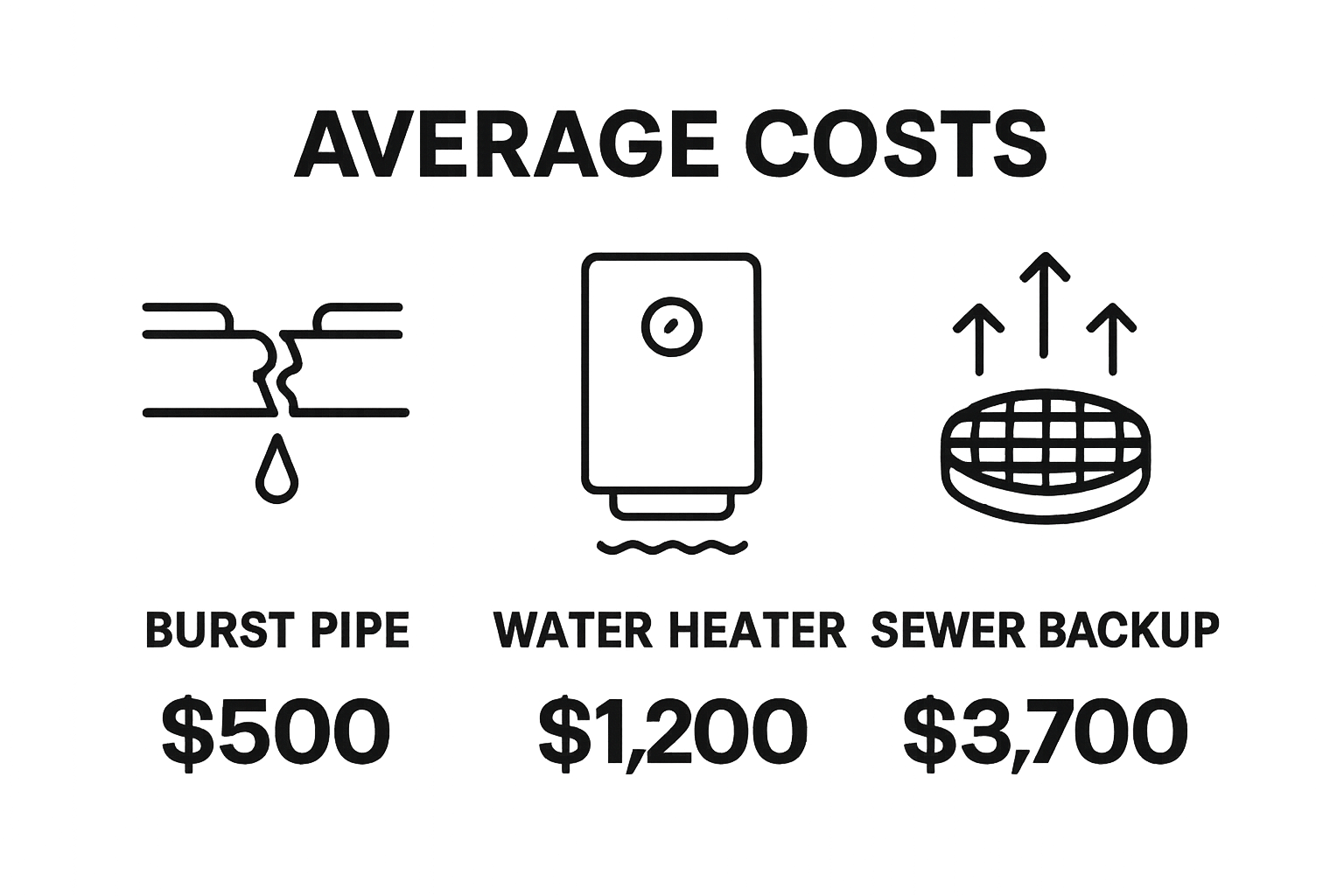
These scenarios can rapidly escalate from minor inconveniences to major home restoration projects, potentially costing thousands of dollars in repairs and water damage mitigation.
The following table summarizes some of the most common types of plumbing disasters mentioned in the article, along with their effects and associated risks for homeowners.
| Plumbing Disaster Type | Immediate Effects | Associated Risks |
|---|---|---|
| Burst water pipes | Flooding, rapid water loss | Structural damage, mold growth |
| Severe drain blockages | Sewage backups, unusable fixtures | Contamination, health hazards |
| Water heater failures | Loss of hot water, potential leaks | Property damage, scalding risks |
| Sewer line ruptures | Sewage backflow, foul odors | Environmental contamination |
| Massive leaks from damaged fixtures | Water pooling, fixture inoperability | Property and foundation damage |
Root Causes and Risk Factors
Plumbing disasters often stem from underlying issues that homeowners might overlook. Corrosive water, aging infrastructure, poor maintenance, and extreme temperature fluctuations contribute significantly to system failures. Legacy Plumbing’s expert guide on emergency preparedness highlights that most plumbing disasters are preventable through routine inspections and proactive maintenance.
Recognizing potential warning signs like unusual pipe noises, unexplained water pressure changes, or mysterious moisture spots can help homeowners address problems before they transform into full-scale emergencies. Professional plumbers recommend annual system evaluations to identify and rectify potential vulnerabilities in your home’s plumbing infrastructure.
Why Preparations for Plumbing Disasters Are Essential
Homeowners who prioritize proactive plumbing disaster preparation can significantly reduce potential financial losses, property damage, and emotional stress. Understanding the critical nature of advance planning transforms potential catastrophic events into manageable situations that can be effectively controlled and mitigated.
Financial Protection and Risk Mitigation
Unprepared homeowners face substantial financial risks during plumbing emergencies. Water damage can cost thousands of dollars in repairs, with average restoration expenses ranging from $1,000 to $5,000 depending on the severity. According to EPA guidelines on emergency preparedness, having a structured response plan can dramatically reduce both immediate and long-term financial impacts.
Key financial risks include:
- Structural damage to walls, floors, and foundations
- Potential mold remediation expenses
- Replacement of damaged personal property
- Temporary housing costs during extensive repairs
- Potential increases in home insurance premiums
Early Warning and Preventative Strategies
Effective preparation involves recognizing potential warning signs and implementing proactive maintenance strategies. Legacy Plumbing’s comprehensive emergency guide emphasizes the importance of routine system inspections and understanding your home’s unique plumbing infrastructure.
Homeowners should develop a comprehensive emergency response plan that includes contact information for professional plumbers, knowledge of main water shut-off valve locations, and basic emergency repair tools. By investing time in preparation, you transform potential disasters into manageable challenges, protecting your home and financial well-being.
How Plumbing Systems Work and Their Vulnerabilities
A home’s plumbing system represents a complex network of interconnected pipes, valves, fixtures, and appliances designed to deliver clean water and remove waste efficiently. Understanding the intricate mechanics and potential weak points of this system helps homeowners identify and mitigate potential risks before they escalate into catastrophic failures.
Core Plumbing Infrastructure Components
Plumbing systems fundamentally operate through two primary subsystems: the water supply network and the drainage network. The water supply system delivers pressurized fresh water throughout your home, while the drainage system removes wastewater and sewage. Legacy Plumbing’s guide to home plumbing systems highlights the critical interdependence of these networks.
Key infrastructure components include:
- Supply pipes carrying fresh water under pressure
- Drainage pipes using gravity to remove wastewater
- Fixtures like sinks, toilets, and showers
- Valves controlling water flow and pressure
- Water heaters and filtration systems
System Vulnerabilities and Potential Failure Points
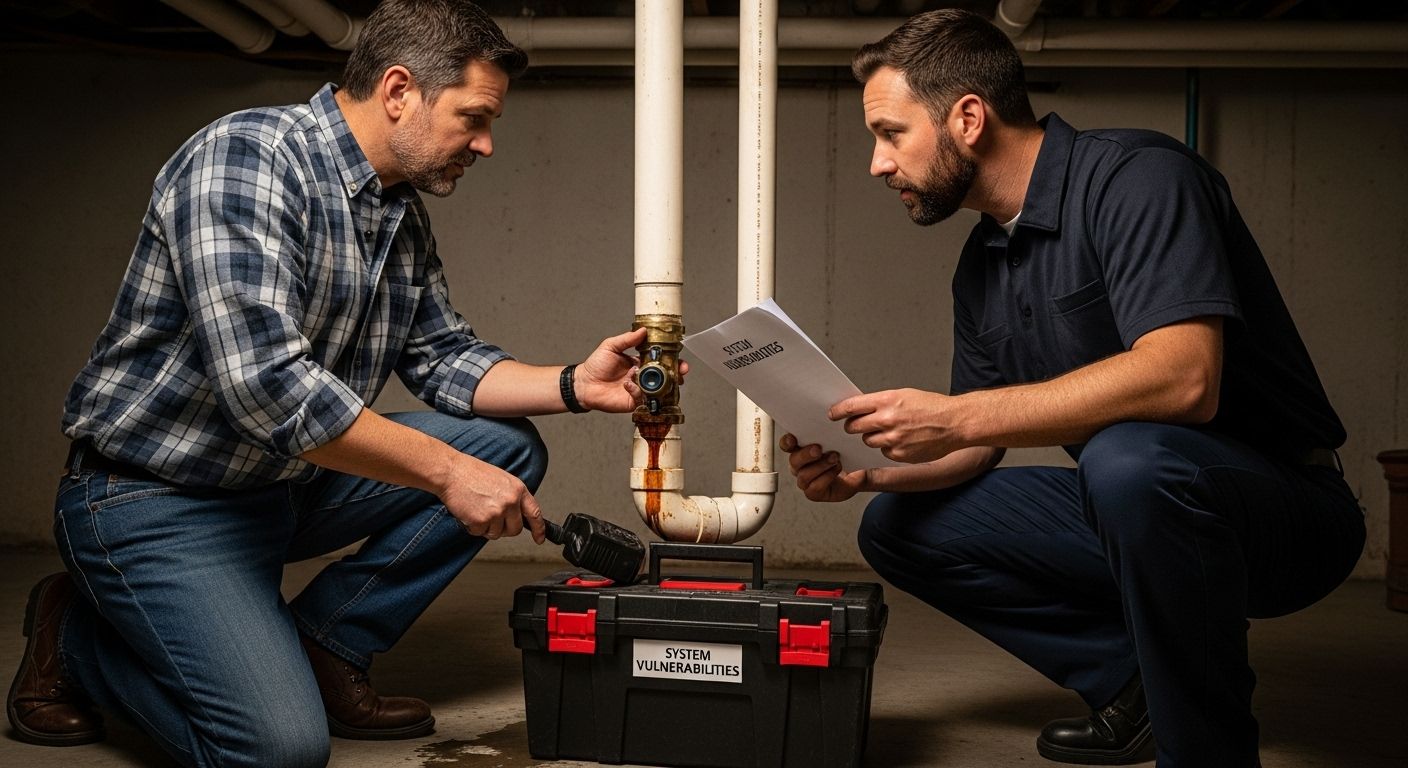
Plumbing systems contain multiple inherent vulnerabilities that can compromise their functionality. According to research from the National Institute of Standards and Technology, outdated infrastructure and changing water usage patterns create significant risk factors.
Critical vulnerability areas include pipe material degradation, joint connections, water pressure inconsistencies, and environmental stressors. Older homes with galvanized steel or copper piping are particularly susceptible to corrosion, leading to potential leaks, reduced water quality, and structural damage. Temperature fluctuations, ground movement, and chemical interactions can accelerate these degradation processes, making routine inspection and proactive maintenance essential for preserving your home’s plumbing integrity.
This table outlines the main components of a typical home plumbing system and highlights the vulnerabilities associated with each, helping homeowners identify areas that may require attention.
| Plumbing Component | Function | Potential Vulnerabilities |
|---|---|---|
| Supply pipes | Carry fresh, pressurized water | Corrosion, leaks, pressure changes |
| Drainage pipes | Remove wastewater using gravity | Clogs, cracks, root intrusion |
| Fixtures (sinks, toilets) | Allow water use and drainage | Seal failures, leaks |
| Valves | Control water flow and pressure | Malfunction, wear, blockage |
| Water heaters/filtration | Heat and filter household water | Leaks, sediment buildup, breakdown |
Key Concepts in Plumbing Disaster Preparedness
Plumbing disaster preparedness involves a strategic approach to anticipating, preventing, and responding to potential water system emergencies. Homeowners who understand the fundamental principles of proactive management can significantly reduce the likelihood of catastrophic failures and minimize potential damage to their property.
Risk Assessment and Vulnerability Analysis
Comprehensive risk assessment forms the cornerstone of effective plumbing disaster preparedness. This process involves systematically identifying potential weak points in your home’s plumbing infrastructure and developing targeted mitigation strategies. Legacy Plumbing’s emergency checklist recommends conducting thorough evaluations that consider multiple risk factors.
Key areas of vulnerability include:
- Age and material condition of existing pipes
- Water pressure inconsistencies
- Local environmental conditions
- Historical maintenance records
- Potential external damage sources
Emergency Response Framework
Developing a robust emergency response framework transforms potential disasters into manageable situations. According to EPA guidelines on emergency preparedness, an effective plan should include clear protocols for immediate action, communication strategies, and resource allocation.
Critical components of an emergency response plan include:
- Identifying and marking main water shut-off valve locations
- Maintaining updated contact information for professional plumbers
- Creating a comprehensive emergency supply kit
- Establishing communication protocols for family members
- Documenting insurance and repair contact information
By investing time in preparation and understanding these key concepts, homeowners can develop a proactive approach to plumbing system management, ultimately protecting their property and reducing potential financial and structural risks.
Real-World Impacts of Plumbing Failures on Homeowners
Plumbing system failures extend far beyond simple inconveniences, representing complex scenarios that can dramatically disrupt household stability, financial security, and personal well-being. Understanding the multifaceted consequences helps homeowners appreciate the critical importance of proactive maintenance and rapid response strategies.
Financial and Structural Consequences
Plumbing failures can generate catastrophic financial burdens that extend well beyond immediate repair costs. Water damage represents one of the most expensive home restoration challenges, with potential expenses ranging from thousands to tens of thousands of dollars. Legacy Plumbing’s analysis of emergency scenarios highlights the cascading economic impacts homeowners might encounter.
Potential financial implications include:
- Structural repair and reconstruction expenses
- Replacement of damaged personal property
- Increased home insurance premiums
- Potential temporary housing costs
- Long-term property value depreciation
Health and Environmental Risks
Beyond financial considerations, plumbing failures pose significant health and environmental challenges. According to epidemiological research, compromised water systems can introduce serious health risks through contamination and mold proliferation.
Critical health risks associated with plumbing failures encompass:
- Potential bacterial and viral contamination
- Mold and fungal growth
- Indoor air quality degradation
- Risk of waterborne diseases
- Potential respiratory complications
By recognizing these profound real-world impacts, homeowners can better understand the necessity of comprehensive plumbing maintenance and immediate intervention during potential disaster scenarios.
Protect Your Home from Plumbing Disasters with Sacramento’s Trusted Experts
Sudden plumbing failures and water system breakdowns cause tremendous stress, unexpected costs, and health risks for homeowners. If you have ever worried about burst pipes, water heater failures, or sewer line issues, you know that being unprepared can turn a small inconvenience into significant property damage. The article highlights the importance of risk assessment, emergency preparation, and proactive maintenance to keep your home and family safe. Legacy Plumbing & Drain Inc understands these pain points and stands ready to solve them for you.
Take action before disaster strikes. Discover how Legacy Plumbing & Drain Inc can help you with routine inspections, fast emergency repairs, and expert solutions that prioritize your safety and financial protection. Whether you need urgent help or want to build your own plumbing emergency response plan, visit our emergency services and learn why we are Sacramento’s top choice for reliable plumbing support. Do not wait for the next emergency—secure your peace of mind with a quick call or visit today.
Frequently Asked Questions
What causes plumbing disasters?
Plumbing disasters can be caused by a variety of factors including burst water pipes, severe drain blockages, sudden water heater failures, and corroded fixtures. These issues often stem from corrosive water, poor maintenance, or aging infrastructure.
How can I prepare for a plumbing disaster?
Preparing for a plumbing disaster involves conducting routine inspections of your plumbing system, understanding the location of your main water shut-off valve, and creating an emergency response plan that includes contact information for plumbers.
What are the potential financial impacts of plumbing failures?
Financial impacts of plumbing failures can be significant, often ranging from thousands to tens of thousands of dollars. Potential costs include structural repairs, replacement of damaged property, and increased insurance premiums.
What are the signs that I may have a plumbing issue?
Signs of a plumbing issue include unusual noises in the pipes, unexplained changes in water pressure, and visible moisture spots around pipes or fixtures. Addressing these signs early can help prevent a larger disaster.