Plumbing disasters can turn a quiet night into a stressful mess in seconds. Picture this: a single burst pipe can leak over 250 gallons in just 24 hours. Most people panic and scramble, but the real shock is how much could have been prevented with just a bit of preparation. The right checklist does a whole lot more than save your floors—it can save you thousands before you even pick up the phone.
Table of Contents
- What To Do First In A Plumbing Emergency
- Essential Plumbing Emergency Checklist For Homeowners
- When To Call An Emergency Plumber Near You
- Steps To Prevent Future Plumbing Emergencies
Quick Summary
| Takeaway | Explanation |
|---|---|
| Shut off water supply immediately | Locate your main shut-off valve to stop flooding and prevent damage. Know both local and main valves beforehand. |
| Minimize water damage quickly | Use towels and containers to protect furniture and floors. Document damage for insurance claims. |
| Contact emergency plumbers ASAP | Provide clear details about the problem to speed up repairs and minimize impact. |
| Regularly maintain your plumbing | Conduct inspections and routine checks to catch minor issues before they escalate into emergencies. |
| Create an emergency response plan | Outline steps, contact numbers, and valve locations for different scenarios in case of plumbing issues. |
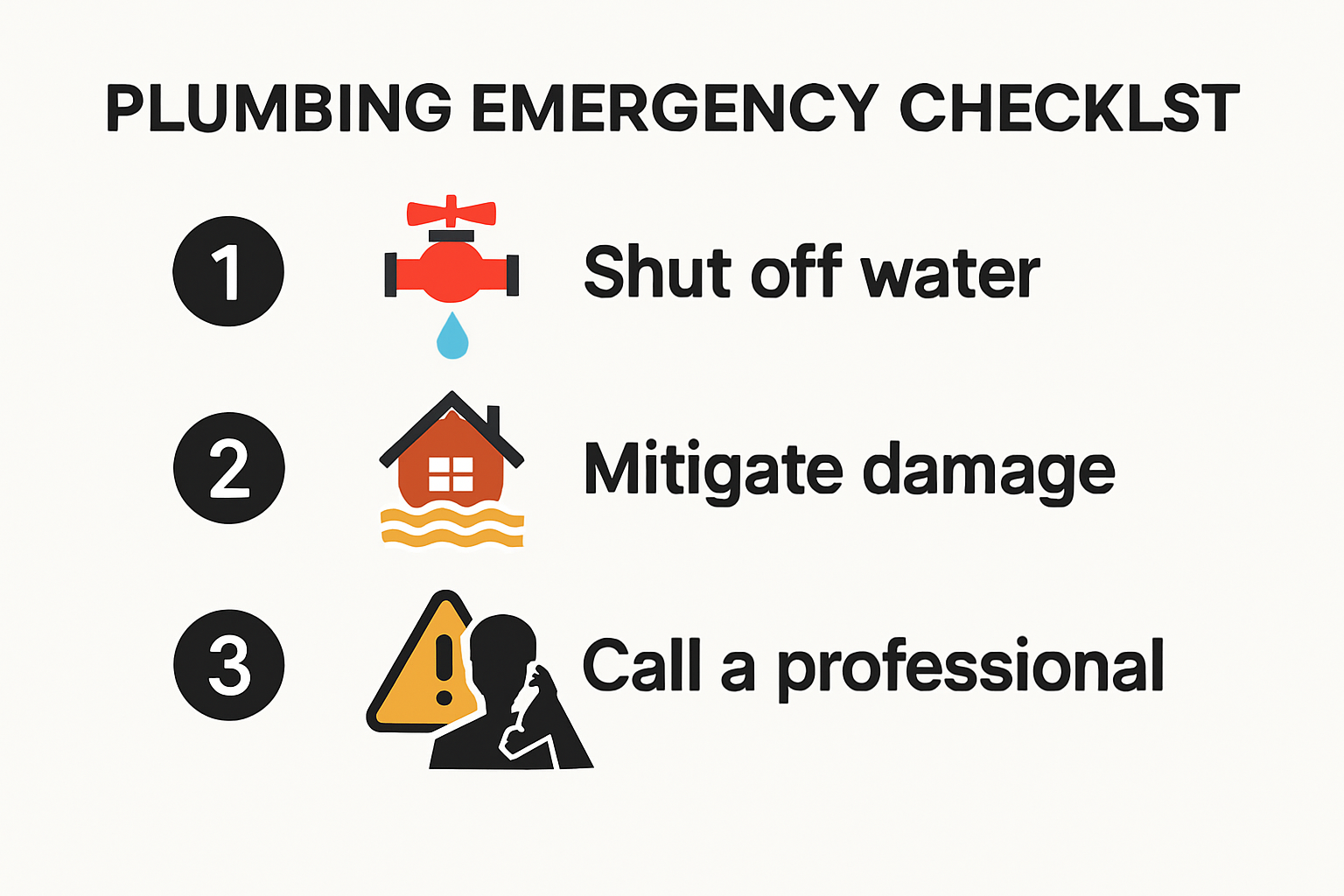
What to Do First in a Plumbing Emergency
When a plumbing emergency strikes, your immediate actions can mean the difference between a minor inconvenience and catastrophic water damage. Every second counts in preventing extensive property destruction and minimizing potential repair costs.
Locate and Shut Off the Water Supply
The first critical step in any plumbing emergency is stopping water flow immediately. Learn about our emergency response strategies and understand how quick action protects your home. According to home maintenance experts, you must locate your main water shut-off valve. This valve is typically found near the water meter, in the basement, or where the main water line enters your house.
Know your shut-off valve locations beforehand. For localized issues like a burst pipe under a sink, turn off the specific fixture’s water supply. If you cannot find a local valve or the problem seems widespread, immediately shut off the main house valve. This prevents additional water from entering the system and causing further damage.
Minimize Water Damage and Protect Your Property
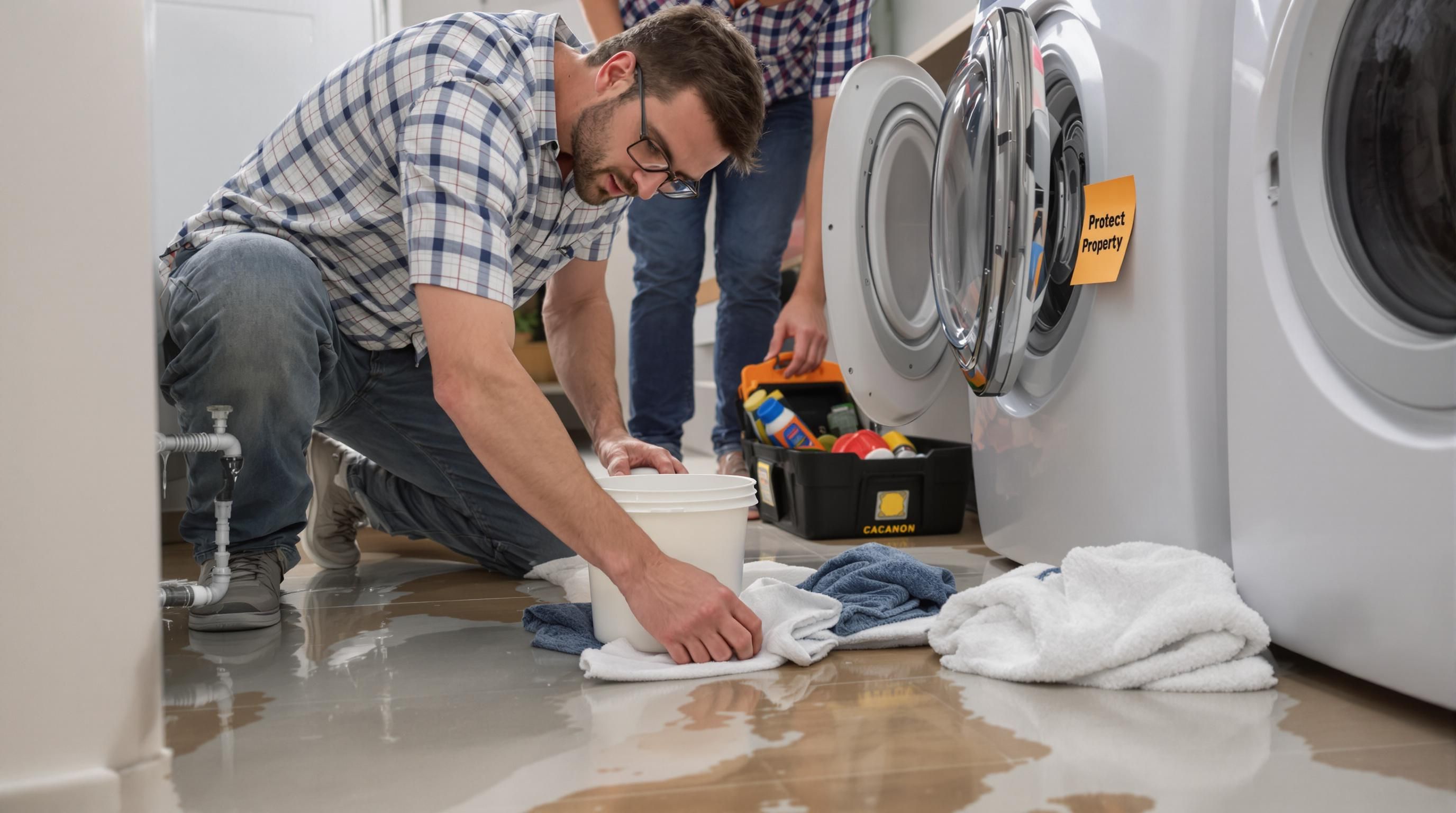
After stopping water flow, focus on containing and mitigating potential damage. Use towels, buckets, and plastic sheeting to protect floors, furniture, and electronics. Remove valuable items from the affected area to prevent water exposure. According to home safety research, quick intervention can significantly reduce repair costs and prevent long term structural issues.
Document the damage by taking clear photographs. These will be crucial for insurance claims and professional assessment. If water has spread to electrical areas, turn off electricity at the circuit breaker to prevent potential electrical hazards. Never attempt electrical work if standing water is present.
Contact Professional Emergency Plumbers
While managing immediate water control, contact professional emergency plumbers. Time is crucial in preventing extensive water damage and potential mold growth. Professional plumbers can quickly diagnose the issue, provide immediate repairs, and help you understand the root cause of the emergency.
When calling, provide specific details about the problem. Describe the type of issue water leak, burst pipe, sewage backup and any steps you have already taken. This helps plumbers prepare appropriate tools and understand the urgency of your situation.
Remember that plumbing emergencies are stressful, but staying calm and following these steps can protect your property and reduce potential long term damage. Always prioritize safety, act quickly, and trust professional emergency plumbing services to resolve complex issues efficiently.
Essential Plumbing Emergency Checklist for Homeowners
Preparing for potential plumbing emergencies is crucial for homeowners who want to protect their property and minimize potential damage. Explore our comprehensive emergency preparedness guide to stay one step ahead of potential plumbing disasters.
Key Emergency Preparedness Tools and Supplies
Every homeowner should maintain a dedicated plumbing emergency kit that includes essential tools and supplies. According to home maintenance experts, your emergency kit should include:
- Adjustable Wrench: Critical for shutting off water valves and making temporary repairs
- Pipe Repair Tape: Provides temporary sealing for minor leaks and pipe damage
- Bucket and Towels: For water collection and immediate cleanup
- Waterproof Flashlight: Essential for inspecting hard-to-see areas during emergencies
- Plumber’s Contact Information: Including emergency contact numbers for professional assistance
Additionally, Build.com recommends keeping a comprehensive inventory of your home’s plumbing infrastructure, including the locations of all shut-off valves, pipe materials, and potential weak points.
Here’s a quick-reference table of essential emergency preparedness tools and their purposes to help homeowners assemble an effective kit:
| Tool/Supply | Purpose |
|---|---|
| Adjustable Wrench | Shutting off valves and temporary pipe repairs |
| Pipe Repair Tape | Temporary sealing of small leaks and pipe cracks |
| Bucket and Towels | Collecting water and immediate cleanup |
| Waterproof Flashlight | Illuminating hard-to-see areas during plumbing emergencies |
| Plumber’s Contact Info | Quick access to professional help in urgent situations |
Regular Home Maintenance Checks
Preventative maintenance is your first line of defense against plumbing emergencies. Conduct regular inspections to identify potential issues before they escalate. Key areas to monitor include:
- Checking for visible pipe leaks and corrosion
- Inspecting under sinks and around appliances for moisture
- Testing water pressure and drain performance
- Examining washing machine hoses for wear and potential rupture points
- Verifying the condition of water heater connections
Before leaving for extended periods, Tom’s Guide suggests taking additional precautions such as turning off the main water supply and draining pipes to prevent potential water damage while you are away.
Creating an Emergency Response Plan
Develop a comprehensive emergency response plan that outlines clear steps for different scenarios. This plan should include:
- Precise locations of all water shut-off valves
- Emergency contact numbers for plumbers and insurance
- Step-by-step instructions for basic emergency interventions
- Insurance policy details and documentation procedures
Remember that while preparation is crucial, some situations require professional intervention. Always prioritize safety and do not hesitate to contact professional plumbers when facing complex or potentially dangerous plumbing emergencies. Your proactive approach can save significant time, money, and stress in the long run.
When to Call an Emergency Plumber Near You
Recognizing when a plumbing issue requires immediate professional intervention can save homeowners from extensive and costly damage. Learn about our rapid emergency response services to understand the critical moments that demand professional attention.
Urgent Plumbing Situations Requiring Immediate Professional Help
Some plumbing emergencies are clear indicators that you need to call a professional plumber immediately. According to professional plumbing associations, the following scenarios demand urgent professional intervention:
- Sewage Backups: Any indication of sewage backing up into your home represents a severe health hazard. Raw sewage contains dangerous bacteria and pathogens that can cause serious illness.
- Major Water Leaks: Significant water leaks that cannot be controlled by shutting off local valves require immediate professional assessment to prevent structural damage.
- No Water Pressure Throughout the House: Complete loss of water pressure might indicate a serious main line break or significant system failure.
- Burst Pipes: Extensive water flow from pipes that cannot be immediately contained represents a potential catastrophic damage scenario.
- Gas Line Concerns: Any suspicion of gas leaks requires immediate professional attention to prevent potential explosions or carbon monoxide risks.
The following table summarizes the most urgent plumbing situations requiring immediate professional help and their associated risks:
| Emergency Situation | Associated Risks |
|---|---|
| Sewage Backup | Health hazards from bacteria & pathogens |
| Major Water Leak | Structural and property damage |
| No Water Pressure (whole house) | Disrupted supply, indicates major failure |
| Burst Pipe | Catastrophic water damage |
| Gas Line Concern | Explosion or carbon monoxide risk |
Signs That Indicate Professional Intervention is Necessary
Not all plumbing issues are immediately apparent. Angi (formerly Angie’s List) recommends watching for subtle indicators that professional help is required:
- Persistent unusual sounds like gurgling, banging, or whistling from pipes
- Unexplained increases in water bills suggesting hidden leaks
- Recurring clogs that cannot be resolved through standard plunging or drain cleaning
- Visible pipe corrosion or extensive mineral buildup
- Water discoloration or unusual odors
- Multiple drains experiencing simultaneous slow drainage
Assessing the Urgency of Plumbing Emergencies
Determining whether a situation constitutes a true emergency requires careful evaluation. HomeAdvisor’s plumbing experts suggest considering these factors:
- Potential for immediate property damage
- Risk to personal health and safety
- Impact on essential home functions like water supply or sanitation
- Potential for rapidly escalating repair costs if not addressed quickly
While some minor issues can wait for standard business hours, significant problems require immediate professional attention. When in doubt, contact a professional emergency plumber who can provide immediate assessment and prevent potential catastrophic damage.
Remember that delaying professional intervention can transform a manageable issue into an expensive repair. Professional emergency plumbers have the expertise, tools, and experience to diagnose and resolve complex plumbing challenges quickly and effectively. Always prioritize safety and protect your home by seeking professional help when facing uncertain or potentially dangerous plumbing situations.
Steps to Prevent Future Plumbing Emergencies
Preventative maintenance is the most effective strategy for avoiding costly and disruptive plumbing emergencies. Discover our comprehensive home maintenance guide to keep your plumbing system in optimal condition.
Regular Inspection and Maintenance Protocols
Consistent monitoring of your home’s plumbing infrastructure is crucial for preventing potential emergencies. The U.S. Environmental Protection Agency emphasizes the importance of routine checks to identify and address potential issues before they escalate. Key areas to focus on include:
- Pipe Condition: Inspect visible pipes for signs of corrosion, small leaks, or mineral buildup
- Water Pressure: Monitor and maintain appropriate water pressure to prevent pipe stress
- Drainage Performance: Check for slow drains and address potential blockages early
- Appliance Connections: Examine washing machine, dishwasher, and refrigerator water lines for wear
- Water Heater Maintenance: Flush the water heater annually to remove sediment buildup
Implement a seasonal inspection schedule that covers both interior and exterior plumbing systems. This proactive approach can help identify potential weak points before they become major issues.
Protective Strategies for Your Plumbing System
Angie’s List plumbing experts recommend several protective measures to safeguard your home’s plumbing infrastructure:
- Install water leak detection systems that provide early warnings
- Use water softeners in areas with hard water to reduce mineral buildup
- Insulate pipes in unheated areas to prevent freezing during cold months
- Replace old pipes and fixtures before they reach the end of their functional lifespan
- Use drain strainers to prevent debris from entering and clogging pipes
Pay special attention to older homes, as aging plumbing systems are more prone to unexpected failures. Consider a professional plumbing assessment every few years to identify potential future problems.
Seasonal and Long-Term Plumbing Care
Different seasons present unique challenges for home plumbing systems. HomeAdvisor’s maintenance guide suggests tailored approaches for year-round protection:
- Winter: Protect pipes from freezing by insulating exposed pipes and maintaining consistent indoor temperatures
- Spring: Check for winter damage and address any issues caused by freeze-thaw cycles
- Summer: Inspect outdoor plumbing, irrigation systems, and potential water damage from increased usage
- Fall: Prepare plumbing for colder months by addressing potential vulnerabilities
Invest in professional preventative maintenance, which typically costs far less than emergency repairs. Regular check-ups can identify potential issues early, saving you significant time, money, and stress in the long run. Remember that most plumbing emergencies are preventable with proper care, attention, and proactive maintenance.
Frequently Asked Questions
What should I do first in a plumbing emergency?
In a plumbing emergency, immediately locate and shut off the main water supply to prevent further damage. Then, minimize water damage by using towels or buckets and contact a professional plumber for assistance.
How can I prepare for a plumbing emergency?
Prepare for a plumbing emergency by assembling an emergency kit that includes tools like an adjustable wrench, pipe repair tape, buckets, and contact information for professional plumbers. Regular home maintenance checks are also essential to catch potential issues early.
When should I call an emergency plumber?
Call an emergency plumber for serious situations such as sewage backups, burst pipes, major water leaks that cannot be controlled, or any suspected gas line issues. These situations require immediate professional intervention to avoid severe property damage or health risks.
How can I prevent plumbing emergencies in my home?
Prevent plumbing emergencies by conducting regular inspections and maintenance of your plumbing system, using protective strategies like leak detection systems, and being proactive during different seasons to address specific plumbing needs.
Fast Help for Plumbing Emergencies in Sacramento
Plumbing emergencies can happen at any moment. The article above shows how even a burst pipe or sudden leak can cause major stress and costly damage to your home. The checklist you just read is a smart way to prepare, but when water is pouring in or sewage backs up, you need experienced professionals who can step in right away. Not every emergency can be solved with towels and quick fixes. Real peace of mind comes from having a trusted team ready to respond 24/7.
Take action before small issues turn into disasters. Visit Legacy Plumbing & Drain Inc for Sacramento’s fastest emergency response and repairs. Our expert plumbers use advanced leak detection tools and proven repair solutions to protect your home from extensive water damage. If you notice warning signs like sudden drops in water pressure, unexplained water stains, or stubborn clogs, contact us now for immediate help. Secure your property and get back your peace of mind with one call to our professional team.