Drainage issues at home can turn a simple rainstorm into a homeowner’s nightmare and the Insurance Information Institute reports that water damage is among the most frequent and expensive home insurance claims. Most people expect flooding to come from dramatic disasters or burst pipes. Strangely enough, the real threat often comes from hidden everyday drainage problems quietly risking both your foundation and your finances.
Table of Contents
- What Are Common Drainage Problems At Home?
- Why Understanding Drainage Issues Is Important
- How Drainage Systems Work In Homes
- Key Concepts Of Home Drainage Issues
- Recognizing Signs Of Drainage Problems
Quick Summary
| Takeaway | Explanation |
|---|---|
| Identify standing water early | Recognize signs like pools of water to prevent basement flooding and structural damage. |
| Monitor for unusual vegetation | Watch for unexpected plant growth, which may indicate drainage issues below the surface. |
| Address foundation cracks promptly | Small cracks can lead to significant structural instability if not repaired quickly. |
| Maintain drainage systems regularly | Regular maintenance helps prevent blockages and ensures effective water management around your home. |
| Understand moisture risks | Persistent dampness can lead to mold, health issues, and environmental damage if left unaddressed. |
What Are Common Drainage Problems at Home?
Homeowners often encounter various drainage issues that can compromise their property’s structural integrity and create significant maintenance challenges. Understanding these common drainage problems is crucial for protecting your home from potential water damage and costly repairs.
Identifying Surface Water Drainage Challenges
Surface water drainage problems occur when rainwater or runoff cannot properly flow away from your property. The Environmental Protection Agency highlights that ineffective drainage can lead to multiple serious consequences. These challenges typically manifest through several key indicators:
- Standing water in yard or around foundation
- Soil erosion near house perimeter
- Muddy or consistently wet ground surfaces
- Unusual plant growth or moss development in specific areas
When surface water fails to drain efficiently, it creates pressure against your home’s foundation, potentially causing long term structural damage. This can result in basement flooding, foundation cracks, and compromised structural stability.
Underground Drainage System Complications
Beneath the surface, drainage problems can be even more complex and challenging to detect. Underground drainage issues often involve:
- Blocked or damaged underground pipes
- Tree root intrusion into drainage systems
- Improper pipe slope preventing water flow
- Sediment accumulation within drainage infrastructure
These underground complications can develop slowly, making early detection critical. Homeowners should pay attention to warning signs like unexplained moisture, unusual ground settlement, or persistent dampness in specific areas.
To help you quickly compare and understand the most common types of home drainage problems discussed in the article, the following table organizes their main characteristics and warning signs.
| Drainage Problem Type | Main Characteristics | Typical Warning Signs |
|---|---|---|
| Surface Water Drainage Challenges | Issues with rainwater or runoff not flowing away from property | Standing water, soil erosion, muddy ground, moss |
| Underground Drainage System Complications | Blockages, damage, or root intrusion in underground drainage | Unexplained moisture, ground settlement, dampness |
| Systemic Drainage Infrastructure Failures | Entire system failures due to poor design or maintenance | Persistent drainage issues throughout the property |
Systemic Drainage Infrastructure Failures
Comprehensive drainage problems extend beyond surface and underground issues. They can involve entire drainage system infrastructure failures. Critical factors contributing to these systemic challenges include:
- Inadequate initial property grading
- Poorly designed stormwater management systems
- Aging municipal drainage infrastructure
- Insufficient maintenance of existing drainage networks
Read more about how drains work in our comprehensive homeowner’s guide to better understand these complex systems and potential vulnerabilities.
Why Understanding Drainage Issues is Important
Homeowners who proactively understand drainage issues can save thousands of dollars in potential repair costs and protect their property’s structural integrity. Drainage problems are not merely inconvenient surface-level challenges but complex systems that can significantly impact a home’s long term value and safety.
Financial Impact of Drainage Neglect
According to the Insurance Information Institute, water damage represents one of the most frequent and expensive home insurance claims. Unaddressed drainage issues can lead to catastrophic financial consequences that extend far beyond simple repair costs.
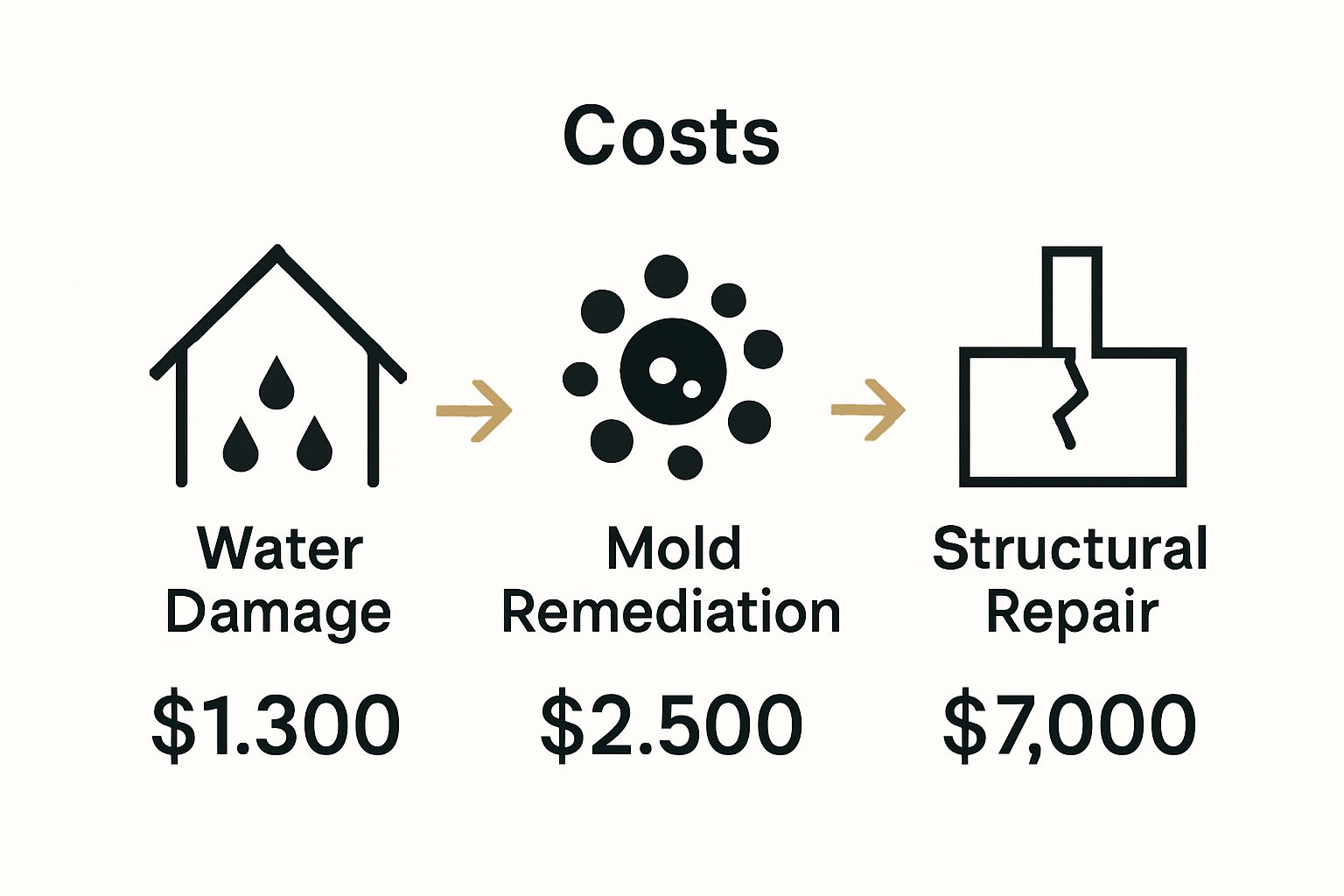 These potential expenses include:
- Foundation reconstruction
- Basement waterproofing
- Structural reinforcement
- Mold remediation
- Landscape restoration
Early detection and understanding of drainage problems can prevent these substantial financial burdens. Proactive homeowners who recognize warning signs and implement preventative measures can mitigate risks before they escalate into major structural challenges.
Health and Environmental Consequences
Beyond financial considerations, drainage problems pose significant health and environmental risks. Persistent moisture creates ideal breeding grounds for harmful microorganisms. Research from the Centers for Disease Control and Prevention demonstrates that prolonged moisture exposure can lead to serious health complications, including respiratory issues and allergic reactions.
Environmentally, poor drainage contributes to soil erosion, disrupts local ecosystems, and can negatively impact groundwater quality. Uncontrolled water runoff can carry pollutants, sediments, and chemical residues into broader environmental systems.
Structural Integrity and Property Value
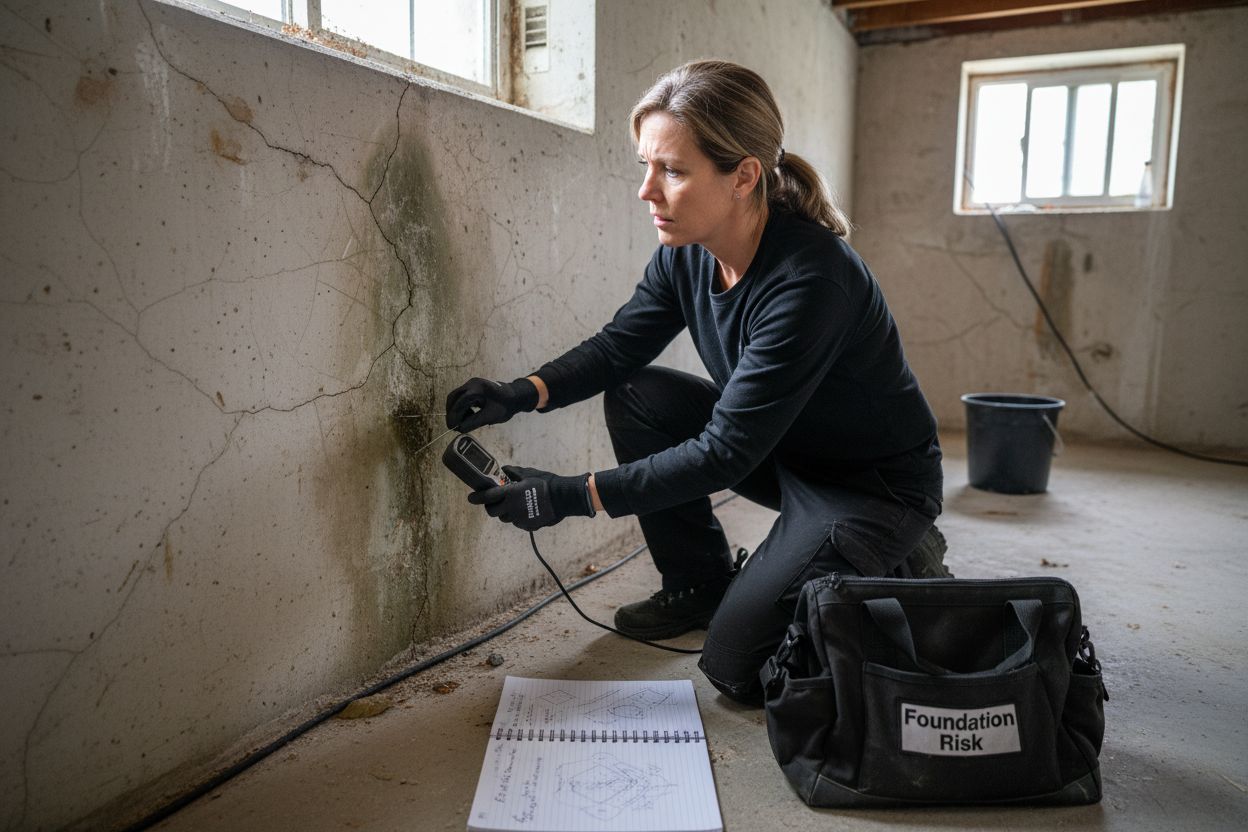
Drainage issues directly impact a home’s structural integrity and market value. Continuous water accumulation weakens building foundations, creates structural instabilities, and accelerates material degradation. Check out our comprehensive guide on drain maintenance to understand how proper drainage protects your most significant investment.
Key structural risks include:
- Foundation cracking
- Wall and floor structural weakening
- Potential basement flooding
- Compromised building insulation
- Increased risk of wood rot and material decay
By understanding drainage systems comprehensively, homeowners transform from reactive problem solvers to proactive property managers, ensuring long term home health and value preservation.
How Drainage Systems Work in Homes
Modern home drainage systems are sophisticated networks designed to manage water flow efficiently and protect structural integrity. These intricate systems involve multiple components working together to prevent water accumulation and potential damage.
Surface and Underground Water Management
The National Drainage Foundation explains that home drainage systems operate through gravity driven water management. Water moves through interconnected pathways designed to direct liquid away from critical structural areas. Key components of this system include:
- Roof gutters and downspouts
- Surface grading around home perimeter
- Underground pipe networks
- Drainage slopes and channels
- Soil absorption zones
The primary goal of these systems is to control water movement, preventing moisture from pooling near foundations or penetrating critical building structures. Each component plays a strategic role in redirecting water flow and maintaining structural protection.
This table summarizes the key components of a well-designed residential drainage system and their roles in managing water around the home.
| Component | Function or Description |
|---|---|
| Roof Gutters & Downspouts | Channel rainwater from roof to ground safely |
| Surface Grading | Slopes ground away from house to direct water runoff |
| Underground Pipe Networks | Carry water away from foundations through buried pipes |
| Drainage Slopes & Channels | Guide water flow efficiently through designated paths |
| Soil Absorption Zones | Allow water to soak into ground away from home |
Pipe Infrastructure and Water Redirection
Underground pipe systems form the backbone of home drainage infrastructure. These networks are meticulously designed to channel water away from buildings through a combination of gravity and precise engineering. Pipes are typically constructed with specific gradients that encourage natural water flow, preventing stagnation and potential backups.
Critical pipe system characteristics include:
- Consistent downward slope
- Smooth interior surfaces
- Strategic connection points
- Adequate diameter for water volume
- Resilient material composition
Learn more about drain maintenance techniques in our comprehensive guide to understand how professional interventions can optimize these complex systems.
Water Absorption and Environmental Integration
Effective drainage systems do more than redirect water they integrate with surrounding environmental landscapes. Soil composition, ground slope, and local vegetation play crucial roles in supporting water absorption and preventing runoff. Advanced drainage designs incorporate:
- Permeable ground surfaces
- Strategic landscaping
- Natural water retention zones
- Erosion prevention techniques
- Sustainable water management principles
By understanding these intricate mechanisms, homeowners can better appreciate the complex engineering behind effective drainage systems and take proactive steps to maintain their home’s water management infrastructure.
Key Concepts of Home Drainage Issues
Comprehending home drainage challenges requires understanding complex interactions between water, structural elements, and environmental conditions. These concepts go beyond simple water movement and involve intricate systems that protect residential infrastructure.
Hydraulic Flow Dynamics
According to the American Society of Civil Engineers, drainage systems operate through sophisticated hydraulic principles. Water flow in residential environments is governed by several critical dynamics:
- Gravity driven water movement
- Pressure differential mechanisms
- Surface tension interactions
- Ground permeability factors
- Topographical influences
Hydraulic flow determines how water travels through and around residential structures, directly impacting potential drainage complications. Understanding these dynamics helps homeowners predict and mitigate potential water management risks.
Soil and Ground Interaction Principles
Ground composition plays a fundamental role in drainage effectiveness. Different soil types interact uniquely with water, creating distinct challenges for residential drainage systems. Key soil interaction characteristics include:
- Clay soil water retention capabilities
- Sandy soil drainage potential
- Organic material water absorption rates
- Ground compaction effects
- Erosion susceptibility zones
Learn more about maintaining outdoor drainage systems to understand how ground conditions impact water management strategies.
Structural Vulnerability Assessment
Drainage issues are not isolated problems but interconnected challenges that can compromise entire residential structures. Critical structural vulnerability factors include:
- Foundation moisture sensitivity
- Load bearing capacity changes
- Material degradation rates
- Structural alignment shifts
- Thermal expansion impacts
Proper drainage assessment requires holistic evaluation of how water interactions potentially destabilize residential infrastructure. Homeowners must recognize that seemingly minor drainage problems can escalate into significant structural risks if left unaddressed.
Recognizing Signs of Drainage Problems
Early detection of drainage problems can prevent significant structural damage and costly repairs. Homeowners must develop a keen understanding of subtle indicators that suggest underlying drainage system challenges.
Visual Landscape Indicators
According to the National Association of Home Builders, landscape transformations often reveal critical drainage issues. Homeowners should monitor these key visual signals:
- Unexplained soggy or marshy ground patches
- Persistent standing water after rainfall
- Unusual vegetation growth patterns
- Soil erosion near foundation areas
- Sudden changes in ground elevation
These landscape modifications indicate potential underground water management challenges that require immediate professional assessment. Subtle shifts in terrain can signal complex drainage system disruptions.
Structural Warning Signals
Building structures communicate drainage problems through specific physical manifestations. Critical structural signs include:
- Hairline foundation cracks
- Basement wall moisture or discoloration
- Uneven floor surfaces
- Peeling paint or wallpaper
- Musty odors in enclosed spaces
Explore our comprehensive guide to understanding drain blockage signs to help identify potential drainage system complications early.
Drainage System Performance Indicators
Beyond visual and structural signals, drainage system performance provides crucial diagnostic insights. Advanced warning indicators encompass:
- Slow water drainage in sinks and showers
- Gurgling sounds in plumbing systems
- Recurring sewage odors
- Unexpected water pressure fluctuations
- Increased insect or pest activity near drainage areas
Recognizing these signs requires systematic observation and proactive monitoring. Homeowners who develop comprehensive awareness of drainage system behaviors can prevent potential catastrophic infrastructure failures, saving significant time and financial resources.
Protect Your Home from Costly Drainage Issues Today
Are you noticing soggy patches in your yard or unexplained cracks in your foundation? These are clear signs of drainage problems that can quickly escalate to expensive water damage and structural instability. The article highlighted just how surface water, underground pipelines, and poor grading can lead to stubborn issues like mold, erosion, and even a drop in your property value. When signs like musty odors, slow drains, or persistent moisture appear, waiting can make things worse and much more costly.
Stop drainage problems before they become emergencies. The experienced team at Legacy Plumbing & Drain Inc stands ready 24/7 to protect your home with expert diagnostics, fast solutions, and transparent service. Worried about maintenance or hidden system failures? You can trust our drain maintenance expertise to keep your home safe year-round. Take action now for peace of mind and lasting protection. Visit our main website or explore our drain cleaning vs drain clearing guide to get the answers and support you need today.
Frequently Asked Questions
What are the signs of drainage problems at home?
Common signs include standing water around the foundation, persistent wet spots in the yard, unusual vegetation growth, soil erosion, and structural indicators like hairline cracks in the foundation or moisture in the basement.
How can I prevent drainage issues in my yard?
You can prevent drainage issues by ensuring proper surface grading away from the foundation, maintaining gutters and downspouts, using permeable landscaping materials, and conducting regular inspections of underground drainage systems to identify blockages or damage.
What are the potential consequences of neglecting drainage problems?
Neglecting drainage problems can lead to significant financial impacts, including foundation repairs, mold remediation, and structural reinforcement, as well as environmental risks such as soil erosion and polluted water runoff.
How do I maintain my home’s drainage system effectively?
Regular maintenance of your home’s drainage system involves cleaning gutters and downspouts, checking for blockages in underground pipes, ensuring proper grading, and monitoring soil moisture levels around the property to address any issues promptly.
Recommended
- Drain Cleaning Vs. Drain Clearing: Which Do You Need?
- Essential Outdoor Drain Maintenance Tips For Homeowners – Legacy Plumbing & Drain – Emergency Plumbers Of Sacramento
- Understanding The Benefits Of Regular Drain Cleaning – Legacy Plumbing & Drain – Emergency Plumbers Of Sacramento
- Understanding Common Shower Plumbing Issues – Legacy Plumbing & Drain – Emergency Plumbers Of Sacramento