Shower plumbing problems can sneak up on even the most careful homeowners. You might expect the typical drip or clog, but did you know that even a small unchecked leak can waste up to 10,000 gallons of water in a single year. What most people never realize is that the biggest risks actually come from hidden damage that quietly eats away at your home’s structure before you ever see a single puddle.
Table of Contents
- What Are Common Shower Plumbing Issues?
- Why Understanding Shower Plumbing Matters
- The Mechanics Behind Shower Plumbing Systems
- Identifying Signs Of Plumbing Problems In Showers
- Real-World Impacts Of Ignoring Shower Plumbing Issues
Quick Summary
| Takeaway | Explanation |
|---|---|
| Address low water pressure issues immediately | Low water pressure can stem from mineral buildup, leaks, or damaged pipes. Resolving these quickly maintains comfort and prevents further complications. |
| Regularly inspect for drainage clogs | Hair and soap residue can block drains, leading to unpleasant odors and slow drainage. Routine checks can prevent significant disruptions. |
| Detect and repair leaks early | Leaks can cause severe structural damage and mold growth if ignored. Spotting them early can save costs and protect home health. |
| Prioritize plumbing knowledge for home maintenance | Understanding your plumbing system allows for proactive repairs, preventing minor issues from escalating into major problems and costly repairs. |
| Monitor for signs of water damage | Water stains, musty odors, and unusual sounds indicate plumbing problems. Monitoring these cues helps catch issues before they worsen. |
What Are Common Shower Plumbing Issues?
Shower plumbing issues can transform a relaxing daily routine into a frustrating experience. Homeowners frequently encounter several problematic scenarios that disrupt water flow, compromise shower functionality, and potentially lead to more significant home damage if left unaddressed.
The table below summarizes key types of common shower plumbing issues, their primary causes, and potential consequences as discussed in the article.
| Issue Type | Primary Causes | Potential Consequences |
|---|---|---|
| Water Pressure Problems | Mineral buildup, leaks, damaged pipes, faulty regulators | Diminished comfort, hidden system damage |
| Drainage and Clogging | Hair, soap residue, mineral deposits | Slow drainage, odors, blockages |
| Leak Detection | Deteriorating grout, damaged pans, worn seals | Mold, wood rot, structural damage |
| Fixture Malfunction | Defective cartridges, valves, seals | Inconsistent flow, temperature changes |
| Waste Management Failures | Blocked or poorly angled drainage pipes | Backflow, hygiene issues, water pooling |
Water Pressure Problems
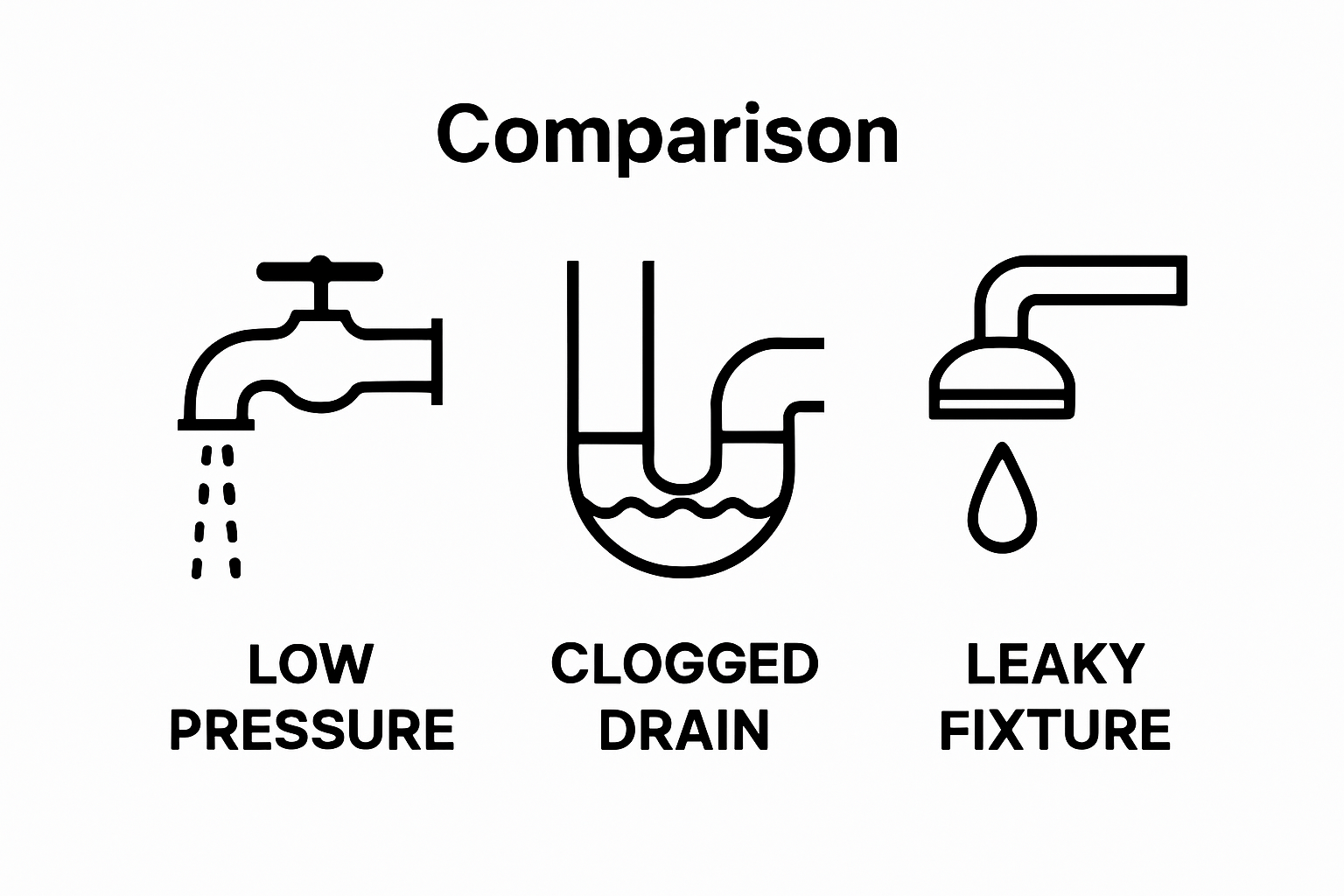
Water pressure issues represent one of the most prevalent common shower plumbing issues homeowners encounter. Low water pressure can result from multiple underlying factors, including:
- Mineral buildup inside shower fixtures
- Damaged or corroded pipes
- Hidden leaks within wall cavities
- Malfunctioning pressure regulators
These pressure problems not only diminish shower comfort but can signal more serious plumbing system complications. Understanding key plumbing basics becomes crucial in diagnosing and resolving these challenges.
Drainage and Clogging Challenges
Drainage problems constitute another significant category of shower plumbing issues. Hair, soap residue, and mineral deposits frequently accumulate in shower drains, creating stubborn blockages that impede water flow. According to American Water Works Association, residential plumbing systems lose substantial efficiency when drainage becomes compromised.
Typical drainage complications include:
- Slow water drainage
- Complete pipe blockages
- Recurring gurgling sounds
- Unpleasant sewage odors
Leak Detection and Structural Concerns
Shower leaks represent a critical plumbing issue that can cause extensive structural damage if not promptly addressed. These leaks may originate from multiple sources such as deteriorating grout, damaged shower pan, compromised pipe connections, or worn-out fixture seals. Water infiltration can lead to significant problems like mold growth, wood rot, and foundational damage, making early detection and professional intervention essential.
Why Understanding Shower Plumbing Matters
Plumbing systems are complex networks that require homeowners to be proactive and informed. Understanding shower plumbing goes far beyond simple maintenance it represents a critical strategy for protecting your home’s infrastructure, preventing costly repairs, and ensuring long-term residential comfort.
Financial Protection and Prevention
Knowledgeable homeowners can save substantial money by recognizing potential plumbing issues before they escalate. Early detection of shower plumbing problems can prevent minor complications from transforming into expensive repair projects. Explore essential plumbing tips for new homeowners to develop a strategic approach to home maintenance.
Significant financial risks associated with neglected shower plumbing include:
- Extensive water damage repairs
- Structural integrity compromises
- Potential mold remediation costs
- Decreased property value
Home Health and Safety Considerations
Shower plumbing systems directly impact household health and safety. Unaddressed plumbing issues can create environments conducive to harmful bacteria, mold growth, and potential structural deterioration. According to Environmental Protection Agency, moisture problems can lead to significant health risks and structural damage.
Key health considerations include:
- Preventing water contamination
- Reducing mold and mildew risks
- Maintaining proper sanitation standards
- Ensuring consistent water quality
Long-Term Home Maintenance Strategy
Comprehensive shower plumbing understanding transforms reactive maintenance into a proactive home care approach. Homeowners who invest time in learning about their plumbing systems can develop strategic maintenance routines that extend the lifespan of their fixtures, prevent unexpected breakdowns, and maintain optimal home functionality. Regular inspections, understanding warning signs, and knowing when to seek professional assistance are crucial components of responsible homeownership.
The Mechanics Behind Shower Plumbing Systems
Shower plumbing systems represent intricate networks of interconnected components designed to deliver consistent water flow, temperature control, and efficient drainage. Understanding these complex mechanical systems helps homeowners appreciate the sophisticated engineering that enables their daily comfort.
Water Supply and Pressure Dynamics
The fundamental mechanics of shower plumbing begin with water supply lines that transport water from the main municipal connection into individual residential fixtures. These supply lines utilize precise engineering principles to maintain consistent pressure and temperature. Check out our comprehensive homeowner plumbing guide to gain deeper insights into these intricate systems.
Key components governing water supply mechanics include:
- Pressure regulators
- Shut-off valves
- Water distribution pipes
- Temperature mixing valves
Fixture Configuration and Water Flow
Shower fixtures represent sophisticated mechanical assemblies engineered to control water flow, temperature, and direction. Modern shower systems incorporate multiple intricate components that work synchronously to deliver a seamless bathing experience. According to Plumbing Manufacturers International, contemporary shower systems integrate advanced technologies to optimize water usage and user experience.
Critical fixture mechanics encompass:
- Ceramic disc cartridges
- Pressure balance valves
- Thermostatic mixing mechanisms
- Flow restrictors
Drainage and Waste Management Systems
Behind the visible shower components lies an equally complex drainage system designed to efficiently remove water and prevent potential structural damage. These underground networks utilize gravity, precise pipe angles, and ventilation to ensure smooth water transportation away from the shower area. Drainage mechanics involve carefully calculated slope gradients, trap designs, and interconnected pipe systems that prevent backflow and maintain hygenic conditions.
Identifying Signs of Plumbing Problems in Showers
Recognizing early warning signs of shower plumbing issues is crucial for preventing extensive damage and costly repairs. Homeowners must develop a keen eye for subtle indicators that suggest underlying plumbing complications before they escalate into major structural problems.
Visual and Auditory Warning Signals
Visible changes in your shower environment often serve as the first indicators of potential plumbing issues. Unexpected discolorations, unusual sounds, and subtle texture changes can reveal critical system malfunctions. Learn more about emergency plumbing scenarios to understand the urgency of these warning signs.
Key visual and auditory indicators include:
- Water stains on walls or ceiling near shower area
- Persistent musty odors
- Unusual gurgling or bubbling sounds during drainage
- Visible mold or mildew growth
- Discoloration around fixtures and grout lines
Water Flow and Pressure Anomalies
Changes in water behavior provide critical insights into potential plumbing system problems. Inconsistent water temperature, reduced pressure, and unexpected flow variations can signal underlying mechanical issues. According to Environmental Protection Agency, even minor leaks can waste significant water volumes and indicate more serious plumbing complications.
Significant water flow indicators to monitor:
- Sudden drops in water pressure
- Inconsistent water temperature
- Slow drainage rates
- Unexplained increases in water bill
- Water discoloration
Structural and Moisture Damage Signals
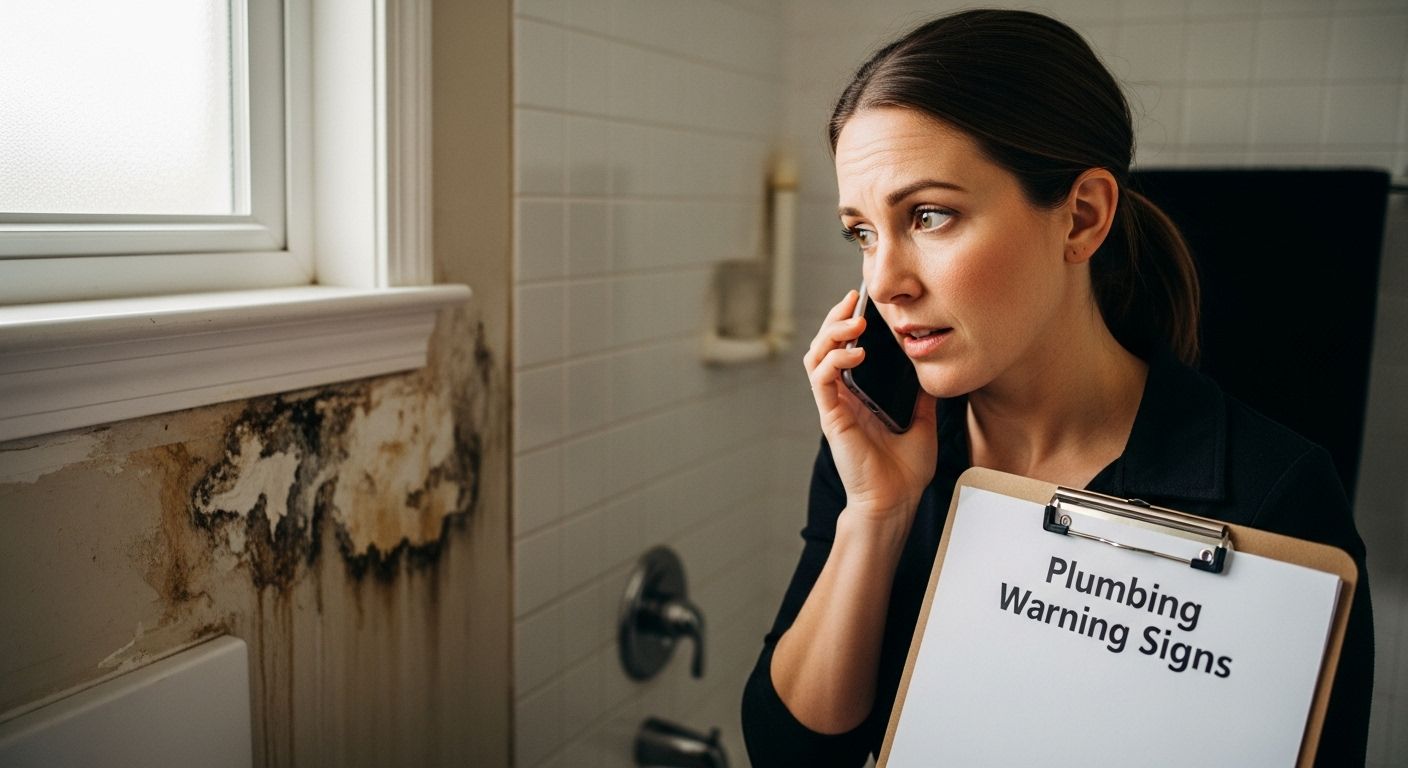
Beyond immediate plumbing components, shower problems manifest through broader structural changes. Homeowners should vigilantly observe surrounding surfaces for signs of water damage, which can indicate hidden plumbing issues. Moisture infiltration can compromise structural integrity, leading to extensive and expensive repairs if not addressed promptly. Subtle signs like peeling paint, warped flooring, or soft wall textures near the shower can reveal complex underlying plumbing challenges that require professional assessment.
Real-World Impacts of Ignoring Shower Plumbing Issues
Procrastinating on shower plumbing maintenance can transform minor inconveniences into catastrophic home disasters. Homeowners who overlook seemingly insignificant plumbing problems risk substantial financial, structural, and health consequences that extend far beyond simple repair costs.
Financial Consequences and Property Damage
Ignoring shower plumbing issues can lead to exponentially increasing repair expenses. What begins as a small leak or minor drainage problem can rapidly escalate into extensive water damage requiring comprehensive home restoration. Learn about critical bathroom remodeling considerations to understand the potential financial implications of neglected plumbing.
Potential financial risks include:
- Structural foundation repairs
- Comprehensive wall and flooring replacement
- Extensive mold remediation costs
- Significant decrease in property value
- Higher insurance premiums
Health Risks and Environmental Hazards
Unresolved shower plumbing problems create dangerous environments that compromise household health and safety. Persistent moisture generates ideal conditions for harmful microbial growth, potentially exposing residents to serious respiratory and allergic complications. According to Centers for Disease Control and Prevention, prolonged mold exposure can trigger significant health challenges.
Critical health risks associated with neglected plumbing include:
- Respiratory infections
- Allergic reactions
- Skin irritations
- Compromised immune system responses
- Potential neurological complications
Structural Integrity and Long-Term Home Sustainability
Persistent water intrusion from unaddressed shower plumbing issues gradually undermines a home’s fundamental structural components. Continuous moisture penetration weakens wooden frameworks, corrodes metal supports, and creates irreversible damage that compromises the entire building’s integrity.
This table outlines the main real-world impacts of ignoring shower plumbing issues by categorizing the risks into financial, health, and structural consequences, based strictly on the article’s content.
| Impact Category | Example Risks | Description |
|---|---|---|
| Financial Consequences | Foundation repairs, mold remediation, higher premiums | Costly repairs and decreased property value |
| Health and Environmental Hazards | Respiratory infections, mold exposure, allergic reactions | Increased illness and unsafe living conditions |
| Structural Integrity and Sustainability | Wood rot, corroded supports, building damage | Long-term damage and need for extensive repairs |
| What might initially seem like a minor leak can progressively destroy load-bearing structures, transforming a manageable repair into a comprehensive reconstruction project. Regular monitoring and proactive maintenance represent the most effective strategy for preserving your home’s long-term sustainability and protecting your significant investment. |
Take Control of Your Shower Plumbing Before Damage Grows
Are you dealing with low water pressure, hidden leaks, or worrying signs like musty odors and water stains? These common shower plumbing issues can quickly turn comfort into chaos, leading to costly repairs and potential health risks. Home maintenance is about more than quick fixes—it’s about protecting your home and peace of mind. If you want solutions that stop small problems from becoming big emergencies, Legacy Plumbing & Drain Inc is here to help.
Let our experienced team diagnose and repair hidden pipe leaks, clogged drains, or inconsistent water pressure before they cause further damage. We provide 24/7 emergency plumbing and expert repairs, so your home stays safe and sound. Don’t wait for a minor shower issue to become a financial burden or health concern. Visit Legacy Plumbing & Drain Inc now or contact us today for priority service. Your comfort and safety start with fast, professional solutions—choose Legacy to secure your home now.
Frequently Asked Questions
What are the common signs of shower plumbing issues?
Common signs include water stains on walls or ceilings, persistent musty odors, unusual gurgling sounds during drainage, visible mold or mildew growth, and discoloration around fixtures and grout lines.
How can I improve low water pressure in my shower?
To improve low water pressure, you can start by checking for mineral buildup in shower fixtures, inspecting for hidden leaks, and examining pressure regulators for malfunctions. Regular maintenance and occasional professional assessments are also advised.
What should I do if my shower is clogged?
If your shower is clogged, try using a plunger or a drain snake to remove the blockage. Additionally, avoid pouring harsh chemicals down the drain, as they can damage pipes. Regular cleaning of the drain can help prevent future clogs.
Why is it important to address shower plumbing issues promptly?
Addressing shower plumbing issues promptly is crucial to prevent extensive water damage, mold growth, and structural integrity compromises. Early intervention can save homeowners costly repairs and improve overall household health.
Recommended
- Plumbing Basics Homeowners Need In Sacramento And Nearby (2025)
- Common Kitchen Plumbing Issues Homeowners Face In 2025
- Top Plumbing Tips For New Homeowners In Sacramento Area 2025
- Common Kitchen Plumbing Issues Homeowners Face In 2025
- The Most Common Plumbing Emergencies
- Essential Emergency Plumbing Steps Every Homeowner Should Know – 8th Bend Plumbing Heating and Cooling