Plumbing can feel like a mystery for most homeowners in Sacramento, but knowing a little can save you a fortune on repairs. Here’s something that surprises many people. Household leaks waste nearly 10,000 gallons of water each year on average and most of these go unnoticed until it’s too late. Think calling a plumber is always the answer? Sometimes a five-minute fix and basic know-how can stop a disaster before it starts.
Table of Contents
- Understanding Plumbing Basics For Homeowners
- Common Plumbing Issues And Quick Fixes
- When To Call Emergency Plumbing Services
- How To Find Reliable Plumbers Near You
Quick Summary
| Takeaway | Explanation |
|---|---|
| Understand Your Plumbing System | Homeowners should familiarize themselves with the core components of their plumbing system, including the water supply and drainage subsystems, and know the location of the main shutoff valve to prevent water damage during emergencies. |
| Perform Regular Maintenance | Regular checks for leaks, proper water pressure, and drain care can prevent costly plumbing issues. Homeowners should monitor for signs of problems like stains or unusual noises and maintain hot water pipes for efficiency. |
| Recognize When to Call Professionals | Issues like persistent leaks, pressure fluctuations, or pipe damage indicate that homeowners should seek professional assistance to avoid escalation into significant problems. |
| Identify Emergency Situations | Emergencies, such as burst pipes and gas leaks, require immediate action. Knowing how to respond—like shutting off the main water valve—can minimize damage and protect safety. |
| Choose Plumbers Wisely | Homeowners should verify plumbers’ credentials, including licensing and insurance, research their reputation, and obtain detailed quotes to ensure they contract reliable services for repairs. |
Understanding Plumbing Basics for Homeowners
Every homeowner needs a fundamental understanding of plumbing to maintain their property effectively and prevent costly emergencies. Plumbing systems are complex networks of pipes, fixtures, and appliances that manage water supply and waste removal in your home. While professional help is often necessary for complex issues, knowing basic plumbing principles can save you time, money, and significant stress.
Core Components of Your Home Plumbing System
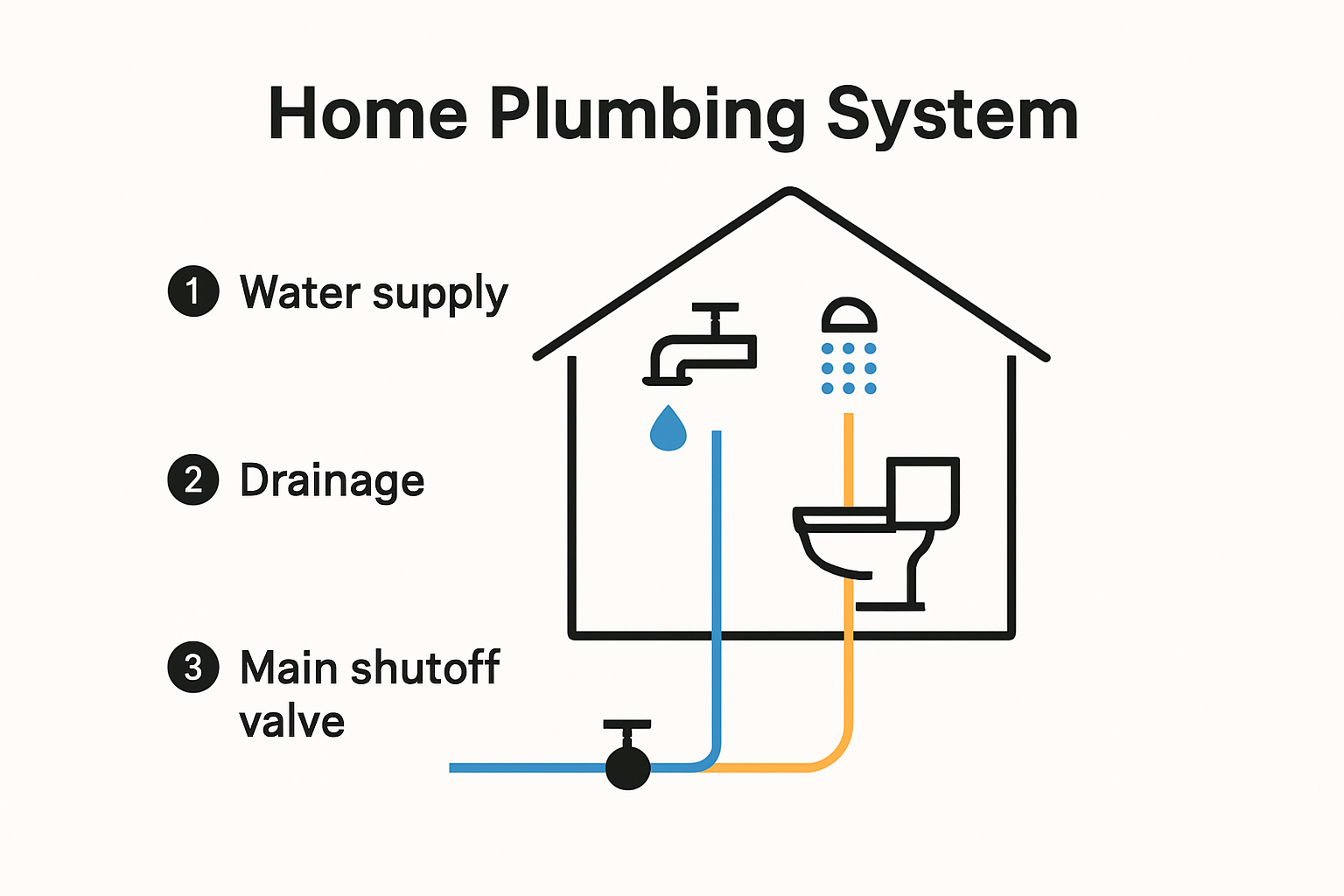
Your home’s plumbing system consists of two primary subsystems that work in tandem. The first is the water supply system, which brings fresh water into your home under pressure. This system includes pipes that connect directly to municipal water lines, delivering clean water to sinks, showers, toilets, and appliances. The second subsystem is the drainage system, responsible for removing wastewater from your home. These drainage pipes use gravity and carefully designed slopes to direct used water away from your property and into municipal sewer lines or septic systems.
The CDC highlights the importance of understanding your home’s water infrastructure, particularly for preventing potential contamination. Homeowners should know the location of their main water shutoff valve, which can prevent significant water damage during unexpected leaks or pipe failures. Typically, this valve is located near the perimeter of your home, often in the basement, crawl space, or near the water heater.
The following table summarizes the core components of a typical residential plumbing system and their main functions to help homeowners in identifying and understanding each part.
| Component | Purpose | Typical Location |
|---|---|---|
| Water Supply System | Delivers fresh water under pressure | Connects to municipal line, throughout home |
| Drainage System | Removes and directs wastewater | Under floors, walls, connects to sewer |
| Fixtures & Appliances | Use/distribute water (e.g., sinks) | Kitchens, bathrooms, utility rooms |
| Main Shutoff Valve | Stops water supply in emergencies | Basement, crawl space, near water heater |
| Hot Water Pipes/Heater | Supplies hot water to fixtures | Near heater, runs to bathrooms/kitchen |
Essential Plumbing Maintenance Practices
Regular maintenance is crucial for preventing plumbing issues. The U.S. Environmental Protection Agency recommends several water conservation and maintenance strategies that can help homeowners protect their plumbing systems. This includes checking for hidden leaks, maintaining proper water pressure, and being mindful of what goes down your drains.
One critical practice is monitoring your pipes for signs of potential problems. Look for indicators such as unexplained water stains, musty odors, reduced water pressure, or unusual sounds in your pipes. These could signal underlying issues like small leaks, pipe corrosion, or potential blockages. Additionally, the U.S. Department of Energy suggests insulating hot water pipes to reduce heat loss and improve overall system efficiency.
For Sacramento area homeowners seeking more comprehensive guidance, our emergency plumbing tips can provide additional insights into maintaining a robust home plumbing system. Understanding these basics empowers you to make informed decisions and potentially prevent minor issues from escalating into major, expensive repairs.
Common Plumbing Issues and Quick Fixes
Homeowners frequently encounter plumbing challenges that can range from minor inconveniences to potential home disasters. Understanding how to identify and address these common issues can save significant time, money, and stress. While some problems require professional intervention, many can be managed with basic knowledge and simple tools.
Below is a table summarizing common plumbing problems described in this article, their symptoms, typical causes, and suggested homeowner actions for Sacramento and nearby residents.
| Issue | Common Symptoms | Main Causes | Homeowner Action |
|---|---|---|---|
| Drain Clog | Slow drains, gurgling sounds | Hair, soap, food, grease | Use plunger/Mix baking soda & vinegar |
| Leaky Faucet | Dripping/small water pools | Worn washers or O-rings | Replace washer/O-ring |
| Running Toilet | Toilet flows non-stop/sounds | Faulty flapper, float issue | Inspect/replace internal parts |
| Low Water Pressure | Weak flow from fixtures | Aerator blockage, pipe leak | Clean aerator, check for leaks |
| Pipe Leak | Water stains, puddles, odors | Corrosion, loose connections | Monitor, call pro if persistent |
Identifying and Resolving Drain and Fixture Problems
Drain clogs represent one of the most frequent plumbing issues homeowners face. According to Today’s Homeowner, kitchen and bathroom drains are particularly susceptible to blockages caused by hair, soap residue, food particles, and grease. A plunger can often resolve minor clogs, while a mixture of baking soda and vinegar followed by hot water can help break down more stubborn blockages.
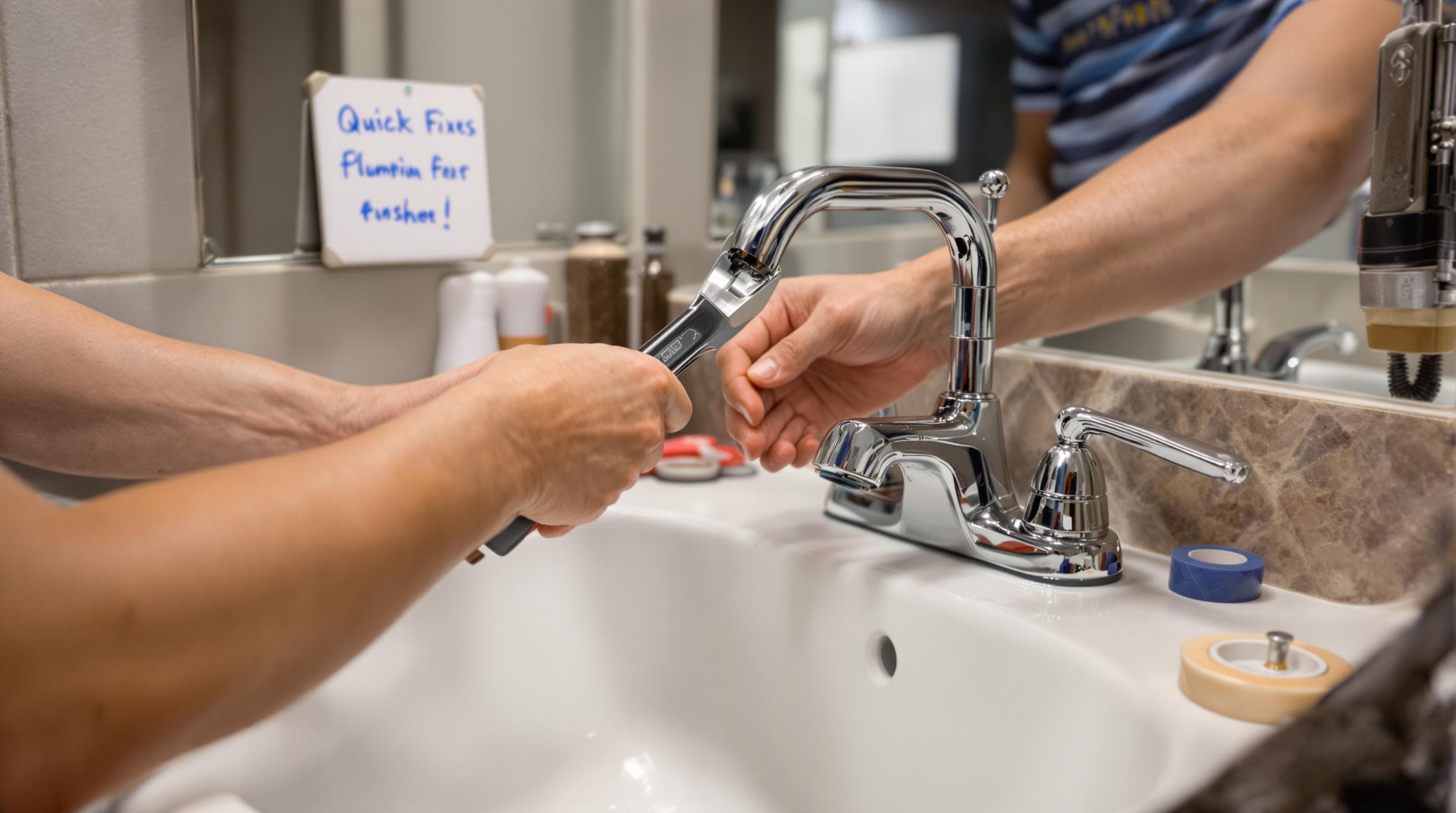
Leaky faucets are another common problem that can waste significant water and increase utility bills. Typically, these leaks result from worn-out washers or O-rings. Most homeowners can replace these components with basic tools like an adjustable wrench and replacement parts from a local hardware store. The U.S. Environmental Protection Agency estimates that household leaks can waste nearly 10,000 gallons of water annually, making prompt repairs crucial.
Toilet and Water Pressure Troubleshooting
Running toilets represent a persistent issue that can significantly increase water consumption. The problem often stems from a faulty flapper valve or misaligned float mechanism. Homeowners can typically diagnose and fix these issues by carefully inspecting the toilet tank and replacing worn components. Professional plumbers recommend checking the toilet’s internal mechanisms periodically to prevent ongoing water waste.
Water pressure problems can indicate more serious plumbing concerns. Sudden drops in water pressure might suggest pipe blockages, leaks, or mineral buildup in fixtures. While some minor pressure issues can be resolved by cleaning aerators or showerheads, persistent problems may require professional assessment.
When to Call a Professional
Some plumbing issues extend beyond simple DIY repairs. Warning signs that indicate the need for professional intervention include persistent leaks, significant water pressure fluctuations, unusual pipe noises, or visible pipe damage. Our emergency plumbing tips for Sacramento homeowners provide additional guidance on recognizing when a plumbing issue requires expert attention.
Remember that while minor repairs can be manageable, complex plumbing problems can quickly escalate. Regular maintenance, careful observation, and knowing your limits can help prevent small issues from becoming expensive home repairs. When in doubt, consulting a professional plumber ensures your home’s plumbing system remains functional and efficient.
When to Call Emergency Plumbing Services
Understanding when to call emergency plumbing services can mean the difference between a minor repair and a catastrophic home disaster. Not all plumbing issues require immediate professional intervention, but certain situations demand urgent attention to protect your property, health, and safety.
Critical Plumbing Emergencies That Require Immediate Action
Some plumbing emergencies pose immediate risks that cannot wait for standard business hours. Simply Green Plumbing identifies several scenarios that warrant immediate professional intervention. Burst pipes top this list, capable of releasing up to 200 gallons of water daily, which can cause extensive structural damage, promote mold growth, and destroy valuable home furnishings. Water damage can compromise your home’s foundation, electrical systems, and create long-term restoration challenges.
Gas leaks represent another critical emergency that demands instant professional attention. The National Fire Protection Association warns that gas leaks pose extreme risks of explosion and carbon monoxide poisoning. Recognizable signs include a distinctive sulfurous odor resembling rotten eggs, hissing sounds near gas lines, or visible damage to gas connections. If you detect these warning signs, evacuate immediately and contact emergency services.
Sewer and Water System Emergencies
Sewer system backups constitute another serious plumbing emergency that requires immediate professional intervention. Oceanic Services explains that multiple simultaneous drain clogs, water pooling around basement floor drains, and unusual gurgling sounds from plumbing fixtures can indicate a comprehensive sewer system failure. These situations not only disrupt your home’s functionality but also present significant health hazards due to potential sewage contamination.
Water main breaks or sudden loss of water pressure can also signal urgent plumbing problems. These issues might indicate significant underground pipe damage or municipal infrastructure problems. Homeowners should not attempt to diagnose or repair these complex systems independently.
When and How to Respond
Recognizing an emergency is just the first step. Knowing how to respond can minimize potential damage. If a pipe bursts, immediately shut off your home’s main water valve to prevent further flooding. For gas leaks, turn off the gas supply and evacuate the premises. Do not use electrical devices or create any potential spark sources.
Our emergency plumbing services in Sacramento are designed to provide rapid, professional response to these critical situations. While some homeowners might hesitate due to potential costs, the expense of emergency repairs pales in comparison to the potential destruction caused by unaddressed plumbing emergencies.
Remember, not all plumbing issues constitute emergencies. Minor leaks, slow drains, or non-critical fixture problems can typically wait for standard business hours. However, when in doubt, consulting a professional can provide peace of mind and potentially save thousands in repair costs.
How to Find Reliable Plumbers Near You
Choosing the right plumber is a critical decision that can significantly impact your home’s maintenance and repair outcomes. The process requires careful research, strategic evaluation, and understanding of key professional credentials that distinguish reputable service providers from unreliable contractors.
Verifying Professional Credentials
Forbes Home emphasizes the importance of thoroughly verifying a plumber’s professional credentials before hiring. State licensing is the first critical checkpoint. A valid professional license demonstrates that the plumber has undergone required training, passed comprehensive examinations, and meets minimum competency standards. In California, plumbers must be licensed by the Contractors State License Board, which provides an online verification system to check a contractor’s current status.
Insurance represents another crucial credential. Reputable plumbers should carry both general liability insurance and workers’ compensation coverage. This protection safeguards homeowners from potential financial risks associated with property damage or workplace injuries during plumbing projects. Request to see current insurance certificates and verify their validity with the issuing agency.
To help homeowners distinguish trustworthy professionals, here is a summary of key plumber credentials and consumer actions recommended in the content.
| Credential | Why It Matters | Homeowner Action |
|---|---|---|
| State License | Ensures training, competence & meets legal standards | Verify via CA License Board |
| General Liability Insurance | Protects against property damage | Request & confirm certificate |
| Workers’ Compensation Insurance | Covers worksite injuries | Request & confirm certificate |
| Online Reputation | Reflects customer satisfaction & reliability | Check Google, Yelp, review sites |
Researching Reputation and Experience
HomeAdvisor recommends a comprehensive approach to evaluating a plumber’s reputation. Online review platforms like Google, Yelp, and specialized contractor review sites offer insights into past customer experiences. Look for patterns in feedback rather than isolated reviews. Pay attention to how professionals respond to both positive and negative comments, which can reveal their commitment to customer satisfaction.
Experience matters significantly in plumbing services. While newer businesses can be competent, seasoned professionals often bring deeper technical knowledge and problem-solving skills. Ask about specific experience with issues similar to your own, and inquire about specialized training or certifications in advanced plumbing techniques.
Getting Comprehensive Quotes and Understanding Services
Obtaining multiple detailed quotes allows for meaningful comparison. A comprehensive quote should include labor costs, estimated materials, potential additional expenses, and projected timeline. The National Association of Home Builders suggests requesting itemized estimates that break down specific services and associated costs.
During quote consultations, ask probing questions about their approach to your specific plumbing challenge. Reliable professionals will provide clear explanations, demonstrate technical knowledge, and offer transparent communication. Be wary of dramatically low estimates, which might indicate subpar work or hidden additional charges.
Our local plumber near me service can provide immediate assistance and transparent pricing for Sacramento area homeowners. Remember that the cheapest option is not always the best. Prioritize quality, reliability, and comprehensive service over minimal upfront costs.
Ultimately, finding a trustworthy plumber requires patience, research, and a methodical approach. By carefully evaluating credentials, reputation, and service quality, homeowners can establish a reliable partnership with a professional who will protect their property’s plumbing infrastructure.
Frequently Asked Questions
What are the core components of a home plumbing system?
The core components of a home plumbing system include the water supply system, drainage system, fixtures and appliances, main shutoff valve, and hot water pipes and heater. These elements work together to deliver clean water and remove wastewater effectively.
How can I prevent plumbing issues in my home?
Regular maintenance is key to preventing plumbing issues. Homeowners should check for hidden leaks, ensure proper water pressure, and avoid putting inappropriate items down the drain. Insulating hot water pipes can also improve efficiency and reduce heat loss.
When should I call a professional plumber?
You should call a professional plumber for persistent leaks, significant water pressure fluctuations, unusual pipe noises, or visible pipe damage. These situations can indicate serious underlying issues that require expert attention.
What constitutes a plumbing emergency?
Plumbing emergencies include burst pipes, gas leaks, and sewer backups. These situations need immediate attention to prevent extensive damage to your home and ensure the safety of occupants.
Turn Plumbing Knowledge Into Real Peace of Mind in Sacramento
You have learned in this article how simple leaks and overlooked maintenance can spiral into water waste, costly damage, or even emergencies like burst pipes. As a Sacramento homeowner, you want safety and comfort for your family and a property free from unexpected disasters. If you are feeling uneasy about hidden leaks or persistent plumbing headaches, you deserve a solution you can truly trust.
Let our team at Legacy Plumbing & Drain Inc bridge the gap between plumbing basics and effective action. We offer 24/7 emergency response, licensed professionals, and expert help for every problem you face. If you have pressing concerns and need honest answers, discover how we can assist right away at our plumbing services page. Prevent small problems from turning into major headaches. Contact us today and experience the difference quality service makes for Sacramento homes.
Recommended
- What Causes Water Leaks? A Comprehensive Insight
- How To Address A Burst Pipe Causing Water Damage
- How Much Does Water Heater Replacement Cost? Best 10 Tips
- Find And Detect Water Leaks In Home Plumbing
- 21 Innovative Plumbing Business Marketing Strategies
- Home Safety Improvements 2025: Essential Updates for Secure Living – Disaster Victim Services | Helping You Recover After Disaster