

Kitchen plumbing troubles are far more common than people think. Nearly 60 percent of all residential drain problems start in the kitchen sink. Most folks blame greasy pans and food scraps for blockages, then rush for harsh drain cleaners and hope for the best. But here’s the twist. Many kitchen disasters start with tiny leaks or silent warning signs you would never notice—until your cabinets smell musty and the repairs cost a fortune.
Table of Contents
- Most Common Kitchen Plumbing Problems
- Causes And Warning Signs To Watch For
- Fast Solutions And When To Call A Pro
- Emergency Plumbing Help Near Sacramento
Quick Summary
| Takeaway | Explanation |
|---|---|
| Prevent Clogged Drains | Regularly avoid grinding inappropriate materials in garbage disposals and manage food debris to prevent kitchen sink blockages, which account for nearly 60% of residential drain problems. |
| Monitor for Leaks | Detect leaks early by observing subtle signs such as moisture discoloration, musty odors, and water stains to prevent extensive water damage and waste from leaky faucets. |
| Know When to Call a Pro | Recognize signs that require expert plumbing assistance, such as significant water leaks, sewage odors, or drastic pressure changes, to avoid costly damage from DIY attempts. |
| Prepare for Emergencies | Maintain an emergency plumbing kit and a documented emergency protocol to manage unexpected plumbing situations effectively and safely. |
| Perform Regular Maintenance | Conduct periodic checks and maintenance on appliances like garbage disposals and faucets to improve performance and identify potential issues before they escalate. |
Most Common Kitchen Plumbing Problems
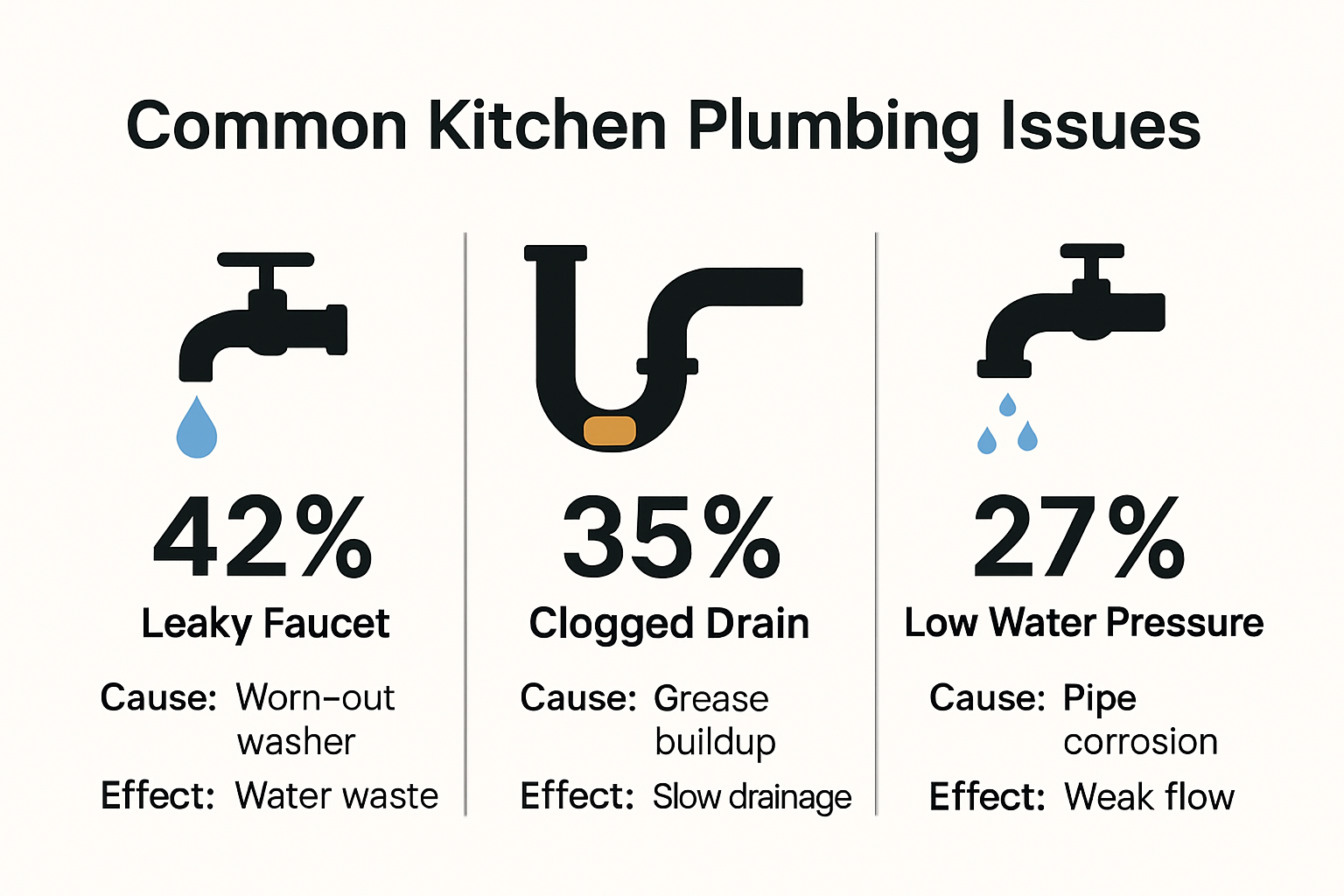
Kitchen plumbing problems can quickly transform a smoothly running household into a frustrating experience. Homeowners frequently encounter several critical issues that demand immediate attention and strategic resolution. Understanding these common challenges helps prevent potential water damage, costly repairs, and significant disruptions to daily life.
Sink and Drain Blockage Challenges
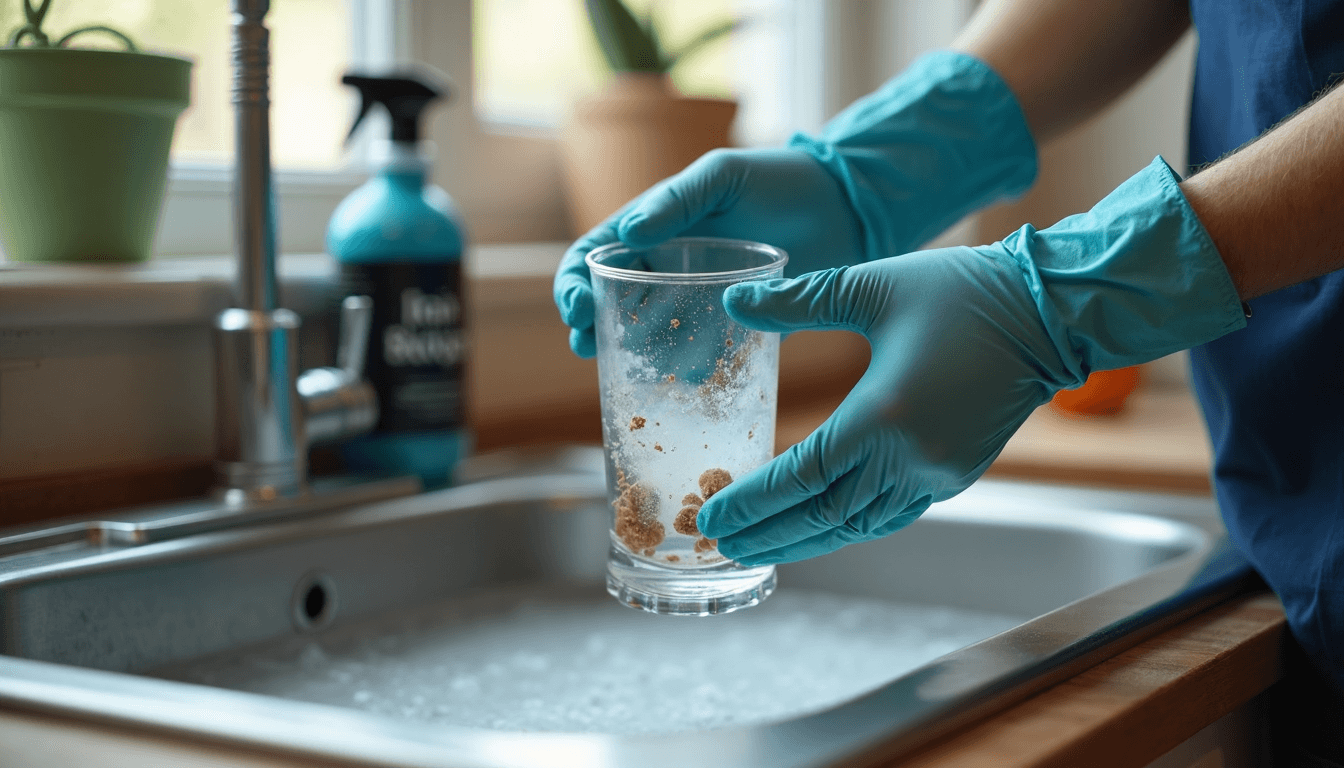
Clogged kitchen drains represent one of the most persistent plumbing nightmares for homeowners. According to Environmental Protection Agency research, kitchen sink blockages account for nearly 60% of all residential drain problems. These blockages typically result from accumulated food debris, grease buildup, and improper waste disposal practices.
Grinding inappropriate materials in garbage disposals significantly contributes to these issues. Hard food items like bones, coffee grounds, and fibrous vegetables can create immediate mechanical blockages. Grease presents an even more insidious problem – as it cools, it solidifies within pipe walls, gradually reducing water flow and creating potential rupture points. Learn more about preventing drain issues with our emergency plumbing guide.
Faucet and Fixture Leakage Problems
Leaky kitchen faucets might seem minor, but they represent substantial water waste and potential structural damage. United States Geological Survey data reveals that a single faucet dripping once per second can waste over 3,000 gallons annually. These seemingly insignificant leaks not only increase water bills but can also cause long-term damage to sink surfaces, cabinetry, and underlying structural elements.
Common causes of faucet leakage include worn rubber washers, corroded valve seats, and damaged O-rings. Mineral buildup from hard water can accelerate component deterioration, making regular maintenance crucial. Homeowners should monitor faucet performance and address even small drips promptly to prevent escalating repair costs.
Garbage Disposal Malfunctions
Garbage disposals represent complex kitchen plumbing systems prone to multiple failure points. Mechanical jams, electrical issues, and improper usage can render these appliances ineffective or completely non-functional. National Association of Home Builders research indicates that approximately 35% of garbage disposal failures stem from user error and lack of proper maintenance.
Preventative strategies include avoiding hard materials, running cold water during operation, and periodic professional inspection. Understanding your specific disposal’s capabilities and limitations helps extend its operational lifespan and prevents unexpected breakdowns. Regular cleaning and mindful usage can significantly reduce the likelihood of mechanical failures and costly replacements.
By recognizing these common kitchen plumbing challenges, homeowners can take proactive steps to maintain their plumbing infrastructure, minimize potential damage, and ensure smooth household operations.
To help visualize the most common kitchen plumbing issues and their contributing causes, here is a summary table of key problems, causes, and relevant statistics:
| Problem | Typical Causes | Relevant Statistic |
|---|---|---|
| Sink/Drain Blockages | Food debris, grease, improper disposal of hard/fibrous items | 60% of all home drain issues |
| Faucet & Fixture Leaks | Worn washers, corroded valve seats, mineral buildup, bad O-rings | 3,000+ gallons wasted/year |
| Garbage Disposal Malfunctions | User error, lack of maintenance, hard objects, electrical issues | 35% due to user error |
Causes and Warning Signs to Watch For
Recognizing early warning signs of kitchen plumbing issues can save homeowners significant time, money, and potential structural damage. Understanding the subtle indicators and root causes helps prevent minor problems from escalating into major plumbing emergencies.
Silent Water Damage Indicators
Water damage often begins imperceptibly, making early detection critical for protecting your kitchen infrastructure. Insurance Institute for Business and Home Safety research indicates that undetected leaks can cause substantial structural damage within weeks of initial occurrence. Homeowners should vigilantly monitor several key warning signs.
Subtle moisture indicators include discoloration around sink cabinets, unexplained musty odors, and slight warping of wooden surfaces. These seemingly minor signals can represent significant underlying plumbing problems. Soft or bubbling paint near sink areas, unexplained floor dampness, and persistent water stains frequently signal potential pipe leakage or seal deterioration.
Pipe and Connection Stress Signals
Pipe connections and joints represent vulnerable points in kitchen plumbing systems. American Society of Civil Engineers documentation reveals that approximately 40% of residential water infrastructure failures originate from connection points. Warning signs include visible corrosion, green or white mineral buildup around pipe joints, and intermittent water pressure fluctuations.
Additional stress indicators include unusual pipe noises like banging, whistling, or consistent dripping sounds. These auditory signals can indicate potential pipe misalignment, pressure inconsistencies, or developing blockages. Homeowners should pay attention to any changes in water temperature, unexpected pressure drops, or unusual sounds during water usage.
Appliance and Fixture Performance Warnings
Kitchen appliances and fixtures provide critical early warning signals about potential plumbing issues. Garbage disposals, faucets, and dishwashers can exhibit performance changes that indicate underlying problems. National Association of Home Builders research suggests that proactive monitoring of appliance performance can prevent up to 60% of potential plumbing failures.
Specific performance warnings include slow drainage in sinks, unusual gurgling sounds from garbage disposals, and inconsistent water temperature. Dishwashers that leave residue, produce strange odors, or fail to drain completely might signal broader plumbing system challenges. Discover emergency plumbing strategies for Sacramento homeowners to address these potential issues before they escalate.
By developing a keen understanding of these warning signs and their potential causes, homeowners can take preemptive action, protecting their kitchen infrastructure and avoiding costly, extensive repairs. Regular inspection, attentive monitoring, and prompt professional consultation remain the most effective strategies for maintaining a healthy plumbing system.
Here’s a quick checklist table summarizing key warning signs to watch for in your kitchen plumbing:
| Warning Sign | Possible Issue | Action Recommended |
|---|---|---|
| Discoloration & musty odors | Hidden leaks, water damage | Investigate, repair source |
| Banging/whistling pipes | Pressure fluctuations, misalignment | Inspect & adjust/consult pro |
| Green/white buildup on joints | Corrosion, mineral deposits | Clean, monitor or replace |
| Slow drainage | Blocked drain/pipe | Plunge/snake or call a plumber |
| Faucet drips/slow leaks | Worn washers, O-rings | Replace components |
| Unusual appliance noises | Developing blockages, malfunction | Troubleshoot or call technician |
| Unexpected floor dampness | Leak, failing seal | Find source, repair quickly |
Fast Solutions and When to Call a Pro
Kitchen plumbing problems can range from simple DIY fixes to complex issues requiring professional intervention. Understanding the difference between manageable home repairs and situations demanding expert attention helps homeowners save time, money, and prevent potential extensive damage.
Quick DIY Repair Strategies
Many minor kitchen plumbing issues can be resolved with basic tools and fundamental maintenance techniques. Home Depot DIY Experts recommend several straightforward solutions for common problems. Clogged sink drains often respond well to plunging or using a mixture of baking soda and vinegar to break down minor blockages. Leaky faucet washers can frequently be replaced with basic adjustable wrenches and replacement parts available at local hardware stores.
For garbage disposal maintenance, homeowners can reset the unit, manually rotate the internal mechanism using an Allen wrench, and carefully remove visible obstructions. Running cold water during disposal use and avoiding hard or fibrous materials helps prevent mechanical failures. Simple techniques like periodically cleaning disposal blades with ice cubes and rock salt can help maintain optimal performance and extend appliance longevity.
Intermediate Troubleshooting Techniques
Some plumbing challenges require more advanced diagnostic skills and specialized tools. Persistent low water pressure might indicate mineral buildup or hidden pipe damage. American Water Works Association suggests using pressure testing kits to identify potential systemic issues. Homeowners can check individual fixture aerators for blockages and carefully disassemble them to remove mineral deposits.
When experiencing recurring drainage problems, snake tools can help clear moderate blockages. However, repeated use of chemical drain cleaners is discouraged, as these can damage pipe infrastructure. Consumer Reports recommends mechanical removal methods over chemical solutions to protect long-term pipe integrity.
Professional Intervention Indicators
Certain warning signs definitively signal the need for professional plumbing services. Significant water leaks, extensive pipe corrosion, sewage odors, or dramatic water pressure fluctuations require immediate expert assessment. National Association of Home Builders research indicates that attempting complex repairs without proper expertise can lead to substantial additional damage.
Professional plumbers possess advanced diagnostic equipment to identify hidden issues within wall cavities and underground pipe systems. Discover our emergency plumbing strategies for swift professional intervention when kitchen plumbing problems exceed typical homeowner repair capabilities.
Ultimately, recognizing personal skill limitations and seeking timely professional assistance represents the most cost-effective approach to managing kitchen plumbing challenges. Homeowners who balance DIY maintenance with expert intervention can effectively protect their home’s critical water infrastructure.
Emergency Plumbing Help Near Sacramento
Kitchen plumbing emergencies can strike unexpectedly, transforming a peaceful home environment into a stressful situation. Sacramento homeowners require reliable, swift, and professional plumbing assistance to mitigate potential water damage and restore household functionality.
Identifying True Plumbing Emergencies
Not every plumbing issue constitutes an emergency, but certain situations demand immediate professional intervention. Sacramento County Public Works identifies critical scenarios requiring urgent attention. Significant water leaks that could compromise structural integrity, sewage backups creating health hazards, and complete loss of water functionality represent genuine emergencies.
Homeowners should recognize red flags such as rapidly spreading water damage, electrical risks near water sources, and potential contamination. Unexplained water pooling, sudden pressure drops, or mysterious moisture accumulation around kitchen areas signal potential catastrophic plumbing failures. Understanding these indicators helps residents make informed decisions about when to seek immediate professional assistance.
Local Emergency Plumbing Resources
Sacramento offers multiple resources for homeowners facing urgent plumbing challenges. City of Sacramento Water Conservation provides eligible low-income residents with free leak repair services, demonstrating the community’s commitment to proactive infrastructure maintenance. Local plumbing services specialized in emergency responses play a crucial role in preventing extensive property damage.
When evaluating emergency plumbing providers, homeowners should consider factors beyond immediate response time. Certification, professional licensing, comprehensive insurance coverage, and transparent pricing structures represent critical selection criteria. Explore our comprehensive emergency plumbing services to understand what distinguishes professional emergency intervention from standard repair work.
Preparing for Potential Plumbing Emergencies
Proactive preparation can significantly mitigate potential kitchen plumbing disasters. Homeowners should maintain an emergency kit containing essential tools like adjustable pipe wrenches, pipe tape, and emergency shut-off valve information. National Plumbing Foundation recommends creating a documented emergency protocol that includes local plumber contact information, insurance details, and step-by-step initial response guidelines.
Digital documentation proves invaluable during emergencies. Photographing existing plumbing configurations, maintaining digital records of past repairs, and keeping utility shut-off instructions accessible can expedite professional intervention. Modern homeowners benefit from smartphone apps and digital resources that provide immediate guidance during unexpected plumbing challenges.
Ultimately, Sacramento residents must recognize that timely, professional emergency plumbing assistance represents an investment in home protection. By understanding local resources, maintaining preparedness, and selecting qualified emergency service providers, homeowners can effectively manage and mitigate potential kitchen plumbing catastrophes.
Frequently Asked Questions
What are the common kitchen plumbing problems homeowners face?
Common kitchen plumbing problems include clogged drains, leaky faucets, and malfunctioning garbage disposals. Clogged drains are the most prevalent issue, often caused by food debris and grease buildup.
How can I prevent clogged kitchen drains?
To prevent clogged kitchen drains, avoid disposing of hard materials like bones and fibrous vegetables in your garbage disposal. Regularly clean sink strainers and manage food debris properly.
What are the signs of a hidden leak in my kitchen?
Signs of a hidden leak include discoloration around cabinets, musty odors, and water stains. If you notice any of these indicators, it’s essential to investigate promptly to prevent water damage.
When should I call a professional plumber?
Call a professional plumber when you experience significant water leaks, sewage odors, or drastic changes in water pressure. Attempting to fix complex issues without expertise can lead to more damage.
Tackle Kitchen Plumbing Problems With Sacramento’s Trusted Experts
Are you tired of dealing with leaky faucets, stubborn drain clogs, or worrying about water damage under your kitchen sink? If the silent warning signs from your kitchen plumbing are keeping you up at night, you are not alone. In 2025, Sacramento homeowners are facing more frequent kitchen issues due to hidden leaks, faulty garbage disposals, and blocked drains. These problems do more than disrupt your day. They threaten your home’s structure and your peace of mind. Immediate action can prevent small issues from turning into major emergencies.
Do not wait for a minor kitchen plumbing issue to become a costly disaster. The experienced team at Legacy Plumbing & Drain Inc is ready 24/7 to provide fast, dependable help with everything from emergency drain cleaning to major leak repairs. We offer honest advice, skilled technicians, and proven solutions so you can protect your home and enjoy hassle-free kitchen plumbing. Visit our website and reach out now for immediate service or to learn more about how we can solve your kitchen plumbing problems today.
Recommended
- Emergency Plumbing Tips For Sacramento Homeowners | Legacy Plumbing & Drain
- Citrus Heights 24-Hour Plumber | Immediate Plumbing Repair Services
- Roseville & Rocklin Emergency Plumbers | 24/7 Repairs Available
- Regular Plumbing Maintenance In Sacramento: Prevent Leaks & Emergencies | Legacy Plumbing & Drain
- Emergency Plumbing Tips: What To Do Before Help Arrives
- Common Myths About Plumbing Leaks & Why To Fix Them Quickly