Blocked drains might seem like nothing more than a household nuisance, but ignoring them can quickly snowball into bigger trouble. For instance, EPA research shows unresolved drain issues can lead to water damage that undermines your home’s very foundation. Most people worry about a little water pooling in the sink, but the real danger creeps in silently and causes expensive repairs you never saw coming.
Table of Contents
- What Are The Signs Of A Blocked Drain?
- Why Recognizing A Blocked Drain Is Important?
- How Blocked Drains Affect Your Home And Health
- Key Factors Leading To Blocked Drains
- Common Misconceptions About Blocked Drains
Quick Summary
| Takeaway | Explanation |
|---|---|
| Recognize early signs of blockages | Look for slow drainage or unusual gurgling sounds in your pipes to catch issues early. |
| Prevent costly damage | Address blockages promptly to avoid extensive and expensive repairs to your home’s structure. |
| Maintain household waste disposal | Be mindful of what goes down your drains; avoid grease, hair, and non-biodegradable materials to prevent clogs. |
| Be aware of health risks | Stagnant water from blockages can breed bacteria and molds, posing health threats to your family. |
| Seek professional help when needed | Contact plumbing experts as soon as you notice potential drainage issues to ensure proper management and prevention. |
What Are the Signs of a Blocked Drain?
Recognizing the early signs of a blocked drain is crucial for homeowners to prevent potential water damage and expensive plumbing repairs. A blocked drain can escalate quickly from a minor inconvenience to a significant problem if not addressed promptly.
Unusual Drainage Behavior
One of the most telling signs of a blocked drain is abnormal water flow. When water in your sink, shower, or bathtub drains unusually slowly or pools around your feet during a shower, it indicates a potential blockage developing in your pipes. This sluggish drainage occurs because something is obstructing the normal water passage, preventing quick and smooth flow.
Water backing up or gurgling sounds from drains are additional red flags. These noises suggest air is trapped in the pipes due to a blockage, creating pressure and preventing normal water movement. The gurgling sound happens when water tries to navigate around the obstruction, creating air pockets and unusual sound patterns.
Physical Indicators of Drain Blockages
Homeowners should pay attention to several physical signs that might indicate a blocked drain:
- Unpleasant odors emanating from sink or shower drains
- Visible water standing in sinks or showers after use
- Frequent toilet backups or water rising near drain areas
These indicators suggest potential blockages in your home’s drainage system. Read our guide on how drains work to understand the mechanics behind these warning signs.
Environmental and Structural Warning Signs
Beyond immediate drainage issues, blocked drains can manifest through broader environmental signals. Wet patches in your yard, unexplained moisture near pipe areas, or changes in lawn vegetation can indicate underground drainage problems. These symptoms suggest a blockage might be causing water to accumulate or leak in areas not immediately visible.
According to Environmental Protection Agency research, persistent drainage issues can lead to structural damage if left unaddressed. Water accumulation can weaken foundations, create mold environments, and compromise your home’s structural integrity.
Quick identification and professional intervention are key to preventing extensive damage and costly repairs.
To help readers understand the main signs of a blocked drain, the table below summarizes the different warning signals and what they typically indicate.
| Sign or Indicator | Description | What It Suggests |
|---|---|---|
| Slow drainage | Water empties slowly from sink, tub, or shower | Developing blockage in pipes |
| Gurgling noises | Unusual sounds from drains when water is running | Air trapped due to obstruction |
| Standing water | Water remains in sink or shower after use | Partial or full drain blockage |
| Unpleasant odors | Smells coming from drains | Organic matter trapped and decomposing |
| Frequent toilet backups | Toilets frequently fail to flush properly | Obstruction in drain or sewer line |
| Wet patches indoors/outdoors | Moisture near pipes, walls, or in yard | Possible underground or hidden blockage |
| Changes in lawn vegetation | Patches of lush or dying grass above drain lines | Leaking or blocked underground pipe |
Why Recognizing a Blocked Drain Is Important?
Understanding the critical importance of identifying blocked drains goes beyond mere household maintenance. Blocked drains represent a significant potential threat to your home’s structural integrity, health, and financial well-being.
Financial and Property Protection
Ignoring drainage issues can lead to substantial financial consequences. Minor blockages that seem inconsequential can rapidly transform into expensive repair scenarios. Water damage from persistent drain blockages can compromise your home’s foundation, walls, and flooring. The cost of repairing structural damage often far exceeds the expense of early drain maintenance and professional intervention.
Homeowners should recognize that water damage can depreciate property value and potentially invalidate home insurance claims if negligence is proven. Learn more about drain maintenance strategies to protect your property investment.
Health and Sanitation Risks
Blocked drains create environments that pose serious health hazards. Stagnant water becomes a breeding ground for harmful bacteria, mold, and potential pathogens. These microorganisms can trigger significant health problems, especially for individuals with respiratory conditions or compromised immune systems.
Key health risks associated with blocked drains include:
- Increased risk of respiratory infections
- Potential skin irritations and allergic reactions
- Higher probability of attracting pest infestations
- Potential contamination of living spaces
According to Centers for Disease Control research, unaddressed drainage issues can create environments conducive to microbial growth and potential disease transmission.
Environmental and Systemic Impact
Beyond individual home concerns, blocked drains contribute to broader environmental challenges. Improper drainage can cause sewage overflow, contaminate local water systems, and create ecological disruptions. The environmental consequences extend beyond immediate residential spaces, potentially affecting community water resources and natural ecosystems.
Recognizing and promptly addressing drain blockages is not just a personal responsibility but a community and environmental consideration. Professional intervention ensures not only your home’s safety but also contributes to broader environmental preservation efforts.
How Blocked Drains Affect Your Home and Health
Blocked drains represent more than just a plumbing inconvenience. They are complex problems that can rapidly compromise both your living environment and personal well-being, creating cascading challenges that extend far beyond simple water flow disruption.
Structural Damage Potential
Water damage from blocked drains can systematically deteriorate your home’s foundational integrity. When drainage systems become obstructed, water cannot flow efficiently, leading to potential pressure buildup and unexpected leakage points. This trapped moisture can gradually weaken structural elements, causing wood rot, metal corrosion, and concrete degradation.
The continuous moisture creates an ideal environment for long-term structural compromise. Walls, floors, and underlying building materials absorb this excess water, which can lead to warping, weakening, and potential total structural failure if left unaddressed.
 Contact our emergency plumbers for rapid intervention when you suspect significant drainage issues.
Health Risks and Contamination
Blocked drains generate significant health hazards through microbial proliferation and contamination pathways. Stagnant water becomes a breeding ground for dangerous microorganisms, creating potential transmission vectors for various diseases.
Significant health risks include:
- Bacterial growth leading to potential gastrointestinal infections
- Mold spore generation causing respiratory complications
- Parasitic organism multiplication
- Increased allergen production in living spaces
According to World Health Organization research, stagnant water environments can rapidly become complex ecosystems supporting multiple pathogenic organisms.
Long-Term Environmental Impact
Beyond immediate residential concerns, blocked drains contribute to broader environmental challenges. Sewage overflow and improper drainage can contaminate local water systems, disrupt ecological balances, and create significant community health risks.
The interconnected nature of drainage systems means that individual blockages can have widespread consequences. Unresolved drain issues potentially impact groundwater quality, soil composition, and local ecosystem stability. Professional drainage management becomes not just a personal responsibility but a community environmental consideration.
Addressing drain blockages promptly requires comprehensive understanding, professional expertise, and proactive maintenance strategies.
Key Factors Leading to Blocked Drains
Understanding the underlying causes of drain blockages is crucial for preventing potential plumbing emergencies. Multiple interconnected factors contribute to drain obstructions, each presenting unique challenges for homeowners and requiring specific preventative strategies.
Household Waste and Improper Disposal
Kitchen and bathroom waste represent primary contributors to drain blockages. Grease, food particles, hair, soap residue, and other organic materials gradually accumulate inside pipe systems, creating progressive buildup that restricts water flow. These substances do not simply wash away but can solidify and create complex obstructions that become increasingly difficult to remove.
Homeowners often underestimate how quickly seemingly harmless materials can transform into significant blockage risks. Cooking oils, when poured down drains, cool and solidify, creating sticky barriers that trap additional debris. Similarly, hair and personal care products form complex matrices that can completely seal drainage pathways. Learn more about drain maintenance strategies to understand proper waste management techniques.
External Environmental Factors
External environmental elements play a significant role in drain blockages. Tree root intrusion represents a particularly challenging issue for underground drainage systems. Root systems naturally seek moisture and can gradually penetrate pipe joints, creating substantial structural disruptions.
Key environmental blockage factors include:
- Soil composition and drainage landscape
- Underground water table fluctuations
- Proximity of mature trees to drainage infrastructure
- Local geological conditions
- Seasonal temperature variations
According to Environmental Protection Agency research, understanding localized environmental conditions is critical in predicting and preventing drainage system complications.
Structural and Infrastructure Challenges
Building age, pipe materials, and original installation quality significantly impact drainage system performance. Older homes frequently have outdated plumbing infrastructure more susceptible to blockages. Pipes constructed from materials like cast iron or clay are particularly vulnerable to corrosion, structural degradation, and potential collapse.
Microscopic imperfections in pipe surfaces can trap debris, creating initial blockage points that progressively worsen. Pipe misalignment, improper gradient, or historical settlement can create areas where waste accumulates more readily, transforming minor irregularities into significant drainage challenges.
Proactive assessment and periodic professional inspection remain the most effective strategies for maintaining optimal drainage system health.
The following table illustrates the main causes of drain blockages, categorizing them by type and summarizing their impact, to clarify how homeowners can better prevent issues.
| Cause Category | Examples | How It Leads to Blockage |
|---|---|---|
| Household Waste | Grease, food particles, hair, soap scum | Buildup inside pipes restricts flow |
| External Environmental | Tree roots, soil composition, water table | Root intrusion, ground shifting disrupts pipes |
| Structural/Infrastructure | Old pipes, poor installation, corrosion | Degraded or misaligned pipes trap debris |
| Improper Disposal | Cooking oils, flushable wipes | Materials solidify or fail to break down |
| Seasonal/Geological | Temperature changes, local conditions | Expansion, contraction, shifting, clogs |
Common Misconceptions About Blocked Drains
Homeowners often harbor numerous misunderstandings about drain blockages that can lead to costly mistakes and potentially significant plumbing complications. Dispelling these myths is crucial for maintaining effective drainage systems and preventing long-term damage.
Myths About DIY Drain Clearing
Chemical drain cleaners are not the universal solution many people believe them to be. While these products promise quick fixes, they frequently cause more harm than good. The harsh chemicals can corrode pipe materials, creating microscopic weaknesses that ultimately accelerate pipe degradation.
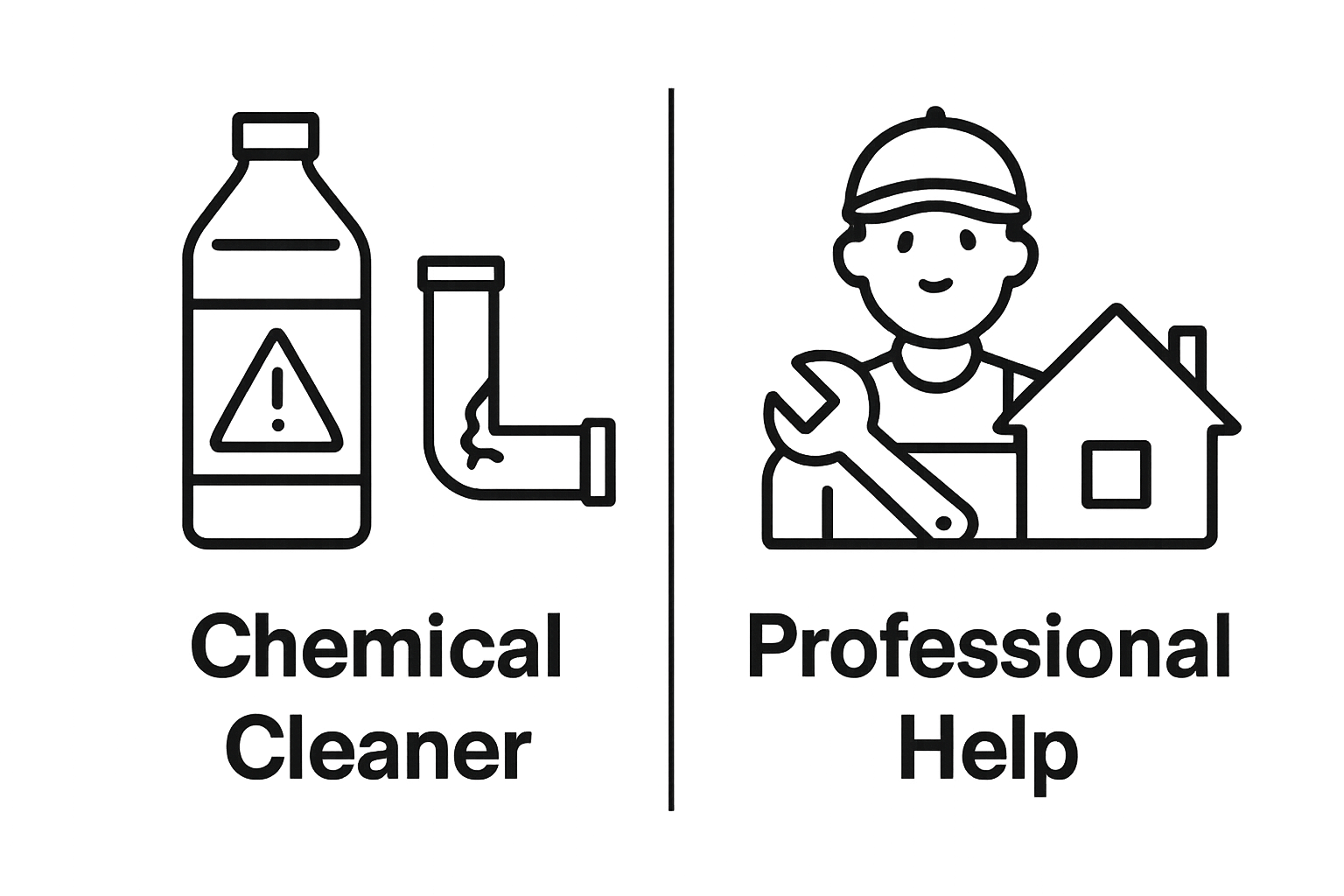 Prolonged use can compromise the structural integrity of your entire plumbing system, leading to more extensive and expensive repairs.
Many homeowners mistakenly assume that a temporarily cleared drain means the underlying issue has been resolved. In reality, these chemical treatments often merely push blockages further into the system, creating more complex obstructions. Learn more about professional drain maintenance to understand the limitations of DIY solutions.
Misconceptions About Drain Compatibility
A dangerous misconception persists about what can be safely disposed of through household drains. Many people believe that if a substance appears liquid or can be momentarily flushed, it is harmless to the drainage system. This belief leads to significant blockage risks.
Common mistaken beliefs include:
- Cooking grease can be washed down the sink if hot water is used
- All paper products are flushable
- Small food particles cannot cause significant blockages
- Chemical cleaners resolve all drainage problems
- Minor drainage slowdowns are not serious issues
According to Environmental Protection Agency research, many household practices directly contribute to drainage system failures, with seemingly innocuous actions creating cumulative damage.
Professional vs. Popular Understanding
Perhaps the most pervasive misconception is that drain blockages are always immediately visible or dramatic. In reality, drainage issues often develop gradually, with subtle signs that homeowners might overlook. Small changes in water flow, minor gurgling sounds, or slight odors can indicate developing blockages long before a complete system failure occurs.
Professional plumbers understand that drainage systems are complex networks requiring specialized knowledge. What appears to be a simple blockage might represent a symptom of more significant underlying structural or environmental issues. Homeowners who rely solely on surface-level observations risk missing critical early warning signs of potential drainage system failures.
Comprehensive understanding and proactive professional assessment remain the most effective strategies for maintaining healthy drainage infrastructure.
Restore Confidence in Your Home’s Plumbing—End Blocked Drain Worries Today
If you have ever faced the frustration of foul odors, water backing up, or slow drains, you know the stress that comes with a blocked drain. These warning signs are more than a simple inconvenience—they signal risks to your home’s health, comfort, and value. Understanding the signals early is only the first step. Now is the time to protect your property with professional help from a team that knows exactly how to solve these problems.
Trust Legacy Plumbing & Drain Inc for expert solutions that keep your drains clear and your home safe. Our 24/7 specialists use proven strategies to address everything from minor blockages to urgent water damage emergencies. Stop a small drain issue from turning into a big headache—visit our landing page to book fast, reliable service now and secure true peace of mind for your family.
Frequently Asked Questions
What are the early signs of a blocked drain?
Early signs of a blocked drain include unusual drainage behavior such as slow water flow, gurgling sounds, unpleasant odors, and visible standing water in sinks or showers.
How can I prevent blockages in my drains?
Prevent drain blockages by properly disposing of waste, avoiding pouring grease down the sink, and regularly cleaning drain covers to catch debris like hair and soap scum.
Why is it important to address blocked drains quickly?
Addressing blocked drains quickly is crucial to prevent extensive water damage, health risks from stagnant water, and potentially costly repairs to your plumbing infrastructure.
What should I do if I suspect I have a blocked drain?
If you suspect a blocked drain, consider using a plunger or a plumbing snake for minor issues. For significant blockages, it’s best to contact a professional plumber for a thorough inspection and repair.
Recommended
- Drain Cleaning Vs. Drain Clearing: Which Do You Need?
- How Drains Work: Guide For Sacramento Area Homeowners 2025 – Legacy Plumbing & Drain – Emergency Plumbers Of Sacramento
- Drain Cleaning Vs. Drain Clearing: Which Do You Need?
- What Is Drain Cleaning? Homeowners’ Guide For 2025 – Legacy Plumbing & Drain – Emergency Plumbers Of Sacramento
- Essential HVAC Drain Line Maintenance for Homeowners – HVAC Service and Repair | Louisville, KY | Project Heating & Cooling