
Old water pipes might seem like a hidden part of your home, but their condition could affect everything from water quality to your wallet. You may expect small upgrades or quick fixes to do the trick. Surprisingly, repiping can actually increase your home’s value and slash future repair costs far more than most people think. Here is what makes a full repiping so much more crucial than it first appears.
Table of Contents
- What Is Repiping and Why Is It Necessary?
- The Benefits of Repiping Your Home
- Understanding Different Types of Pipes Used in Repiping
- How Repiping Influences Your Home’s Plumbing System
- Signs That Indicate Your Home Needs Repiping
Quick Summary
| Takeaway | Explanation |
|---|---|
| Repiping improves water quality and safety | Replacing old pipes eliminates risks like lead contamination and bacteria, ensuring clean drinking water for your family. |
| Key signs indicate need for repiping | Look for rust-colored water, leaks, or reduced pressure, which may signal older pipes require replacement. |
| Investing in modern pipes is financially beneficial | Upgrading to durable materials can decrease repair costs and enhance your home’s market value over time. |
| Choose the right pipe material for your needs | Understanding different materials like copper and PEX helps ensure long-lasting plumbing systems tailored to your household. |
| Repiping can prevent costly plumbing emergencies | Proactively addressing plumbing issues through repiping reduces the risk of future expensive repairs and water damage. |
What is Repiping and Why Is It Necessary?
Repiping represents a comprehensive home plumbing renovation process where all existing water pipes are systematically replaced with new, modern piping materials. Homeowners typically undertake this significant home improvement project when their current plumbing system develops persistent issues that compromise water quality, pressure, and overall home infrastructure.
Understanding the Basics of Repiping
At its core, repiping involves removing old, deteriorating pipes and installing fresh piping throughout a home’s entire water distribution system. This process goes beyond simple repairs, addressing potential long-term problems before they escalate into catastrophic plumbing failures.
The primary goal is to restore reliable water flow, prevent potential water damage, and ensure safe drinking water for your household.
According to the U.S. Environmental Protection Agency, replacing old pipes is crucial for preventing potential health risks associated with aging plumbing infrastructure. Key indicators that your home might need repiping include:
- Frequent pipe leaks and persistent water damage
- Noticeable rust or discoloration in water
- Reduced water pressure throughout the home
- Pipes older than 50 years
When Repiping Becomes Critical
Repiping is not merely a cosmetic upgrade but a critical home maintenance procedure. Older homes with original plumbing from decades past often have pipes made from materials like galvanized steel or lead, which can corrode, leak, and potentially contaminate drinking water. Modern repiping typically utilizes copper, PEX (cross-linked polyethylene), or CPVC (chlorinated polyvinyl chloride) pipes, which offer superior durability and performance.
Learn more about our specialized repiping services that can help protect your home’s water infrastructure and ensure long-term plumbing reliability. By proactively addressing potential pipe issues, homeowners can prevent expensive water damage, maintain water quality, and significantly extend their home’s overall plumbing system lifespan.
The Benefits of Repiping Your Home
Repiping is a comprehensive home improvement strategy that extends far beyond simple plumbing maintenance. By systematically replacing outdated pipes, homeowners can unlock substantial advantages that enhance their property’s functionality, safety, and overall value.
Improved Water Quality and Health Protection
Older pipe systems often harbor significant health risks, including potential lead contamination and bacterial growth. Repiping eliminates these dangers by installing modern piping materials that ensure clean, safe water distribution. The U.S. Department of Energy highlights that home performance upgrades like repiping can significantly improve indoor environmental quality and reduce potential health hazards.
Key health and water quality benefits include:
- Elimination of rust and sediment in drinking water
- Reduction of potential lead and heavy metal contamination
- Prevention of bacterial growth in pipe systems
- Enhanced water taste and clarity
Financial and Property Value Advantages
Beyond health considerations, repiping offers substantial financial benefits. Modern piping systems reduce the likelihood of expensive water damage, minimize repair costs, and can increase a home’s market value. Potential advantages include decreased water bills through improved system efficiency, lower maintenance expenses, and enhanced property attractiveness to potential buyers.
Learn more about plumbing upgrade benefits that can transform your home’s infrastructure. By investing in comprehensive repiping, homeowners protect their property, ensure water safety, and create a more reliable and efficient plumbing system that serves their household for decades to come.
Understanding Different Types of Pipes Used in Repiping
Choosing the right pipe material is crucial when repiping your home. Each pipe type offers unique characteristics that impact water quality, system durability, installation complexity, and long-term performance. Understanding these differences helps homeowners make informed decisions about their plumbing infrastructure.
Traditional and Modern Pipe Materials
Historically, residential plumbing relied on materials like galvanized steel and lead, which are now recognized as problematic due to corrosion and potential health risks. Modern repiping solutions focus on safer, more efficient materials that provide superior water delivery and longevity. According to New England Institute of Technology, contemporary residential plumbing systems predominantly utilize five primary pipe types.
Key pipe materials for modern repiping include:
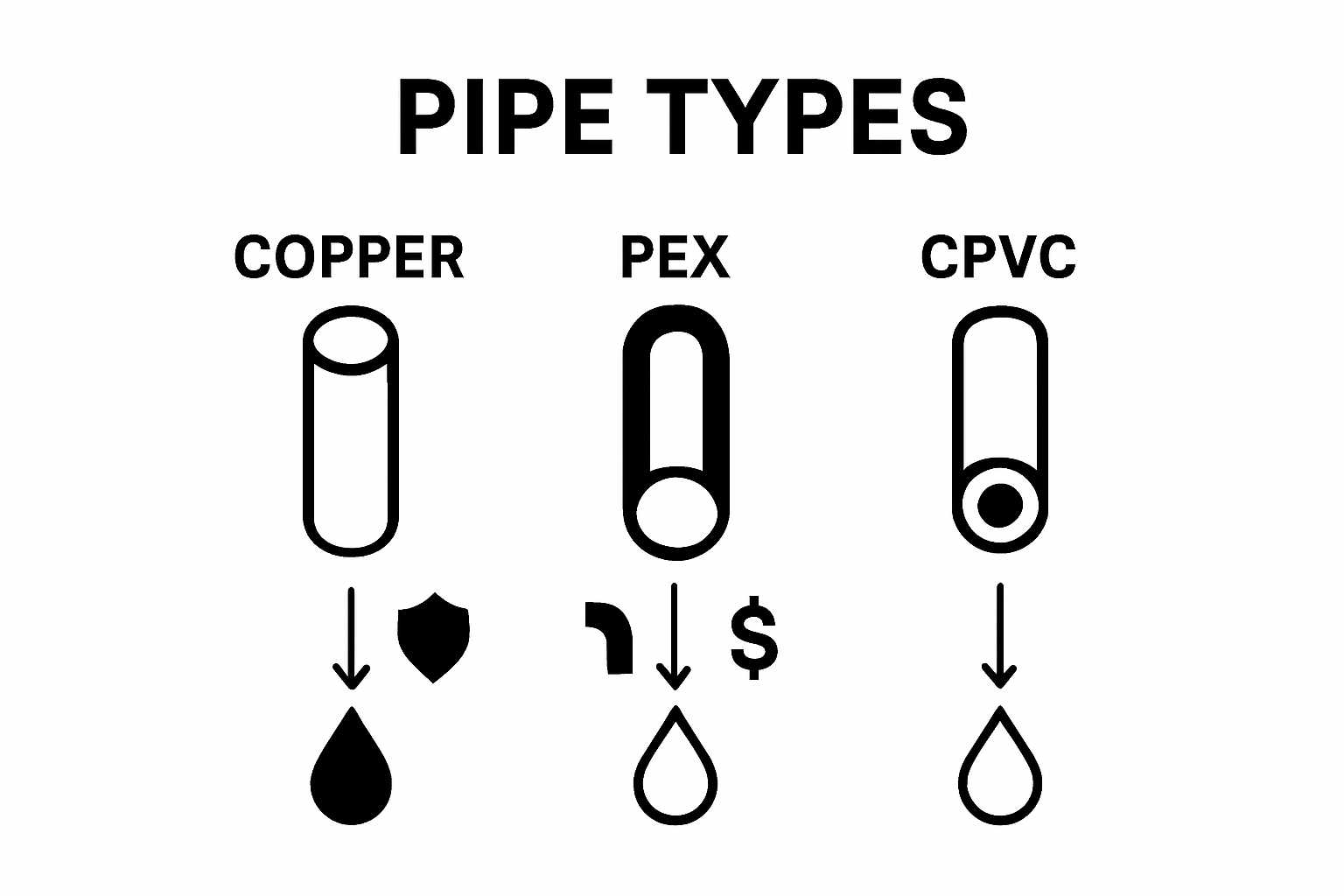
- Copper: Durable, corrosion-resistant, and excellent for hot and cold water
- PEX (Cross-Linked Polyethylene): Flexible, easy to install, and resistant to freezing
- CPVC (Chlorinated Polyvinyl Chloride): Cost-effective and suitable for various temperature ranges
- PVC (Polyvinyl Chloride): Lightweight, affordable, and ideal for drainage systems
- ABS (Acrylonitrile Butadiene Styrene): Strong, impact-resistant plastic pipe
Performance and Selection Considerations
Each pipe material presents distinct advantages and potential limitations. Copper pipes remain renowned for their durability and antimicrobial properties, while PEX offers unprecedented flexibility and ease of installation. CPVC provides excellent chemical resistance, making it ideal for homes with specific water treatment requirements.
Explore our comprehensive guide to home plumbing systems to understand how different pipe materials can transform your home’s water infrastructure. By carefully selecting the right pipe type, homeowners can ensure a reliable, efficient, and long-lasting plumbing system that meets their specific household needs.
How Repiping Influences Your Home’s Plumbing System
Repiping is a transformative process that fundamentally restructures your home’s entire water distribution network. Beyond simply replacing old pipes, this comprehensive approach impacts water pressure, quality, energy efficiency, and overall system performance, creating a more robust and reliable plumbing infrastructure.
Comprehensive System Transformation
A complete repiping project goes far beyond surface-level repairs. It represents a holistic renovation of your home’s water transportation mechanism, addressing underlying issues that might have developed over decades. By systematically replacing outdated pipes, homeowners can eliminate accumulated sediment, mineral buildup, and potential contamination points that compromise water quality and system integrity.
Key system-wide improvements include:
- Enhanced water pressure consistency
- Elimination of potential leak points
- Improved water quality and taste
- Reduced risk of unexpected plumbing failures
- More efficient water distribution throughout the home
Interconnected Plumbing Performance
Repiping influences multiple aspects of your home’s plumbing ecosystem. Modern pipe materials like PEX and copper provide superior thermal performance, reducing heat loss in hot water lines and improving overall energy efficiency. These advanced materials also offer greater resistance to corrosion, temperature fluctuations, and potential structural degradation.
Discover our specialized repiping services for comprehensive home plumbing solutions that can transform your home’s water infrastructure. By understanding how repiping impacts your entire plumbing system, homeowners can make informed decisions that protect their property, enhance water quality, and prevent costly future repairs.
Signs That Indicate Your Home Needs Repiping
Recognizing when your home requires repiping is crucial for preventing extensive water damage and maintaining a healthy plumbing system. Homeowners must remain vigilant about subtle and overt indicators that suggest underlying pipe deterioration and potential systemic failures.
Visual and Physical Warning Signs
Detecting early signs of pipe degradation can save significant time and money. According to the Insurance Institute for Business & Home Safety, several critical indicators suggest your home might need comprehensive repiping.
Key visual warning signs include:
- Persistent rust-colored or discolored water
- Visible pipe corrosion or mineral buildup
- Water stains on walls, ceilings, or floors
- Unexplained damp spots or moisture patches
- Visible pipe leaks or water damage around connections
Performance and Functional Red Flags
Performance issues often reveal deeper plumbing system problems that extend beyond surface-level repairs. Reduced water pressure, inconsistent temperature control, and unusual sounds like banging or whistling in pipes can signal significant underlying issues. Homes with pipes older than 50 years are particularly susceptible to systemic failures that compromise water quality and distribution efficiency.
Explore our comprehensive guide to identifying plumbing emergencies to understand when professional intervention becomes critical. By proactively monitoring your home’s plumbing performance and recognizing these warning signs, you can prevent costly repairs and protect your property from potential water damage.
To clarify the common signs that indicate your home may need repiping, the table below outlines both visual and performance-related warning indicators and what they might signal for your plumbing system.
| Warning Sign | Type | What It May Indicate |
|---|---|---|
| Rust-colored or discolored water | Visual | Pipe corrosion or rust buildup |
| Visible pipe corrosion/buildup | Visual | Aging or deteriorating pipes |
| Water stains/damp spots on surfaces | Visual | Leaks from plumbing system |
| Visible leaks at pipe connections | Visual | Advanced pipe degradation |
| Reduced water pressure | Performance | Internal pipe blockage or narrowing |
| Inconsistent water temperature | Performance | Failing pipe integrity or system imbalances |
| Unusual pipe noises (banging/whistle) | Performance | Pressure problems or loose pipes |
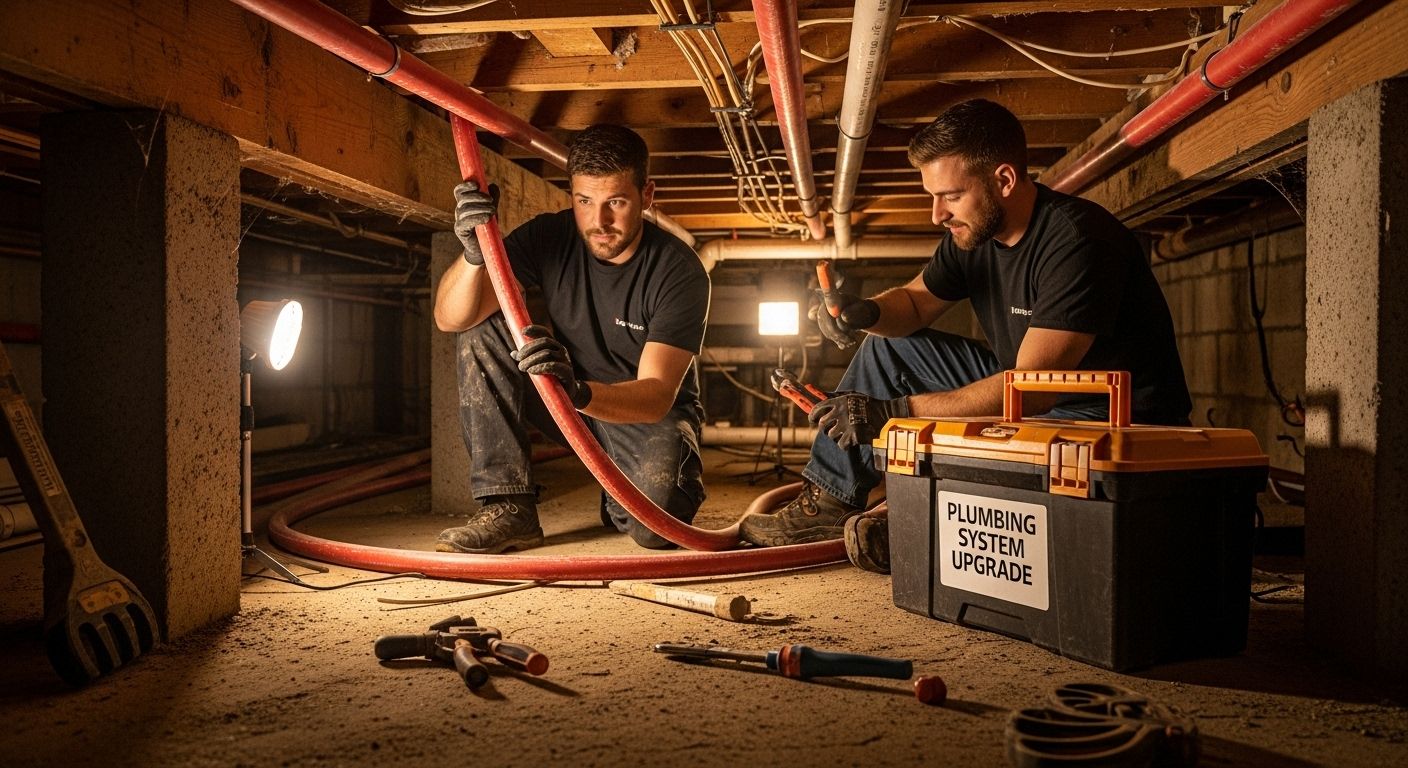
Upgrade Your Home Plumbing with Trusted Repiping Experts
If you are facing persistent water leaks, rusty water, or poor water pressure, you already know how stressful plumbing problems can be. The article highlighted warning signs like corroded pipes and inconsistent water flow, which often signal your home needs a complete repiping. Protecting your property and your family’s health requires quick and reliable solutions by professionals who understand the unique challenges of old or deteriorating plumbing systems.
Let the team at Legacy Plumbing & Drain Inc restore your peace of mind with expert repiping services. Our experienced technicians use only modern, high-quality materials to improve water quality and ensure long-lasting performance. Do not wait until a small warning turns into a major emergency. Visit our plumbing services page today and schedule your comprehensive assessment. Act now to secure safe, strong plumbing for your home and prevent unexpected damage down the road.
Frequently Asked Questions
What is repiping?
Repiping is the process of replacing old, deteriorating water pipes in a home with new, modern piping materials to improve water quality, pressure, and overall plumbing infrastructure.
When should I consider repiping my home?
Homeowners should consider repiping when they experience frequent leaks, rust-colored water, reduced water pressure, or when their pipes are older than 50 years, as these are strong indicators of plumbing issues that need to be addressed.
What materials are commonly used in repiping?
Common materials used in repiping include copper, PEX (cross-linked polyethylene), and CPVC (chlorinated polyvinyl chloride). Each has its own advantages in terms of durability, flexibility, and installation ease.
How does repiping improve water quality?
Repiping eliminates old pipes that may harbor rust, lead, or bacteria, significantly improving the safety and taste of drinking water by providing a clean, more reliable plumbing system.