
A leaking faucet in the middle of the night or an unexpected burst pipe can quickly turn any Sacramento home from a place of comfort into a source of stress. Plumbing is more than just pipes and drains behind the walls—it is the backbone of modern home comfort, shaping how you live, clean, and stay safe each day. Whether you are dealing with a small annoyance or an urgent emergency, understanding your home’s plumbing system components and installation provides the foundation for finding reliable solutions that keep your family comfortable and your property protected.
Table of Contents
- Defining Plumbing’s Role In Comfort
- Types Of Home Plumbing Systems Explained
- How Plumbing Supports Daily Routines
- Health, Safety, And Sanitation Benefits
- Emergency Plumbing: Risks And Protection
- Common Mistakes And Proper Maintenance
Key Takeaways
| Point | Details |
|---|---|
| Importance of Plumbing | Plumbing is essential for home comfort, managing clean water delivery and waste efficiently. Regular maintenance ensures optimal performance and prevents disruptions. |
| Types of Plumbing Systems | Understanding different plumbing systems, like Trunk and Branch and Whole-House Manifold, helps homeowners choose the best configuration for their needs. |
| Health and Safety Benefits | Effective plumbing protects against contamination and ensures proper sanitation, safeguarding household health. Regular inspections are vital for maintaining these standards. |
| Emergency Preparedness | Homeowners should be aware of potential plumbing emergencies and have strategies ready to mitigate risks and prevent costly damages. Continuous monitoring is key. |
Defining Plumbing’s Role in Comfort
Plumbing serves as the critical infrastructure that enables modern home comfort, far beyond simple water delivery. At its core, plumbing creates an integrated system responsible for distributing clean water, managing waste, and supporting essential household functions that impact daily living. Domestic water systems represent complex networks designed to ensure safe, reliable water access throughout residential spaces.
The fundamental components of home plumbing directly influence comfort through several key mechanisms:
- Reliable hot water supply for bathing, washing, and cleaning
- Efficient waste management and sanitation systems
- Temperature regulation through heating and cooling infrastructure
- Consistent water pressure for multiple simultaneous household activities
- Protection against potential water damage and contamination
Understanding plumbing’s intricate role requires recognizing its multifaceted impact on home environments. Water distribution systems are not merely about moving liquid from point A to point B, but creating an ecosystem of comfort, hygiene, and functionality. Modern plumbing integrates advanced technologies and engineering principles to deliver seamless performance that homeowners often take for granted.
Water management represents a sophisticated dance of pipes, valves, and fixtures working in perfect harmony. Each component plays a critical role in maintaining the delicate balance of water flow, pressure, and temperature that defines a comfortable living space. From ensuring hot showers to preventing potential water-related damages, plumbing systems are the unsung heroes of residential infrastructure.
Pro tip: Invest in regular plumbing maintenance to prevent unexpected disruptions and maintain optimal home comfort levels.
Check out our Bathroom Plumbing Basics guide to learn more about how professional plumbing services can enhance your home’s water systems.
Types of Home Plumbing Systems Explained
Home plumbing systems represent complex networks designed to manage water distribution and waste removal efficiently. Domestic water systems encompass multiple configurations that serve different residential needs and architectural designs. Understanding these systems is crucial for Sacramento homeowners seeking optimal home comfort and functionality.
The primary types of home plumbing systems include:
-
Trunk and Branch Systems
- Traditional design with main water lines branching into smaller pipes
- Most common in older Sacramento homes
- Provides water to multiple fixtures through connected pipelines
-
Whole-House Manifold Systems
- Modern, centralized water distribution approach
- Individual dedicated pipes for each fixture
- Enhanced water pressure and flow control
-
Demand-Initiated Recirculation Systems
- Advanced technology for instant hot water delivery
- Reduces water waste by circulating hot water efficiently
- Improves overall home water system performance
Each plumbing system configuration offers unique advantages depending on home layout, age, and specific water usage requirements. Water distribution design plays a critical role in determining overall system efficiency, with newer technologies providing more precise control and energy conservation.
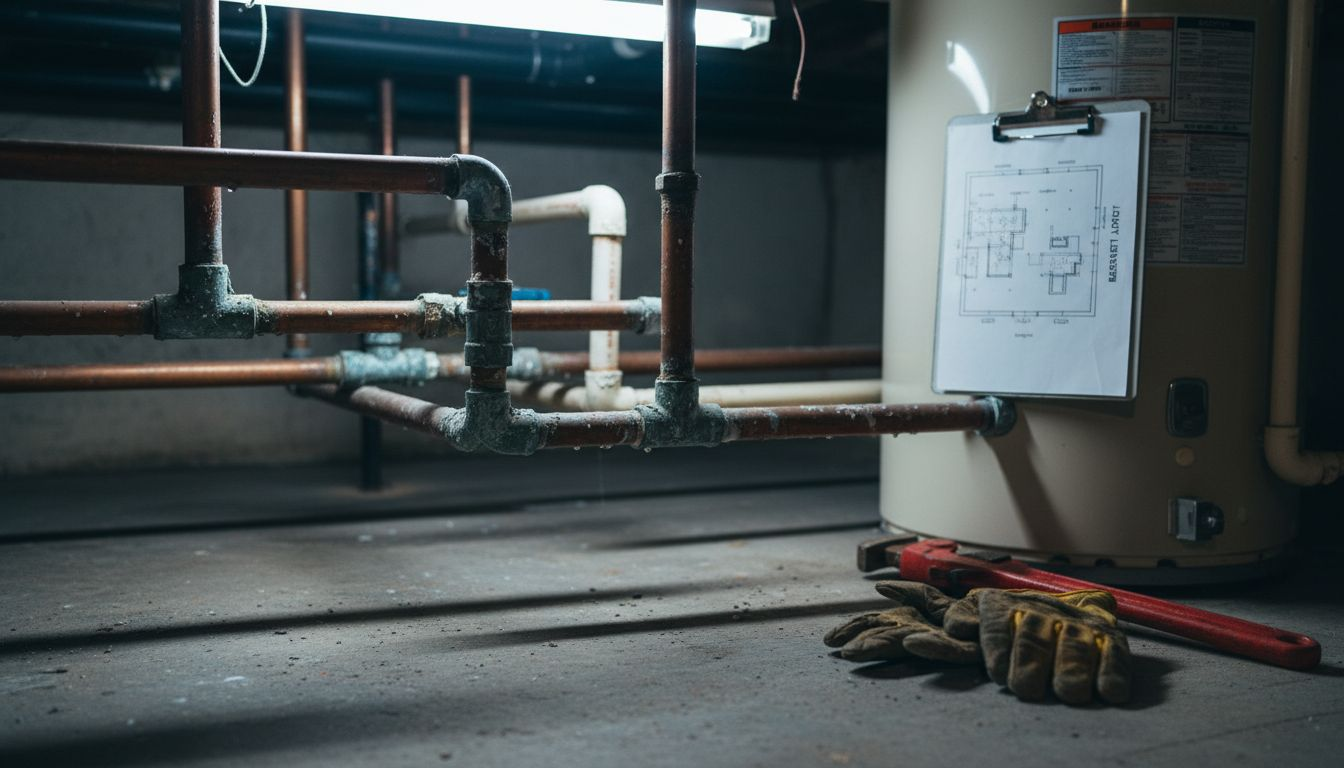
Here’s a comparison of main home plumbing system types and their best-fit scenarios:
| System Type | Ideal For | Main Benefit |
|---|---|---|
| Trunk and Branch | Older homes | Cost-effective installation |
| Whole-House Manifold | New builds/remodels | Precise flow control |
| Demand-Initiated Recirculation | Large households | Instant hot water savings |
Modern plumbing systems are not just about water delivery, but about creating intelligent, responsive home infrastructure that adapts to resident needs.
Residential plumbing has evolved significantly, incorporating advanced materials and smart technologies that enhance performance and reliability. Residential plumbing guidelines now emphasize sustainability, efficiency, and adaptive design to meet changing homeowner expectations.
Pro tip: Consult a professional plumber to assess which plumbing system configuration best suits your Sacramento home’s specific requirements and layout.
How Plumbing Supports Daily Routines
Plumbing serves as the essential infrastructure that enables smooth, comfortable daily living in Sacramento homes. Plumbing system foundations directly influence household activities ranging from morning showers to evening meal preparations. Understanding how these systems support our routine functions reveals their critical importance to home comfort.
Daily routines fundamentally depend on reliable plumbing systems through several key interactions:
-
Morning Preparations
- Hot water for showers and bathing
- Consistent water pressure for personal hygiene
- Kitchen sink functionality for meal preparation
-
Cleaning and Household Management
- Washing dishes and laundry
- Bathroom sanitation and waste management
- Efficient water delivery for cleaning tasks
-
Comfort and Temperature Regulation
- Hot water heating systems
- Radiant floor heating capabilities
- Temperature-controlled water for various needs
Water infrastructure acts as the circulatory system of a home, enabling seamless transitions between different daily activities. Modern plumbing technologies have transformed routine tasks from basic necessities to comfortable, efficient experiences that homeowners often take for granted.
Effective plumbing transforms mundane daily tasks into smooth, effortless interactions that support overall household quality of life.
Regular maintenance practices ensure these complex systems continue functioning optimally, preventing interruptions that could disrupt essential home routines. Sacramento homeowners benefit from understanding how their plumbing directly impacts daily comfort and convenience.
Pro tip: Create a quarterly maintenance checklist to monitor your home’s plumbing performance and prevent potential disruptions to your daily routines.
Health, Safety, and Sanitation Benefits
Plumbing systems represent far more than simple water delivery mechanisms – they are critical infrastructure protecting household health and safety. Plumbing engineering standards establish rigorous protocols designed to prevent contamination and ensure safe water distribution throughout residential environments.
The key health and sanitation benefits of professional plumbing include:
-
Water Quality Protection
- Prevention of cross-contamination
- Backflow prevention mechanisms
- Elimination of potential bacterial growth
-
Waste Management
- Efficient removal of potentially harmful waste
- Preventing sewage backups
- Maintaining hygienic drainage systems
-
Contamination Prevention
- Separation of potable and non-potable water sources
- Use of approved sanitary materials
- Regular system inspections and maintenance
Modern plumbing technology incorporates sophisticated safety features that go beyond traditional water transport. Sanitation infrastructure now includes advanced filtration, pressure regulation, and contamination detection systems that proactively protect household residents.
Proper plumbing is the first line of defense against waterborne diseases and environmental health risks.
International Plumbing Code guidelines provide comprehensive frameworks ensuring that residential plumbing systems meet stringent health and safety standards. These regulations mandate specific installation practices, material selections, and maintenance protocols designed to safeguard public health.
Pro tip: Schedule annual professional plumbing inspections to identify potential health risks and maintain optimal system performance.
Emergency Plumbing: Risks and Protection
Emergency plumbing situations can transform from minor inconveniences to catastrophic home disasters within minutes. Plumbing system vulnerabilities represent complex risks that demand proactive understanding and immediate strategic response from homeowners.
The most critical emergency plumbing risks include:
-
Water Damage Potential
- Rapid structural deterioration
- Potential mold and mildew growth
- Electrical system compromises
- Foundation and wall structural risks
-
Health Hazard Scenarios
- Sewage backup contamination
- Bacterial and pathogen exposure
- Water quality compromises
- Respiratory health risks
-
Financial Impact Zones
- Unexpected repair costs
- Property value reduction
- Insurance claim complexities
- Potential long-term restoration expenses
Emergency preparedness requires understanding how quickly plumbing failures can escalate. Modern homes rely on intricate water management systems that, when compromised, can create cascading damage scenarios threatening both structural integrity and occupant safety.
The table below highlights types of emergency plumbing risks and their impact areas:
| Risk Category | Example Scenario | Possible Consequence |
|---|---|---|
| Water Damage | Burst pipe | Mold and structural damage |
| Health Hazard | Sewage backup | Bacterial contamination |
| Financial Impact | Major leak repair | High unexpected expenses |
A single undetected leak can cause thousands of dollars in damage within hours, making prevention and rapid response critical.
Emergency plumbing strategies provide homeowners with critical knowledge to mitigate potential risks and protect their residential investments. Understanding potential failure points and maintaining proactive maintenance can significantly reduce emergency occurrence probabilities.
Pro tip: Create a comprehensive emergency plumbing kit with shut-off tools, contact information for professional plumbers, and basic leak mitigation supplies.
Common Mistakes and Proper Maintenance
Maintaining a healthy plumbing system requires understanding common pitfalls and implementing strategic preventative measures. Plumbing installation handbook insights reveal that most residential plumbing issues stem from preventable mistakes and neglected maintenance practices.
Homeowners frequently encounter these critical maintenance mistakes:
-
DIY Repair Errors
- Using incorrect pipe materials
- Improper joint sealing techniques
- Mismatched fixture connections
- Ignoring manufacturer installation guidelines
-
Maintenance Negligence
- Skipping annual system inspections
- Postponing minor repair work
- Overlooking subtle leak indicators
- Neglecting pipe insulation
-
Material and Component Risks
- Allowing pipe corrosion to progress
- Using low-quality replacement parts
- Failing to address hard water issues
- Ignoring potential scale buildup
Preventative maintenance represents the most cost-effective strategy for protecting home plumbing infrastructure. Professional systems require consistent monitoring and proactive intervention to maintain optimal performance and prevent catastrophic failures.
Regular maintenance is significantly less expensive than emergency repairs and total system replacement.
Plumbing maintenance strategies provide homeowners with essential techniques for preserving system integrity and preventing costly long-term damage. Understanding these critical maintenance principles can save thousands in potential repair expenses.
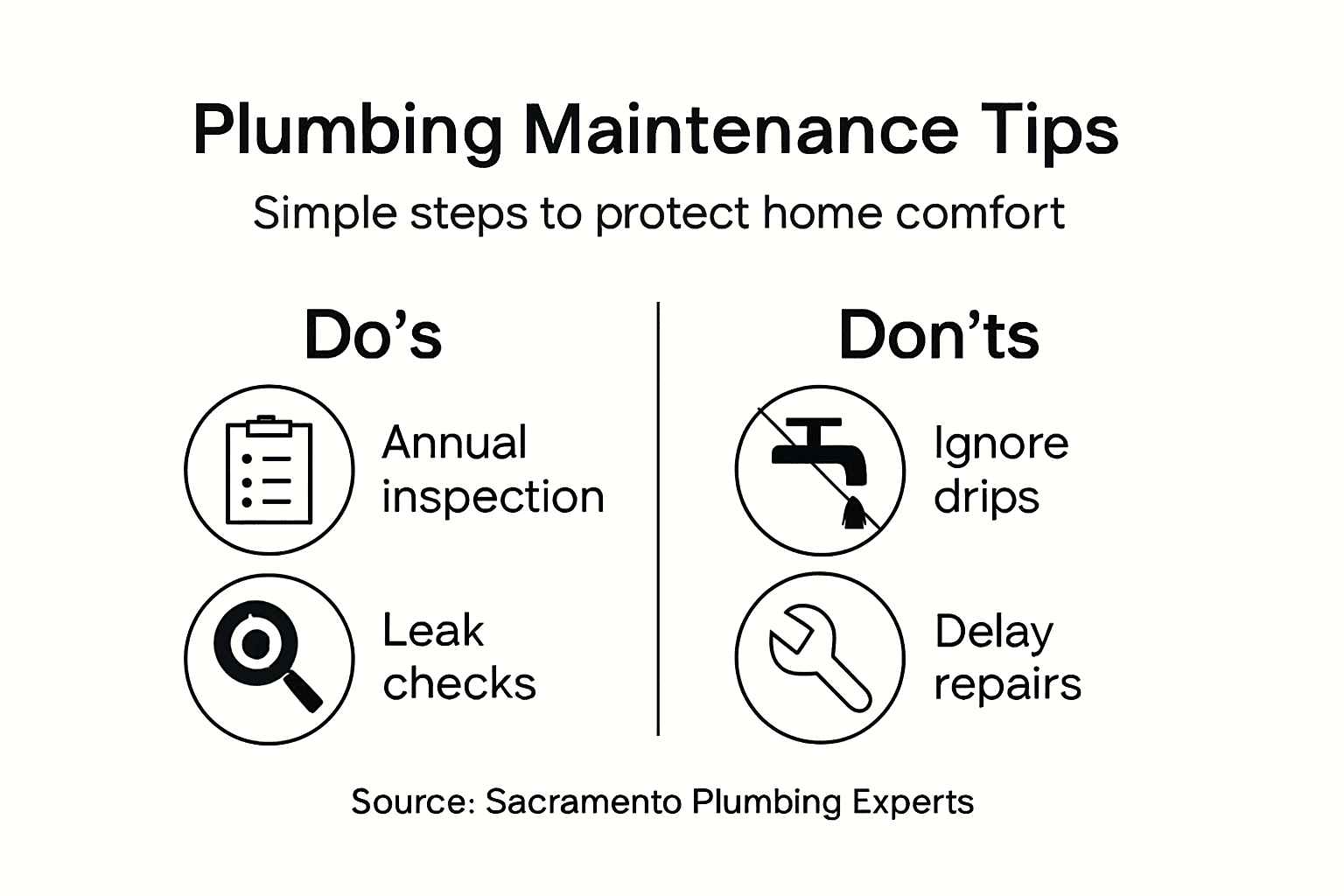
Pro tip: Create a detailed home plumbing maintenance log to track inspections, repairs, and potential warning signs systematically.
Enhance Your Sacramento Home Comfort with Expert Plumbing Solutions
If you are experiencing uneven water pressure, unexpected leaks, or are worried about potential water damage disrupting your daily routines then it is time to take action. At Legacy Plumbing & Drain Inc, we understand the critical role that plumbing plays in maintaining your home comfort and health. From ensuring reliable hot water supply to protecting your home against costly emergency plumbing risks our skilled technicians are ready 24/7 to deliver top-quality service.
Don’t wait for plumbing problems to escalate into expensive repairs or hazards. Explore our professional plumbing services designed specifically for Sacramento homes. Learn how our team can help with everything from routine maintenance to urgent repairs by visiting Legacy Plumbing & Drain Inc. Take control of your home comfort today and experience peace of mind knowing experts are just a call away.
Frequently Asked Questions
What are the different types of home plumbing systems?
Home plumbing systems typically include trunk and branch systems, whole-house manifold systems, and demand-initiated recirculation systems. Each system has its unique benefits, such as cost-effectiveness, precise flow control, and instant hot water delivery.
How does plumbing contribute to home comfort?
Plumbing improves home comfort by providing reliable hot water, efficient waste management, consistent water pressure, and effective temperature regulation, all of which enhance daily living activities and overall hygiene.
What regular maintenance practices should I perform for my plumbing system?
Homeowners should schedule annual inspections, monitor for leaks, keep fixtures clean, and ensure proper insulation for pipes to maintain optimal plumbing performance and prevent potential issues.
What are the risks of neglecting plumbing maintenance?
Neglecting plumbing maintenance can lead to severe water damage, health hazards from sewage backups, and significant financial impacts due to unexpected repair costs, highlighting the importance of proactive care.
Recommended
- Understanding Energy Efficient Plumbing Tips For Homeowners – Legacy Plumbing & Drain – Emergency Plumbers Of Sacramento
- Plumbing Challenges 2026: Impact On Sacramento Homes – Legacy Plumbing & Drain – Emergency Plumbers Of Sacramento
- Residential Plumbing Explained: Safe Home Water Systems – Legacy Plumbing & Drain – Emergency Plumbers Of Sacramento
- Understanding Energy Efficient Plumbing Solutions – Legacy Plumbing & Drain – Emergency Plumbers Of Sacramento