More than 60 percent of American homeowners experience a plumbing issue every year. With Sacramento’s homes relying on complex pipe networks and essential fixtures, understanding residential plumbing is critical for maintaining safety and comfort. Quick knowledge of these systems helps you protect your property, avoid expensive water damage, and confidently address any plumbing emergency that arises.
Table of Contents
- Defining Residential Plumbing For Homeowners
- Key Components Of Home Plumbing Systems
- Major Types Of Residential Plumbing Systems
- Sacramento Residential Plumbing Codes And Safety
- Common Problems, Costs, And Homeowner Risks
Key Takeaways
| Point | Details |
|---|---|
| Understanding Plumbing Basics | Residential plumbing involves systems that manage water supply and waste removal, crucial for maintaining a safe home environment. |
| Importance of Regular Inspections | Conduct biannual visual inspections and annual professional checks to identify potential plumbing issues early. |
| Compliance with Local Codes | Adhering to Sacramento plumbing codes ensures safety and environmental protection, requiring timely updates on regulations. |
| Mitigating Financial Risks | Proactive maintenance can prevent costly repairs related to common plumbing issues, protecting your investment in your home. |
Defining Residential Plumbing for Homeowners
Residential plumbing encompasses the intricate network of pipes, fixtures, and systems that manage water supply and waste removal within a home. Understanding these systems is crucial for homeowners seeking to maintain a safe and functional living environment. Plumbing basics involve a complex arrangement of infrastructure designed to deliver clean water and safely remove wastewater.
At its core, residential plumbing includes several critical components: water supply lines that bring fresh water into the home, drainage systems that remove wastewater, and venting mechanisms that regulate air pressure within pipes. These systems require precise engineering to ensure proper water pressure, prevent contamination, and maintain hygienic conditions. The National Standard Plumbing Code provides comprehensive guidelines for installation and maintenance, helping homeowners understand the technical specifications that protect their water infrastructure.
The primary objectives of residential plumbing systems are to deliver potable water, remove waste efficiently, and protect public health. This involves a network of pipes typically made from materials like copper, PVC, and cross-linked polyethylene (PEX), each selected for durability, corrosion resistance, and compatibility with different water conditions. Homeowners should recognize that these systems are not just about functionality, but about creating a safe, reliable water management environment within their living spaces.
Here’s a reference for common residential plumbing materials and their advantages:
| Material | Durability | Corrosion Resistance | Installation Cost |
|---|---|---|---|
| Copper | Excellent | High | Moderate |
| PVC | Good | Excellent | Low |
| PEX | Very Good | Very High | Low to Moderate |
Pro tip: Conduct a visual inspection of your home’s plumbing systems every six months, checking for signs of corrosion, leaks, or unusual moisture that could indicate potential issues.
Key Components of Home Plumbing Systems
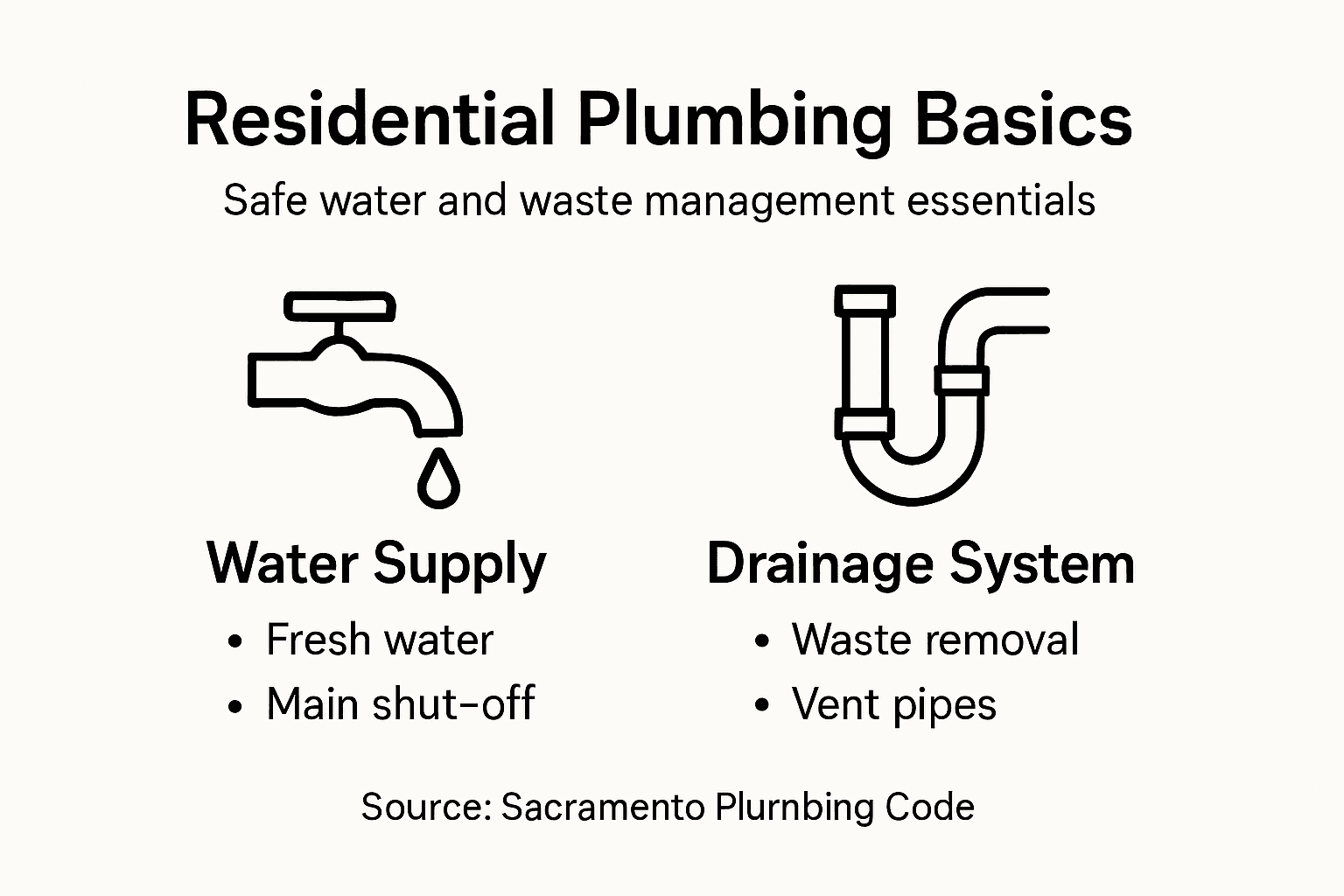
A residential plumbing system is a complex network of interconnected components designed to manage water supply and waste removal efficiently. Plumbing system components are critical for maintaining a home’s sanitation and comfort. The primary elements include the water supply system, drainage infrastructure, and essential fixtures that work together to ensure clean water delivery and waste management.
The water supply system represents the first crucial component, bringing fresh potable water into the home through main supply lines that branch into hot and cold water pipes. These lines connect to various fixtures such as sinks, showers, toilets, and appliances like water heaters. Each connection point features valves and faucets that control water flow and temperature. According to residential plumbing research, the system is engineered to provide consistent water pressure and prevent contamination.
The drainage system forms another critical component, responsible for safely removing wastewater from the home. This intricate network includes drain pipes, vent pipes, and traps that prevent sewer gases from entering living spaces. Gravity plays a significant role in waste removal, guiding wastewater through a series of strategically designed pipes that ultimately connect to the municipal sewer system or septic tank. Proper venting is essential to maintain proper air pressure and facilitate smooth waste flow.
Pro tip: Familiarize yourself with your home’s main water shut-off valve location to quickly respond to potential plumbing emergencies and minimize potential water damage.
Major Types of Residential Plumbing Systems
Residential plumbing encompasses several distinct system types, each serving a critical function in maintaining home water infrastructure. Residential plumbing systems are typically categorized into four primary configurations: potable water supply, drainage, venting, and storm water management systems. Understanding these systems helps homeowners appreciate the complex network that ensures clean water delivery and efficient waste removal.
The potable water supply system represents the primary mechanism for bringing fresh water into the home. This system typically originates from municipal water lines or private wells, distributing water through a network of pipes to various fixtures and appliances. Plumbing system classifications reveal that these systems can utilize different distribution methods, including gravity-fed and pressurized configurations. Materials like copper, PVC, and cross-linked polyethylene (PEX) are commonly used, each offering unique advantages in terms of durability, cost-effectiveness, and installation flexibility.
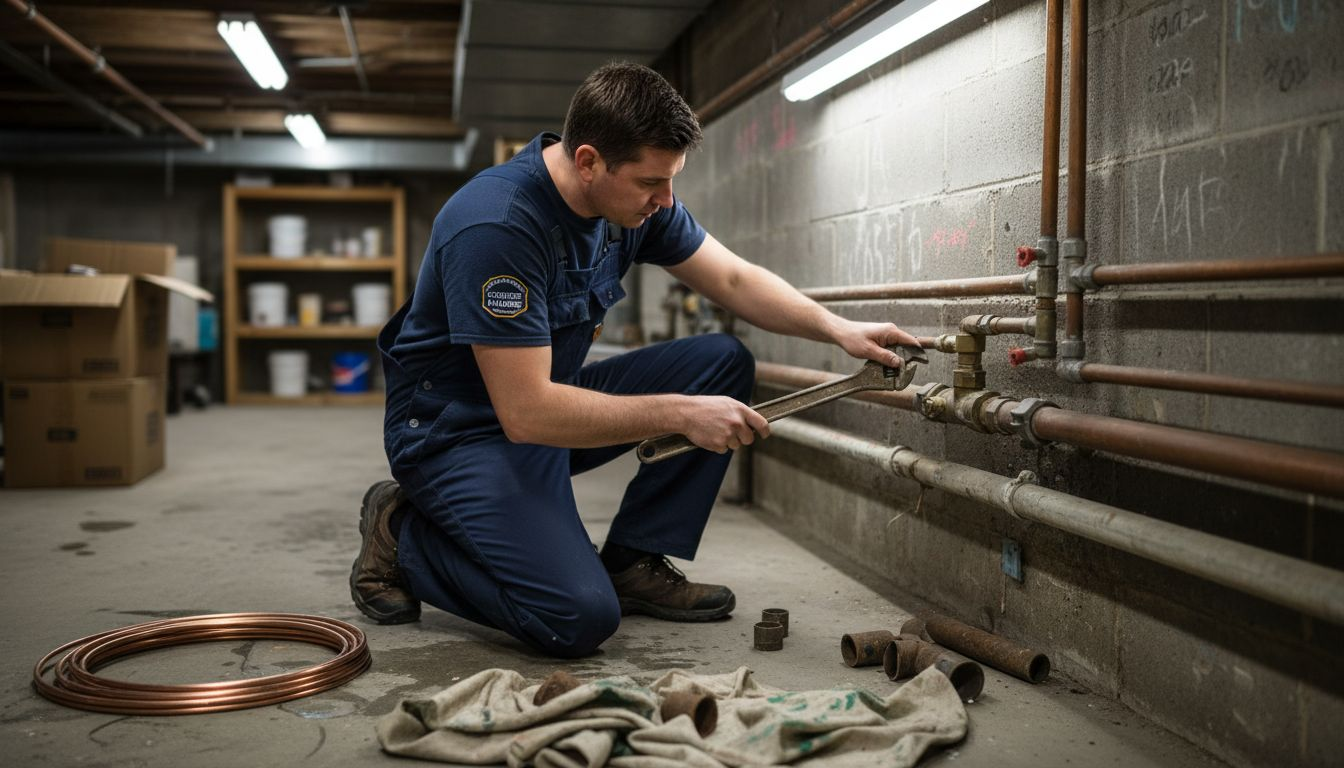
Drainage and wastewater systems form another critical component, responsible for safely removing used water and sewage from the home. These systems rely on gravity and carefully designed pipe configurations to transport waste to municipal sewer lines or septic tanks. Venting systems work in conjunction with drainage infrastructure, maintaining proper air pressure and preventing sewer gases from entering living spaces. Storm drainage systems represent a specialized category, managing rainwater runoff and preventing potential water damage to the property’s foundation and surrounding landscape.
Pro tip: Conduct an annual inspection of your home’s plumbing systems, paying special attention to pipe connections, potential leak points, and overall system integrity.
Sacramento Residential Plumbing Codes and Safety
Sacramento’s residential plumbing regulations represent a comprehensive framework designed to ensure public safety, health, and infrastructure integrity. Sacramento plumbing codes are grounded in the California Residential Code (CRC), with specific requirements effective from January 1, 2023. These regulations encompass critical safety standards for installation, maintenance, and performance of residential plumbing systems, protecting homeowners from potential hazards.
The codes mandate specific safety measures that go beyond basic plumbing installation. Key requirements include the installation of smoke and carbon monoxide alarms, particularly in areas with fuel-burning appliances. Residential fire safety standards also require fire sprinkler systems in new dwellings, with precise guidelines for placement and functionality. Water efficiency standards are equally stringent, with regulations governing fixture installations, pressure balancing mechanisms in showers, and overall system design to minimize waste and ensure optimal performance.
Compliance with these codes involves multiple layers of safety considerations. Plumbing professionals must adhere to strict guidelines for pipe materials, installation techniques, and system configurations. Emergency escape openings in basements and sleeping areas are carefully regulated, ensuring rapid evacuation possibilities. The codes also address potential environmental and health risks by establishing clear standards for water quality, backflow prevention, and proper waste management systems.
Pro tip: Schedule a professional plumbing inspection annually to ensure your home’s system remains compliant with current Sacramento residential plumbing codes and safety standards.
Common Problems, Costs, and Homeowner Risks
Residential plumbing systems are vulnerable to a range of problems that can quickly escalate from minor inconveniences to major financial burdens. Plumbing maintenance challenges reveal that component failures in pipes, fixtures, and fittings can lead to substantial structural damage and costly repairs. Homeowners face significant risks including water seepage, mold growth, and compromised sanitation when plumbing systems are not properly maintained or promptly addressed.
The most prevalent issues stem from aging infrastructure, incompatible materials, and wear-and-tear. Home plumbing problem risks typically include leaking waste lines, faulty fixtures, and deteriorating pipe materials that can cause water penetration and extensive damage. These problems can result in exponential costs, not just from direct repair expenses, but also from increased utility bills, water damage restoration, and potential health hazards associated with mold and structural deterioration.
Below is a quick comparison of frequent plumbing problems, their risks, and potential costs:
| Problem | Main Risk | Typical Cost Range |
|---|---|---|
| Leaky pipes | Water damage, mold | $150 – $500 |
| Burst pipe | Major flood, structural | $1,000 – $4,000 |
| Clogged drains | Sewage backup | $100 – $300 |
| Faulty fixtures | Water waste, damage | $120 – $800 |
Financial implications of plumbing problems can be substantial. Minor leaks can waste thousands of gallons of water annually, dramatically increasing utility expenses. More serious issues like pipe ruptures or systemic failures can lead to repairs costing several thousand dollars, potentially impacting home value and structural integrity. Proactive maintenance, regular inspections, and timely interventions are crucial strategies for mitigating these risks and controlling potential financial exposure.
Pro tip: Invest in an annual professional plumbing inspection to catch potential issues early and prevent costly emergency repairs.
Protect Your Home with Expert Residential Plumbing Solutions
Understanding the complexities of residential plumbing systems is essential to avoid costly water damage and maintain a safe living environment. The article highlights common challenges like leaky pipes, clogged drains, and outdated materials that threaten your home’s water safety and efficiency. If you have noticed corrosion, unusual moisture, or want to ensure your plumbing complies with Sacramento codes, acting early is critical to prevent emergencies.
Legacy Plumbing & Drain Inc is your trusted partner in Sacramento for all these concerns. Our skilled technicians provide 24/7 urgent repairs, regular inspections, and installation services, helping you maintain reliable water supply and waste management. Whether it is fixing leaks, upgrading your fixtures, or ensuring your system meets the latest safety standards, we deliver peace of mind and lasting results.
Don’t wait until a small problem becomes a big disaster. Visit Legacy Plumbing & Drain Inc today for professional plumbing services tailored to your home’s needs. Learn more about how we solve plumbing emergencies and provide quality pipe and drainage solutions by exploring our expert plumbing services and ensure your home’s water system stays safe, efficient, and compliant.
Frequently Asked Questions
What are the primary components of a residential plumbing system?
The primary components of a residential plumbing system include the water supply system, drainage infrastructure, and essential fixtures. These elements work together to ensure the delivery of clean water and the effective removal of wastewater.
What materials are commonly used in residential plumbing pipes?
Common materials for residential plumbing pipes include copper, PVC, and cross-linked polyethylene (PEX). Each material offers unique advantages such as durability, corrosion resistance, and varying installation costs.
How can homeowners maintain their plumbing systems to prevent issues?
Homeowners can maintain their plumbing systems by conducting regular visual inspections every six months, checking for signs of leaks or corrosion, and scheduling an annual professional plumbing inspection to catch potential problems early.
What are some common plumbing problems and their associated costs?
Common plumbing problems include leaky pipes, burst pipes, clogged drains, and faulty fixtures. Repair costs can range from $100 for clogged drains to $4,000 for burst pipes, highlighting the importance of proactive maintenance.
Recommended
- Types Of Home Plumbing Systems: A Guide For Sacramento Area Homeowners 2025 – Legacy Plumbing & Drain – Emergency Plumbers Of Sacramento
- Emergency Plumbing Tips For Sacramento Homeowners | Legacy Plumbing & Drain
- Plumbing Basics Homeowners Need In Sacramento And Nearby (2025) – Legacy Plumbing & Drain – Emergency Plumbers Of Sacramento
- Understanding Pet Safe Plumbing Tips For Your Home – Legacy Plumbing & Drain – Emergency Plumbers Of Sacramento
- Role of Plumber: Everything Tampa Bay Homeowners Need – Home Therapist Cooling, Heating, and Plumbing
- Water Heater Repair: Safe Solutions for California Homes