
Pets might seem harmless around the house, but every year thousands of animals end up in emergency clinics due to accidental plumbing mishaps or chemical exposure from common pipes. Most people think installing a water filter or hiding cleaning products is enough. The real danger often hides in places you would never expect, starting with the very pipes that deliver water to your pets’ bowls.
Table of Contents
- What Are Pet Safe Plumbing Tips And Why Are They Important?
- Key Considerations For Pet Safety In Plumbing Systems
- The Impact Of Plumbing Chemicals On Pet Health
- Choosing Safe Plumbing Materials For Homes With Pets
- Maintaining A Pet-Friendly Plumbing Environment
Quick Summary
| Takeaway | Explanation |
|---|---|
| Protect pipes from pet damage. | Pets can chew on exposed pipes; use protective covers to prevent this. |
| Ensure safe water quality. | Select lead-free materials and monitor for contaminants to safeguard pet health. |
| Implement regular plumbing inspections. | Consistent evaluations can identify leaks and hazards, ensuring a safe environment for pets. |
| Use childproof latches on cabinets. | Block pet access to harmful chemicals and plumbing areas by securing cabinet doors. |
| Choose corrosion-resistant plumbing materials. | Materials like PVC or PEX reduce contamination risks and enhance water quality for both pets and humans. |
What Are Pet Safe Plumbing Tips and Why Are They Important?
Pet safe plumbing tips are crucial strategies designed to protect both your household plumbing system and your beloved animal companions from potential hazards. These guidelines focus on preventing accidents, protecting water quality, and ensuring a safe environment for pets to coexist with complex home infrastructure.
Understanding Pet Plumbing Risks
Pets can inadvertently cause significant plumbing damage or encounter dangerous situations without proper precautions. Small animals might explore pipes, potentially getting stuck, while larger pets could damage exposed plumbing fixtures or compromise water system integrity. Protecting your home’s plumbing infrastructure requires understanding these unique challenges.
Key risks include:
- Pets chewing on exposed pipes
- Accidentally flushing pet-related items
- Potential contamination of water sources
- Risk of pets ingesting harmful chemicals
Water Quality and Pet Safety
Water quality directly impacts pet health. According to the Environmental Working Group, using lead-free joint materials and choosing pipes like copper or polypropylene can significantly reduce potential chemical leaching. Maintaining clean water sources is not just about human health but also about protecting your pets from potential long-term health risks.
Homeowners must recognize that pet safe plumbing involves more than preventing physical damage. It encompasses creating a comprehensive environment where pets can safely interact with household systems without risking their well-being or compromising critical home infrastructure. By implementing thoughtful strategies and remaining vigilant, you can create a harmonious living space that protects both your plumbing system and your furry family members.
Key Considerations for Pet Safety in Plumbing Systems
Designing a pet-safe plumbing environment requires comprehensive understanding of potential risks and strategic prevention methods. Homeowners must recognize that pets interact with household systems differently than humans, necessitating specialized safety approaches to protect both animals and infrastructure.
Pipe and Fixture Protection Strategies
Pets can cause unexpected damage to plumbing systems through curious exploration or accidental interactions. Exposed pipes represent significant potential hazards that demand proactive management. Learn more about home plumbing safety to develop comprehensive protection strategies.
Key protective considerations include:
- Installing protective pipe covers
- Securing loose plumbing connections
- Blocking access to under-sink areas
- Using childproof latches on cabinet doors
Water Quality and Chemical Contamination Prevention
According to the National Sanitation Foundation, ensuring water system safety involves selecting appropriate materials and maintaining rigorous quality standards. Pets are particularly vulnerable to water contamination, making comprehensive water system management crucial.
Potential chemical contamination risks emerge from multiple sources, including cleaning products, pipe materials, and household chemicals. Preventing pet exposure requires thoughtful system design and careful management of potentially harmful substances.
Ultimately, creating a pet-safe plumbing environment demands ongoing vigilance, proactive planning, and a holistic approach to home infrastructure design. By understanding potential risks and implementing strategic protective measures, homeowners can develop systems that safeguard both their pets and their home’s critical water infrastructure.
The Impact of Plumbing Chemicals on Pet Health
Plumbing systems can introduce numerous chemical risks that directly affect pet health, creating potential long-term consequences for animal well-being. Understanding these chemical interactions requires comprehensive examination of water quality, pipe materials, and potential contamination sources.
Chemical Exposure Pathways
Pets are significantly more vulnerable to chemical exposure through water systems due to their smaller body mass and different metabolic processes. Explore comprehensive home safety strategies to minimize these risks effectively.
Key chemical exposure pathways include:
- Direct ingestion through drinking water
- Absorption through skin during bathing
- Interaction with contaminated surfaces
- Accumulation of toxins in bodily systems
Heavy Metal and Toxin Risks
According to Virginia Tech research, pets face substantial risks from heavy metal contamination in water supplies. Dogs and cats can accumulate toxic substances like lead, arsenic, and sulfur at alarming rates, potentially causing significant health complications.
Critical heavy metals that pose serious health risks include:
- Lead (neurological damage)
- Arsenic (cancer risk)
- Cadmium (kidney dysfunction)
- Mercury (nervous system impairment)
These contaminants can enter household water systems through aging pipes, industrial runoff, and outdated infrastructure. Pets, with their smaller body mass and different metabolic processes, absorb these toxins more rapidly and suffer more severe health consequences compared to humans.
Homeowners must recognize that protecting pet health involves more than simple water filtration. It requires a holistic approach to understanding potential chemical interactions within home plumbing systems, selecting appropriate materials, and implementing comprehensive prevention strategies.
Choosing Safe Plumbing Materials for Homes with Pets
Selecting appropriate plumbing materials is crucial for creating a safe environment for pets, requiring careful consideration of chemical composition, durability, and potential health impacts. Homeowners must evaluate multiple factors to ensure their plumbing infrastructure protects both animal and human inhabitants.
Material Toxicity and Composition
Modern plumbing materials vary significantly in their chemical profiles and potential risks to pet health. Discover comprehensive home plumbing safety techniques to make informed material selections.
Key considerations for material selection include:
- Chemical leaching potential
- Corrosion resistance
- Durability under pet interactions
- Long-term stability of material composition
Recommended Safe Plumbing Materials
According to the Virginia Household Water Quality Program, certain materials demonstrate superior performance in minimizing water contamination risks. Corrosion-resistant options like PVC, CPVC, and PEX provide significant advantages for households with pets.
Advantages of recommended materials:
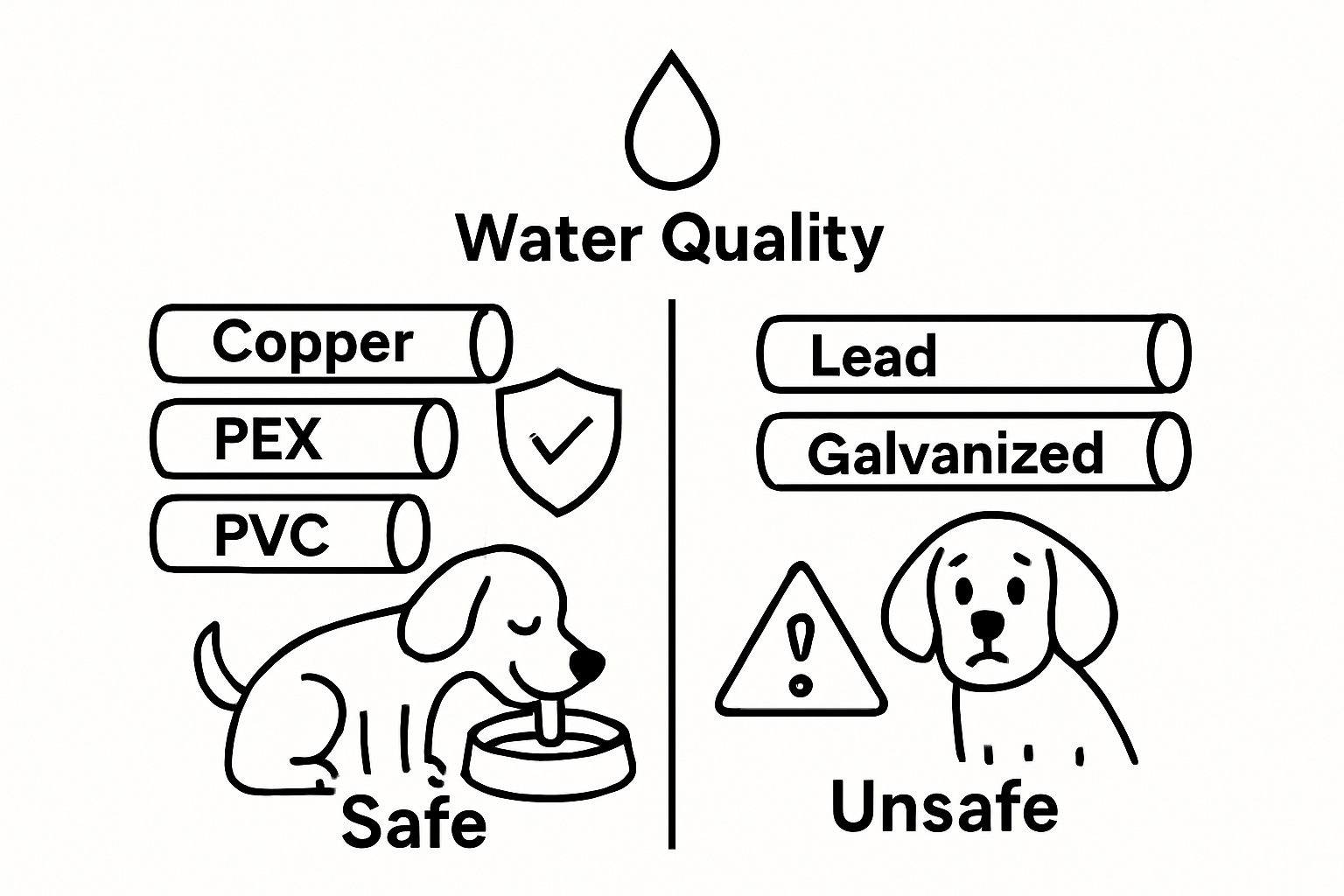
- Minimal metal interaction
- Reduced chemical leaching
- Higher resistance to bacterial growth
- Better overall water quality preservation
Ultimately, protecting pet health through plumbing material selection requires a holistic approach. Homeowners must balance technical specifications with practical considerations, prioritizing materials that minimize chemical exposure while maintaining robust infrastructure performance. Regular assessment and proactive replacement of aging plumbing components remain essential strategies for maintaining a safe living environment for both pets and humans.
Maintaining a Pet-Friendly Plumbing Environment
Creating a safe plumbing environment for pets requires comprehensive monitoring, proactive maintenance, and strategic preventative measures. Homeowners must develop a holistic approach that addresses potential risks while ensuring functional and safe household infrastructure.
Regular System Inspections
Consistent plumbing evaluations are critical for preventing potential hazards that could compromise pet safety. Explore our comprehensive home maintenance guide to develop effective inspection strategies.
Key inspection focus areas include:
- Identifying potential pipe exposure points
- Checking for hidden leaks
- Examining water pressure consistency
- Assessing drain functionality
Preventative Maintenance Strategies
According to the U.S. Environmental Protection Agency, routine maintenance plays a crucial role in preventing water-related issues. Implementing strategic preventative measures can significantly reduce potential plumbing risks for pets and homeowners alike.
Essential preventative techniques:
- Installing protective pipe covers
- Using drain screens
- Monitoring water quality
- Addressing leaks immediately
Ultimately, maintaining a pet-friendly plumbing environment demands ongoing attention and proactive management. Homeowners must remain vigilant, understanding that their pets interact with household systems differently than humans. By developing a comprehensive approach that combines regular inspections, strategic maintenance, and thoughtful infrastructure design, households can create safe, functional environments that protect both their beloved animals and critical home systems.
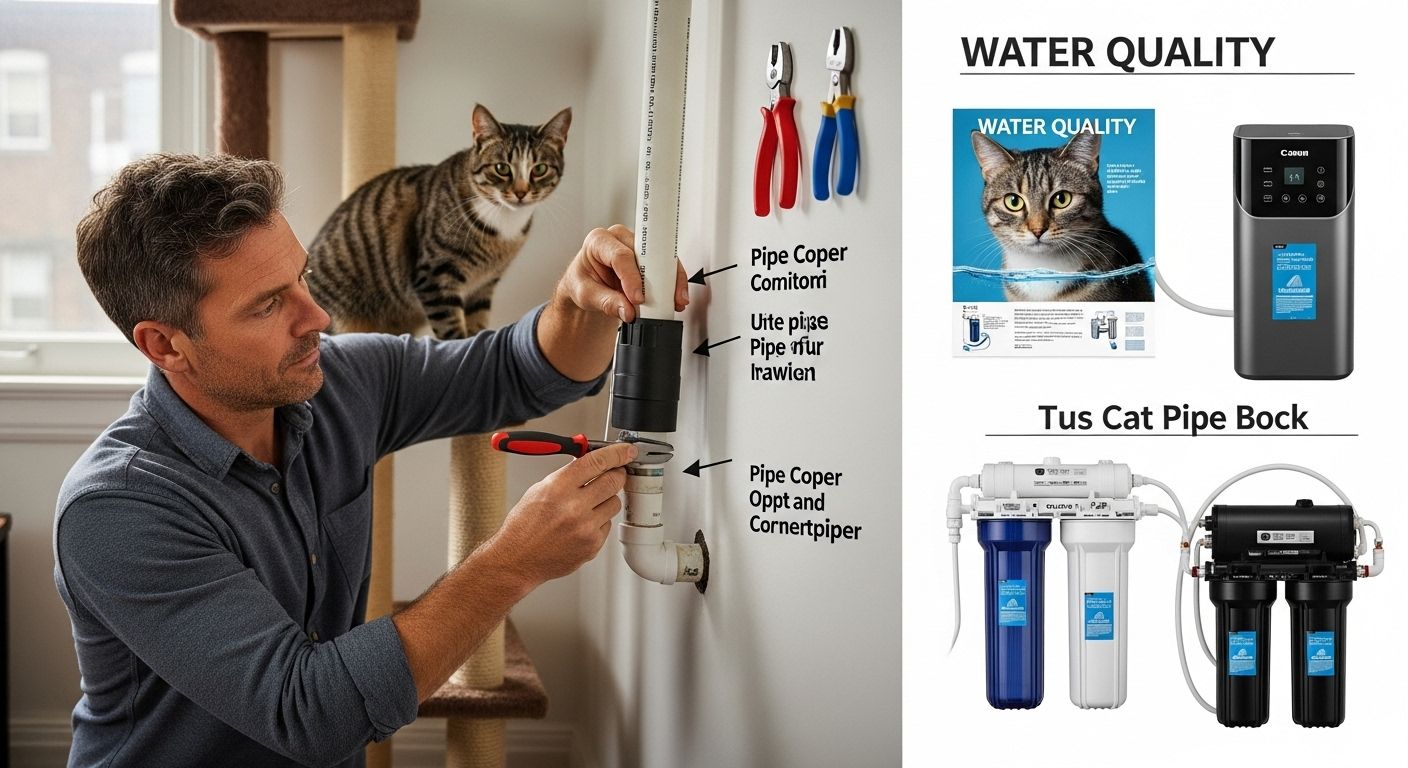
Keep Your Pets Safe and Your Pipes Protected with Our Expert Help
Worried about exposed pipes, hidden leaks, or risky plumbing materials threatening the safety of your pets? The article highlighted how even a small oversight with your home’s plumbing can put your furry family members at risk. At Legacy Plumbing & Drain Inc, we understand your concern for both pet safety and reliable home infrastructure. Our team specializes in solutions that address real pet safety challenges, including water quality improvement, preventative inspections, and secure pipe installations. We handle everything from pet-related plumbing hazards to urgent repairs—so you can enjoy greater peace of mind.
Ready to make your home safer for every member of your family? Visit Legacy Plumbing & Drain Inc for expert advice and tailored plumbing services. For more ideas on keeping your household protected, check out our guide on DIY Plumbing Safety Tips for Sacramento Homeowners or explore our Homeowner Plumbing Checklist. Act now to ensure your home—and your pets—are safe from preventable plumbing dangers.
Frequently Asked Questions
What are some common risks pets pose to plumbing systems?
Pets can chew on exposed pipes, accidentally flush pet-related items, contaminate water sources, or ingest harmful chemicals involved in plumbing.
How can I ensure my plumbing materials are safe for pets?
Choosing corrosion-resistant materials like PVC, CPVC, and PEX can minimize chemical leaching and other risks associated with plumbing materials. Regular assessments and replacements of aging components are also essential.
What preventative maintenance should I perform to keep my plumbing pet-friendly?
Regular inspections for leaks, checking water pressure consistency, using protective pipe covers, and installing drain screens can significantly reduce potential plumbing risks for pets.
How does water quality impact pet health, and what can be done about it?
Water quality affects pet health by determining the level of exposure to contaminants. Using lead-free materials, selecting high-quality plumbing components, and regular water quality monitoring can help maintain a safe environment for pets.
Recommended
-
Are ZZ Plants Toxic to Cats? Understanding Plant Safety for Feline Friends – Lushy Gardens
-
[
Eco Friendly Cleaning Tips For Busy European Mums– The Zoofamily](https://thezoofamily.com/en/blogs/news/eco-friendly-cleaning-tips-for-european-mums)