
Energy efficient plumbing sounds like a small tweak for your home, but it packs a serious punch for savings and sustainability. Most people expect the usual tips about conserving water, yet upgrading to modern plumbing systems can save you up to 30 percent on your water and energy bills each year. People often overlook just how much your pipes and fixtures affect both your wallet and the planet, and that leads to missed opportunities for big improvements.
Table of Contents
- What Is Energy Efficient Plumbing And Why Is It Important?
- How Energy Efficient Plumbing Reduces Water And Energy Consumption
- Key Components Of Energy Efficient Plumbing Systems
- The Environmental And Financial Benefits Of Energy Efficient Plumbing
- Real-World Applications Of Energy Efficient Plumbing In Sacramento And Beyond
Quick Summary
| Takeaway | Explanation |
|---|---|
| Adopt Low-Flow Fixtures | Using low-flow fixtures significantly decreases water usage, leading to lower utility bills. |
| Upgrade to High-Efficiency Heaters | Installing energy-efficient water heaters saves energy and reduces costs over time. |
| Implement Advanced Insulation | Proper insulation of pipes minimizes heat loss, improving energy efficiency. |
| Utilize Smart Technologies | Smart circulation and monitoring systems optimize water delivery and consumption, enhancing overall efficiency. |
| Engage in Local Sustainability Programs | Participating in local energy efficiency initiatives can provide support and incentives for plumbing upgrades. |
What is Energy Efficient Plumbing and Why is it Important?
Energy efficient plumbing represents a strategic approach to reducing water and energy consumption in residential environments. By implementing targeted technologies and practices, homeowners can significantly lower utility costs while minimizing environmental impact.
Understanding the Core Concept
Energy efficient plumbing focuses on optimizing water delivery systems to consume less energy and water. This approach involves selecting specialized fixtures, improving system design, and adopting smart technologies that reduce unnecessary water and heat waste. Learn more about plumbing system upgrades that can transform your home’s efficiency.
Key characteristics of energy efficient plumbing include:
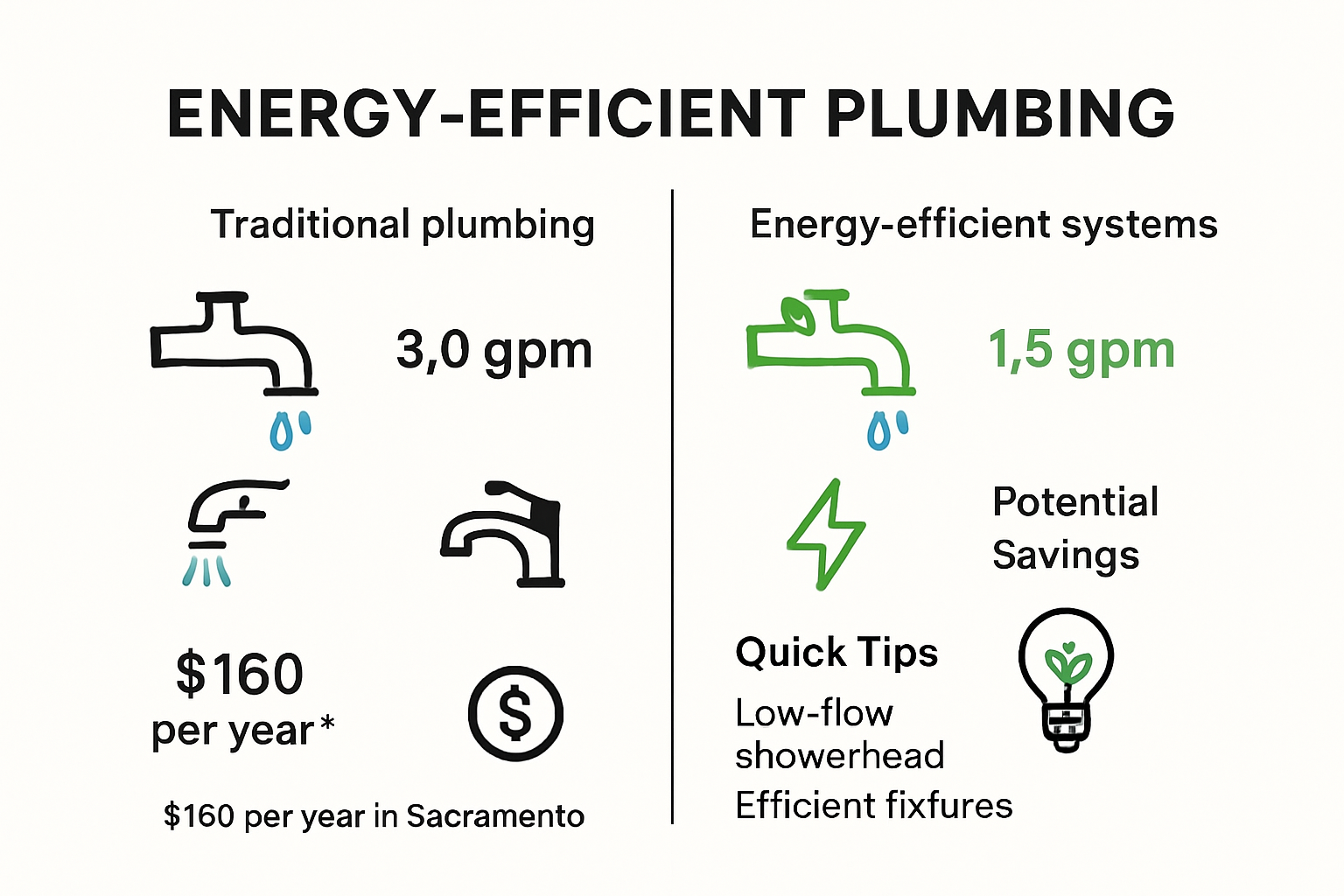
- Utilizing low-flow fixtures that reduce water consumption
- Implementing advanced insulation techniques for water pipes
- Installing water heaters with higher energy efficiency ratings
- Designing plumbing systems that minimize heat loss
Environmental and Economic Benefits
According to EPA WaterSense, energy efficient plumbing solutions can help households save substantial amounts of water and energy. By reducing water heater demand and minimizing unnecessary water consumption, homeowners can achieve significant cost savings while contributing to broader environmental conservation efforts.
The financial advantages are compelling. Homeowners can potentially reduce their annual utility expenses by implementing energy efficient plumbing strategies, with some households reporting savings of up to 30% on water and energy bills. Beyond economic benefits, these practices play a crucial role in sustainable resource management, helping to conserve water and reduce overall energy consumption in residential settings.
How Energy Efficient Plumbing Reduces Water and Energy Consumption
Energy efficient plumbing represents a comprehensive strategy for minimizing resource consumption through intelligent system design and advanced technological interventions. By understanding how water and energy interact within residential plumbing networks, homeowners can implement targeted solutions that dramatically reduce waste and operational costs.
Understanding Resource Consumption Mechanisms
The primary mechanism of energy reduction in plumbing systems involves minimizing heat loss and unnecessary water movement. Water heating represents a significant energy expenditure in most households, accounting for approximately 18% of total home energy use. Explore professional plumbing upgrade strategies that can transform your home’s efficiency.
Key resource consumption reduction strategies include:
- Minimizing the distance between water heaters and fixtures
- Installing advanced pipe insulation materials
- Using thermal expansion technologies
- Implementing smart circulation systems
Water and Energy Conservation Techniques
According to the U.S. Department of Energy, strategic plumbing design can reduce energy consumption through several innovative approaches. These techniques focus on creating more direct, efficient water delivery systems that require less energy to heat and transport water throughout the home.
The most effective energy efficient plumbing methods target multiple consumption points simultaneously. By integrating low-flow fixtures, implementing smart temperature controls, and designing compact distribution networks, homeowners can achieve substantial reductions in both water and energy usage. Advanced technologies like tankless water heaters and intelligent monitoring systems further enhance these conservation efforts, providing precise control over resource consumption while maintaining optimal performance.
Key Components of Energy Efficient Plumbing Systems
Energy efficient plumbing systems integrate sophisticated technologies and strategic design principles to optimize water and energy consumption. Understanding the critical components that contribute to these advanced systems enables homeowners to make informed decisions about their residential infrastructure.
To help readers quickly understand the main technologies and features that make up an energy efficient plumbing system, here is a table summarizing the key components and their primary benefits.
| Component/Technology | Description | Main Efficiency Benefit |
|---|---|---|
| Low-Flow Fixtures | Faucets, toilets, and showerheads using less water | Reduce overall water consumption |
| Advanced Pipe Insulation | High-quality insulation wraps for water pipes | Minimize heat loss during transport |
| High-Efficiency Water Heaters | Tankless, heat pump, or solar water heaters | Lower energy required to heat water |
| Smart Circulation/Monitoring | Systems to optimize water delivery and tracking | Reduce waste and provide control |
| Compact Distribution Networks | Efficient pipe layouts with shortened routes | Less heat loss, quicker delivery |
| Cross-linked Polyethylene (PEX) | Specialized piping material with thermal retention | Enhanced durability and heat retention |
Advanced Piping Technologies
Modern energy efficient plumbing relies on innovative piping materials and configurations that minimize heat loss and reduce water waste. Explore professional plumbing upgrade recommendations to enhance your home’s efficiency. Cross-linked polyethylene (PEX) piping has emerged as a superior technology, offering remarkable thermal performance and durability compared to traditional copper systems.
Key technological components include:
- Insulated pipe materials with superior heat retention
- Compact distribution network designs
- Smart pipe routing to minimize water transit distances
- Advanced thermal expansion technologies
Intelligent Water Heating Solutions
According to the U.S. Department of Housing and Urban Development, innovative water heating technologies play a crucial role in energy efficient plumbing systems. Tankless water heaters, heat pump water heaters, and solar thermal systems represent cutting-edge solutions that dramatically reduce energy consumption.
These intelligent systems utilize advanced mechanisms like precise temperature control, on-demand heating, and integrated energy monitoring to optimize performance. By eliminating standby energy losses associated with traditional tank-based water heaters, homeowners can achieve significant reductions in both energy usage and utility expenses. The integration of smart monitoring technologies further enhances system efficiency, providing real-time insights into water and energy consumption patterns.
The Environmental and Financial Benefits of Energy Efficient Plumbing
Energy efficient plumbing transcends mere technological innovation, offering profound environmental stewardship and substantial economic advantages for homeowners. By implementing strategic water and energy conservation techniques, individuals can simultaneously reduce their ecological footprint and minimize household expenses.
Environmental Conservation Impact
Energy efficient plumbing systems play a critical role in reducing resource consumption and mitigating environmental degradation. Discover comprehensive plumbing upgrade strategies that support sustainable living practices. These systems dramatically decrease water waste, lower greenhouse gas emissions, and minimize overall energy consumption across residential infrastructure.
Key environmental benefits include:
- Significant reduction in water resource depletion
- Decreased carbon emissions from energy production
- Minimized water treatment and distribution energy requirements
- Protection of local watershed ecosystems
Financial Advantages and Long Term Savings
According to the Environmental Protection Agency, energy efficient technologies offer substantial economic advantages beyond immediate utility bill reductions. Homeowners can expect comprehensive financial benefits through reduced operational costs, increased property value, and potential tax incentives associated with sustainable home improvements.
The financial impact extends beyond monthly utility savings. By investing in energy efficient plumbing technologies, homeowners can anticipate reduced maintenance expenses, longer system lifespans, and enhanced overall home performance. Advanced monitoring systems and intelligent design further optimize resource utilization, transforming plumbing infrastructure from a basic utility service into a strategic economic asset that generates ongoing financial returns through consistent energy and water conservation.
Real-World Applications of Energy Efficient Plumbing in Sacramento and Beyond
Energy efficient plumbing solutions are transforming residential infrastructure across Sacramento and neighboring communities, demonstrating practical approaches to sustainable water and energy management. These real-world implementations showcase how innovative technologies can be seamlessly integrated into existing homes and new construction projects.
Local Sacramento Sustainability Initiatives
Sacramento has emerged as a leader in sustainable urban development, with municipal and residential efforts driving significant energy efficiency improvements. Learn about local home renovation strategies that support these transformative initiatives. The city’s commitment to reducing carbon footprints has inspired homeowners to adopt advanced plumbing technologies that minimize resource consumption.
Key local implementation strategies include:
- Residential retrofit programs targeting older home infrastructure
- Municipal incentives for energy efficient plumbing upgrades
- Community education workshops on sustainable water management
- Collaborative partnerships between utility providers and homeowners
Innovative Residential Retrofit Case Studies
According to the Sacramento Municipal Utility District, strategic home retrofitting can achieve remarkable energy efficiency gains. Residential projects in the greater Sacramento area have demonstrated the potential for substantial reductions in water and energy consumption through targeted plumbing system upgrades.
These case studies reveal that comprehensive energy efficient plumbing interventions can dramatically transform residential infrastructure. By integrating advanced technologies such as smart water monitoring systems, high-efficiency fixtures, and intelligent heat recovery mechanisms, homeowners can significantly reduce their environmental impact while simultaneously lowering utility expenses. The success of these local implementations provides a compelling blueprint for sustainable residential development across California and beyond.
Ready to Make Your Home’s Plumbing Truly Energy Efficient?
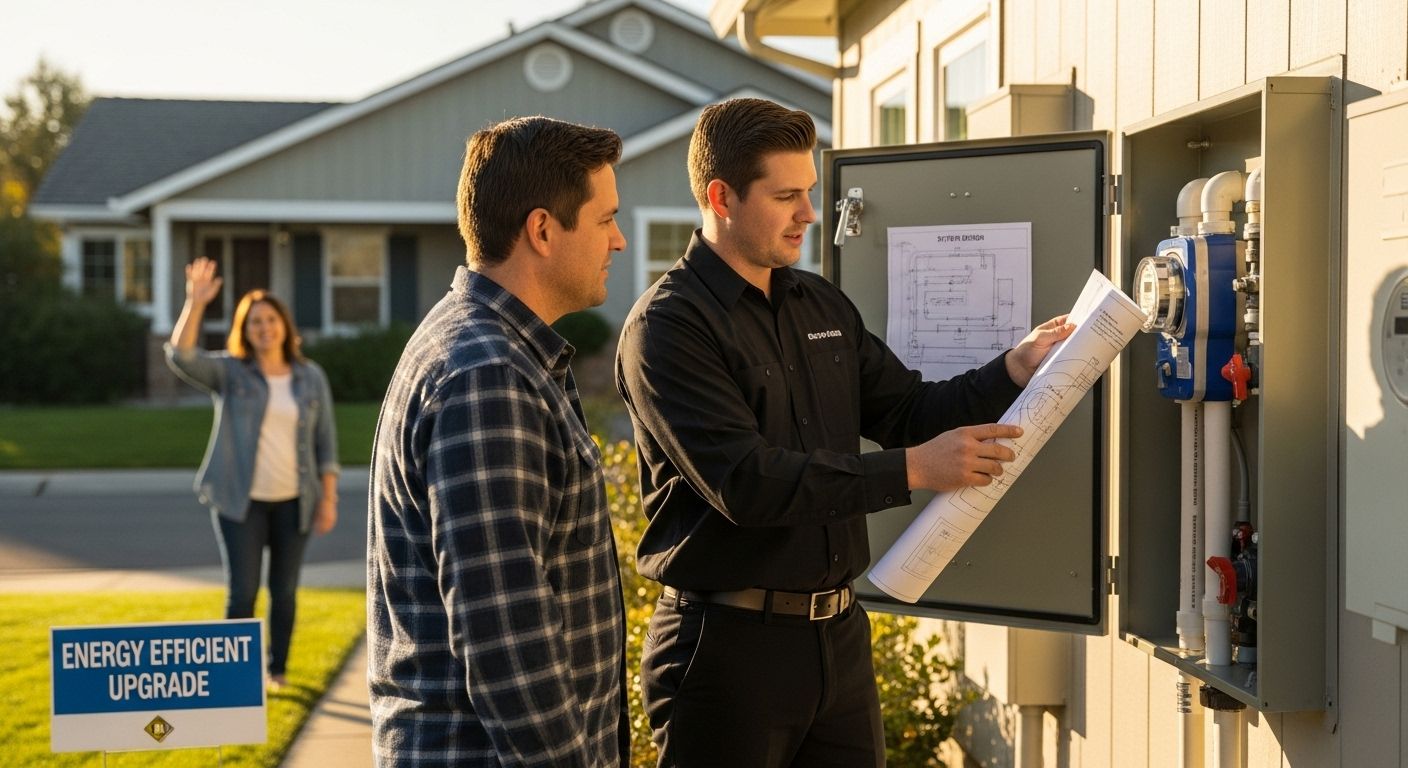
If you’re reading about energy efficient plumbing tips, you probably want to lower utility bills, reduce water waste, and create a more sustainable home environment. But achieving these goals is not always easy. Older systems and outdated fixtures waste valuable resources, creating frustration and higher costs. At Legacy Plumbing & Drain Inc, we solve these exact pain points by combining expert service with the latest plumbing upgrades tailored to Sacramento homeowners’ needs.
Transform your home’s comfort and efficiency with reliable professionals who understand what matters most—safe, smart, and cost-saving solutions. Discover how you can benefit from our advanced plumbing, pipe supply, and energy-saving approaches by visiting Legacy Plumbing & Drain Inc. If you are considering a home renovation soon, read our detailed guide on plumbing for home renovations to see how seamless upgrades can be. For ideas on boosting your home’s value and efficiency, check out the benefits of plumbing system upgrades. Why wait to enjoy a future of lower bills and a greener home? Contact us today for a personalized consultation and start experiencing the Legacy difference.
Frequently Asked Questions
What are the benefits of energy efficient plumbing?
Energy efficient plumbing can significantly reduce water and energy consumption in your home, leading to lower utility bills, decreased environmental impact, and improved overall system performance.
How can I reduce water consumption in my home with plumbing upgrades?
You can reduce water consumption by installing low-flow fixtures, optimizing your plumbing system layout, and utilizing advanced technologies like smart circulation systems and tankless water heaters.
What types of water heaters are considered energy efficient?
Energy efficient water heaters include tankless water heaters, heat pump water heaters, and solar thermal systems. These options reduce standby energy losses associated with traditional tank heaters and provide on-demand heating.
The following comparison table illustrates different types of energy efficient water heaters mentioned in the article and summarizes their core operating principles along with primary advantages.
| Water Heater Type | How It Works | Primary Advantage |
|---|---|---|
| Tankless | Heats water only when needed | Eliminates standby energy losses |
| Heat Pump | Uses ambient air to heat water | Highly efficient energy conversion |
| Solar Thermal | Uses solar panels to heat water | Utilizes renewable energy, lower costs |
| Traditional Tank | Stores hot water in a tank | Constant supply, but less efficient |
How does advanced pipe insulation improve energy efficiency in plumbing systems?
Advanced pipe insulation minimizes heat loss during water transportation, ensuring that less energy is required to maintain desired water temperatures, which ultimately leads to lower energy bills and improved system efficiency.
Recommended
- Top Benefits Of Plumbing Upgrades For Homeowners 2025 – Legacy Plumbing & Drain – Emergency Plumbers Of Sacramento
- Homeowner Plumbing Checklist 2025: Essential Guide For Sacramento & Beyond – Legacy Plumbing & Drain – Emergency Plumbers Of Sacramento
- Homeowner Plumbing Checklist 2025: Essential Guide For Sacramento & Beyond – Legacy Plumbing & Drain – Emergency Plumbers Of Sacramento
- Plumbing Basics Homeowners Need In Sacramento And Nearby (2025) – Legacy Plumbing & Drain – Emergency Plumbers Of Sacramento