
Energy efficient plumbing might sound like a tech upgrade only builders care about. Surprisingly, it touches your wallet and the planet more than you might expect. Energy costs can make up as much as 30 percent of a water utility’s operating expenses, which means small changes at home ripple out into lower bills and a smaller environmental footprint for everyone.
Table of Contents
- What Are Energy Efficient Plumbing Solutions?
- Why Energy Efficiency Matters In Plumbing
- How Energy Efficient Plumbing Works
- Key Concepts In Energy Efficient Plumbing Systems
- Real-World Benefits Of Implementing Energy Efficient Plumbing
Quick Summary
| Takeaway | Explanation |
|---|---|
| Implement Low Flow Fixtures | Installing low flow fixtures reduces water usage without sacrificing performance. |
| Adopt Advanced Heating Technologies | Utilize modern water heating systems to improve thermal efficiency and lower energy costs. |
| Monitor Usage with Smart Systems | Smart monitoring tracks water and energy use in real-time, enabling proactive management. |
| Insulate Pipes to Minimize Heat Loss | Proper insulation techniques can significantly decrease energy loss during water transportation. |
| Embrace Sustainability for Financial Benefits | Energy-efficient plumbing not only benefits the environment but also reduces monthly bills and maintenance costs. |
What Are Energy Efficient Plumbing Solutions?
Energy efficient plumbing solutions represent strategic approaches to reducing water and energy consumption through innovative technologies and smart design principles. These solutions focus on minimizing waste, optimizing water usage, and lowering overall utility costs for homeowners while supporting environmental sustainability.
Understanding Core Components
At their foundation, energy efficient plumbing solutions encompass a range of technologies and practices designed to streamline water consumption and reduce energy expenditure. The U.S. General Services Administration highlights several key components that define these solutions:
- Low flow fixtures that reduce water consumption without compromising performance
- Advanced water heating technologies with superior thermal efficiency
- Smart monitoring systems that track water and energy usage in real time
- Insulation techniques that minimize heat loss in water transportation
Homeowners interested in comprehensive upgrades can read more about potential plumbing improvements to enhance their home’s overall efficiency.
This table outlines the core components and technologies that define energy efficient plumbing solutions, helping readers quickly identify the primary features that set these systems apart from traditional plumbing.
| Component or Technology | Purpose | How It Enhances Efficiency |
|---|---|---|
| Low Flow Fixtures | Reduce water usage | Minimize water consumption without sacrificing fixture performance |
| Advanced Water Heating Technologies | Improve thermal efficiency | Deliver hot water with less energy loss and shorter heating times |
| Smart Monitoring Systems | Track real-time water and energy use | Enable proactive detection of leaks and overuse, optimizing usage patterns |
| High-Quality Pipe Insulation | Minimize heat loss during water transportation | Maintain higher water temperatures for lower energy consumption |
| Smart Circulation Systems | Reduce standing time of water in pipes | Diminish heat loss and water waste by keeping hot water closer to fixtures |
Economic and Environmental Benefits
Energy efficient plumbing solutions deliver significant advantages beyond immediate cost savings. By implementing these technologies, households can simultaneously reduce their environmental footprint and decrease monthly utility expenses. Typical benefits include:
- Reduced water heating costs
- Lower monthly water bills
- Decreased strain on municipal water infrastructure
- Minimized carbon emissions associated with water treatment and transportation
These solutions represent a critical intersection between personal financial management and responsible environmental stewardship, allowing homeowners to make meaningful contributions to sustainability while improving their household infrastructure.
The following table compares the key economic and environmental benefits of energy efficient plumbing solutions, summarizing their positive impacts for households and communities.
| Benefit Type | Specific Advantage | Impact Description |
|---|---|---|
| Economic | Reduced water heating costs | Lowers monthly energy bills associated with hot water consumption |
| Economic | Lower monthly water bills | Decreases costs by minimizing unnecessary water usage |
| Economic | Lower maintenance and replacement costs | Modern systems require less frequent repairs and component replacements |
| Economic | Increased property value | Sustainable upgrades boost home resale and appraisal values |
| Environmental | Decreased strain on municipal infrastructure | Lessens demand on public utilities and water treatment facilities |
| Environmental | Minimized carbon emissions | Reduces energy-related greenhouse gas emissions from water heating |
| Environmental | Conservation of natural water resources | Limits overuse of finite water supplies |
Why Energy Efficiency Matters in Plumbing
Energy efficiency in plumbing transcends mere cost savings and represents a critical approach to responsible resource management. Homeowners and communities increasingly recognize that plumbing systems play a significant role in overall energy consumption and environmental sustainability.
Environmental Impact of Inefficient Plumbing
Inefficient plumbing systems contribute substantially to energy waste and environmental degradation. According to the U.S. Environmental Protection Agency, energy costs often constitute 25 to 30 percent of a water utility’s total operation and maintenance expenses. This substantial energy consumption translates into several critical environmental challenges:
- Increased carbon emissions from energy production
- Higher water treatment and distribution energy requirements
- Greater strain on natural resources
- Accelerated climate change impacts
Explore potential home renovation strategies that can help minimize these environmental challenges while improving your home’s overall efficiency.
Economic Considerations of Energy Efficient Systems
Beyond environmental benefits, energy efficient plumbing solutions offer compelling economic advantages. Modern technologies and design principles enable homeowners to significantly reduce utility expenses while maintaining high-performance household systems. Key economic benefits include:
- Reduced monthly water and energy bills
- Lower maintenance and replacement costs
- Increased property value through sustainable upgrades
- Potential tax incentives for energy efficient home improvements
By investing in energy efficient plumbing solutions, homeowners can simultaneously contribute to environmental preservation and achieve meaningful financial savings. These systems represent a strategic approach to resource management that balances personal economic interests with broader ecological responsibilities.
How Energy Efficient Plumbing Works
Energy efficient plumbing operates through sophisticated technologies and strategic design principles that minimize water waste and reduce energy consumption across residential plumbing systems. These intelligent solutions transform traditional water delivery and heating mechanisms into more sustainable and cost-effective infrastructures.
Water Flow and Distribution Optimization
The core mechanism of energy efficient plumbing revolves around intelligent water flow management. According to EPA research, water-efficient technologies focus on reducing unnecessary water movement and heat loss. Key optimization strategies include:
- Minimizing pipe length and diameter to reduce heat transfer
- Installing advanced insulation materials around water pipes
- Implementing smart circulation systems that reduce water standing time
- Using precise flow control mechanisms in fixtures
Learn about potential plumbing upgrades that can enhance your home’s overall water efficiency and performance.
Thermal Efficiency in Water Heating
Thermal management represents another critical component of energy efficient plumbing. Advanced water heating technologies now incorporate sophisticated heat retention and rapid heating mechanisms that dramatically reduce energy consumption. These systems work by:
- Utilizing high-efficiency heat exchangers
- Implementing instant water heating technologies
- Integrating smart temperature control systems
- Employing advanced insulation techniques
By redesigning how water is heated and distributed, these technologies significantly reduce the energy typically lost in traditional plumbing systems, providing homeowners with more sustainable and cost-effective solutions.
Key Concepts in Energy Efficient Plumbing Systems
Energy efficient plumbing systems represent a sophisticated approach to managing water resources that integrates advanced technologies, intelligent design principles, and sustainable practices. Understanding these systems requires exploring the fundamental concepts that drive their performance and effectiveness.
Thermal Management and Heat Transfer
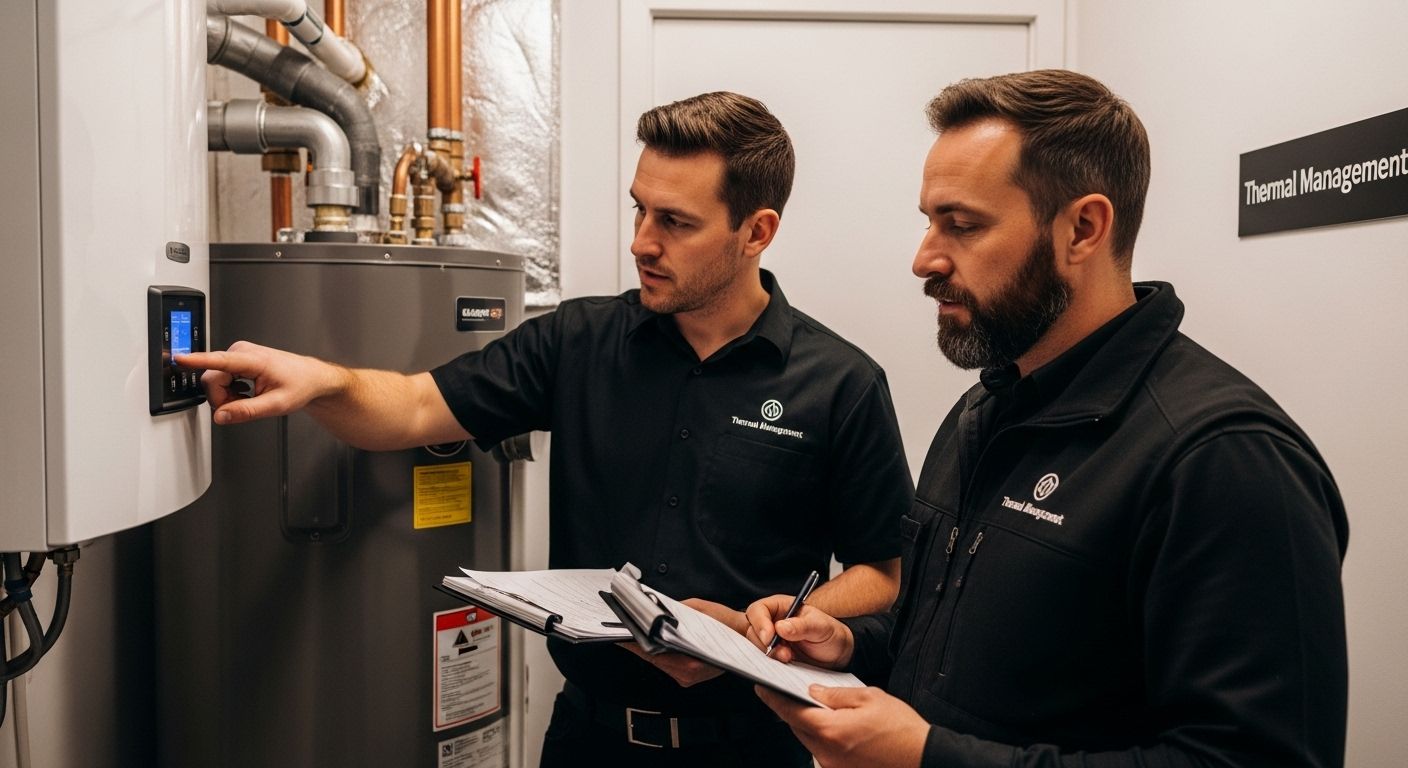
Thermal efficiency lies at the heart of energy efficient plumbing design. According to research from PATH field evaluations, strategic approaches to heat management can generate significant energy savings. Critical thermal management concepts include:
- Minimizing heat loss during water transportation
- Implementing advanced insulation techniques
- Utilizing rapid heating technologies
- Designing shorter pipe routes to reduce energy waste
Learn about potential home renovation strategies that can optimize your home’s thermal efficiency and reduce energy consumption.
Water Flow and Resource Conservation
Effective water flow management represents another cornerstone of energy efficient plumbing systems. Modern technologies focus on precise control and minimal waste through innovative design strategies:
- Implementing smart flow control mechanisms
- Using high-efficiency fixtures with reduced water consumption
- Creating intelligent circulation systems
- Monitoring and adapting water usage patterns
These approaches not only conserve water but also reduce the energy required for water heating and distribution, creating a comprehensive approach to resource management that benefits both homeowners and the environment.
Real-World Benefits of Implementing Energy Efficient Plumbing
Energy efficient plumbing transforms theoretical sustainability concepts into tangible advantages for homeowners and communities. By adopting advanced technologies and intelligent design principles, households can experience substantial economic and environmental benefits that extend far beyond traditional plumbing approaches.
Financial Advantages
Implementing energy efficient plumbing solutions provides significant economic benefits for homeowners. According to PATH field evaluations, strategic temperature management and technology upgrades can generate annual savings of $67 or more. Specific financial benefits include:
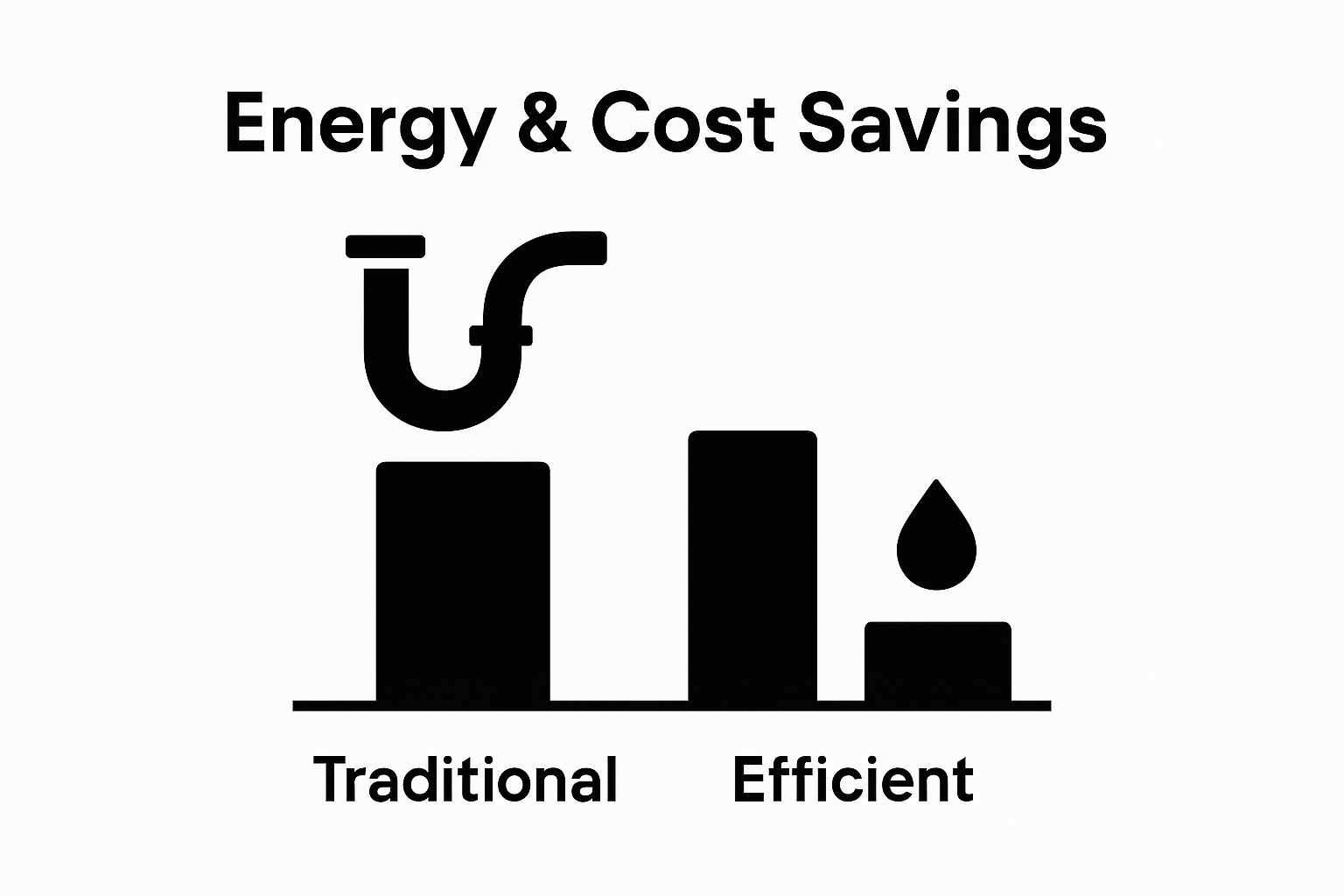
- Reduced monthly utility bills
- Lower water heating expenses
- Decreased maintenance and replacement costs
- Potential tax incentives for green home improvements
Learn about potential plumbing upgrades that can enhance your home’s financial efficiency and performance.
Environmental Impact and Sustainability
Beyond financial gains, energy efficient plumbing plays a crucial role in environmental conservation. These systems significantly reduce water consumption, minimize energy waste, and contribute to broader ecological sustainability efforts. Key environmental benefits encompass:
- Reduced carbon emissions from water heating
- Decreased strain on municipal water infrastructure
- Conservation of natural water resources
- Minimized energy consumption associated with water treatment
By adopting these advanced plumbing technologies, homeowners become active participants in sustainable resource management, creating positive environmental change through everyday household decisions.
Upgrade Your Sacramento Home with Energy Efficient Plumbing
Are rising utility bills and wasted resources becoming a worry in your household? The article highlights how inefficient plumbing can drive up costs and put a strain on both your wallet and the environment. If you are looking to experience the advantages of advanced solutions such as thermal management, smart water flow control, and modern insulation, Legacy Plumbing & Drain Inc can help you take the next step with personalized, expert guidance.
Choose a team dedicated to quality and innovation. As Sacramento’s trusted plumbers, we offer energy efficient upgrades, emergency repairs, and a full range of plumbing and heating services for your home. Now is the best time to reduce your environmental impact and unlock savings with proven expert help. Visit our main website or learn more about our plumbing upgrades for homeowners today. Modern comfort and responsible resource management are just a click away. Schedule your consultation now and see the difference our energy efficient plumbing solutions make.
Frequently Asked Questions
What are energy efficient plumbing solutions?
Energy efficient plumbing solutions involve technologies and practices designed to reduce water and energy consumption, optimize water usage, and lower utility costs while promoting environmental sustainability.
How do energy efficient plumbing systems work?
These systems work by minimizing water waste and energy consumption through optimized water flow management, advanced insulation techniques, and sophisticated water heating technologies that increase thermal efficiency.
What are the economic benefits of using energy efficient plumbing?
Economic benefits include reduced monthly utility bills, lower maintenance costs, increased property value from sustainable upgrades, and potential tax incentives for energy efficient home improvements.
Why is thermal efficiency important in plumbing systems?
Thermal efficiency is crucial because it minimizes heat loss during water transportation, ultimately reducing energy consumption required for heating water. This contributes to a decrease in overall utility costs and environmental impact.