
Kitchen plumbing might sound simple but it is full of surprises. Most people never realize that even a tiny leak can waste up to 10,000 gallons of water per year according to the EPA. You might think a drip here or there is harmless. The real shock is how quickly those small problems can explode into thousands of dollars in repairs if you ignore the warning signs.
Table of Contents
- Understanding Your Kitchen Plumbing System
- Common Kitchen Plumbing Problems And DIY Fixes
- When To Call An Emergency Plumber Near You
- Tips To Prevent Plumbing Issues In Your Kitchen
Quick Summary
| Takeaway | Explanation |
|---|---|
| Understand key plumbing components | Familiarize yourself with supply lines and drain pipes for effective maintenance. |
| Regularly inspect for leaks | Check connections and under-sink areas to prevent water waste and damage. |
| Address clogs promptly | Use mechanical methods to clear blockages, avoiding harsh chemical solutions. |
| Know when to call a professional | Identify severe symptoms like persistent leaks or low water pressure for expert help. |
| Implement preventive maintenance | Schedule regular inspections and prepare for seasonal challenges to avoid emergency repairs. |
Understanding Your Kitchen Plumbing System
Every kitchen’s plumbing system is a complex network of interconnected pipes and fixtures that work together to provide clean water and remove waste efficiently. Understanding the basic components and how they function can help homeowners prevent potential issues and maintain their kitchen’s plumbing infrastructure.
Key Components of Kitchen Plumbing
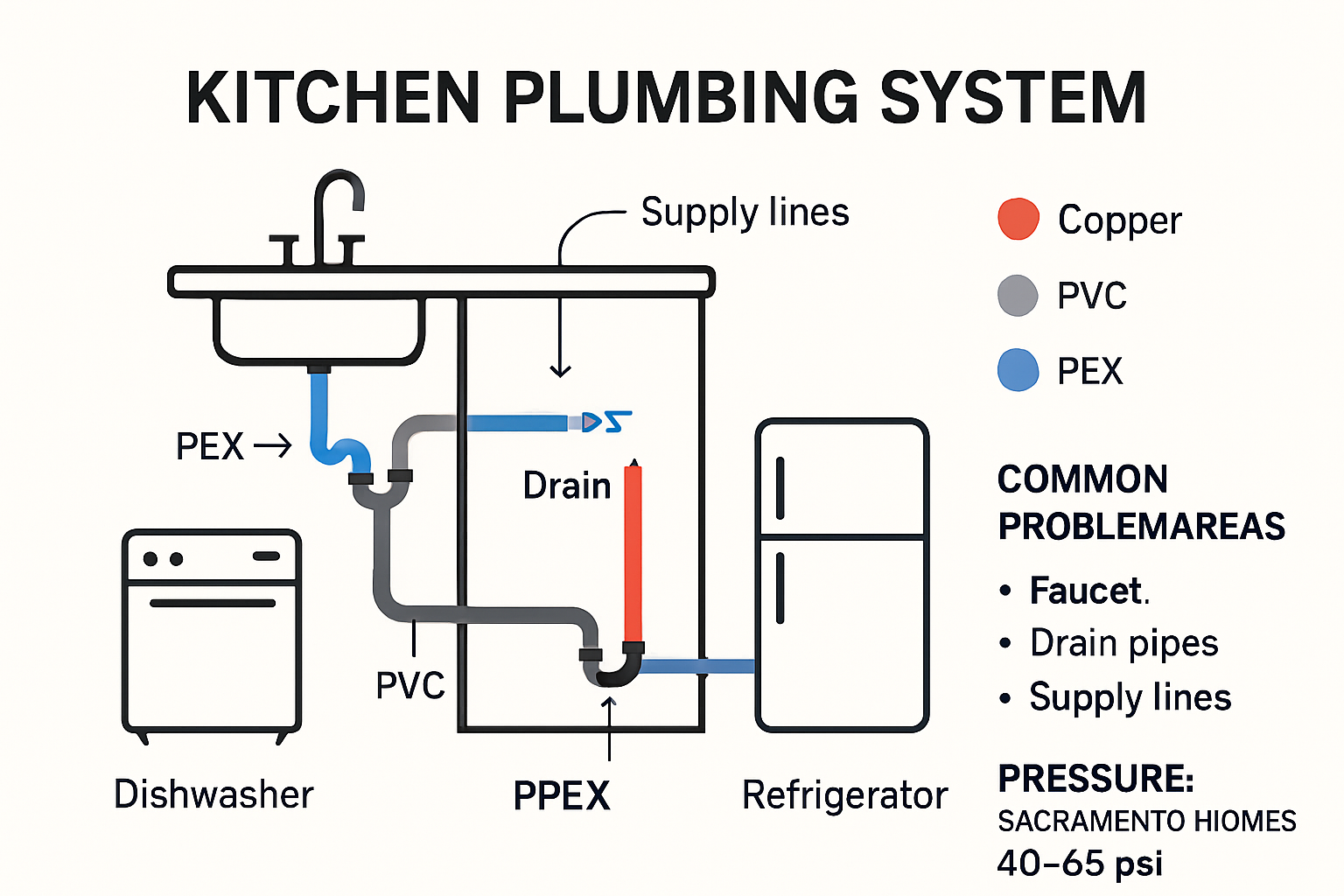
A typical kitchen plumbing system consists of several critical elements that work in harmony. Supply lines bring fresh water into your kitchen, while drain pipes remove wastewater. According to Purdue University Extension, these systems typically involve multiple material types, including copper, PVC, and PEX pipes, each with unique properties and performance characteristics.
Here’s a summary table highlighting the key components of a typical kitchen plumbing system and their main functions. This table helps homeowners quickly identify each part and understand its role in maintaining efficient kitchen plumbing.
| Component | Description | Main Function |
|---|---|---|
| Supply Lines | Pipes (copper, PVC, PEX) bringing water in | Deliver fresh water to fixtures |
| Drain Pipes | Pipes carrying wastewater away | Remove used water from kitchen |
| Faucet | Water-dispensing fixture | Provides controlled water access |
| Dishwasher Connection | Pipe linking dishwasher to supply and drain | Allows appliance water in/out |
| Refrigerator Water Line | Small supply line to fridge (ice/water) | Delivers water for ice/water |
| Trap (P-Trap) | Curved drain section under sink | Prevents sewer gases escaping |
| Shutoff Valves | Valves beneath sink or at appliances | Enable fixture isolation for repairs |
Supply lines connect directly to your home’s main water source, typically running to key fixtures like the kitchen sink, dishwasher, and refrigerator water line. These pipes must be robust enough to withstand consistent water pressure and potential temperature variations. Drain pipes, conversely, are designed to effectively channel wastewater away from your kitchen and into the main sewer line or septic system.
Water Pressure and Flow Dynamics
Understanding water pressure is crucial for maintaining a healthy kitchen plumbing system. The average residential water pressure ranges between 40 to 80 pounds per square inch (PSI). Too high pressure can stress pipes and fixtures, potentially causing leaks or damage, while low pressure might indicate underlying issues like pipe blockages or system malfunctions.
Modern kitchens often incorporate multiple water-using appliances, which means your plumbing system must efficiently manage water distribution. Dishwashers, refrigerators with water dispensers, and kitchen sinks all draw from the same supply lines. This interconnectedness requires careful design to ensure consistent water flow and prevent potential bottlenecks.
Maintenance and Potential Challenges
Regular maintenance is key to preventing unexpected plumbing problems. Homeowners should periodically inspect under-sink areas for signs of moisture, check pipe connections, and be aware of any changes in water pressure or drainage speed. Legacy Plumbing & Drain’s guide to home plumbing systems offers comprehensive insights into understanding your home’s specific plumbing configuration.
Common challenges include mineral buildup in pipes, potential leaks around fixture connections, and gradual pipe degradation. Sacramento area homes, with their specific water composition and age variations, might experience unique plumbing challenges that require specialized attention. By understanding your kitchen’s plumbing basics, you can proactively address potential issues before they escalate into costly repairs.
Common Kitchen Plumbing Problems and DIY Fixes
Kitchen plumbing issues can range from minor inconveniences to potential home disasters. Recognizing common problems and knowing how to address them can save homeowners time, money, and prevent extensive damage. Understanding the right approach to basic repairs can make a significant difference in maintaining your kitchen’s plumbing system.
Below is a checklist-style table summarizing common kitchen plumbing issues and recommended homeowner responses. Use this as a quick reference to determine when you can try a DIY fix and when professional help is necessary.
| Problem | DIY Actions | Call a Professional? | Warning Signs to Watch For |
|---|---|---|---|
| Small leak (pipe/faucet) | Tighten, replace washer, tape | If unresolved | Persistent drip, water stains |
| Minor drain clog | Plunge, snake, baking soda/vinegar | If persists | Standing water, slow drainage |
| Persistent/major leak | Temporary tape, shut water off | Yes | Visible mold, musty odor, large puddles |
| Low water pressure | Check aerator, simple cleaning | Yes | Sudden drop, all fixtures affected |
| Sewer backup or flooding | None (shut off water, contain) | Yes, immediately | Sewage smell, water rising from drain |
| Appliance water connection issue | Inspect hose, tighten fittings | If leak persists | Water under appliance, musty smells |
Identifying and Addressing Leaks
Leaks are among the most prevalent kitchen plumbing problems homeowners encounter. According to the U.S. Environmental Protection Agency, even small leaks can waste significant amounts of water and potentially cause extensive damage if left unaddressed. Common leak sources include sink faucets, pipe connections, and under-sink areas.
Homeowners should regularly inspect pipe connections, looking for signs of moisture, water stains, or subtle dripping. Simple fixes often involve tightening connections, replacing worn washers, or applying plumber’s tape to seal minor gaps. For more complex leaks around fixtures or pipe joints, temporary solutions like waterproof tape can provide a short-term fix until professional help arrives.
Drainage Problems and Sink Maintenance
Clogged drains represent another frequent kitchen plumbing challenge. Food debris, grease buildup, and foreign objects can quickly create blockages that impede water flow. While chemical drain cleaners might seem convenient, they can potentially damage pipe materials and are not always the most effective solution.
Mechanical methods like plunging, using a drain snake, or creating a natural cleaning solution with baking soda and vinegar can often clear minor clogs. Prevention is key prevention. Using drain strainers, avoiding pouring grease down the sink, and running hot water after dish cleaning can help maintain clear pipes. Legacy Plumbing’s guide to kitchen plumbing issues provides additional insights into managing these common challenges.
When to Call a Professional
While many minor plumbing issues can be addressed through DIY methods, certain situations require professional intervention. Complex leaks, persistent drainage problems, low water pressure, or signs of pipe corrosion indicate the need for expert assessment. Sacramento area homeowners should be particularly attentive to potential issues related to water hardness and older home infrastructure.
Warning signs that demand immediate professional attention include unexplained water damage, persistent musty odors, visible mold near pipe connections, or significant drops in water pressure. These symptoms could indicate more serious underlying plumbing system problems that require specialized diagnostic and repair techniques. By recognizing the limits of DIY repairs and knowing when to seek professional help, homeowners can prevent minor issues from escalating into costly and disruptive plumbing emergencies.
When to Call an Emergency Plumber Near You
Kitchen plumbing emergencies can escalate quickly, transforming minor issues into major home disasters. Understanding when to seek immediate professional help can protect your property, prevent extensive water damage, and ensure the safety of your home’s critical infrastructure.
Recognizing Critical Plumbing Emergency Signs
Not all plumbing issues constitute an emergency, but certain situations demand immediate professional intervention. Severe water leaks that cannot be controlled, significant pipe bursts, or complete drainage system failures represent scenarios where waiting is not an option. Flooding from kitchen pipes can cause substantial structural damage within hours, potentially compromising your home’s foundation, electrical systems, and creating conditions for dangerous mold growth.
Some critical warning signs include uncontrolled water flow, sewage backup into kitchen areas, gas line leaks near kitchen appliances, or sudden complete loss of water pressure. These situations pose immediate risks to your home’s structural integrity and your family’s health. Legacy Plumbing’s emergency checklist provides detailed guidance on initial response steps during critical plumbing events.
Financial and Property Protection Considerations
Emergency plumbing interventions are not just about immediate repair but also about preventing long-term financial losses. Water damage can rapidly depreciate home value, destroy expensive kitchen equipment, and create extensive repair requirements. Insurance companies often require documented professional intervention for water-related claims, making timely professional assessment crucial.
The average cost of water damage restoration can range from several thousand to tens of thousands of dollars, depending on the extent of damage. Minor leaks left unaddressed can lead to structural wood rot, electrical system damage, and significant mold remediation expenses. Professional emergency plumbers can provide immediate mitigation, detailed damage assessment, and documentation critical for insurance purposes.
Selecting the Right Emergency Plumbing Service
Choosing a reliable emergency plumbing service requires careful consideration. Look for professionals offering 24/7 response, transparent pricing, licensed and insured technicians, and rapid response times. Sacramento area homeowners should prioritize local services familiar with regional plumbing infrastructure and potential environmental challenges.
Before a crisis occurs, research and save contact information for reputable emergency plumbers. Verify their credentials, read customer reviews, and understand their emergency response protocols. Some key questions to consider include their average response time, diagnostic capabilities, and whether they provide immediate temporary solutions to prevent further damage. By preparing in advance, you can minimize potential property damage and reduce the stress associated with unexpected plumbing emergencies.
Tips to Prevent Plumbing Issues in Your Kitchen
Preventive maintenance is the cornerstone of a healthy kitchen plumbing system. By implementing strategic practices and being proactive, homeowners can significantly reduce the likelihood of costly repairs and unexpected plumbing emergencies. Understanding how to care for your kitchen’s plumbing infrastructure can save both time and money in the long run.
Maintaining Drain and Fixture Health
Kitchen drains are particularly vulnerable to clogs and buildup. According to the Environmental Protection Agency, regular maintenance of faucet aerators and drain systems is crucial for preventing potential issues. Homeowners should develop a routine of cleaning drain strainers, avoiding pouring grease or coffee grounds down the sink, and using natural cleaning methods like baking soda and vinegar to keep pipes clear.
Faucet aerators require periodic cleaning to prevent mineral buildup that can restrict water flow. Removing and soaking aerators in vinegar can help dissolve calcium deposits and maintain optimal water pressure. Additionally, being mindful of what goes down your kitchen drain is critical. Implement a strict policy of disposing of food scraps in the trash or compost, rather than washing them down the sink, to prevent potential blockages.
Water Conservation and Leak Prevention
Water waste and undetected leaks can cause significant damage to your kitchen’s plumbing system. EPA’s WaterSense program emphasizes that even minor leaks can waste substantial amounts of water and potentially lead to more serious plumbing problems. Develop a habit of regularly inspecting under-sink areas, checking pipe connections, and listening for unusual sounds that might indicate hidden leaks.
Install water-efficient fixtures and consider using leak detection devices that can alert you to potential water flow issues. Modern smart home technologies offer affordable solutions that can monitor water usage and detect anomalies in real-time. Legacy Plumbing’s guide to kitchen maintenance provides additional insights into proactive plumbing care for Sacramento area homes.
Professional Maintenance and Seasonal Considerations
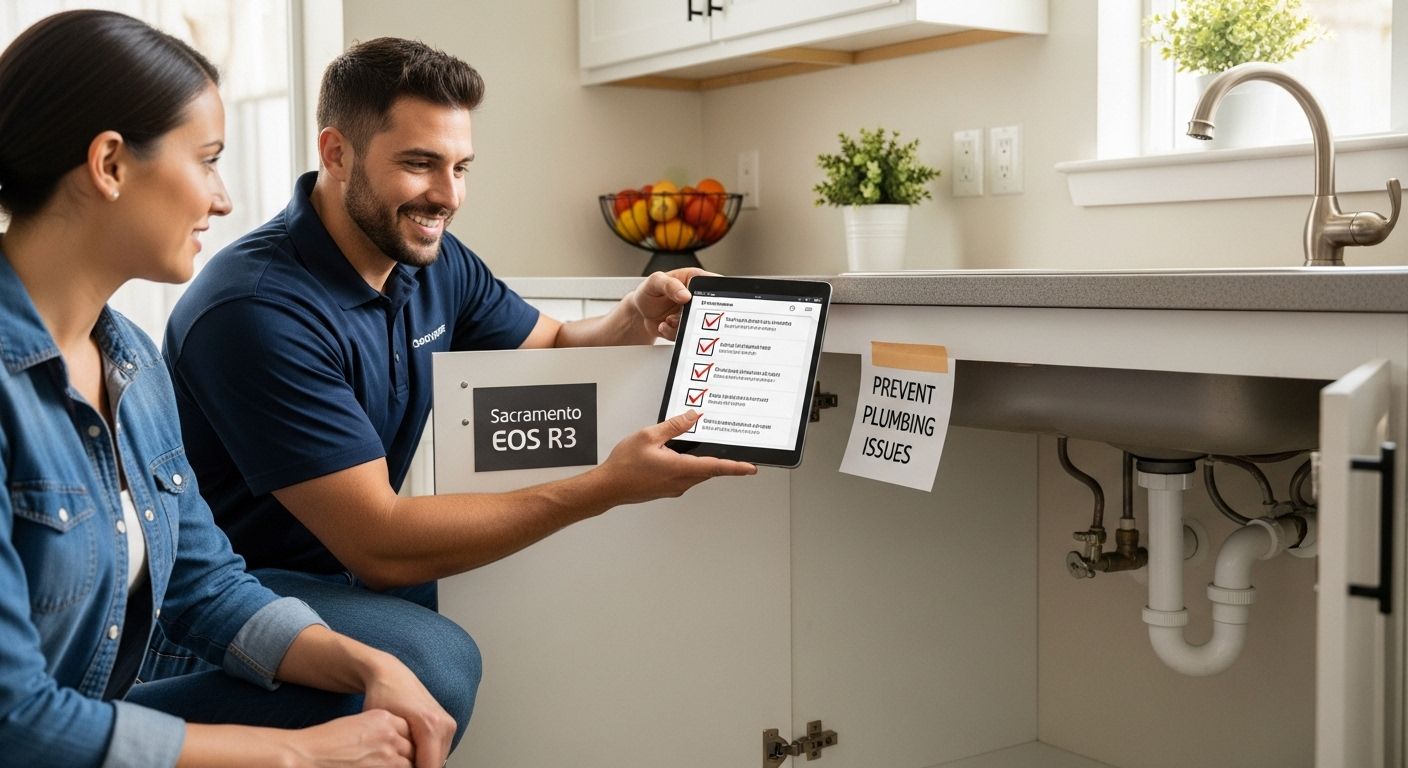
While DIY maintenance is essential, periodic professional inspections can catch potential issues before they become major problems. Sacramento’s unique water composition and varying temperature ranges can impact plumbing systems differently compared to other regions. Schedule annual or bi-annual inspections with a trusted local plumber who understands the specific challenges of the area.
Seasonally, take extra precautions during temperature fluctuations. Insulate exposed pipes, especially in older homes, to prevent potential freezing or stress on pipe materials. Be particularly attentive during winter months when temperature variations can be more extreme. By combining regular homeowner maintenance with professional expertise, you can create a robust defense against potential kitchen plumbing issues and ensure the longevity of your home’s critical water infrastructure.
Frequently Asked Questions
What are the key components of a kitchen plumbing system?
A typical kitchen plumbing system includes supply lines that deliver fresh water, drain pipes that remove wastewater, faucets, dishwasher connections, and shutoff valves for maintenance.
How can I identify and fix small leaks in my kitchen plumbing?
To identify small leaks, inspect pipe connections and under-sink areas for moisture or water stains. Fix minor leaks by tightening connections, replacing washers, or using plumber’s tape to seal gaps.
What should I do if I experience low water pressure in my kitchen?
If you notice low water pressure, check your faucet aerator for clogs and clean it. If the issue persists across multiple fixtures, consider calling a professional plumber to inspect for underlying problems.
When is it necessary to call an emergency plumber for kitchen issues?
Call an emergency plumber for severe leaks that cannot be controlled, sewer backups, complete loss of water pressure, or flooding that poses risk to your property and health.
Solve Your Kitchen Plumbing Stress—Get Lasting Relief Today
Struggling with leaks under your sink, frustrating water pressure drops, or lingering clogs that threaten to damage your Sacramento home? You already know from this guide how fast a small drip can grow into a disaster. Ignoring these problems can quickly lead to costly repairs, mold growth, or even water damage that ruins your peace of mind.
Take action before minor issues become emergencies. Trust the experts at Legacy Plumbing & Drain Inc for fast, local kitchen plumbing solutions. Our skilled technicians are available around the clock to handle everything from leak detection to emergency repairs. You deserve a kitchen you can count on, so don’t wait—contact us now and experience why homeowners in Sacramento and nearby cities choose us for reliable, efficient plumbing that keeps your home safe and comfortable.
Recommended
- Plumbing Basics Homeowners Need In Sacramento And Nearby (2025) – Legacy Plumbing & Drain – Emergency Plumbers Of Sacramento
- Types Of Home Plumbing Systems: A Guide For Sacramento Area Homeowners 2025 – Legacy Plumbing & Drain – Emergency Plumbers Of Sacramento
- Top Plumbing Tips For New Homeowners In Sacramento Area 2025 – Legacy Plumbing & Drain – Emergency Plumbers Of Sacramento
- Plumbing For Home Renovations In 2025: Sacramento & Beyond – Legacy Plumbing & Drain – Emergency Plumbers Of Sacramento
- How to Install New Kitchen Faucet | Delta Plumbers