Blocked drains are one of the most urgent headaches for any American homeowner, especially in Sacramento where unexpected plumbing issues can spiral into expensive water damage. Studies show more than 50 percent of household floods start with simple clogs that go unchecked. Immediate action not only protects your home but also keeps your daily routine on track. Find out the most trusted, step-by-step methods designed for Sacramento homeowners who want fast, lasting relief from stubborn blockages.
Table of Contents
- Step 1: Gather Essential Tools And Safety Gear
- Step 2: Inspect And Identify The Blockage Source
- Step 3: Apply Safe Diy Unclogging Methods
- Step 4: Utilize Professional-Grade Equipment Safely
- Step 5: Check Drain Flow To Confirm Blockage Removal
- Step 6: Implement Preventive Measures For Future Clogs
Quick Summary
| Key Insight | Explanation |
|---|---|
| 1. Gather essential tools first | Collect tools like a plunger, drain snake, and safety gear before starting the unclogging process. |
| 2. Identify blockage sources | Inspect drain areas for slow drainage, gurgling sounds, or visible obstructions to determine the cause of the blockage. |
| 3. Use safe unclogging methods | Start with a plunger and drain snake, opting for bio-enzymatic cleaners if necessary, to safely address clogs. |
| 4. Confirm blockage removal | Run water at full volume to ensure smooth flow, checking for any signs of lingering blockages. |
| 5. Implement preventive measures | Use drain screens and conduct monthly maintenance to prevent future blockages, ensuring proper drain care. |
Step 1: Gather essential tools and safety gear
Before jumping into resolving your blocked drain, you need the right equipment to protect yourself and tackle the job effectively. Proper preparation means gathering specific tools and safety gear that will help you work confidently and safely. Safety guidelines from Cornell University emphasize the critical importance of having tools in proper working condition and wearing appropriate protective equipment.
Your essential toolkit should include a plunger, drain snake, adjustable wrench, protective gloves, safety glasses, a flashlight, and a bucket. As recommended by emergency preparedness experts, wear sturdy closed toe shoes, long pants, and a long sleeve shirt to protect your skin. Safety glasses will shield your eyes from potential splashes, while thick rubber gloves will protect your hands from bacteria and potential chemical exposure.
Organize your tools within easy reach before starting the drain clearing process. Place your bucket nearby to catch water and debris, and ensure your work area is well lit with your flashlight. Having everything prepared will help you work efficiently and minimize potential accidents or interruptions.
Pro tip: Keep a dedicated drain repair kit in a waterproof container so you can quickly access everything you need during unexpected plumbing emergencies.
Step 2: Inspect and identify the blockage source
Now that you have your tools ready, it is time to diagnose what exactly is causing your blocked drain. Understanding the Drain, Waste, and Vent system involves carefully examining potential blockage points and learning how to systematically track down the problem.
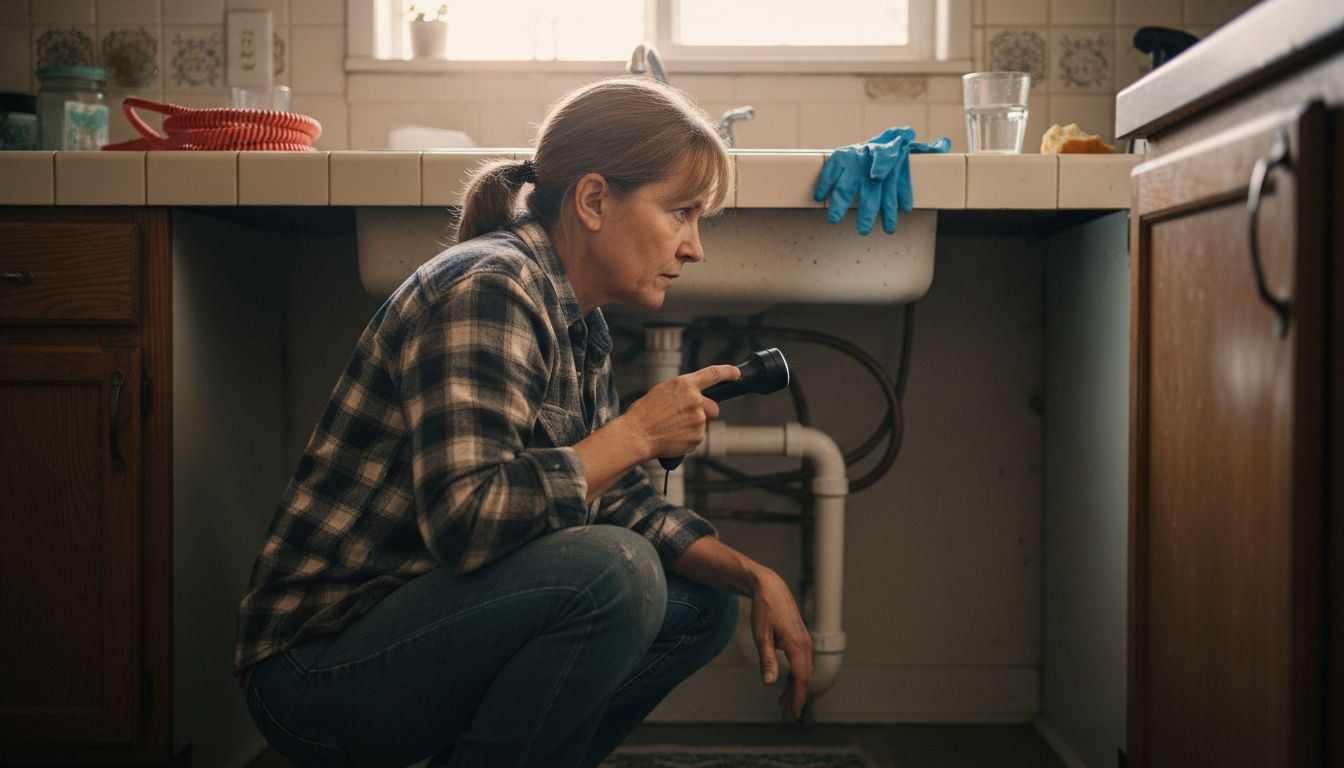
Start by visually inspecting all accessible drain areas. Look for clear signs of blockage such as slow water drainage, gurgling sounds, or standing water in sinks and tubs. Check under sink cabinets for any visible leaks or pipe irregularities. Pay special attention to areas around pipe connections, trap assemblies, and vent stacks where debris typically accumulates. Safety inspection principles suggest a methodical approach of examining each component carefully and noting any unusual characteristics.
If you cannot immediately identify the blockage source, try using your drain snake to probe deeper into the pipes. Gently insert the snake and feel for resistance or obstructions. Be careful not to force the tool, as this could potentially damage your pipes. The location and type of resistance will help you understand whether you are dealing with a localized clog or a more systemic drainage issue.
Pro tip: Always keep a flashlight and small mirror nearby to help you inspect hard to reach areas and get a clear view of pipe conditions.
Here is a summary of common blockage sources and their typical signs:
| Blockage Source | Common Signs | Typical Location |
|---|---|---|
| Hair and debris | Slow draining water | Bathroom sinks, showers |
| Food particles | Bad odor, gurgling | Kitchen sinks |
| Grease buildup | Standing water | Kitchen, utility sinks |
| Foreign objects | Complete blockage | Toilets, laundry drains |
Step 3: Apply safe DIY unclogging methods
Now that you have identified the blockage, it is time to tackle the problem safely and effectively. Mechanical techniques for drain clearing offer homeowners several reliable options for resolving drainage issues without resorting to harsh chemicals.
Start with a plunger as your first line of defense. Create a tight seal around the drain opening and use firm, consistent plunging motions. If the plunger does not work, transition to a drain snake. Safety protocols recommend using protective equipment such as rubber gloves and safety glasses during this process. When using the drain snake, insert it carefully into the pipe and gently maneuver it through the blockage. Rotate the snake to break up debris and avoid applying excessive force that might damage your pipes.
If mechanical methods do not resolve the issue, consider using bio-enzymatic cleaners that break down organic matter without causing pipe damage. These natural solutions are safer than chemical drain cleaners and can effectively address minor clogs without risking your plumbing system.
Pro tip: Always keep a bucket and towels nearby to quickly manage any water or debris that might emerge during your unclogging attempts.
Step 4: Utilize professional-grade equipment safely
If previous methods have not resolved your blocked drain, it is time to consider advanced equipment that can tackle more challenging clogs. Professional drain cleaning protocols emphasize the critical importance of proper equipment handling and safety measures when working with specialized tools.
Motorized drain augers and high-pressure water jetters represent powerful solutions for stubborn blockages. Facilities management guidelines recommend comprehensive safety procedures before operating such equipment. This includes wearing full personal protective equipment such as safety glasses, thick rubber gloves, waterproof clothing, and closed toe shoes. Before starting, carefully inspect the equipment for any damage or wear that might compromise its performance or safety. Ensure you understand the specific operational instructions for each tool and maintain a stable, balanced stance while working.
When using a motorized drain snake, feed the cable slowly and steadily into the pipe, allowing the machine to do the work. For water jetters, start with lower pressure settings and gradually increase as needed. Always maintain control of the equipment and be prepared to stop immediately if you encounter unexpected resistance or unusual pipe sounds.
Pro tip: Wear protective eyewear and keep your face away from the equipment to prevent potential splash back or unexpected debris projection.
Here is a quick comparison of unclogging methods and their effectiveness:
| Method | Best For | Advantages |
|---|---|---|
| Plunger | Minor or soft clogs | Quick and easy to use |
| Manual drain snake | Deeper or tough clogs | Reaches beyond trap |
| Bio-enzymatic cleaner | Organic buildup | Safe for pipes and eco-safe |
| Motorized auger | Stubborn blockages | High removal effectiveness |
Step 5: Check drain flow to confirm blockage removal
After applying your unclogging methods, you need to verify that the blockage has been completely removed. Drain, Waste, and Vent system performance tests are crucial for confirming successful drainage restoration.
Begin by running water at full volume in the affected fixture. Watch for smooth water flow without any gurgling sounds or slow drainage. Test multiple fixtures connected to the same drain line to ensure comprehensive clearing. Pay attention to water speed water volume and listen for any unusual sounds that might indicate remaining partial blockages. Check that water drains quickly and completely without pooling or backing up. If multiple fixtures show clear drainage and you notice no strange odors or backup signs, you have likely successfully removed the blockage.
If you encounter persistent drainage issues or notice incomplete blockage removal, it might be time to consider professional intervention. Recurring problems could indicate more complex plumbing system challenges that require specialized diagnostic tools and expert assessment.
Pro tip: Run hot water for several minutes after clearing a drain to help flush out any remaining debris and ensure complete system cleaning.
Step 6: Implement preventive measures for future clogs
Preventing future drain blockages requires a proactive approach that goes beyond temporary fixes. Maintaining your Drain, Waste, and Vent system involves strategic practices that protect your home’s plumbing infrastructure.
Start by installing drain screens or strainers in kitchen sinks, bathroom drains, and shower areas to catch hair, food particles, and debris before they enter your pipes. Be mindful of what goes down your drains establishing a strict no-grease policy in your kitchen. Cooking oils and food scraps should never be poured down the sink as they solidify and create stubborn blockages. Regularly flush your drains with hot water and conduct monthly maintenance using natural cleaning solutions like baking soda and vinegar to break down potential buildup.
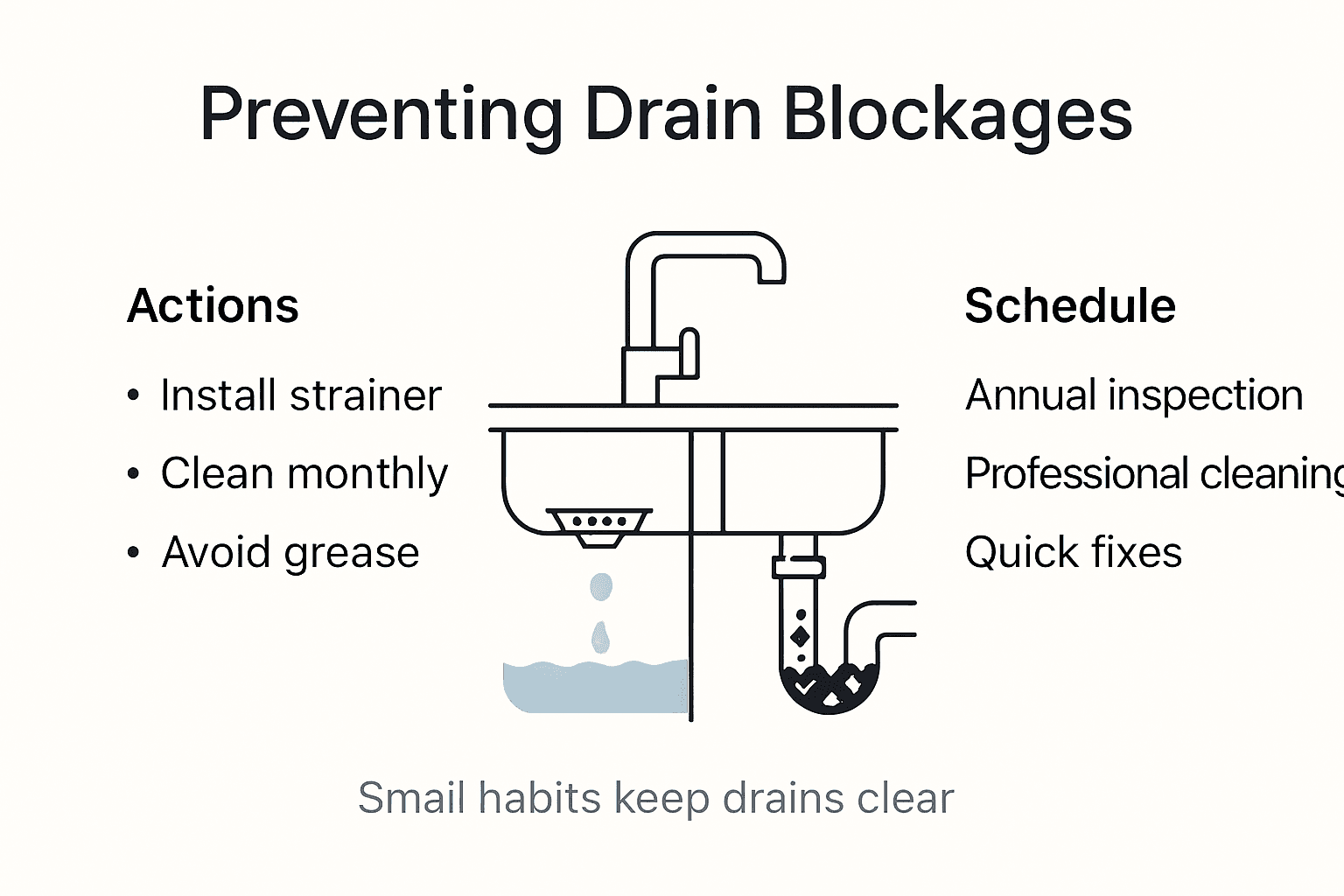
Consider scheduling annual professional drain inspections to catch potential issues early. Plumbers can perform camera inspections to identify early signs of pipe damage or potential blockage points. These preventative checkups can save you significant money and headaches by addressing minor issues before they escalate into major plumbing problems.
Pro tip: Create a small maintenance calendar to remind yourself of monthly drain cleaning and annual professional inspections.
Take Control of Your Sacramento Home’s Blocked Drains Today
Blocked drains can disrupt your daily routine and cause unnecessary stress. If you have noticed slow drainage, unpleasant odors, or recurring clogs in your plumbing system, the detailed guidance in “Blocked Drain Solutions for Sacramento Homes Made Simple” will empower you with safe DIY techniques and prevention tips. However, some blockages require expert tools and experience to resolve fully so you can enjoy peace of mind and a smoothly functioning home.
Legacy Plumbing & Drain Inc is Sacramento’s trusted emergency plumber, offering skilled and reliable drain clearing services 24/7. Our experienced technicians use professional-grade equipment safely and effectively to remove stubborn blockages that DIY methods cannot tackle. You deserve quality solutions that protect your home and provide lasting relief from drain issues. Visit Legacy Plumbing & Drain Inc now and let us handle your plumbing challenges with the care and expertise you expect. Don’t wait until a small clog becomes a major problem. Contact us today for prompt service and expert advice.
Frequently Asked Questions
What tools do I need to clear a blocked drain at home?
To clear a blocked drain effectively, gather essential tools such as a plunger, drain snake, adjustable wrench, protective gloves, safety glasses, a flashlight, and a bucket. Start by organizing these tools within easy reach to ensure a smooth unclogging process.
How can I identify the source of a blocked drain?
Inspect your drain areas for slow water drainage, gurgling sounds, or standing water. Check under sink cabinets for leaks and study pipe connections for any visible blockages.
What are some effective DIY methods for unclogging drains?
Use a plunger first, applying firm, consistent motions to create a seal around the drain. If that doesn’t work, try a drain snake to reach deeper clogs and feel for resistance.
When should I consider using professional drain cleaning services?
If basic unclogging methods do not resolve your blocked drain, consider calling a professional. Regularly encountering drainage issues may indicate deeper plumbing problems that require expert attention.
What preventive measures can I take to avoid future drain blockages?
Install drain screens in sinks and showers to catch hair and debris, and avoid pouring grease down the sink. Consider scheduling annual professional drain inspections to identify potential issues before they turn into major problems.
Recommended
- How Drains Work: Guide For Sacramento Area Homeowners 2025 – Legacy Plumbing & Drain – Emergency Plumbers Of Sacramento
- Understanding The Signs Of A Blocked Drain For Homeowners – Legacy Plumbing & Drain – Emergency Plumbers Of Sacramento
- Difference Between Sewer And Drain: Complete Guide – Legacy Plumbing & Drain – Emergency Plumbers Of Sacramento
- Understanding Drainage Problems Explained For Homeowners – Legacy Plumbing & Drain – Emergency Plumbers Of Sacramento