
Water pooling in your yard may seem like just another rainy day problem, yet it actually signals a risk many homeowners brush off. Turns out, unresolved drainage issues can slash your property value by up to 15 percent. And most people think the real trouble starts outside, but damage from bad drainage often begins deep within your foundation, long before you spot puddles on the grass.
Table of Contents
- What Are Drainage Problems And Their Causes?
- Why Drainage Matters For Homeowners In Your Area
- How Drainage Systems Work: Key Components Explained
- Common Signs Of Drainage Issues Everyone Should Know
- Solutions And Preventive Measures For Effective Drainage
Quick Summary
| Takeaway | Explanation |
|---|---|
| Drainage problems can harm your property. | Inefficient water flow can cause structural damage and landscape deterioration. Addressing these issues is crucial to protect your home. |
| Soil type greatly affects drainage. | Clay-heavy soils impede water movement, leading to pooling and potential damage, unlike sandy or loamy soils that drain better. |
| Monitor for visual warning signs. | Standing water, erosion, and unusual plant growth indicate drainage issues. Early detection helps avert costly repairs. |
| Regular maintenance is essential. | Proactive landscaping and drainage evaluations can prevent significant problems and ensure long-term property integrity and value. |
| Seek professional assessments for solutions. | Engaging drainage experts can provide tailored recommendations and effective strategies for managing water flow on your property. |
What Are Drainage Problems and Their Causes?
Drainage problems occur when water cannot efficiently flow away from your property, creating potential risks to your home’s structural integrity and landscaping. These issues stem from multiple interconnected factors that disrupt the natural water movement around residential spaces.
Understanding Water Flow Dynamics
At its core, drainage problems emerge when water encounters obstacles preventing its smooth passage through soil and landscaping. Comprehensive research from the Environmental Protection Agency indicates that improper water management can lead to significant property damage and environmental challenges.
Key factors contributing to drainage problems include:
- Soil compaction reducing natural water absorption
- Incorrect landscape grading
- Blocked underground drainage pathways
- Inadequate surface water management systems
- Poor initial property design and construction
Common Sources of Drainage Complications
Homeowners frequently encounter drainage challenges due to several primary reasons. Soil composition plays a critical role in water movement. Clay-heavy soils, which are dense and less permeable, significantly impede water drainage compared to sandy or loamy soil types.
Below is a table comparing various soil types mentioned in the article and their impact on drainage effectiveness for homeowners.
| Soil Type | Permeability | Drainage Quality | Common Issues |
|---|---|---|---|
| Clay-heavy | Low | Poor | Water pooling, foundation damage |
| Sandy | High | Good | Minimal pooling, quick drainage |
| Loamy | Moderate | Good | Balanced drainage, healthy landscape |
This means water pools more readily, creating potential foundation and landscaping issues.
Topographical considerations also substantially impact drainage effectiveness. Properties built on flat or slightly sloped terrain struggle more with water dispersion compared to those with natural downward gradients. The angle and direction of ground slope determine how quickly water moves away from structures.
Understanding these drainage dynamics helps homeowners recognize potential problems early. Learn more about identifying drainage issues in our comprehensive guide to protect your property from water-related damage.
Why Drainage Matters for Homeowners in Your Area
Drainage is not just a technical concern but a critical aspect of homeownership that directly impacts property value, structural integrity, and long-term maintenance expenses. In regions like Sacramento, where varying soil conditions and seasonal weather patterns significantly influence water management, understanding drainage becomes paramount.
Economic Impact of Proper Drainage
Poor drainage can lead to substantial financial consequences for homeowners. According to research from the National Association of Home Builders, unresolved drainage issues can decrease property values by up to 15%. These economic implications extend beyond immediate repair costs, potentially affecting future resale opportunities.
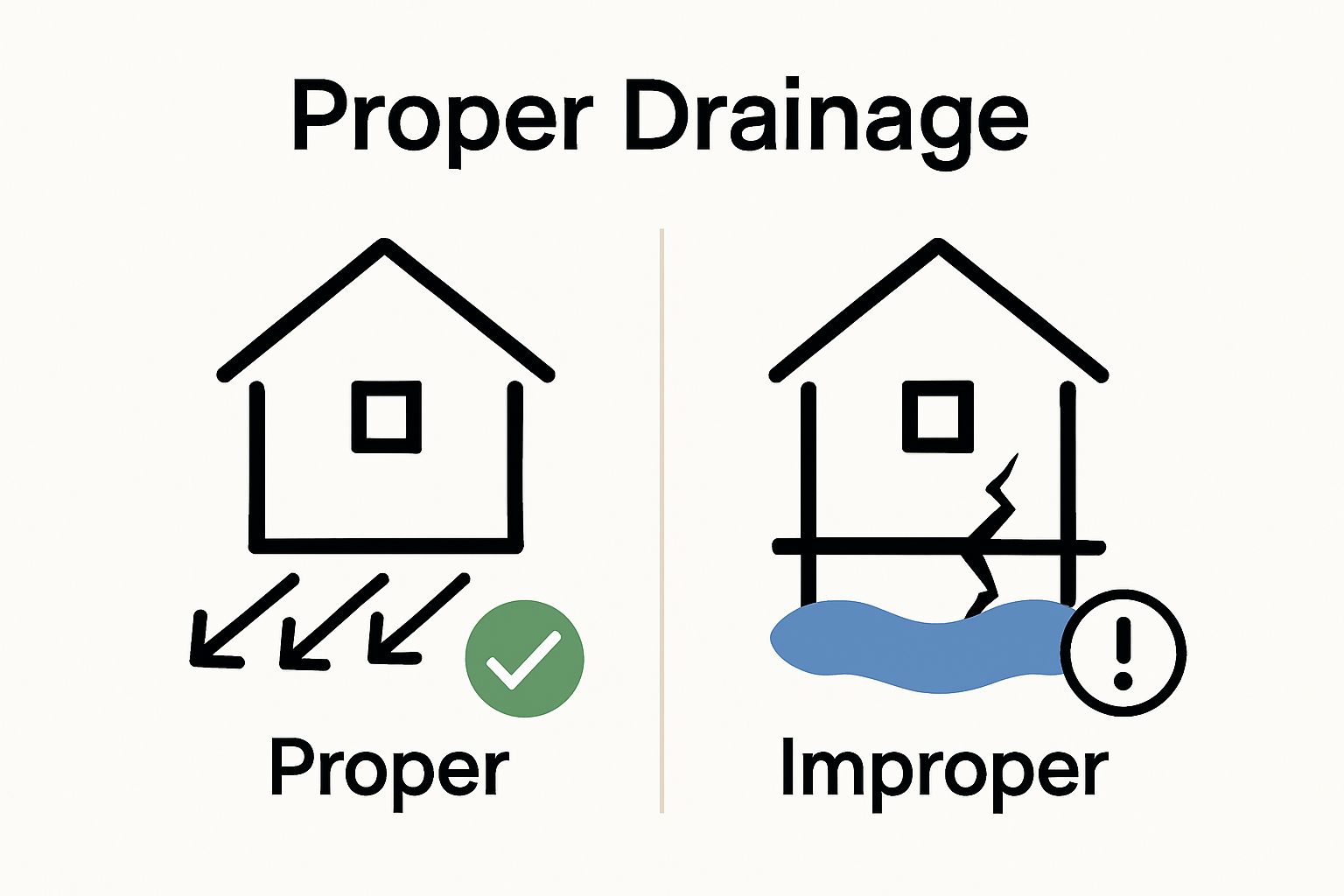
Key economic risks associated with drainage problems include:
- Foundational damage requiring expensive structural repairs
- Landscape erosion reducing property aesthetics
- Potential mold and moisture-related health hazards
- Increased insurance premiums due to recurring water damage
- Reduced overall property marketability
Health and Environmental Considerations
Beyond financial implications, drainage problems pose significant health and environmental risks. Stagnant water creates breeding grounds for mosquitoes, potentially increasing transmission of vector-borne diseases. Moreover, improper water management can contaminate local groundwater systems and disrupt natural ecological balances.
Homeowners in areas with clay-rich soils or limited natural water runoff must be particularly vigilant. Water accumulation near residential structures can compromise soil stability, leading to potential foundation shifts and structural vulnerabilities. Check out our detailed guide on identifying early drainage warning signs to protect your property proactively.
Effective drainage management requires a holistic approach, combining professional assessment, strategic landscaping, and regular maintenance to mitigate potential risks and preserve your home’s long-term value and safety.
How Drainage Systems Work: Key Components Explained
Drainage systems represent a complex network of interconnected components designed to manage water flow and protect residential infrastructure. Understanding these systems helps homeowners recognize potential issues and maintain their property’s water management capabilities effectively.
Core Drainage Infrastructure
At the heart of any effective drainage system are several critical components working in synchronized harmony. Research from the American Society of Civil Engineers highlights the intricate design required for optimal water management.
Key drainage infrastructure components include:
- Underground pipe networks
- Surface water collection points
- Slope and gradient mechanisms
- Soil absorption zones
- Runoff channeling structures
Water Movement and Flow Dynamics
The fundamental principle of drainage systems involves gravity-assisted water transportation. Water naturally moves from higher elevation points to lower areas, utilizing carefully designed slopes and underground conduits. Residential drainage systems leverage this natural phenomenon by creating pathways that direct water away from structures and critical infrastructure.
Different terrain types significantly influence drainage effectiveness. Clay-heavy soils with low permeability require more sophisticated drainage solutions compared to sandy or loamy ground compositions. These variations demand tailored approaches to water management that account for specific geological characteristics.
Homeowners should understand that drainage is not a one-size-fits-all solution. Explore our comprehensive guide on identifying drainage system requirements to ensure your property remains protected against potential water-related challenges.
Professional assessment becomes crucial in designing and maintaining these intricate water management systems, ensuring long-term property protection and preventing potential structural damage caused by improper water flow.
Common Signs of Drainage Issues Everyone Should Know
Recognizing early warning signs of drainage problems can save homeowners significant time, money, and potential structural damage. Understanding these indicators allows for proactive intervention before minor issues escalate into costly repairs.
Visual and Landscape Warning Signals
Research from the National Drainage Foundation demonstrates that early detection is crucial in preventing extensive property damage. Homeowners should remain vigilant about specific visual cues that indicate potential drainage complications.
Key visual warning signs include:
- Standing water in yard or around foundation
- Unexplained wet or soggy ground areas
- Erosion patterns in landscaping
- Unusual plant growth or vegetation changes
- Visible soil settlement or ground depression
Structural Indicators of Drainage Problems
Drainage issues often manifest through subtle structural changes that can compromise your home’s integrity. Water accumulation and improper drainage create significant stress on foundations, potentially leading to long-term structural vulnerabilities. Homeowners should pay close attention to signs such as foundation cracks, basement moisture, and uneven flooring.
Additional structural warning signals involve unexplained musty odors, mold growth in basements or crawl spaces, and recurring humidity problems.
The table below summarizes the key visual and structural warning signs of drainage problems that homeowners should watch for, as highlighted in the article.
| Warning Sign | Area Affected | What It Indicates |
|---|---|---|
| Standing water | Yard, foundation area | Ineffective drainage, potential damage |
| Soggy ground | Lawn, landscape | Poor soil absorption |
| Erosion patterns | Yard, landscape beds | Surface water mismanagement |
| Unusual plant growth | Garden, lawn | Persistent moisture |
| Soil settlement or depression | Near foundation, walkways | Subsurface drainage issues |
| Foundation cracks | Structural foundation | Water pressure, inadequate runoff |
| Musty odors/mold in basement/crawlspace | Indoors, below-grade areas | Chronic moisture, hidden leaks |
These symptoms suggest underlying moisture management challenges that require immediate professional assessment.
Learn more about identifying critical drainage warning signs to protect your property from potential water-related damage. Professional drainage experts can provide comprehensive evaluations and recommend targeted solutions tailored to your specific property conditions.
Solutions and Preventive Measures for Effective Drainage
Addressing drainage challenges requires a comprehensive approach that combines strategic planning, proactive maintenance, and targeted interventions. Homeowners can implement multiple solutions to mitigate water management risks and protect their property’s structural integrity.
Landscape and Grading Strategies
Research from the Environmental Protection Agency highlights the importance of landscape design in effective water management. Proper grading and strategic landscaping serve as fundamental preventive measures against drainage complications.
Key landscape drainage solutions include:
- Creating positive slope away from foundation
- Installing French drain systems
- Implementing rain gardens
- Using permeable landscaping materials
- Establishing strategic vegetation barriers
Technical Drainage Interventions
Technical solutions provide more advanced approaches to managing water flow and preventing potential infrastructure damage. These interventions range from simple modifications to complex engineering techniques designed to redirect and control water movement.
Advanced drainage techniques involve underground pipe reconfiguration, strategic waterproofing, and installation of sophisticated drainage infrastructure. Homeowners should consider professional assessment to determine the most appropriate technical solutions for their specific property characteristics.
Explore our comprehensive guide on maintaining optimal drainage systems to ensure long-term property protection. Professional drainage experts can provide tailored recommendations that address unique landscape and architectural challenges, helping homeowners implement effective water management strategies.
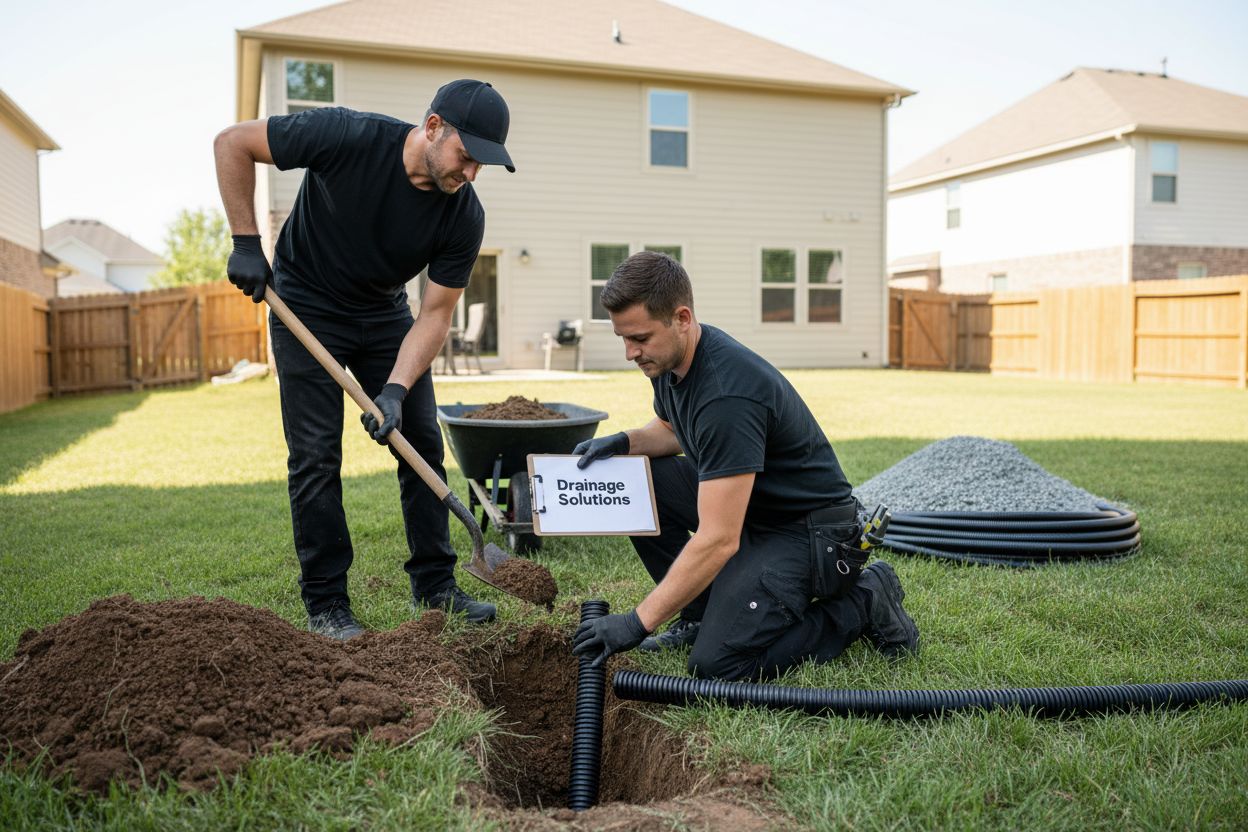
Protect Your Home From Drainage Headaches—Choose Real Solutions Today
Water pooling around your foundation or unexplained soggy patches in your yard can quickly become more than just a nuisance. These are early signs of drainage issues that can undermine your property’s value, invite costly repairs, and threaten the safety of your living space. Maybe you have noticed musty odors or visible soil settlement discussed in our guide. Ignoring these problems only increases the risk of structural damage and health hazards.
Take control of your home’s safety now by teaming up with Legacy Plumbing & Drain Inc. Our drainage experts in Sacramento deliver reliable solutions ranging from professional assessments to advanced repairs tailored for the unique soil and weather conditions of our area. Don’t wait until small warning signs escalate—learn how our skilled technicians can help you enjoy a dry, secure home all year round. Visit our website to request your drainage evaluation and get the peace of mind you deserve today.
Frequently Asked Questions
What are the common signs of drainage problems in my yard?
Drainage problems can show up as standing water in your yard, wet patches around the foundation, or unusual plant growth. To identify these issues early, regularly inspect your property after heavy rainfall and note any persistent damp areas.
How can I prevent drainage issues from affecting my home?
You can prevent drainage problems by ensuring that the landscaping slopes away from your home. Implement grading solutions that direct water flow away from the foundation and consider installing a French drain system for better water management.
What should I do if I notice foundation cracks related to drainage issues?
If you see foundation cracks, it’s essential to address them promptly to prevent further damage. Contact a professional to evaluate the situation and potentially install drainage solutions or perform necessary repairs within a few weeks to safeguard your property.
How does soil type impact drainage problems?
Soil type plays a significant role in drainage effectiveness, with clay-heavy soils causing more issues than sandy or loamy soils. Test your soil composition and consider amending it or using drainage systems that can handle your specific type.
What landscaping changes can I make to improve drainage around my home?
To improve drainage, create a positive slope away from your home, use permeable materials in your garden, and plant vegetation that can help absorb excess water. Make these changes gradually, and monitor their effects on drainage over time to see improvements.
When should I call a professional for drainage issues?
Call a professional if you notice persistent drainage problems despite your efforts to manage water flow effectively. If issues like standing water or structural changes occur, seek help within a few days to address the risks before they worsen.
Recommended
- Understanding Common Drainage Problems At Home – Legacy Plumbing & Drain – Emergency Plumbers Of Sacramento
- Drain Cleaning Vs. Drain Clearing: Which Do You Need?
- Essential Outdoor Drain Maintenance Tips For Homeowners – Legacy Plumbing & Drain – Emergency Plumbers Of Sacramento
- Understanding The Benefits Of Regular Drain Cleaning – Legacy Plumbing & Drain – Emergency Plumbers Of Sacramento