
Pipes running through your walls can seem unbreakable and reliable, always hidden and out of mind. But about 250,000 homes across the US experience pipe bursts every year, unleashing thousands of gallons of water in just minutes. Most people blame these disasters on bad luck, yet the real cause usually traces back to overlooked warning signs and factors you can control.
Table of Contents
- The Basics Of Pipe Bursts: What Are They?
- The Importance Of Understanding Pipe Bursts
- Key Factors That Lead To Pipe Bursts
- Real-World Examples Of Pipe Bursts And Their Causes
- Preventative Measures: Understanding Risk Mitigation
Quick Summary
| Takeaway | Explanation |
|---|---|
| Understand pipe burst risks | Recognize that factors like aging pipes and temperature fluctuations can lead to bursts. |
| Conduct regular plumbing inspections | Professional assessments can identify vulnerable areas before critical failures occur. |
| Implement preventative maintenance strategies | Use insulation, pressure regulation, and modern materials to mitigate risk effectively. |
| Be aware of environmental factors | Monitor temperature changes and ground settlement that can affect plumbing integrity. |
| Invest in proper plumbing upgrades | Updating old plumbing materials can significantly reduce the likelihood of catastrophic failures. |
The Basics of Pipe Bursts: What Are They?
Pipe bursts represent a critical plumbing failure where pipes unexpectedly rupture, causing significant water damage and potential structural problems in residential and commercial settings. Understanding these incidents helps homeowners recognize potential risks and take preventative measures.
Understanding Pipe Burst Mechanics
Pipe bursting occurs when internal or external pressures exceed a pipe’s structural integrity, causing it to crack, split, or completely rupture. This phenomenon can happen in various pipe materials including copper, PVC, and steel. Mechanical engineering research reveals that pipe bursts are typically triggered by complex interactions between material stress, environmental conditions, and internal pressure dynamics.
Key Characteristics of Pipe Bursts
Pipe bursts are characterized by several critical features that distinguish them from minor leaks:
- Sudden and catastrophic failure of pipe structure
- Potential release of large volumes of water within minutes
- Significant potential for immediate and extensive water damage
- High risk of compromising building structural integrity
While homeowners often dread plumbing emergencies, understanding these fundamentals can help in early detection and mitigation. For more comprehensive insights, read our guide on common plumbing emergencies that might impact Sacramento area homes.
Understanding pipe bursts requires recognizing that these events are not random occurrences but typically result from identifiable stress factors such as temperature fluctuations, material degradation, and excessive internal pressure. Proactive awareness and regular maintenance can significantly reduce the likelihood of experiencing a devastating pipe burst.
The Importance of Understanding Pipe Bursts
Comprehending pipe bursts goes far beyond technical knowledge it represents a critical aspect of home maintenance and financial protection.
Homeowners who understand these complex plumbing failures can potentially save thousands of dollars in potential damages and prevent catastrophic structural issues.
Financial and Structural Implications
Pipe bursts are not mere inconveniences but serious events with substantial economic consequences. Research from engineering studies reveals that unaddressed pipe failures can lead to exponential repair costs, often exceeding initial maintenance expenses by several hundred percent. The financial impact extends beyond immediate water damage to include potential long term structural deterioration.
Critical Risk Factors for Homeowners
Understanding pipe burst risks involves recognizing multiple interconnected factors that contribute to potential failures:
- Age and material composition of existing plumbing systems
- Local climate and temperature fluctuations
- Water pressure variations within residential infrastructure
- Historical maintenance and inspection records
Homeowners should recognize that proactive understanding provides significant protective advantages. For comprehensive strategies, explore our emergency plumbing preparedness guide designed specifically for Sacramento area residents.
Ultimately, understanding pipe bursts transforms passive homeownership into active risk management. By developing awareness of potential failure mechanisms, residents can implement preventative strategies that protect their most significant investment their home.
Key Factors That Lead to Pipe Bursts
Pipe bursts are complex phenomena arising from multiple interconnected factors that compromise plumbing system integrity. Understanding these key triggers helps homeowners proactively manage potential risks and protect their property from catastrophic water damage.
Environmental and Material Stress Factors
Research from transportation safety experts reveals that pipe failures result from a combination of external and internal stress mechanisms. Temperature fluctuations, ground movement, and material degradation create persistent challenges for residential plumbing infrastructure. Materials like copper, PVC, and steel respond differently to environmental pressures, making comprehensive understanding crucial.
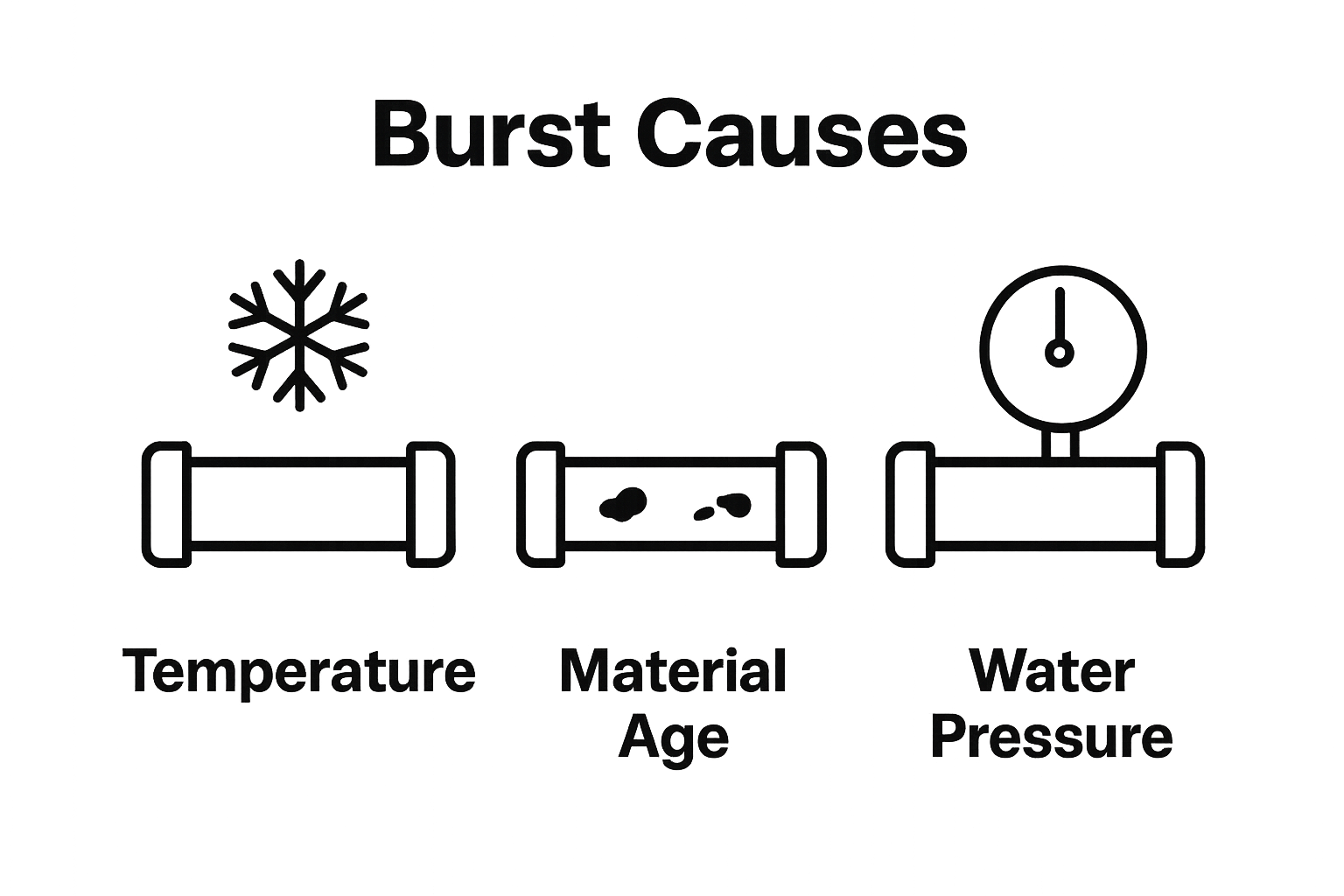
Critical Pipe Failure Triggers
Multiple interconnected factors contribute to potential pipe bursts
 :
:
- Extreme temperature variations causing material expansion and contraction
- Corrosion and gradual material deterioration
- Excessive water pressure within residential systems
- Ground settlement and structural shifting
- Age and historical maintenance of plumbing infrastructure
For Sacramento homeowners seeking deeper insights, learn about emergency plumbing preparedness to mitigate potential risks effectively.
Recognizing these factors transforms passive homeownership into strategic infrastructure management. By understanding the nuanced interactions between environmental conditions, material properties, and system dynamics, residents can implement targeted preventative measures that significantly reduce the likelihood of devastating pipe failures.
The following table summarizes the main environmental and material stress factors, explaining how each one contributes to the risk of a pipe burst.
| Factor | Description |
|---|---|
| Temperature fluctuations | Causes pipes to expand and contract, leading to stress and potential ruptures over time. |
| Ground movement | Settlement or shifting soil can strain or misalign pipes, compromising their integrity. |
| Material degradation | Corrosion and aging weaken pipe walls, making them more susceptible to bursting. |
| Excessive internal pressure | High water pressure can exceed the pipe’s design limit, resulting in sudden failures. |
| Poor maintenance history | Lack of inspections and repairs allows small issues to escalate into major failures. |
| Pipe material differences | Copper, PVC, and steel each respond differently to stress, impacting burst likelihood. |
Real-World Examples of Pipe Bursts and Their Causes
Real-world pipe burst scenarios demonstrate the complex and often unpredictable nature of plumbing infrastructure failures. These practical examples illustrate how theoretical concepts translate into tangible challenges for homeowners, revealing the intricate mechanisms behind catastrophic pipe ruptures.
Residential Temperature Induced Failures
Research from water infrastructure studies highlights how extreme temperature variations can trigger devastating pipe failures. In Sacramento, winter temperatures dropping below freezing can cause water inside pipes to expand, creating immense internal pressure that ultimately leads to ruptures. Older homes with inadequate insulation are particularly vulnerable to these temperature induced stress events.
Comprehensive Failure Scenario Analysis
Typical real-world pipe burst scenarios include:
- Aged copper pipes in historic neighborhoods experiencing sudden catastrophic failures
- Underground water main breaks caused by ground settlement and material fatigue
- Residential plumbing systems compromised by prolonged corrosion and material degradation
- Exterior pipes exposed to dramatic temperature fluctuations during seasonal transitions
- Infrastructure damaged by undetected internal pressure buildups
For Sacramento homeowners interested in protecting their property, explore our emergency plumbing preparedness strategies to mitigate potential risks effectively.
Understanding these real-world scenarios transforms abstract risk into actionable knowledge. By recognizing the specific conditions that precipitate pipe failures, homeowners can develop targeted maintenance strategies that protect their most significant investment their residential infrastructure.
This table compares typical real-world pipe burst scenarios observed in residential settings, highlighting the cause, affected area, and risk factors for each example.
| Scenario | Primary Cause | Common Location | Associated Risk Factors |
|---|---|---|---|
| Catastrophic failure of old pipes | Material fatigue and age | Historic neighborhoods | Aging copper, lack of updates |
| Underground main break | Ground settlement/material fatigue | Yards, street mains | Shifting soil, tree roots |
| Corrosion-induced burst | Prolonged material degradation | Basements, crawlspaces | High mineral content water |
| Burst from freezing | Temperature-induced internal pressure | Exterior/uninsulated areas | Winter, inadequate insulation |
| Pressure build-up burst | Undetected internal pressure spikes | Throughout residential pipe | Faulty pressure regulation |
Preventative Measures: Understanding Risk Mitigation
Preventative measures represent a proactive approach to protecting residential plumbing infrastructure from potential catastrophic failures. By understanding and implementing strategic risk mitigation techniques, homeowners can significantly reduce the probability of expensive and disruptive pipe bursts.
Comprehensive Infrastructure Assessment
Research from pipeline safety experts emphasizes the critical importance of systematic infrastructure evaluation. Effective risk mitigation begins with thorough professional inspections that identify potential vulnerabilities in pipe systems, including material degradation, corrosion potential, and structural weaknesses. Professional plumbers can utilize advanced diagnostic tools to detect early warning signs before critical failures occur.
Key Preventative Strategies
Homeowners can implement multiple protective approaches to minimize pipe burst risks:
- Regular professional plumbing system inspections
- Maintaining consistent water pressure through pressure regulation devices
- Implementing proper insulation for pipes in temperature vulnerable areas
- Upgrading older pipe materials with modern, more resilient alternatives
- Monitoring and addressing potential ground settlement issues
For Sacramento area residents seeking comprehensive protection strategies, explore our emergency plumbing preparedness guide to develop a robust risk management plan.
Effective risk mitigation transforms potential catastrophic failures into manageable maintenance challenges. By adopting a proactive and strategic approach to plumbing infrastructure management, homeowners can protect their property investment and ensure long term system reliability.
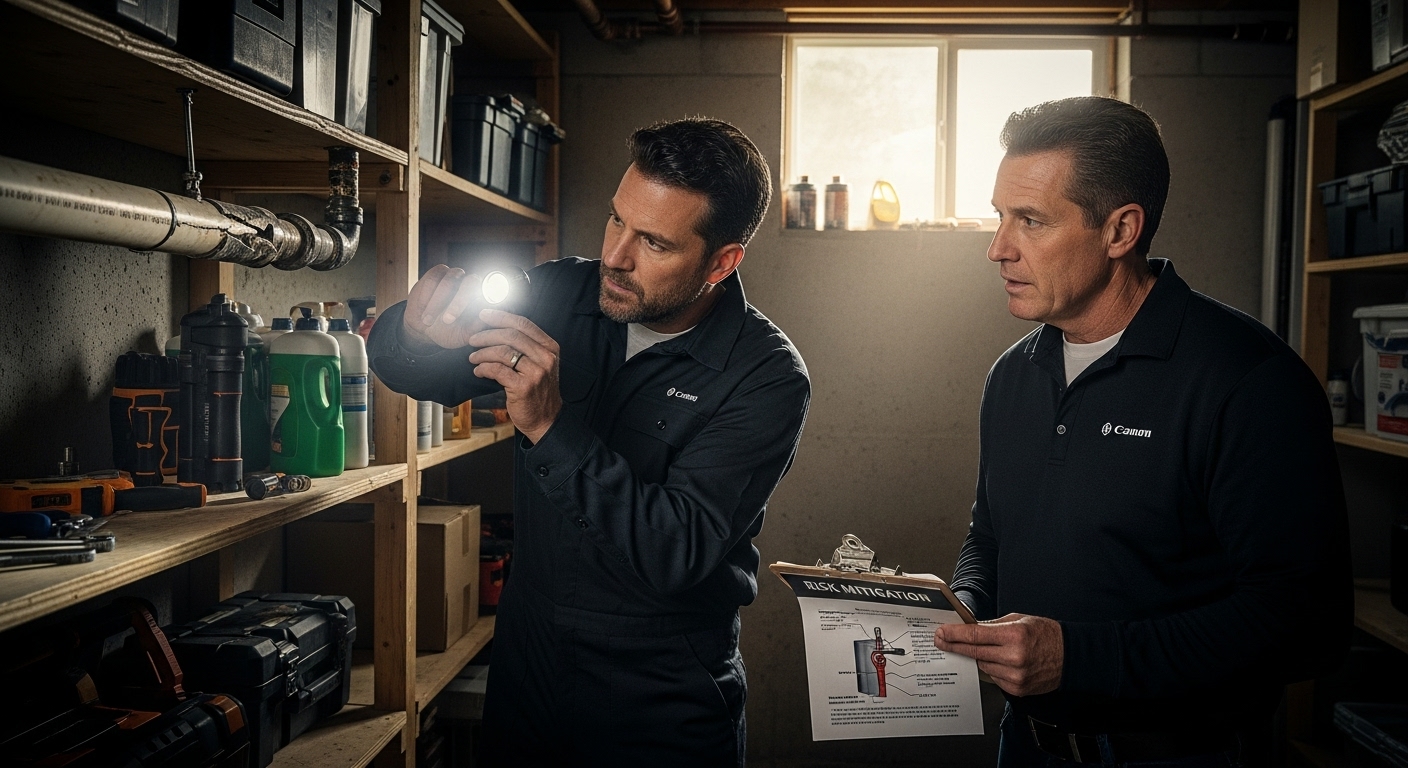
Protect Your Home from Costly Pipe Bursts with Legacy Plumbing & Drain Inc
A sudden pipe burst is more than an inconvenience. It can cause serious water damage, lead to expensive repairs, and disrupt your daily life. As explained in our article “Understanding What Causes Pipe Bursts: Key Concepts,” issues like extreme temperature changes, aging pipes, and unnoticed corrosion can quickly escalate. Homeowners who recognize these red flags and act quickly can avoid thousands in unexpected costs.
Do not wait until disaster strikes. The expert team at Legacy Plumbing & Drain Inc is ready to help you prevent pipe failures and other plumbing emergencies. We offer 24/7 emergency services and detailed inspections designed to catch problems early. Visit our main site to request help right now or explore our emergency plumbing preparedness guide for practical tips. Take action today and gain peace of mind knowing your home is protected by Sacramento’s trusted plumbing professionals.
Frequently Asked Questions
What causes pipe bursts?
Pipe bursts are primarily caused by internal or external pressures that exceed a pipe’s structural integrity. Factors include temperature fluctuations, material degradation, excessive internal water pressure, and ground movement.
How can homeowners prevent pipe bursts?
Homeowners can prevent pipe bursts by conducting regular plumbing inspections, maintaining proper water pressure, insulating vulnerable pipes, upgrading old pipe materials, and monitoring for ground settlement issues.
What are the signs of a potential pipe burst?
Signs of a potential pipe burst include sudden drops in water pressure, wet spots on walls or ceilings, unusual sounds from plumbing, and visible corrosion or cracks in pipes.
What are the financial implications of a pipe burst?
Pipe bursts can lead to significant financial implications, often resulting in costly repairs that can exceed hundreds of percent compared to initial maintenance expenses, including damages to property and loss of belongings.
Recommended
- Common Plumbing Emergencies Homeowners Face In 2025 – Legacy Plumbing & Drain – Emergency Plumbers Of Sacramento
- Common Plumbing Emergencies Homeowners Face In 2025 – Legacy Plumbing & Drain – Emergency Plumbers Of Sacramento
- Common Plumbing Emergencies Homeowners Face In 2025 – Legacy Plumbing & Drain – Emergency Plumbers Of Sacramento
- Top DIY Plumbing Safety Tips For Sacramento Homeowners 2025 – Legacy Plumbing & Drain – Emergency Plumbers Of Sacramento