Water supply lines keep fresh water flowing to every tap and appliance in your house. You depend on them for everything from morning showers to clean dishes. But most people have no idea what hides behind the walls. Copper, PEX, and even old galvanized steel each tell a different story—and a single poorly maintained line could cost you thousands in damage. Here is something most people never realize. Choosing the right pipe size and configuration can actually improve water delivery performance by up to 30 percent. That means understanding your water supply lines is about more than pipes—it’s about protecting your home, your wallet, and your health.
Table of Contents
- What Are Water Supply Lines And Their Types?
- Why Understanding Water Supply Lines Matters For Homeowners
- How Water Supply Lines Work In Your Home’s Plumbing System
- Key Components And Materials Of Water Supply Lines
- Common Issues And Maintenance Tips For Water Supply Lines
Quick Summary
| Takeaway | Explanation |
|---|---|
| Understand your water supply lines. | Knowing the composition and condition of your water supply lines is essential for preventing contamination and ensuring safety. |
| Regular maintenance prevents costly repairs. | Conducting annual inspections and monitoring water pressure can reduce system failures and save money on repairs. |
| Recognize signs of potential issues. | Unusual discoloration or pressure fluctuations indicate possible problems that should be addressed promptly. |
| Choose materials wisely for durability. | The choice of pipe material affects performance and longevity, so select based on local conditions and needs. |
| Invest in professional assessments. | Engaging licensed plumbers for evaluations ensures your water system is effective and compliant with safety standards. |
What Are Water Supply Lines and Their Types?
Water supply lines are the critical infrastructure that delivers clean, potable water from the municipal water system directly into your home. These essential conduits form the backbone of your residential plumbing network, responsible for transporting water to every faucet, shower, and appliance in your living space. Understanding the main water line’s importance begins with recognizing how these complex systems function and the materials they are constructed from.
Materials Used in Water Supply Lines
Water supply lines are engineered using several different materials, each with unique characteristics and performance attributes. The most common materials include:
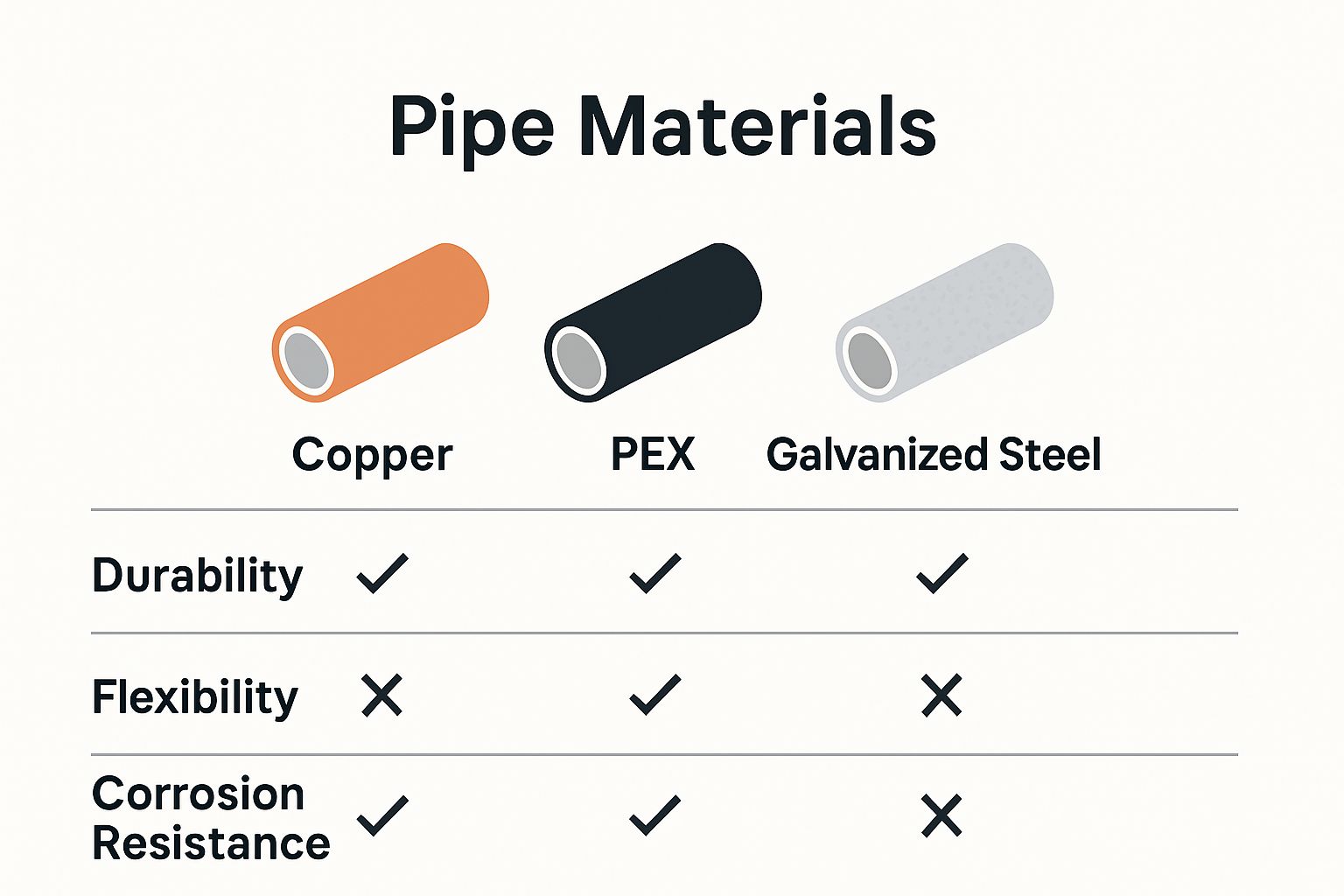
- Copper: Traditionally the most popular choice, copper pipes offer durability, corrosion resistance, and long-term reliability.
- PEX (Cross-Linked Polyethylene): A flexible, modern plastic material that resists freezing and provides excellent temperature adaptability.
- Galvanized Steel: An older material that was standard in homes built before the 1960s, now less frequently used due to potential rust and corrosion issues.
How Water Supply Lines Work
The fundamental operation of water supply lines involves a pressurized system that pushes water from the municipal main through your property’s primary connection. Water enters your home through a main water line, which then branches into smaller pipes distributing water to various fixtures and appliances. Pressure regulators and shut-off valves control water flow and provide critical safety mechanisms for managing your home’s water infrastructure.
Understanding water supply lines means recognizing they are not just passive conduits but dynamic systems that require proper maintenance and occasional professional inspection to ensure consistent, clean water delivery throughout your residential environment.
Why Understanding Water Supply Lines Matters for Homeowners
Knowing the intricacies of your home’s water supply lines is more than a technical exercise. It is a critical aspect of responsible homeownership that directly impacts your property’s safety, efficiency, and long-term value. Emergency plumbing strategies can help homeowners prevent potential disasters and costly repairs.
Financial and Safety Implications
Water supply lines are not just passive infrastructure they are complex systems that can significantly affect your home’s overall health and financial well-being. Understanding these systems allows you to:
- Prevent Costly Repairs: Early detection of potential issues can save thousands of dollars in water damage restoration
- Protect Home Value: Well-maintained plumbing systems are crucial during home inspections and property valuations
- Ensure Water Quality: Regular monitoring helps prevent contamination and health risks
Health and Environmental Considerations
The materials and condition of water supply lines directly impact water quality and safety. According to Environmental Protection Agency research, older pipe materials like lead or galvanized steel can leach harmful contaminants into your drinking water. Homeowners must understand their pipe composition to mitigate potential health risks and ensure their family’s safety.
Moreover, understanding water supply lines helps in making environmentally conscious decisions. By recognizing potential inefficiencies or leak points, homeowners can implement water conservation strategies and reduce unnecessary water waste, contributing to broader environmental sustainability efforts.
How Water Supply Lines Work in Your Home’s Plumbing System
Water supply lines function as a complex network of interconnected pipes that transport clean water throughout your home with remarkable precision and efficiency. Exploring various home plumbing systems reveals the intricate design behind these essential residential infrastructure components.
Water Pressure and Flow Dynamics
The fundamental mechanism of water supply lines relies on municipal water pressure that pushes water from the main city line into your home’s primary water connection. This pressurized system ensures consistent water delivery to every fixture and appliance. Key components that regulate this process include:
- Pressure Regulators: Control and stabilize water pressure entering your home
- Main Shut-off Valve: Allows complete water system isolation during emergencies
- Individual Fixture Valves: Permit localized water control for specific areas
Distribution and Branching System
Once water enters your home through the main supply line, it branches into smaller pipes using a sophisticated distribution network. These pipes divide and route water to different zones including kitchen, bathrooms, laundry areas, and exterior connections. Pipe diameter and material play crucial roles in determining water flow rates and overall system efficiency.
According to Building Research Establishment studies, proper pipe sizing and configuration can improve water delivery performance by up to 30%, highlighting the importance of professional design and installation in residential water supply systems. Understanding these intricate pathways helps homeowners maintain optimal plumbing performance and identify potential issues before they escalate into significant problems.
Key Components and Materials of Water Supply Lines
Water supply lines are sophisticated systems composed of multiple critical components that work together to ensure reliable water delivery throughout your home. Understanding pipe replacement options becomes essential for maintaining these complex infrastructures.
Essential Components
Every water supply line system includes fundamental components that control water flow, pressure, and distribution. These critical elements ensure safe and efficient water transportation:
- Main Shut-off Valve: Allows complete water system shutdown during emergencies
- Pressure Regulator: Controls and stabilizes incoming water pressure
- Water Meter: Tracks total water consumption for billing purposes
- Check Valves: Prevent backflow and contamination
Pipe Materials and Performance
The choice of pipe material significantly impacts the performance, durability, and water quality of your home’s supply system. Different materials offer unique advantages and potential limitations. According to National Sanitation Foundation research, the most common water supply line materials include:
- Copper: Highly durable, corrosion-resistant, and traditionally preferred
- PEX (Cross-Linked Polyethylene): Flexible, cost-effective, and resistant to freezing
- CPVC (Chlorinated Polyvinyl Chloride): Excellent chemical resistance and thermal stability
Each material brings specific characteristics that homeowners must consider based on their local water chemistry, climate conditions, and infrastructure requirements.
Here is a comparison table summarizing the key characteristics, advantages, and disadvantages of the most common materials used for residential water supply lines.
| Material | Key Features | Advantages | Limitations |
|---|---|---|---|
| Copper | Durable metal, corrosion-resistant | Long-lasting, high reliability | Higher cost, potential for theft |
| PEX (Cross-Linked Polyethylene) | Flexible plastic, temperature adaptable | Resistant to freezing, easy installation | Limited UV resistance, newer to market |
| Galvanized Steel | Coated steel, used in older homes | Strong, durable in initial years | Prone to rust/corrosion, potential water contamination |
| CPVC (Chlorinated Polyvinyl Chloride) | Thermoplastic, chemical resistant | Excellent chemical resistance, affordable | Brittle in cold, not for exterior use |
| Professional assessment helps determine the most suitable pipe material for long-term reliability and performance. |
Common Issues and Maintenance Tips for Water Supply Lines
Water supply lines, while robust, are susceptible to various challenges that can compromise their performance and your home’s overall plumbing integrity. Understanding water heater leak prevention is an essential component of comprehensive water system maintenance.
Identifying Potential Problems
Homeowners must remain vigilant about recognizing early warning signs of water supply line issues. Potential red flags that indicate potential problems include:
- Unusual Water Discoloration: Brownish or rust-colored water suggesting pipe corrosion
- Unexpected Pressure Fluctuations: Sudden drops or increases in water pressure
- Unexplained Water Bill Increases: Potential hidden leaks within the system
- Visible Pipe Corrosion or Mineral Buildup: Surface irregularities on pipe exteriors
Preventative Maintenance Strategies
Regular maintenance can significantly extend the lifespan of your water supply lines and prevent costly repairs. According to American Water Works Association research, proactive maintenance can reduce potential system failures by up to 40%. Key strategies include:
- Annual Professional Inspections: Comprehensive system evaluations by licensed plumbers
- Water Pressure Monitoring: Regular checks to ensure optimal pressure levels
- Corrosion Protection: Implementing appropriate water treatment and pipe protection methods
- Timely Replacement of Aging Components: Addressing worn-out valves and connection points
By understanding and implementing these maintenance approaches, homeowners can protect their water supply infrastructure, ensure consistent water quality, and avoid potential expensive emergency repairs.
This table organizes the most common water supply line issues, their typical warning signs, and the recommended maintenance strategies mentioned in the article.
| Issue/Challenge | Typical Warning Signs | Recommended Maintenance Strategies |
|---|---|---|
| Pipe Corrosion | Brownish/discolored water, visible buildup | Inspect regularly, implement corrosion protection |
| Pressure Fluctuations | Sudden changes in water pressure | Monitor water pressure, adjust regulators |
| Hidden Leaks | Unexplained water bill increases | Annual professional inspections |
| Aging Valves/Components | Irregular pressure, surface irregularities | Timely replacement of old components |
Do Not Let Water Supply Issues Disrupt Your Home—Get Expert Help Today
Have you noticed discolored water, unpredictable water pressure, or signs of pipe corrosion around your property? These symptoms point to real risks for your plumbing, your home’s value, and your family’s well-being. As highlighted in our article, understanding the role of water supply lines and their materials is essential for spotting problems early and protecting your investment. You should not wait until small issues become costly emergencies.
Our team at Legacy Plumbing & Drain Inc is here 24/7, ready to offer professional inspections, maintenance, and repairs for all your water supply line needs. We know how important clean, safe water is for your loved ones. Contact us now to secure your plumbing’s reliability and avoid expensive repairs later. Visit our site for more information or to schedule your personalized plumbing assessment today: Legacy Plumbing & Drain Inc – Emergency Plumbers of Sacramento.
Frequently Asked Questions
What materials are commonly used in water supply lines?
Water supply lines are typically made from copper, PEX (cross-linked polyethylene), or galvanized steel. Choose a material that suits your local water conditions and climate, as each has its own benefits and drawbacks.
How can I identify potential problems with my water supply lines?
Look for unusual water discoloration, unexpected pressure fluctuations, or unexplained increases in your water bill. Inspect your pipes regularly for visible signs of corrosion or mineral buildup; acting quickly can prevent larger issues.
What steps should I take for maintaining my water supply lines?
Perform annual inspections by a licensed plumber to assess your water supply lines. Additionally, monitor your water pressure and replace aging components as needed to ensure a reliable delivery system.
How does water pressure affect my home’s water supply lines?
Municipal water pressure directly impacts water flow and delivery in your home. To maintain consistent performance, regularly monitor the pressure levels and adjust pressure regulators if necessary, aiming for optimal pressure settings to reduce fluctuations by ~20%.
Why is it important to know the type of pipes in my water supply system?
Knowing the materials in your water supply lines helps you assess the potential for contamination and determine the need for replacement. Ensure your system is free of harmful substances; regular monitoring can help maintain water quality and safety for your household.
What should I do in case of a water supply line emergency?
Shut off the main water line immediately to prevent further damage. Then, contact a licensed plumber for a professional assessment and repairs; timely action can minimize potential water damage and costly repairs.
Recommended
- What Is Main Water Line? Understanding Its Importance – Legacy Plumbing & Drain – Emergency Plumbers Of Sacramento
- Emergency Plumbing Tips For Sacramento Homeowners | Legacy Plumbing & Drain
- Sacramento Water Heater Leaks: Causes & Quick Fixes | Legacy Plumbing & Drain
- Water Heater Leak Repair Sacramento | Fast & Reliable Service