Every home relies on its main water line to deliver fresh water right when you need it. Most people only think about this hidden pipe when something goes wrong but did you know that a single undetected leak can lead to water bills jumping by up to 20 percent or more each month? You might think your water line is safe buried beneath the ground yet the real trouble often starts there long before you ever see a puddle.
Table of Contents
- Defining The Main Water Line: What It Is And How It Functions
- Importance Of The Main Water Line For Homeowners
- Components Of A Main Water Line: Key Concepts Explained
- Common Issues With Main Water Lines And Their Impact
- How To Identify Problems With Your Main Water Line
Quick Summary
| Takeaway | Explanation |
|---|---|
| Main water lines connect homes to municipal supply. | They serve as essential conduits for delivering clean water for daily activities like cooking and bathing. |
| Regular maintenance prevents costly repairs. | Inspections and upkeep are key to avoiding issues like leaks, corrosion, and unexpected damage that can arise over time. |
| Monitor for warning signs of issues. | Homeowners should look for signs like wet spots, discolored water, or unusual sounds, which indicate potential main water line problems. |
| Choose suitable materials for long-lasting pipes. | Understanding the pros and cons of pipe materials like copper, PVC, and galvanized steel can help in making informed decisions for repairs or replacements. |
| Compromised lines affect water quality and safety. | Issues within the main water line can introduce contaminants, posing health risks and compromising the quality of water supplied to your home. |
Defining the Main Water Line: What It Is and How It Functions
A main water line is the primary underground pipe that connects a residential or commercial property to the municipal water supply system. This critical infrastructure component serves as the central conduit through which clean water enters your home, providing the essential water needed for drinking, cooking, bathing, and other daily activities.
The Basic Structure and Origin of Main Water Lines
The main water line begins at the municipal water distribution network and extends directly to your property. According to the U.S. Environmental Protection Agency, this service line is responsible for transporting potable water from the community’s primary water system to individual buildings. Typically constructed from materials like copper, PVC, or galvanized steel, these pipes are designed to withstand significant water pressure and environmental conditions.
How Main Water Lines Function
Main water lines operate through a complex network of underground pipes that maintain consistent water pressure. When water enters your property, it passes through a water meter that measures consumption and a main shutoff valve that allows you to control water flow during emergencies or maintenance. The pipe’s diameter and material significantly impact water delivery efficiency.
Key characteristics of main water lines include:
- Responsible for delivering municipal water to individual properties
- Connect directly from the public water system to your home
- Typically buried several feet underground for protection
- Capable of handling high water pressure and volume demands
For homeowners interested in understanding more about their home’s plumbing infrastructure, our guide on emergency plumbing tips can provide additional insights into maintaining and protecting your main water line.
Importance of the Main Water Line for Homeowners
The main water line represents far more than a simple underground pipe. It is a critical infrastructure component that directly impacts your home’s functionality, safety, and overall quality of life. Understanding its significance helps homeowners make informed decisions about maintenance, potential repairs, and protecting their property’s water supply system.
Water Quality and Health Considerations
A well-maintained main water line is essential for ensuring clean, safe drinking water.
 According to the U.S. Environmental Protection Agency, identifying and replacing potential lead service lines is crucial to prevent contamination and protect household health. Compromised water lines can introduce harmful substances into your home’s water supply, potentially causing serious health risks.
Economic and Property Value Implications
The condition of your main water line directly influences your property’s value and potential maintenance expenses. Undetected issues like leaks or corrosion can lead to significant financial consequences. Potential problems include:
- Unexpected water damage to foundations
- Increased utility bills due to water loss
- Potential structural damage to your property
- Reduced property market value
Preventative Maintenance and Long-Term Protection
Regular inspection and maintenance of your main water line are crucial for preventing costly repairs and ensuring consistent water delivery. Homeowners should be proactive in monitoring their water infrastructure. Our comprehensive guide to regular plumbing maintenance can help you understand the best practices for protecting this critical home system.
By treating your main water line as a vital component of your home’s infrastructure, you can prevent potential disasters, maintain water quality, and protect your property’s long-term value.
Components of a Main Water Line: Key Concepts Explained
A main water line is a complex system comprising multiple interconnected components that work together to deliver clean water to your home. Understanding these elements helps homeowners recognize the intricate infrastructure responsible for their daily water supply and potential maintenance requirements.
Primary Structural Components
The main water line consists of several critical structural elements that ensure reliable water delivery. Pipe materials play a crucial role in determining the line’s durability and performance. Common materials include:
- Copper pipes (traditional and corrosion-resistant)
- PVC (polyvinyl chloride) pipes (lightweight and cost-effective)
- Galvanized steel pipes (strong but prone to rust)
- Ductile iron pipes (used in municipal water systems)
Each material offers unique advantages and potential limitations in terms of longevity, water quality, and installation complexity.
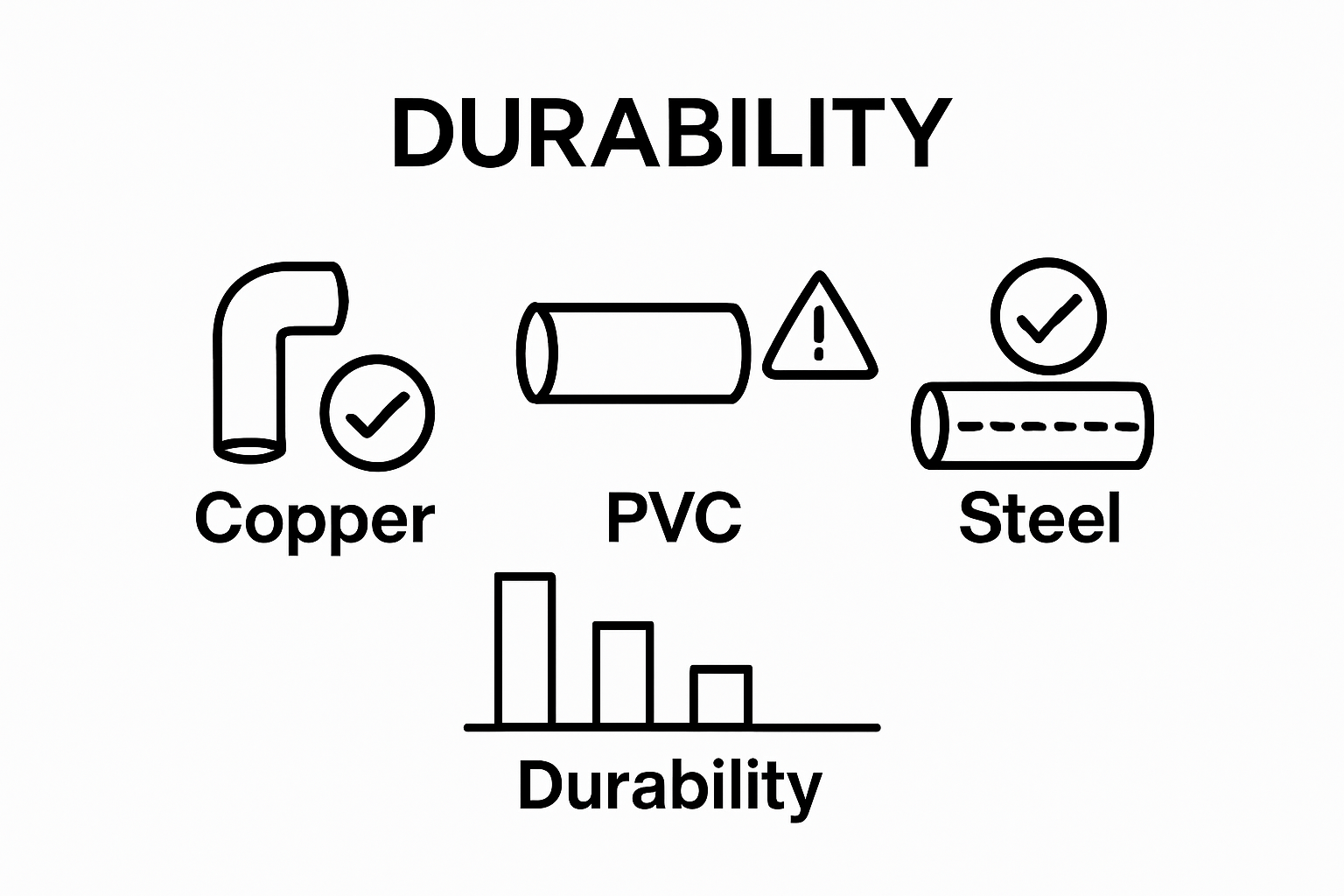
Below is a comparison table summarizing the most common main water line materials discussed in the article, along with their key characteristics and relative pros and cons.
| Pipe Material | Durability | Advantages | Disadvantages |
|---|---|---|---|
| Copper | High | Corrosion-resistant, traditional | More expensive |
| PVC (Polyvinyl Chloride) | Moderate–High | Lightweight, cost-effective | Can be less durable in cold |
| Galvanized Steel | Moderate | Strong | Prone to rust over time |
| Ductile Iron | Very High | Used for municipal systems, strong | More complex installation |
Critical Connection and Control Mechanisms
Beyond the pipe itself, several key mechanical components ensure proper water distribution and system control. Water meters and shutoff valves are essential for monitoring consumption and managing water flow. The water meter tracks household water usage, while the main shutoff valve allows homeowners to immediately stop water supply during emergencies like pipe bursts or significant leaks.
Underground Infrastructure and Protection Systems
Main water lines are strategically designed to withstand environmental challenges. They are typically buried several feet underground to protect against temperature fluctuations, physical damage, and potential contamination. Depth and protective coating are critical factors in maintaining the line’s integrity. For homeowners seeking to understand more about maintaining their water infrastructure, our water heater repair guide can provide additional insights into comprehensive home water system management.
By comprehending these components, homeowners can better appreciate the sophisticated engineering behind their main water line and make informed decisions about maintenance and potential upgrades.
Common Issues with Main Water Lines and Their Impact
Main water lines are susceptible to various problems that can compromise water quality, system efficiency, and household safety. Understanding these potential issues helps homeowners proactively manage their water infrastructure and prevent costly damages.
Corrosion and Material Degradation
Pipe corrosion represents a significant challenge for main water lines, particularly in older properties. Different pipe materials experience unique degradation processes that can severely impact water delivery. According to the Water Research Foundation, environmental factors and water chemistry play crucial roles in accelerating pipe deterioration.
Common corrosion-related problems include:
- Reduced water pressure
- Increased likelihood of leaks
- Potential contamination from corroded pipe materials
- Decreased overall water system performance
Structural Failures and Environmental Stress
Main water lines face constant environmental challenges that can lead to structural failures. Temperature fluctuations, ground movement, and external physical pressures can cause:
- Pipe cracking
- Joint separation
- Unexpected water line breaks
- Underground erosion around the pipe
These issues can result in significant water loss, property damage, and potential disruption to household water supply. Early detection and professional assessment are critical in preventing extensive damage.
Hidden Risks and Long-Term Consequences
Undetected main water line problems can create substantial financial and health risks for homeowners. Subtle issues like microscopic leaks or gradual pipe degradation might seem insignificant but can lead to extensive damage over time. Our emergency plumbing resources can help you understand the warning signs and potential mitigation strategies.
Regular professional inspections and proactive maintenance are essential in identifying and addressing these potential main water line challenges before they escalate into major repair projects.
How to Identify Problems with Your Main Water Line
Early detection of main water line issues can prevent extensive damage and costly repairs. Homeowners must develop keen observation skills and understand the subtle signs that indicate potential problems within their water infrastructure.
Visual Warning Signs and Physical Indicators
Detecting main water line problems often begins with careful observation of your property and water system. Unusual water behavior and visible changes can signal underlying issues. According to the U.S. Environmental Protection Agency, homeowners should watch for these critical warning signs:
The following table outlines typical warning signs of main water line problems and the potential causes or explanations associated with each. This helps homeowners quickly link symptoms to possible underlying issues.
| Warning Sign | Possible Cause or Explanation |
|---|---|
| Unexplained wet spots in yard | Underground leaks or pipe breaks |
| Sudden drops in water pressure | Blockages, leaks, or pipe degradation |
| Discolored or murky water | Corrosion, contamination, or pipe material breakdown |
| Unusual sounds (hissing, gurgling) | Leaks or pressure fluctuations in the pipes |
| Water bill spikes | Hidden leaks or increased water loss |
| Musty odors near fixtures | Persistent leaks leading to mold/moisture |
-
Unexplained wet spots or puddles in your yard
-
Sudden drops in water pressure
-
Discolored or murky water
-
Unusual sounds like hissing or gurgling in pipes
-
Visible ground movement or soil erosion near water line paths
Performance and Consumption Anomalies
Changes in water consumption and system performance can reveal hidden main water line problems. Unexpected increases in water bills often indicate undetected leaks or structural issues. Homeowners should pay attention to:
- Significant unexplained water bill spikes
- Inconsistent water pressure across different fixtures
- Recurring water quality issues
- Frequent need for pipe repairs
- Persistent musty odors near water fixtures
Professional Diagnostic Techniques
While homeowner observation is crucial, professional assessment provides comprehensive insights. Advanced diagnostic techniques like acoustic leak detection, thermal imaging, and video pipe inspections can reveal complex issues invisible to the naked eye. Our water leak detection guide offers additional resources for understanding these professional evaluation methods.
Proactive monitoring and timely professional inspections are essential in maintaining a healthy main water line and preventing potential catastrophic failures.
Protect Your Home’s Main Water Line with Expert Support
Is your main water line showing signs of leaks, corrosion, or unexpected water bill increases? These issues can cause not only property damage but also jeopardize your family’s health by affecting water quality. If you have noticed unexplained water pressure drops or wet spots in your yard, you need professional help to keep your home safe.
Choose Legacy Plumbing & Drain Inc to diagnose and solve your main water line challenges fast. Our licensed technicians use advanced inspection methods to identify hidden problems and deliver long-term solutions. Acting now can prevent costly repairs and safeguard your water supply. Take control of your home’s plumbing health by visiting our main website or get more expert advice by exploring our detailed articles on emergency plumbing tips and regular plumbing maintenance. Don’t wait until small issues become major emergencies. Contact our team today for peace of mind and reliable service.
Frequently Asked Questions
What is a main water line?
A main water line is the primary underground pipe that connects a property to the municipal water supply system, delivering clean water for various household needs like drinking and bathing.
What materials are commonly used for main water lines?
Common materials for main water lines include copper, PVC (polyvinyl chloride), galvanized steel, and ductile iron. Each material has its unique properties affecting durability and performance.
How can I identify problems with my main water line?
Signs of potential problems include wet spots in the yard, sudden drops in water pressure, discolored water, unusual sounds in pipes, or unexplained increases in water bills. Professional inspections can also help identify hidden issues.
Why is regular maintenance of the main water line important?
Regular maintenance is essential to prevent costly repairs, ensure consistent water delivery, and maintain water quality. Addressing issues early can protect your property’s value and avoid health risks associated with contaminated water.
Recommended
- Emergency Plumbing Tips For Sacramento Homeowners | Legacy Plumbing & Drain
- Regular Plumbing Maintenance In Sacramento: Prevent Leaks & Emergencies | Legacy Plumbing & Drain
- How To Choose The Best Plumber In Sacramento For Water Heater Leak Repairs
- Sacramento Water Heater Leaks: Causes & Quick Fixes | Legacy Plumbing & Drain