
Pipes running through your home might be out of sight, but their condition can change everything for your health, safety, and wallet. Nearly one in six water mains in North America are already past their useful life, exposing countless homes to hidden risks and unexpected emergencies. Most folks think pipe issues are just about leaks or old age, but smarter replacement options today can actually save you money and keep your water safer than ever.
Table of Contents
- What Are Pipe Replacement Options And Why Are They Important?
- Common Types Of Pipes And Their Replacement Needs
- Factors Influencing Pipe Replacement Decisions
- The Impact Of Pipe Age And Material On Replacement Choices
- Understanding The Benefits Of Timely Pipe Replacement
Quick Summary
| Takeaway | Explanation |
|---|---|
| Identify signs of pipe deterioration. | Look for recurring leaks, discoloration, or unusual noises to catch issues early. |
| Consider several replacement strategies. | Options include full replacement, partial repiping, or relining based on damage extent and budget. |
| Know your pipe materials. | Different materials like copper and PEX impact durability and replacement needs. |
| Assess financial implications of replacements. | Balance immediate costs with long-term maintenance savings and property value impact. |
| Timely replacement prevents costly repairs. | Proactive pipe replacement reduces the risk of severe water damage and health hazards. |
What Are Pipe Replacement Options and Why Are They Important?
Pipe replacement represents a critical aspect of home maintenance that homeowners must understand to prevent potential water damage, health risks, and costly emergency repairs. Modern pipe replacement options provide comprehensive solutions for addressing aging, corroded, or damaged plumbing infrastructure.
Understanding Pipe Deterioration
Pipes naturally deteriorate over time due to various factors including water chemistry, temperature fluctuations, soil conditions, and material aging. Research from the National Institutes of Health indicates that over 16% of water mains in North America are beyond their useful service life, creating significant infrastructure vulnerability.
Homeowners should recognize the signs of pipe deterioration, which include:
- Recurring leaks
- Discolored water
- Reduced water pressure
- Unusual pipe noises
- Visible corrosion or mineral buildup
Pipe Replacement Strategies
Effective pipe replacement involves selecting appropriate methods based on specific home requirements. Homeowners typically have several strategic options, including full pipe replacement, partial repiping, and pipe relining. Each approach offers unique advantages depending on the extent of damage, budget constraints, and long-term performance expectations.
This table clearly outlines and compares the main pipe replacement strategies described in the article, highlighting how each approach fits different needs.
| Replacement Strategy | Description | Best For |
|---|---|---|
| Full Pipe Replacement | Complete removal and replacement of all pipes | Aging or failing systems needing total overhaul |
| Partial Repiping | Replacement of only sections showing issues | Targeted leaks or limited budget |
| Pipe Relining | Inserting lining into existing pipes to address damage | Minimally invasive, preserving existing structure |
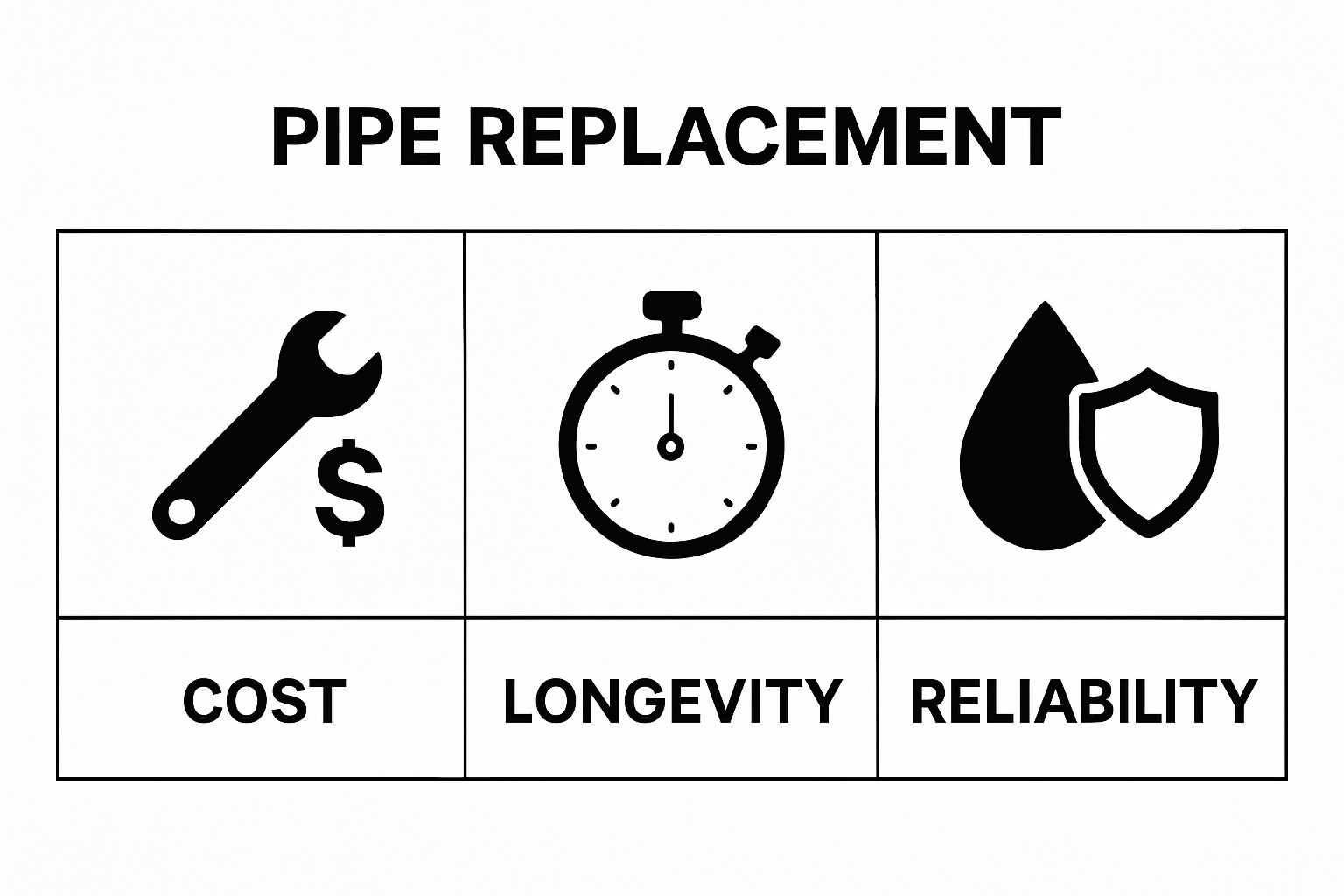
Our comprehensive guide on repiping services can help you understand which strategy best suits your home’s specific needs. Modern pipe replacement technologies provide durable, efficient solutions that can significantly extend your plumbing system’s lifespan and prevent potential water-related disasters.
Common Types of Pipes and Their Replacement Needs
Understanding the different types of pipes used in residential plumbing is crucial for homeowners to make informed decisions about maintenance and replacement. Each pipe material has unique characteristics, lifespan, and potential vulnerabilities that influence its long-term performance and reliability.
Residential Pipe Material Overview
Copper Pipes: Traditionally considered the gold standard in residential plumbing, copper pipes offer exceptional durability and resistance to corrosion. According to technical research on plumbing systems, copper pipes typically last 50-70 years, making them a reliable long-term investment for homeowners.
Key characteristics of copper pipes include:
- Excellent heat resistance
- Natural antimicrobial properties
- High durability against water pressure
- Recyclable and environmentally friendly
Emerging and Alternative Pipe Materials
Modern plumbing has expanded beyond traditional materials, introducing innovative alternatives that address specific home requirements. PEX (Cross-linked Polyethylene) pipes have gained significant popularity due to their flexibility, cost-effectiveness, and resistance to freezing. CPVC (Chlorinated Polyvinyl Chloride) pipes offer superior chemical resistance and are particularly useful in hot water distribution systems.
Learn more about different home plumbing systems to understand which pipe materials best suit your specific residential needs. Homeowners should consider factors such as water chemistry, local climate, and budget when selecting pipe replacement options.
Below is a comparison table summarizing the main characteristics, typical lifespan, and special features of common residential pipe materials mentioned in the article.
| Pipe Material | Typical Lifespan | Key Characteristics |
|---|---|---|
| Copper | 50-70 years | Excellent heat resistance, antimicrobial, durable, recyclable |
| PEX | Varies (long-lasting) | Flexible, cost-effective, freeze-resistant |
| CPVC | Varies (long-lasting) | Superior chemical resistance, suited for hot water |
| Galvanized Steel | Shorter (often outdated) | Can leach contaminants, prone to rust and corrosion |
| Lead | Not recommended | Severe health hazard, should be replaced immediately |
Factors Influencing Pipe Replacement Decisions
Pipe replacement is a complex decision that requires careful evaluation of multiple interconnected factors. Homeowners must consider a comprehensive range of technical, financial, and structural elements to make informed choices about their plumbing infrastructure.
Technical Assessment Criteria
Research on water distribution systems highlights the critical importance of understanding pipe deterioration mechanisms. The primary technical factors influencing replacement decisions include:
- Current pipe material and age
- Extent of corrosion or damage
- Water quality and chemistry
- Frequency of existing leaks or repairs
- Overall system performance
Financial and Property Considerations
Budget constraints play a significant role in pipe replacement decisions. Homeowners must balance immediate repair costs with long-term infrastructure investment. Factors such as property value, potential future home sales, and available financing options directly impact replacement strategies.
Our comprehensive guide on repiping services can help you navigate the financial aspects of pipe replacement. Critical financial considerations include:
- Total replacement cost
- Potential energy efficiency improvements
- Anticipated maintenance expenses
- Insurance and property value implications
- Available financing or rebate programs
Ultimately, successful pipe replacement requires a holistic approach that integrates technical assessment, financial planning, and long-term home maintenance strategy. Professional plumbing evaluation can provide the most accurate recommendation tailored to your specific residential needs.
The Impact of Pipe Age and Material on Replacement Choices
The lifespan and performance of residential plumbing systems are fundamentally determined by the age and composition of pipe materials. Understanding how different pipe types degrade over time is crucial for making informed replacement decisions that ensure water quality, system efficiency, and home safety.
Pipe Material Degradation Patterns
Copper Pipes: Despite their renowned durability, copper pipes experience gradual deterioration. Factors such as water chemistry, pH levels, and mineral content can accelerate corrosion, leading to pinhole leaks and potential water contamination. Copper pipes typically maintain structural integrity for 50-70 years but may require earlier intervention depending on environmental conditions.
Key degradation indicators include:
- Greenish or bluish staining around pipe joints
- Reduced water pressure
- Visible pinhole leaks
- Metallic taste in drinking water
- Increased sediment in water streams
Health and Safety Considerations
According to EPA guidelines, certain pipe materials pose significant health risks as they age. Older galvanized steel and lead pipes can leach harmful contaminants into drinking water, making their replacement a critical health priority. Lead pipes, in particular, represent a severe health hazard and should be replaced immediately.
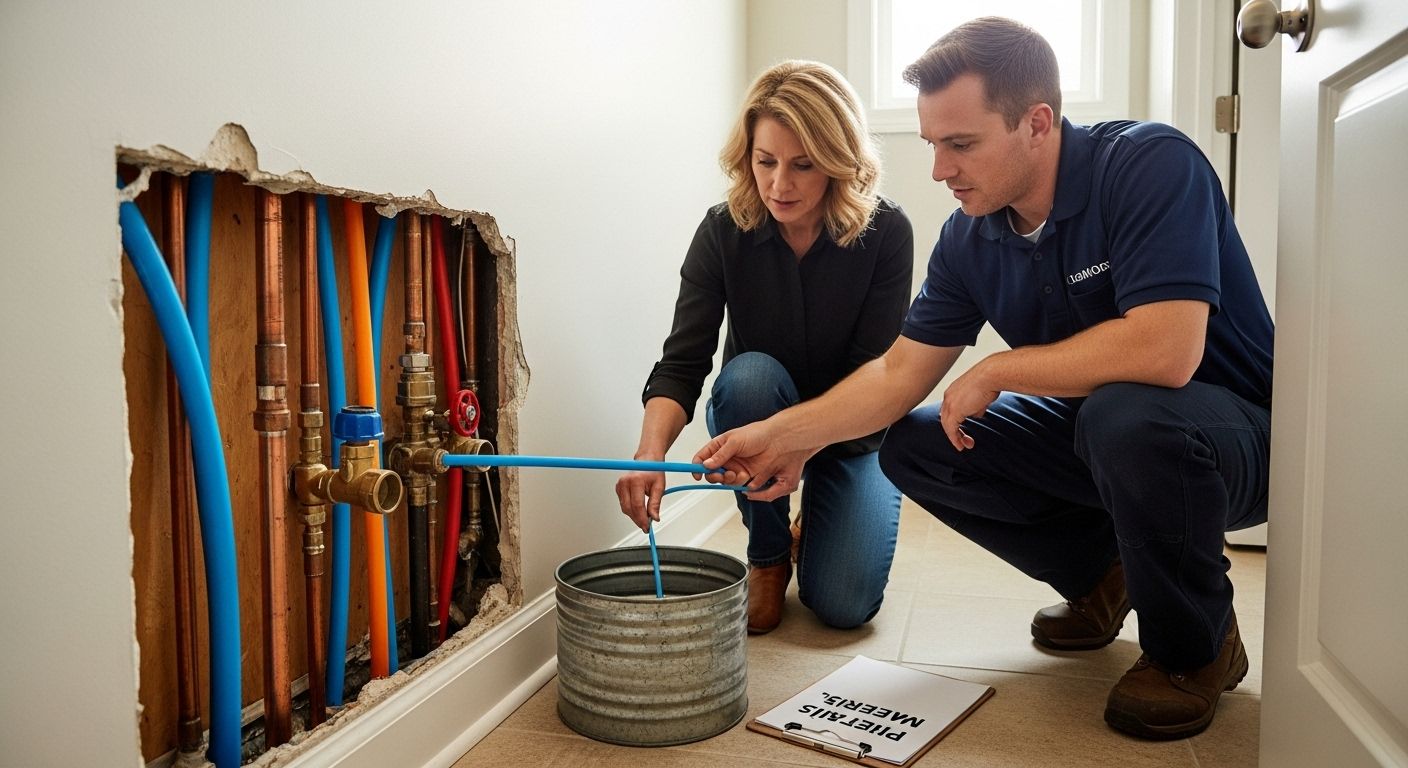
Learn more about home plumbing system maintenance to understand the potential risks associated with aging pipe infrastructure. Modern replacement options like PEX and CPVC offer improved safety, durability, and resistance to corrosion, providing homeowners with more reliable long-term plumbing solutions.
Understanding the Benefits of Timely Pipe Replacement
Timely pipe replacement represents a proactive approach to home maintenance that offers significant long-term benefits. Homeowners who understand the strategic advantages of preventative plumbing interventions can save substantial money, preserve property value, and ensure consistent water system performance.
Financial and Property Protection
Preventative pipe replacement acts as a critical investment in home infrastructure. By addressing potential issues before catastrophic failures occur, homeowners can avoid expensive emergency repairs and extensive water damage. The financial implications of timely replacement extend beyond immediate repair costs, encompassing broader property value preservation and insurance considerations.
Key financial benefits include:
- Preventing extensive water damage
- Reducing long-term maintenance expenses
- Increasing property resale value
- Lowering monthly utility costs through improved system efficiency
- Minimizing potential insurance claim risks
Health and System Performance Advantages
Research on annual plumbing maintenance demonstrates that proactive pipe replacement significantly improves overall water quality and system reliability. Modern pipe materials offer enhanced protection against contamination, corrosion, and potential health risks associated with aging infrastructure.
Our comprehensive repiping guide can help you understand the comprehensive benefits of timely pipe replacement. By investing in your home’s plumbing infrastructure, you are not just preventing potential disasters but also ensuring a safer, more efficient living environment for your family.
Secure Your Home With Reliable Pipe Replacement Solutions
You have learned how aging pipes and outdated materials can put your home at risk of leaks, water damage, and health hazards. If you are seeing signs of corrosion, low water pressure, or discolored water, now is the time to take action. Choosing the right pipe replacement strategy can make all the difference for your property’s safety and long-term value.
The team at Legacy Plumbing & Drain Inc specializes in modern pipe replacement services designed to protect homeowners from costly repairs and emergencies. Need help deciding whether to fully repipe, partially upgrade, or explore advanced materials like PEX or CPVC? Explore our insights on when to consider repiping services and discover the benefits of timely upgrades. Don’t wait for a plumbing disaster to strike. Schedule your expert evaluation today and ensure lasting peace of mind for your family and your home.
Frequently Asked Questions
What are the common signs that my pipes need to be replaced?
Common signs include recurring leaks, discolored water, reduced water pressure, unusual pipe noises, and visible corrosion or mineral buildup.
How long do different types of pipes typically last?
Copper pipes can last 50-70 years, while newer materials like PEX can offer great durability and flexibility. Always consider the specific environmental conditions affecting longevity.
What are the advantages of different pipe replacement methods?
Full pipe replacement offers a complete system overhaul, while partial repiping targets specific areas. Pipe relining can be a less invasive option, preserving the existing structure while addressing damage.
Why is timely pipe replacement important?
Timely pipe replacement prevents extensive water damage, reduces long-term maintenance costs, and improves overall water quality and system reliability, protecting both health and property value.