Every time you flush a toilet or run the dishwasher, a hidden underground network instantly springs into action, protecting your family and neighborhood from invisible dangers. Over 75 percent of US households rely on municipal sewer systems, yet most people never think about how intricate and essential these systems really are. What surprises many is that sewer systems do a lot more than just carry waste—they help protect property values, stop deadly diseases from spreading, and even safeguard the environment in ways you probably never realized.
Table of Contents
- What Is A Sewer System And Its Purpose?
- Why Sewer Systems Matter For Homeowners
- How Sewer Systems Transport Waste
- Key Components Of A Sewer System Explained
- Understanding Common Sewer System Issues
Quick Summary
| Takeaway | Explanation |
|---|---|
| Sewer systems protect public health. | They safely transport wastewater, helping to prevent disease and contamination of drinking water sources. |
| Maintenance impacts property value. | A well-functioning sewer system preserves structural integrity and enhances marketability, while neglect can lead to costly repairs. |
| Root intrusion is a common issue. | Tree roots can invade sewer lines, causing blockages and damage that require prompt intervention. |
| Blockages can disrupt wastewater flow. | Improper items like grease and non-biodegradable materials can lead to severe obstructions in the system. |
| Understanding your sewer system is crucial. | Knowledge of how sewer systems function helps homeowners make informed maintenance decisions to avoid problems. |
What is a Sewer System and Its Purpose?
A sewer system represents an intricate underground network designed to transport wastewater and sewage safely away from residential, commercial, and industrial properties. These complex infrastructures play a critical role in maintaining public health, environmental hygiene, and community sanitation.
The Basic Concept of Sewer Systems
At its core, a sewer system functions as a vital transportation mechanism for all water and waste materials that flow from homes and businesses. When you flush a toilet, run a dishwasher, or drain a sink, those water streams travel through an interconnected underground pipeline network. The Environmental Protection Agency confirms that these systems are fundamental to protecting public health by efficiently removing potentially harmful waste materials.
The primary purpose of sewer systems extends beyond mere waste removal. They serve multiple critical functions that most homeowners rarely consider:
- Safely transport liquid waste away from human living spaces
- Prevent contamination of groundwater and surrounding soil
- Redirect wastewater to treatment facilities for proper processing
Wastewater Management and Treatment
Sewer systems are not just about moving waste from point A to point B. They represent a sophisticated process of waste management and environmental protection. After waste travels through underground pipes, it reaches municipal wastewater treatment plants where it undergoes multiple purification stages. Water Research Foundation reports that these facilities use advanced filtration techniques to remove contaminants, ensuring that water released back into the environment meets strict safety standards.
Understanding how sewer systems work requires recognizing them as more than just pipes. They are complex engineering marvels designed to protect public health, maintain environmental quality, and support sustainable urban living. By efficiently managing wastewater, these systems prevent disease spread, protect water resources, and contribute to overall community well being.
Why Sewer Systems Matter for Homeowners
Sewer systems are far more than invisible underground networks homeowners rarely think about. They represent critical infrastructure that directly impacts property value, public health, and personal comfort. Understanding their significance helps homeowners make informed decisions about maintenance and potential issues.
Health and Environmental Protection
Proper sewer systems are fundamental to protecting residential environments from potentially dangerous waste accumulation. Centers for Disease Control and Prevention emphasizes that well-functioning sewer systems prevent the spread of numerous waterborne diseases and parasitic infections. When these systems fail, homeowners face significant health risks beyond mere inconvenience.
Key health risks associated with compromised sewer systems include:
- Direct exposure to harmful bacteria
- Potential contamination of drinking water sources
- Increased risk of gastrointestinal and respiratory infections
Property Value and Structural Integrity
A functioning sewer system directly influences a home’s structural integrity and market value. Sewer line problems can lead to extensive damage, potentially causing foundation issues, landscape destruction, and significant repair expenses. Read our guide on understanding signs of sewer backup for more insights into potential warning signals.
Homeowners should recognize that sewer system maintenance is not just a utility concern but a critical investment in their property. Neglecting these systems can result in catastrophic failures that may cost thousands of dollars in repairs and potentially decrease property marketability. Professional inspections and proactive maintenance are essential strategies for preserving both home value and functional infrastructure.
How Sewer Systems Transport Waste
Sewer systems represent an extraordinary feat of engineering that seamlessly moves wastewater from residential and commercial properties through an intricate underground network. These complex systems leverage gravity, precise pipe engineering, and strategic infrastructure design to efficiently transport waste without requiring constant mechanical intervention.
Gravity and Pipe Design
Gravity plays a fundamental role in how sewer systems transport waste.
Underground pipes are strategically constructed with a slight downward slope, allowing wastewater to flow naturally from higher elevations to lower collection points. Sanitary sewer systems utilize this gravitational principle to minimize energy consumption and mechanical pumping requirements.
The key components that enable efficient waste transportation include:
- Precisely calculated pipe gradients
- Strategically placed manholes for system access
- Underground pipeline networks with minimal mechanical interventions
Flow Dynamics and Waste Movement
Wastewater transportation is not a simple linear process but a complex system involving multiple technical considerations. Different pipe diameters, materials, and junction designs work together to manage waste flow effectively. When residential waste enters the system, it combines with water to create a liquid stream that moves through progressively larger pipes.
Municipal sewer systems typically utilize multiple pipe sizes to accommodate varying waste volumes.
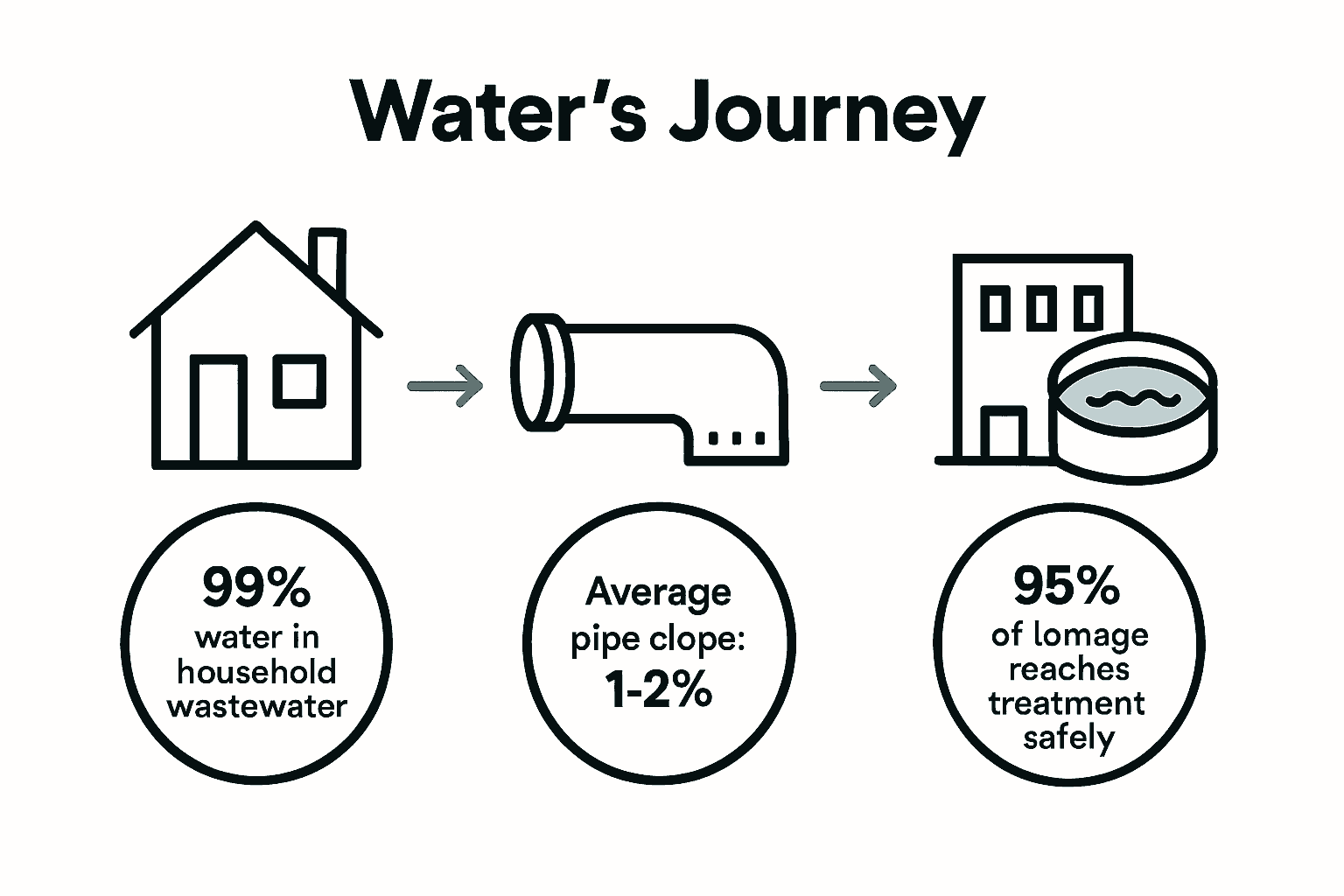 Smaller residential connection pipes gradually merge into larger municipal trunk lines, which ultimately direct waste toward centralized treatment facilities. Regular plumbing maintenance ensures these intricate networks remain functional and prevent potential blockages or system failures.
Key Components of a Sewer System Explained
Sewer systems are complex infrastructures composed of multiple interconnected elements working together to safely transport and process wastewater. Understanding these key components helps homeowners appreciate the sophisticated engineering behind urban waste management and recognize potential maintenance needs.
The following table summarizes the key components of a typical residential sewer system and explains their primary functions for homeowners.
| Component | Description |
|---|---|
| Underground Pipe Network | Transports wastewater underground using gravity, built from durable materials like PVC, clay, or concrete. |
| Manholes and Access Points | Allow maintenance teams to inspect, clean, ventilate, and repair critical sections of the sewer system. |
| Wastewater Collection Structures | Direct, collect, and channel wastewater toward treatment facilities through interceptors and regulators. |
| Lift Stations | Mechanically move wastewater in flat terrain areas where gravity flow isn’t possible. |
| Flow Regulators | Manage and balance water flow to prevent backups and manage volume surges from heavy rainfall. |
Underground Pipe Network
The underground pipe network forms the fundamental skeleton of any sewer system. These pipes are constructed from various materials like PVC, concrete, clay, and cast iron, each selected based on specific durability and environmental requirements. National Association of Sewer Service Companies highlights that pipe material selection directly impacts long term system performance and resilience.
Critical characteristics of these underground pipes include:
- Precise gradient design for gravity-based waste transportation
- Corrosion resistance
- Ability to withstand environmental pressure
- Seamless connection capabilities
Manholes and Access Points
Manholes serve as critical junction points within the sewer infrastructure. These underground chambers provide essential access for maintenance, inspection, and potential repair work. Emergency plumbing tips for Sacramento homeowners emphasize the importance of understanding these access points for quick problem resolution.
Manholes perform multiple crucial functions:
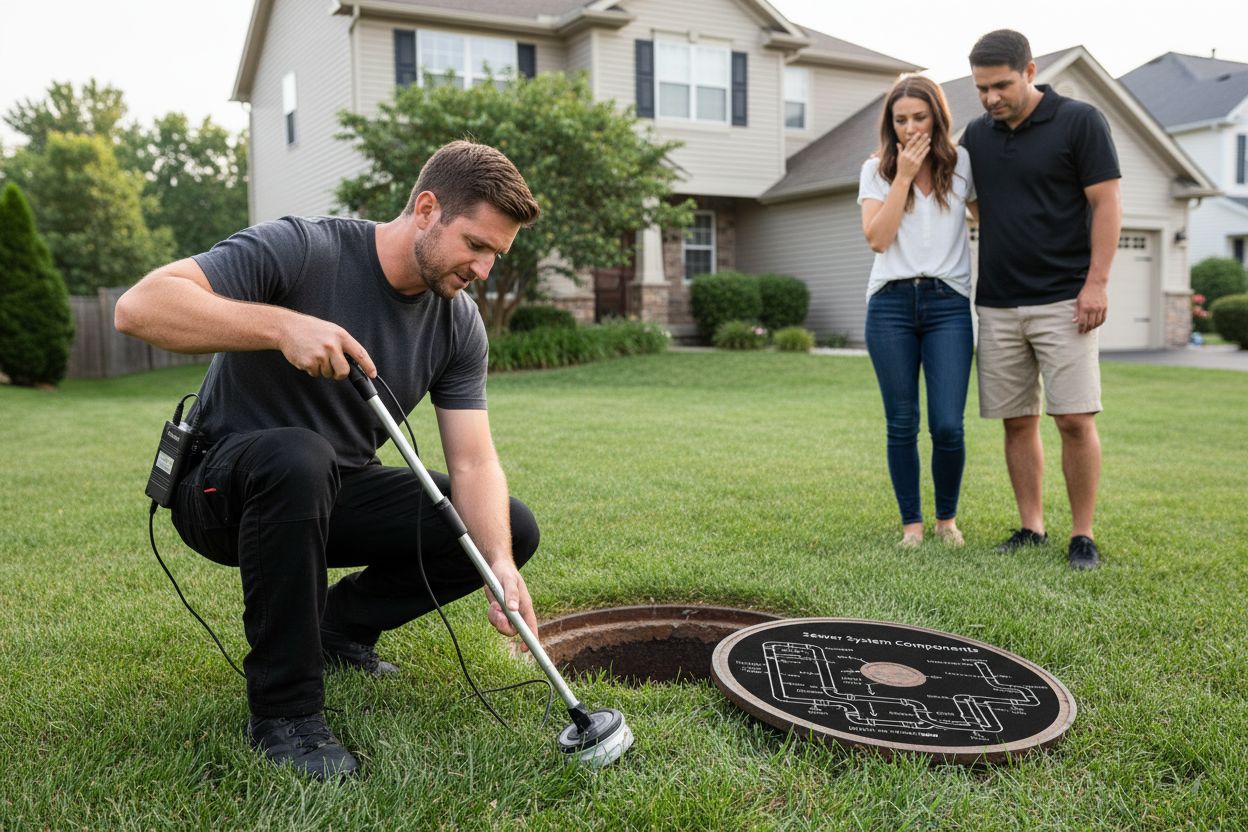
- Allow technicians to enter the underground pipe network
- Provide ventilation for sewer gases
- Enable flow direction changes
- Support system cleaning and maintenance operations
Wastewater Collection and Diversion Structures
Beyond basic pipes and manholes, sewer systems incorporate sophisticated collection and diversion structures. These specialized components manage waste flow, prevent backups, and direct wastewater toward treatment facilities. Interceptor sewers, lift stations, and flow regulators work collectively to maintain efficient waste transportation, ensuring environmental safety and public health protection.
Understanding Common Sewer System Issues
Sewer systems, while designed for durability and efficiency, are susceptible to various complications that can disrupt their normal functioning. Homeowners must recognize potential problems early to prevent extensive damage and costly repairs. Understanding these common issues helps in proactive maintenance and timely intervention.
This table outlines some of the most common issues affecting home sewer systems, along with their causes and potential consequences for homeowners.
| Issue | Typical Causes | Potential Consequences |
|---|---|---|
| Root Intrusion | Tree roots seeking moisture near pipe cracks | Blockages, pipe damage, high repair costs |
| Blockages/Material Buildup | Grease, wipes, food waste, non-biodegradable items | Disrupted flow, backups, unpleasant odors |
| Pipe Corrosion | Material aging, chemical interactions | Leaks, reduced efficiency, structural failure |
| Structural Pipe Damage | Ground movement, heavy loads, improper repair | Pipe rupture, flooding, landscape destruction |
| System Backups | Blockages or equipment failure | Sewage backup into home, property damage |
Root Intrusion and Pipe Damage
Tree root intrusion represents one of the most significant challenges in sewer system integrity. Roots naturally seek moisture and nutrients, making underground sewer pipes an attractive target. Environmental Protection Agency indicates that even small cracks or loose pipe joints can allow roots to penetrate and gradually expand, causing substantial structural damage.
Potential consequences of root intrusion include:
- Pipe blockages and reduced flow capacity
- Structural pipe deformation
- Complete pipe rupture
- Significant repair expenses
Blockages and Material Buildup
Blockages occur when inappropriate materials accumulate within the sewer system. Grease, non-biodegradable items, and excessive solid waste can create substantial obstructions. Read our guide on understanding common drainage problems for comprehensive insights into preventing these issues.
Common materials causing sewer system blockages include:
- Cooking grease and oils
- Feminine hygiene products
- Baby wipes
- Paper towels
- Food waste
Pipe Corrosion and Material Degradation
Underground pipes experience continuous stress from environmental factors, chemical interactions, and age. Different pipe materials deteriorate at varying rates, with older systems particularly vulnerable to corrosion. Material breakdown can lead to leaks, reduced flow efficiency, and potential system failure. Professional periodic inspections are crucial for identifying early signs of pipe degradation and implementing preventative maintenance strategies.
Protect Your Home from Hidden Sewer Problems with Legacy Plumbing & Drain Inc
Many Sacramento homeowners do not realize how much their peace of mind depends on a healthy, fully functioning sewer system. Issues like root intrusion, pipe blockages, and aging underground pipes can silently threaten your property value and health, as covered in our guide above. When your sewer system is neglected, the risk of expensive damage, unwanted odors, and even health hazards grows every day.
Do you want to avoid costly repairs and safeguard your family’s well-being? Trust the expert team at Legacy Plumbing & Drain Inc for thorough inspections, fast emergency response, and proactive maintenance. We help you spot hidden sewer system issues before they escalate and offer 24/7 solutions to restore your systems quickly. Visit our emergency plumbing services page to take immediate action or contact us now for a detailed assessment. Do not wait until minor problems become major headaches—partner with Sacramento’s premier plumbing specialists today.
Frequently Asked Questions
How do sewer systems transport waste from my home?
Sewer systems use gravity to transport waste through underground pipes that are slightly sloped. To understand how waste flows efficiently, inspect the pipe gradients around your home, ensuring they facilitate proper drainage.
What are common signs of sewer system issues in my home?
Common signs include slow drains, unpleasant odors, and water pooling in your yard. Act quickly by scheduling a professional inspection if you notice these symptoms to prevent costly repairs.
How can I maintain my sewer system to prevent blockages?
To maintain your sewer system, avoid flushing non-biodegradable items and regularly clean your drains. Implement a routine maintenance check every 6-12 months, which can help prevent blockages and keep your system running smoothly.
What are the health risks associated with sewer system failures?
Sewer system failures can expose your household to harmful bacteria and diseases. Protect your family by being proactive; address any sewage leaks or backups immediately to maintain a safe living environment.
How can tree roots affect my sewer system?
Tree roots can intrude through cracks in sewer pipes, leading to blockages and damage. Prevent root intrusion by ensuring trees are planted away from sewer lines and consider regular inspections to detect potential root problems.
Recommended
- Understanding Signs Of Sewer Backup For Homeowners – Legacy Plumbing & Drain – Emergency Plumbers Of Sacramento
- Types Of Home Plumbing Systems: A Guide For Sacramento Area Homeowners 2025 – Legacy Plumbing & Drain – Emergency Plumbers Of Sacramento
- Understanding Common Drainage Problems At Home – Legacy Plumbing & Drain – Emergency Plumbers Of Sacramento
- Regular Plumbing Maintenance In Sacramento: Prevent Leaks & Emergencies | Legacy Plumbing & Drain