Every year in the United States, more than 75,000 sewer overflows put homes and communities at risk. Many property owners face hidden dangers right beneath their feet, as aging pipes and unnoticed blockages threaten everyday comfort and health. Recognizing the early signals of sewer line trouble can mean the difference between a quick fix and a disaster that damages property, impacts finances, and affects the environment.
Key Takeaways
| Point | Details |
|---|---|
| Sewer Line Issues Are Common | The U.S. faces approximately 75,000 sanitary sewer overflows annually, revealing significant challenges in aging pipeline systems. |
| Recognize Warning Signs Early | Signs like slow drainage, foul odors, or gurgling noises indicate potential problems that require immediate professional assessment. |
| Adopt Preventative Measures | Regular inspections and avoiding hazardous disposal practices can extend sewer line longevity and reduce repair costs. |
| Understand Repair Options | Modern trenchless methods, such as Cured-in-Place Pipe (CIPP), minimize property disruption while effectively addressing sewer line damage. |
Table of Contents
- What Are Sewer Line Issues?
- Common Types of Sewer Line Problems
- Warning Signs of Sewer Line Trouble
- Repair Methods and Prevention Strategies
- Risks, Costs, and When to Call a Plumber
What Are Sewer Line Issues?
Sewer line issues represent complex underground problems that can dramatically impact your home’s plumbing infrastructure and overall property health. According to recent academic research, the United States has an extensive sewer network spanning over 2.1 million kilometers, which experiences approximately 75,000 sanitary sewer overflows annually. These startling statistics reveal the significant challenges homeowners and municipalities face with aging pipeline systems.
Typical sewer line issues include:
- Pipe Blockages: Caused by accumulated debris, grease buildup, or foreign objects
- Structural Deterioration: Aging pipes experiencing material breakdown
- Root Intrusion: Tree roots penetrating and damaging underground pipes
- Ground Shifting: Natural soil movements causing pipe misalignment or fractures
Sanitary sewer overflow (SSO) represents one of the most critical concerns in this domain. Read more about sewer line warning signs to understand how these issues develop. According to research, SSOs occur between 23,000 and 75,000 times yearly in the U.S., indicating systemic challenges with underground drainage infrastructure. These events can release untreated sewage into environments, posing severe public health and ecological risks.
Understanding these issues early helps homeowners prevent catastrophic damage. Environmental factors like soil composition, pipe material, installation quality, and maintenance practices significantly influence sewer line longevity and performance. Proactive inspection and timely interventions can mitigate potential disasters, saving thousands in potential repair costs.
Common Types of Sewer Line Problems
Sewer line problems can emerge through multiple complex mechanisms, presenting significant challenges for homeowners and municipal infrastructure. Pipe Material Deterioration stands as a primary concern, especially in older residential systems. According to research on vitrified clay pipe (VCP) infrastructure, aging pipes—particularly those constructed from materials like clay or cast iron—are prone to structural failures at critical connection points.
The most frequent sewer line problems include:
- Pipe Cracking: Caused by ground movement, pressure changes, or material fatigue
- Root Infiltration: Tree roots penetrating pipe joints and creating structural damage
- Sediment Buildup: Gradual accumulation of debris restricting water flow
- Corrosion: Chemical breakdown of pipe materials over extended periods
- Joint Separation: Pipes disconnecting at connection points due to ground shifts
Learn more about recognizing sewer backup signs before these issues escalate. Vitrified clay pipes, while chemically resistant, can develop significant vulnerabilities at joint connections, where microscopic cracks gradually expand.
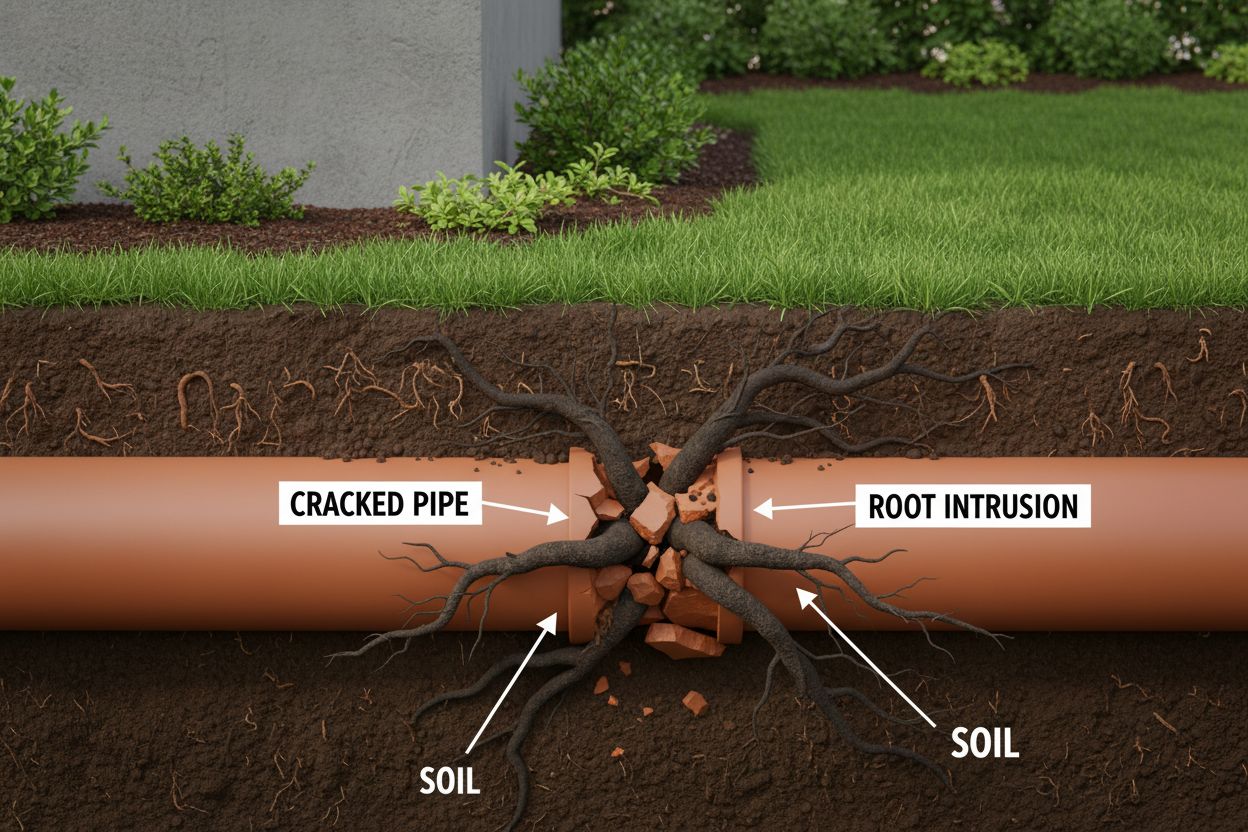 These vulnerabilities often result from environmental stress, temperature fluctuations, and persistent underground pressure.
Understanding these problem types requires homeowners to recognize early warning signals. Slow drainage, unusual odors, unexpected wet patches in yards, and recurring backups can indicate underlying sewer line complications. Professional diagnostic techniques like camera inspections help identify specific issues, enabling targeted repairs that prevent catastrophic system failures and protect both property infrastructure and environmental health.
Here’s a comparison of common sewer line problems and their typical causes:
| Problem Type | Typical Cause | Common Symptoms |
|---|---|---|
| Pipe Cracking | Ground movement Pressure changes Material fatigue |
Leaks Water pooling Backups |
| Root Infiltration | Tree roots in joints | Slow drains Blockages |
| Sediment Buildup | Debris Grease Foreign objects |
Slow drainage Frequent clogs |
| Corrosion | Chemical breakdown Aging pipes |
Pipe leaks Reduced strength |
| Joint Separation | Soil shifting Poor connections |
Water leaks Wet patches |
Warning Signs of Sewer Line Trouble
Identifying early sewer line warning signs can prevent catastrophic plumbing failures and save homeowners significant repair costs. According to professional plumbing sources, these indicators range from subtle sensory changes to more dramatic structural manifestations. Unusual symptoms in your home’s plumbing system should never be ignored, as they often signal deeper underground infrastructure problems.
Key warning signs include:
- Persistent Foul Odors: Unpleasant smells from drains or yard areas
- Unusual Drainage Sounds: Gurgling or bubbling noises from plumbing fixtures
- Water Backup: Unexpected water rising in sinks, toilets, or bathtubs
- Lawn Irregularities: Unexpectedly lush or soggy patches in your yard
- Mold Growth: Sudden appearance of mold in unexpected indoor locations
- Pest Increases: Unusual surge in insect or rodent activity
- Structural Damage: Foundation cracks or emerging sinkholes
Discover signs your pipes need professional inspection, as these symptoms can quickly escalate from minor inconveniences to major infrastructure failures. Professional plumbing sources emphasize that these signs collectively indicate potential sewer line distress, requiring immediate professional assessment.
Homeowners should remain vigilant and proactive. While some warning signs might seem minor, they can quickly evolve into expensive repairs. Underground sewer line issues often develop gradually, making early detection crucial. When multiple warning signs emerge simultaneously, it’s a strong indicator that your sewer system needs professional evaluation to prevent potential environmental contamination and significant property damage.
Repair Methods and Prevention Strategies
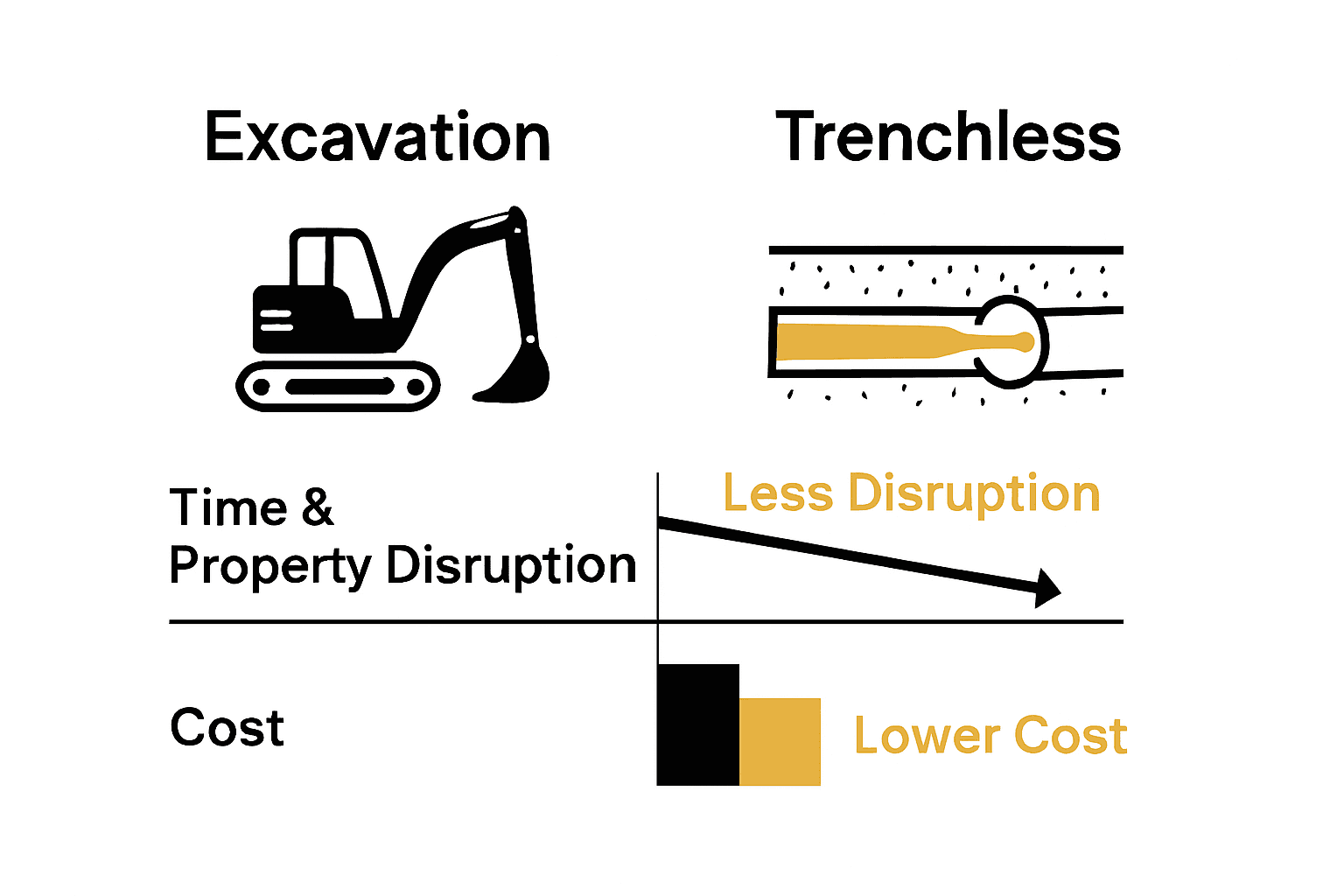
Sewer line repairs have evolved significantly, offering homeowners multiple innovative solutions that minimize property disruption and provide long-lasting infrastructure restoration. Modern techniques range from minimally invasive trenchless technologies to traditional excavation methods, each designed to address specific types of sewer line damage with precision and efficiency.
Key repair methods include:
- Cured-in-Place Pipe (CIPP): A revolutionary trenchless technique
- Sliplining: Inserting a smaller carrier pipe within the existing damaged pipe
- Pipe Bursting: Replacing old pipes by fragmenting the existing infrastructure
- Traditional Excavation: Complete pipe replacement through ground digging
- Pipe Relining: Creating a new pipe interior using specialized resin materials
Explore comprehensive pipe replacement techniques, understanding the nuanced approaches professionals use. According to research, trenchless methods like Cured-in-Place Pipe (CIPP) offer remarkable advantages. This technique involves inserting a resin-impregnated liner into the existing pipe, which is then cured to create a seamless inner pipe structure—effectively rehabilitating the system without extensive excavation.
Prevention remains the most cost-effective strategy for maintaining sewer line integrity. Homeowners should implement regular professional inspections, avoid disposing of grease or non-biodegradable materials down drains, manage landscaping to prevent root intrusions, and monitor early warning signs. Understanding that proactive maintenance can prevent expensive repairs, investing in periodic professional assessments and adopting responsible household practices can significantly extend your sewer line’s functional lifespan.
Risks, Costs, and When to Call a Plumber
Sewer line failures represent far more than simple plumbing inconveniences—they pose significant health, environmental, and financial risks to homeowners. According to critical research, sanitary sewer overflows occur up to 75,000 times annually in the United States, creating potential catastrophes that extend beyond immediate property damage to broader public health concerns.
Key risks associated with unaddressed sewer line issues include:
- Health Hazards: Potential waterborne illness transmission
- Environmental Contamination: Untreated sewage release into surrounding ecosystems
- Structural Damage: Foundation erosion and property infrastructure compromise
- Financial Implications: Exponentially increasing repair costs if left unmanaged
- Property Value Reduction: Significant negative impact on home marketability
Learn about emergency plumbing service protocols to understand rapid response strategies. U.S. plumbing professionals strongly advise immediate action when warning signs emerge. This means stopping water fixture usage and contacting licensed professionals when experiencing backups, unusual odors, or soggy yard areas. Modern diagnostic techniques like video camera inspections enable precise issue identification, helping homeowners make cost-effective repair decisions.
Financial considerations are paramount. Minor sewer line issues might cost a few hundred dollars to resolve, while complete system replacements can escalate to tens of thousands of dollars. Professional plumbers recommend annual inspections as a preventative measure, typically costing between $250-$500, which can potentially save homeowners thousands in catastrophic repair expenses. When multiple warning signs appear simultaneously—persistent drainage problems, unusual sounds, or visible property changes—it’s crucial to schedule professional assessment immediately.
Protect Your Sacramento Home From Costly Sewer Line Disasters
Worried about sewer line problems such as pipe blockages, root intrusion, or mysterious odors creeping through your home? These early warning signs point to potential underground issues that can put your property and your family’s safety at risk. You have just learned how quickly minor sewer concerns can escalate into major repairs or even hazardous overflows if left unchecked. Now is the time to address these threats before you face extensive property damage and expensive disruptions.
Stop sewer problems in their tracks. Legacy Plumbing & Drain Inc offers rapid response, advanced diagnostic tools, and tailored solutions to Sacramento homeowners dealing with sewer line challenges. Our team is ready 24/7 to handle everything from pipe inspections to full replacement. Take action now to prevent disaster and secure true peace of mind. Reach out today for prompt, professional help and keep your home protected from hidden sewer line risks.
Frequently Asked Questions
What are the common signs of sewer line issues?
Common signs include persistent foul odors, unusual drainage sounds (like gurgling), unexpected water backups in sinks or toilets, soggy patches in the yard, and the sudden appearance of mold. These warning signs indicate potential sewer line problems that may require professional assessment.
What causes sewer line blockages and failures?
Sewer line failures can be caused by several factors, including pipe blockages from grease buildup or debris, structural deterioration of aging pipes, root infiltration from nearby trees, and ground shifting that misaligns or fractures pipes.
What are the most effective methods for repairing sewer lines?
Effective repair methods include Cured-in-Place Pipe (CIPP), sliplining, pipe bursting, traditional excavation, and pipe relining. Trenchless methods like CIPP are particularly beneficial as they minimize disruption while rehabilitating the sewer line.
How can homeowners prevent sewer line problems?
Homeowners can prevent sewer line problems by scheduling regular professional inspections, avoiding the disposal of grease and non-biodegradable materials down the drain, managing landscaping to prevent root intrusions, and being vigilant about early warning signs that may indicate sewer line distress.
Recommended
- Sewer Line Issues: Warning Signs And Fast Solutions – Legacy Plumbing & Drain – Emergency Plumbers Of Sacramento
- Difference Between Sewer And Drain: Complete Guide – Legacy Plumbing & Drain – Emergency Plumbers Of Sacramento
- Understanding Signs Of Sewer Backup For Homeowners – Legacy Plumbing & Drain – Emergency Plumbers Of Sacramento
- How To Clear Main Sewer Line: A Step-by-Step Guide – Legacy Plumbing & Drain – Emergency Plumbers Of Sacramento