Clogged main sewer lines can turn a quiet morning upside down in any home. Slow drainage across multiple fixtures is often the first red flag and it is more common than homeowners expect. You might think a quick fix or a bottle of chemical cleaner is all you need. However, tackling a main line blockage the right way often demands specific tools and strategic steps most people overlook.
Table of Contents
- Step 1: Assess Your Current Situation
- Step 2: Gather Necessary Tools and Materials
- Step 3: Locate the Cleanout Access Point
- Step 4: Remove Debris and Clear the Cleanout
- Step 5: Utilize a Drain Snake or Hydro Jet
- Step 6: Verify Flows and Document the Process
Quick Summary
| Key Point | Explanation |
|---|---|
| 1. Identify early sewer line problems | Slow drainage and gurgling noises are indicators of a potential main sewer line blockage. Acting early can save costs and time. |
| 2. Gather essential tools before starting | Having a plumbing snake, protective gear, and other necessary tools on hand ensures a smoother clearing process and reduces mess. |
| 3. Locate the cleanout access point | Finding the cleanout allows direct access for clearing blockages in the main sewer line, crucial for effective maintenance. |
| 4. Utilize appropriate clearing techniques | Use a drain snake for solid blockages, and consider hydro jetting for thorough cleaning of the pipe interiors and prevention of future issues. |
| 5. Document the clearing process and results | Keeping detailed records of the maintenance performed helps in tracking the sewer system’s condition and informs future interventions. |
Step 1: Assess Your Current Situation
Before attempting to clear your main sewer line, understanding the current state of your plumbing system is crucial. A thorough initial assessment helps you determine the most appropriate strategy for resolving potential blockages and prevents unnecessary complications.
Identifying Initial Signs of Sewer Line Problems
Recognizing early warning signs can save you significant time and money.
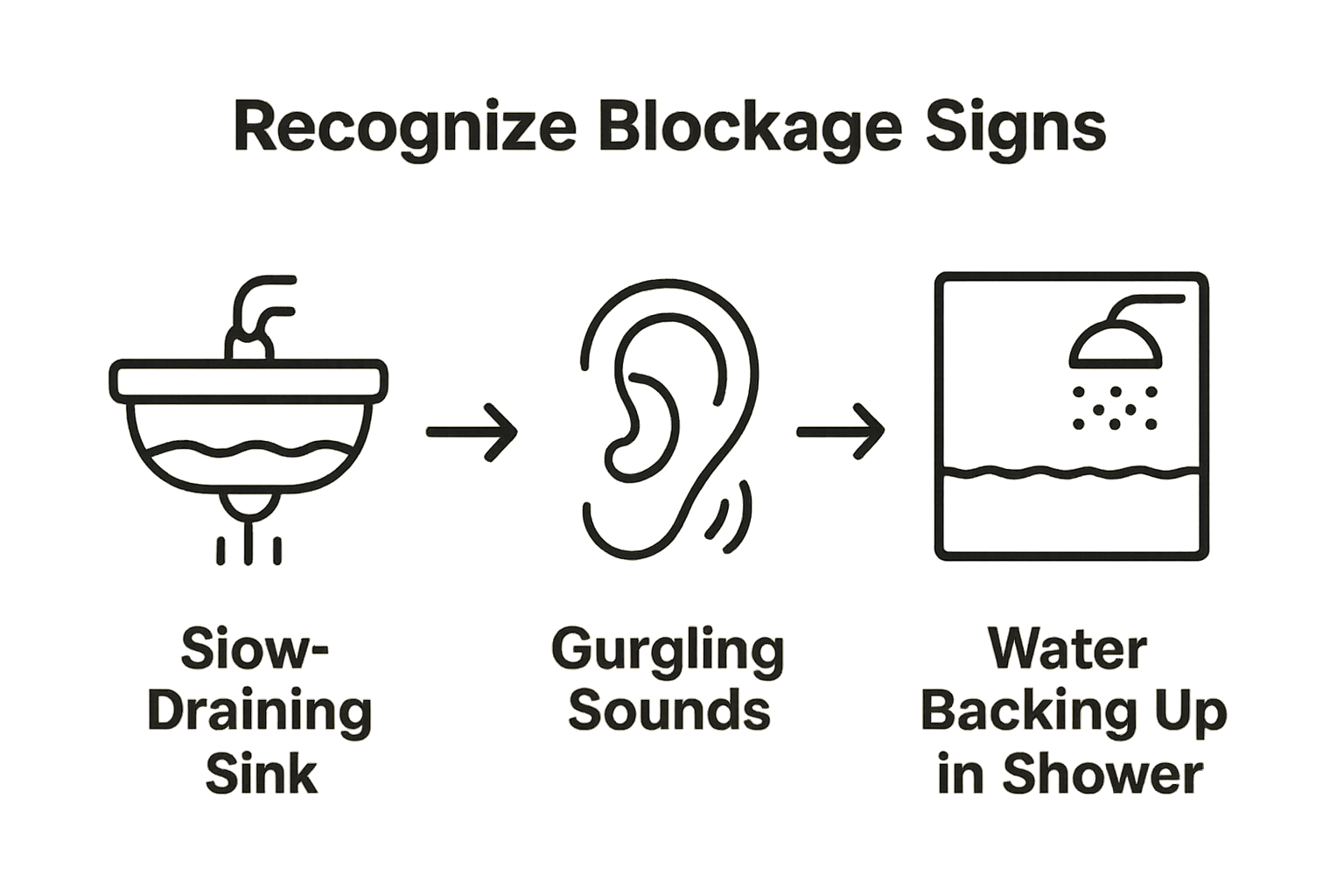 Slow drainage throughout your home is often the first indicator of a main sewer line issue. When multiple fixtures like toilets, sinks, and showers start draining sluggishly, it suggests a blockage deeper in your plumbing system rather than a localized problem.
Listen for unusual sounds emanating from your drains. Gurgling or bubbling noises when water flows can signal trapped air in the pipes, which frequently indicates a developing obstruction in the main sewer line. These sounds occur because air cannot smoothly pass through the blocked pipe, creating distinctive audio signals.
Preliminary Diagnostic Techniques
Careful observation is key to diagnosing potential sewer line problems. Check for water backing up in unexpected places. For instance, when you flush the toilet, water might emerge from a shower drain or sink. This cross-connection suggests a significant blockage preventing normal water flow through your main sewer line.
Consider the age and history of your property. Older homes with mature landscaping are more susceptible to sewer line issues. Tree roots can gradually infiltrate and compromise underground pipes, creating persistent blockage challenges. If your home is more than 20 years old and located in an area with extensive tree coverage, you are at higher risk for root-related sewer line complications.
Before proceeding with clearing techniques, document your observations. Take notes about drainage patterns, unusual sounds, and any visible symptoms. This information will be valuable if you need to consult a professional plumber and can help diagnose the specific nature of your sewer line blockage.
Remember, while some minor issues can be addressed through DIY methods, significant sewer line problems often require professional intervention. According to the National Association of Home Builders, recognizing early warning signs can prevent costly repairs and potential structural damage to your property.
Step 2: Gather Necessary Tools and Materials
Successfully clearing a main sewer line requires precise preparation and the right equipment. Assembling your tools before starting the project can mean the difference between a smooth repair and a potentially messy situation. Professional plumbers recommend having all materials ready before beginning any sewer line maintenance task.
Essential Equipment for Sewer Line Clearing
The core of your toolkit will include specialized plumbing equipment designed to handle complex blockages. A plumbing snake or drain auger becomes your primary weapon against stubborn clogs. These flexible, long cables can navigate through pipes, breaking up and removing significant obstructions. Choose between manual and motorized versions depending on the severity of your blockage.
Protective gear is equally critical. Heavy-duty rubber gloves, safety glasses, and waterproof clothing will shield you from potential bacteria and waste materials. Sewer line work can expose you to unsanitary conditions, so comprehensive personal protection is non negotiable. Consider wearing disposable coveralls that can be immediately discarded after completing the task.
Additional tools you will want to have on hand include:
- Adjustable pipe wrench
- Plunger with heavy-duty rubber seal
- Bucket for collecting debris
- High-pressure garden hose
- Flashlight or headlamp for visibility
- Protective drop cloths or plastic sheeting
Chemical drain cleaners can be controversial among professionals. While they might seem convenient, harsh chemical solutions can potentially damage your pipes and are not recommended as a primary clearing method. Instead, focus on mechanical clearing techniques that physically remove blockages without risking long-term plumbing damage.
According to the International Association of Certified Home Inspectors, understanding your specific pipe material and potential vulnerabilities is crucial before attempting any clearing procedure. Different pipe materials like cast iron, PVC, or clay respond differently to clearing techniques, so select your tools and approach accordingly.
Before proceeding, verify that all your equipment is in good working condition. Check snake cables for kinks or wear, ensure wrenches are properly adjusted, and confirm that protective gear fits comfortably. A well-prepared toolkit sets the foundation for a successful main sewer line clearing operation.
Below is a table summarizing the essential tools and materials needed for clearing a main sewer line, along with their purposes and important notes.
| Tool/Material | Purpose | Notes/Considerations |
|---|---|---|
| Plumbing Snake/Drain Auger | Breaks up and removes stubborn clogs | Manual or motorized; check cable condition |
| Heavy-Duty Rubber Gloves | Protects hands from bacteria and waste | Wear at all times during sewer line work |
| Safety Glasses | Shields eyes from debris and splashes | Essential for personal safety |
| Waterproof Clothing/Overalls | Prevents contamination of regular clothes | Use disposable if possible |
| Adjustable Pipe Wrench | Opens cleanout cap | Ensure proper fit before applying pressure |
| Plunger (Heavy-Duty Seal) | Assists with minor blockages | Useful for superficial clogs |
| Bucket | Collects water and debris | Place near cleanout area |
| High-Pressure Garden Hose | Used for flushing pipes and hydro jetting | Attach appropriate nozzle for increased pressure |
| Flashlight/Headlamp | Improves visibility during inspection | Hands-free light recommended for dark spaces |
| Protective Drop Cloths/Sheeting | Contains mess in the work area | Lay around cleanout before starting |
Step 3: Locate the Cleanout Access Point
The cleanout access point is your critical gateway to addressing main sewer line blockages. This small but crucial component provides direct entry into your home’s primary sewer line, allowing you to diagnose and resolve significant plumbing issues with precision and efficiency.
Finding your cleanout requires systematic investigation and careful observation. Most residential properties have at least one cleanout, typically a white or black capped pipe protruding from the ground near your home’s foundation or inside the basement. These access points are strategically positioned to offer the most direct route into your primary sewer line.
Begin your search by examining the exterior perimeter of your home. Look for small, circular caps made of concrete, metal, or plastic that are approximately 4 to 6 inches in diameter. Pay special attention to areas near your kitchen and bathroom exterior walls, as these locations frequently align with primary sewer line pathways. The cleanout might be partially obscured by grass, landscaping, or accumulated debris, so a thorough visual inspection is essential.
Indoor investigations offer alternative discovery methods. Check your basement, crawl spaces, and utility areas for vertical pipes with removable caps. These indoor cleanouts are particularly valuable during winter months when exterior access might be challenging due to snow or frozen ground. Look for pipes with square-headed plugs or distinctive markings that differentiate them from standard water or drainage pipes.
If initial searches prove unsuccessful, consider consulting your property’s original blueprints or municipal records. Architectural drawings can provide precise cleanout location details, saving you hours of potentially frustrating searching. Some homeowners discover their cleanout is located underneath concrete surfaces or hidden behind finished walls, requiring more sophisticated detection techniques.
Technological assistance can also aid your search. Modern pipe locator devices can help trace underground pipe routes, helping you pinpoint the exact cleanout location. These tools emit electronic signals that track metal pipes, providing a reliable method for identifying hard-to-find access points.
According to the International Association of Certified Home Inspectors, understanding your property’s specific sewer line configuration is crucial. If you cannot locate the cleanout after thorough investigation, professional assistance becomes not just advisable but necessary. Certified plumbers possess specialized equipment and expertise to identify and access these critical infrastructure points.
Verify your cleanout’s location by confirming it provides a clear, unobstructed pathway into the main sewer line. The cap should be removable without excessive force, and the pipe’s opening should appear clean and free from significant debris or obvious damage.
Step 4: Remove Debris and Clear the Cleanout
Removing debris from your sewer line cleanout requires precision, patience, and strategic approach. This critical stage determines the success of your entire sewer line clearing operation, making careful execution paramount to resolving potential blockages effectively.
Prepare your workspace before attempting any removal procedures. Lay down protective drop cloths or plastic sheeting around the cleanout area to contain potential spillage and minimize mess. Position your bucket strategically to capture any water or debris that might emerge during the clearing process. Wear your previously prepared protective gear, including heavy-duty rubber gloves and safety glasses, to shield yourself from potential bacterial exposure.
Carefully remove the cleanout cap using an adjustable pipe wrench. Approach this step with controlled movements to prevent sudden water or sewage discharge. Open the cap slowly, allowing pressure to equalize gradually. If water begins to emerge, stop and assess the situation. A significant water backup suggests a more substantial blockage that might require professional intervention.
Once the cleanout is exposed, utilize your plumbing snake or drain auger to begin removing obstructions. Insert the cable slowly, rotating it clockwise to help navigate through potential bends or restrictions in the pipe. Feel for resistance, which indicates debris or blockage points. When you encounter an obstruction, apply gentle but firm pressure to break through or extract the material. Avoid using excessive force, as this could potentially damage your pipes.
If the initial snake attempt does not clear the blockage, consider using a high-pressure water jetting technique. This method uses concentrated water streams to dislodge and flush out stubborn debris. Attach a specialized nozzle to your garden hose, ensuring it can withstand significant water pressure. Direct the stream carefully into the cleanout, moving the nozzle systematically to cover different pipe sections.
Periodically remove the snake or jetting equipment to inspect the extracted debris.
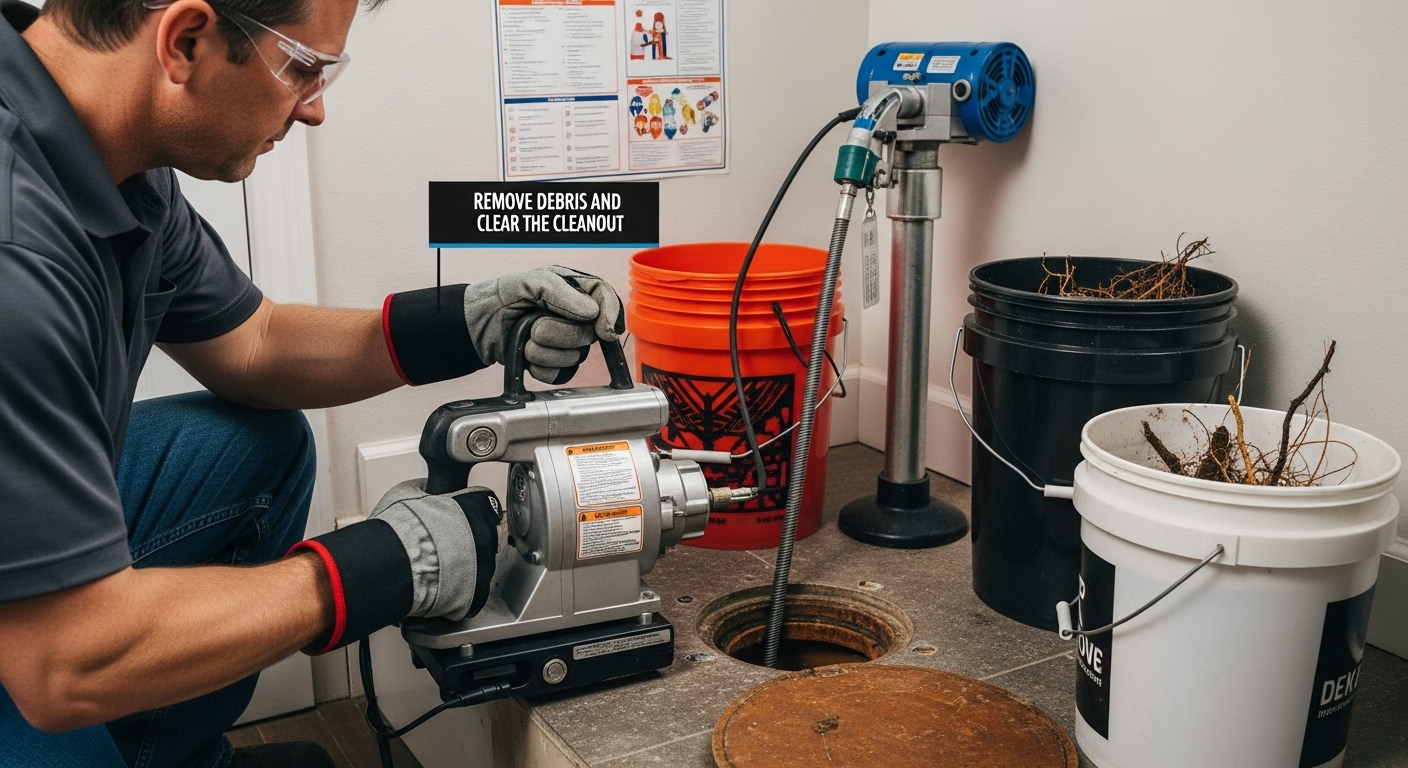 Look for signs of significant blockage such as:
- Tree root fragments
- Accumulated grease and soap residue
- Potential foreign objects
- Mineral deposits
Document your findings, as they might provide insights into recurring plumbing issues or necessary preventative maintenance. Some blockage types indicate underlying problems that might require more comprehensive solutions.
According to the Environmental Protection Agency, regular maintenance and careful debris removal can significantly extend the lifespan of your home’s sewer infrastructure. Take your time, remain methodical, and prioritize careful technique over rapid execution.
Verify your clearing efforts by running water through multiple fixtures and observing drainage speed and consistency. Smooth, quick drainage indicates successful debris removal, while continued sluggish flow suggests you may need to repeat the process or consult a professional plumber.
Step 5: Utilize a Drain Snake or Hydro Jet
Choosing between a drain snake and a hydro jet represents a critical decision in clearing your main sewer line. Each method offers unique advantages for addressing different types of blockages, requiring careful consideration of your specific plumbing situation.
Begin with the drain snake, your first line of mechanical intervention. This flexible cable tool allows precise navigation through pipe bends and obstructions. Insert the snake slowly into the cleanout, rotating the handle to guide it through potential blockage points. Pay close attention to resistance, which indicates you are encountering debris or potential pipe restrictions. When the snake encounters an obstruction, apply gentle but consistent pressure to break through or extract the material.
The manual snake technique works best for localized, solid blockages like accumulated debris, small root intrusions, or foreign objects. Move the snake back and forth, using rotational movements to help break up and dislodge material. Some advanced snake models feature interchangeable cutting heads, allowing you to tackle different types of obstructions more effectively.
Hydro jetting represents a more comprehensive clearing method, utilizing high-pressure water streams to thoroughly clean pipe interiors.
This technique not only removes existing blockages but also scours pipe walls, eliminating potential future buildup. Connect the hydro jet nozzle to a powerful water source, carefully inserting it into the cleanout. Start with lower pressure settings, gradually increasing intensity as you navigate through the pipe system.
Consider these critical hydro jet application tips:
- Maintain consistent nozzle movement to prevent concentrated pressure damage
- Use forward and backward motions to ensure comprehensive pipe cleaning
- Watch for water flow and pressure changes indicating blockage removal
- Wear protective gear to shield against potential water splash back
Research from the Plumbing Efficiency Research Foundation indicates that systematic pipe cleaning techniques can significantly extend infrastructure lifespan. If you are uncertain about the appropriate method, read more about our drain clearing techniques to make an informed decision.
This table compares the drain snake and hydro jet methods for clearing blockages, outlining their effectiveness, ideal uses, and key precautions.
| Method | Best For | Effectiveness | Key Precautions |
|---|---|---|---|
| Drain Snake | Localized, solid blockages | Breaks and removes debris | Avoid excessive force to prevent pipe damage |
| Hydro Jet | Extensive, stubborn or greasy blockages | Thorough pipe cleaning | Start at low pressure; protect against splash back |
Verify your clearing efforts by running water through multiple fixtures. Consistent, rapid drainage indicates successful blockage removal. Persistent slow drainage suggests you may need to repeat the process or consult a professional plumber for more advanced intervention.
Step 6: Verify Flows and Document the Process
Verifying your main sewer line clearing results represents the critical final stage of your maintenance procedure. Systematic flow testing and documentation ensure you have successfully resolved potential blockage issues and provide valuable insights for future plumbing maintenance.
Begin by systematically testing water flow across multiple fixtures in your home. Start with the lowest fixtures like basement sinks or floor drains, then progressively test upper-level sinks, showers, and toilets. Observe drainage speed, listening for unusual sounds and watching water movement. Rapid, consistent drainage without gurgling or backing up indicates a successful clearing operation.
Perform a comprehensive flow test by simultaneously running water in different locations. Flush toilets while running sink faucets, checking for any cross-drainage or backup indications. Unusual water movement between fixtures suggests potential remaining obstructions that might require additional clearing techniques or professional intervention.
Documentation becomes your critical maintenance record. Create a detailed log capturing essential information about your sewer line clearing process. Your documentation should include precise details that could help future maintenance efforts. Photograph the cleanout area before and after clearing, noting any visible debris or pipe conditions. Record the specific tools used, techniques applied, and duration of the clearing process.
Capture these key documentation elements:
- Date and time of sewer line maintenance
- Specific tools and methods employed
- Photographs of cleanout and extracted debris
- Observations about pipe condition
- Duration of clearing process
- Any unusual findings or potential concerns
Pay special attention to potential warning signs that might indicate more significant plumbing issues. Persistent slow drainage, recurring blockages, or unusual odors could signal deeper problems requiring professional assessment. Your detailed documentation serves as a valuable reference for future maintenance or when consulting a professional plumber.
According to the National Association of Home Builders, comprehensive maintenance documentation can help homeowners track potential developing issues and make informed decisions about infrastructure care. For more insights into maintaining your home’s plumbing systems, consider consulting professional resources.
Final verification involves monitoring your home’s plumbing performance over the next few weeks. Any recurring drainage issues or new symptoms should prompt immediate professional evaluation to prevent potential long-term infrastructure damage.
When DIY Sewer Line Clearing Isn’t Enough, Trust Sacramento’s Plumbing Experts
Struggling with persistent sewer line blockages despite following every step? You are not alone. Many homeowners encounter stubborn clogs, tree root intrusion, or recurring backups that cannot be solved with a drain snake or home remedies. Ignoring slow drains and unusual noises can lead to larger problems like water damage and expensive repairs. At Legacy Plumbing & Drain Inc, we understand how important reliable plumbing is to your peace of mind and your home’s safety.
Stop letting anxiety over plumbing emergencies take away your comfort. Our licensed team is available 24/7 to tackle main sewer line issues using industry-leading equipment and techniques. We can quickly locate your cleanout, clear deep blockages, and provide lasting solutions, so you never have to worry about the health of your home’s pipes again. Ready for fast, expert service in Sacramento? Book your sewer line consultation today for immediate assistance, or visit our main service page to discover how Legacy Plumbing & Drain Inc can keep your entire plumbing system performing its best. Don’t wait until a small problem becomes a major emergency. Get the relief and results you deserve now.
Frequently Asked Questions
What are the signs of a main sewer line blockage?
Slow drainage from multiple fixtures, gurgling sounds from drains, and water backing up in unexpected places are common indicators of a blockage.
How do I locate the cleanout access point for my sewer line?
Cleanout access points are typically capped pipes near your home’s foundation or inside the basement. Look for pipes approximately 4 to 6 inches in diameter, often near kitchen and bathroom walls.
What tools do I need to clear my main sewer line?
Essential tools include a plumbing snake or drain auger, heavy-duty rubber gloves, safety glasses, a bucket, and potentially a high-pressure garden hose or a hydro jetting system for stubborn blockages.
What is the difference between a drain snake and hydro jetting?
A drain snake mechanically breaks up and removes solid blockages, while hydro jetting uses high-pressure water streams to thoroughly clean pipe walls and clear blockages, making it effective for more extensive cleaning needs.