
Did you know that neglected plumbing can lead to water damage costing homeowners an average of $10,000 or more in repairs? Many believe their pipes will last forever, but even modern materials have expiration dates. Overlooking subtle warning signs often turns minor issues into major emergencies. With the right knowledge, you can make smart choices about pipe replacement, sidestep costly myths, and keep your home safe for years to come.
Key Takeaways
| Point | Details |
|---|---|
| Understand Lifespans | Different pipe materials like CPVC, PEX, and copper have distinct lifespans and costs, impacting long-term plumbing decisions. |
| Monitor Warning Signs | Pay attention to indicators such as frequent leaks and discolored water to prevent significant plumbing issues. |
| Prioritize Maintenance | Conduct regular inspections to extend the lifespan of your pipes and reduce the risk of costly emergencies. |
| Evaluate Replacement Costs | Understand the financial implications of pipe replacement, as delays can lead to more expensive repairs and property damage. |
Table of Contents
- Pipe Replacement Basics And Common Myths
- Types Of Residential Pipes And Lifespans
- Warning Signs Your Pipes Need Replacing
- Factors Affecting Pipe Replacement Frequency
- Cost, Risks, And Replacement Alternatives
Pipe Replacement Basics and Common Myths
Understanding pipe replacement isn’t just about preventing leaks – it’s about protecting your home’s most critical infrastructure. According to research, pipes aren’t immortal, and ignoring warning signs can lead to significant damage. Modern plumbing systems use various materials like CPVC, PEX, and copper, each with unique characteristics and lifespans.
Common Pipe Materials and Their Lifespans
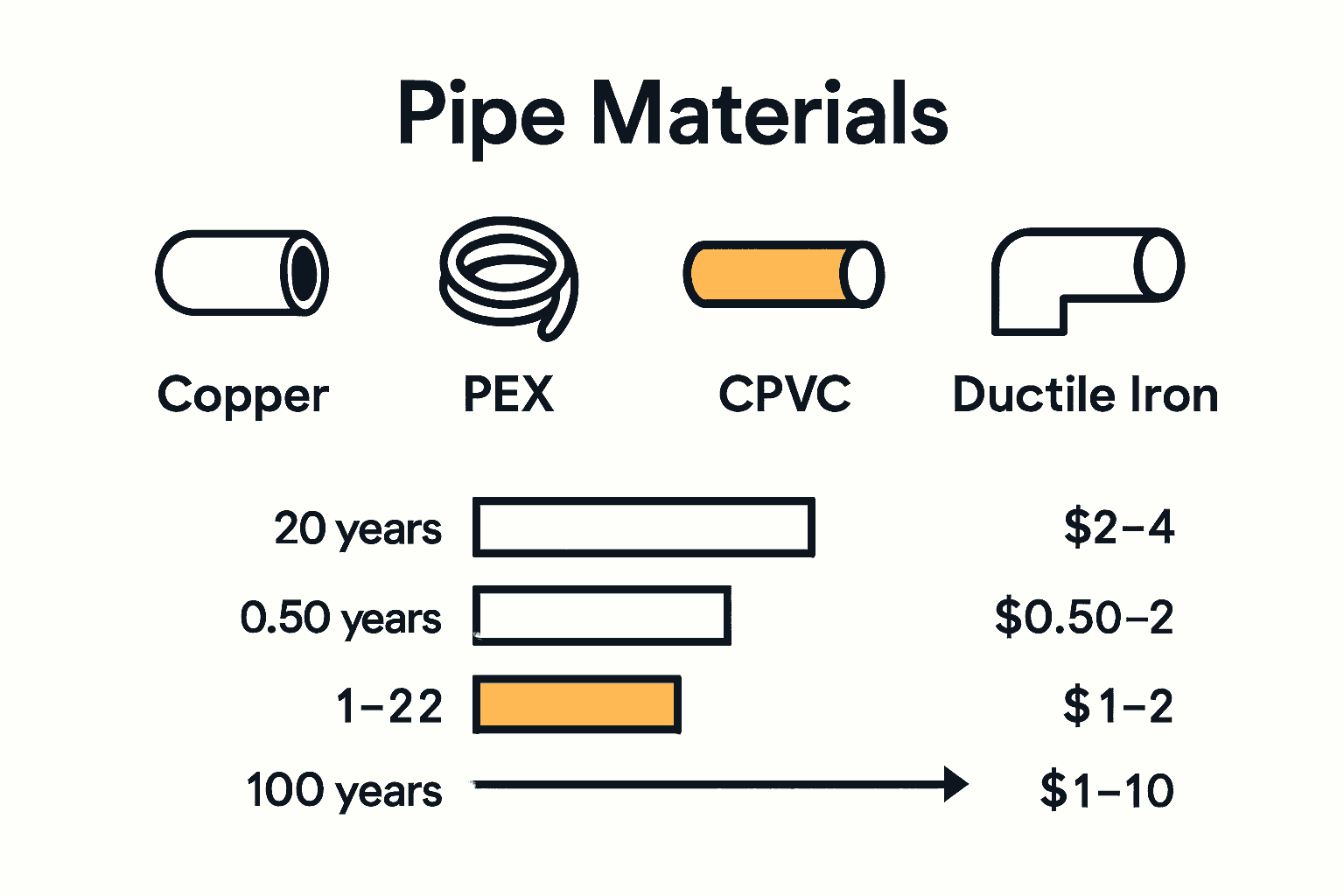
- CPVC: Costs $0.50–$3 per foot, lasting 50–75 years
- PEX: Ranges $0.40–$4 per foot, with an impressive 80–100 year lifespan
- Copper: Priced at $2–$12 per foot, surviving 50–100 years
Contrary to popular belief, pipes don’t last forever. Our guide on plumbing myths reveals that homeowners often ignore critical warning signs. Recurring leaks, discolored water, low water pressure, and visible corrosion are red flags signaling potential pipe replacement needs. These aren’t just minor inconveniences – they’re indicators of potential systemic plumbing issues.
The key is proactive maintenance. Regular inspections can help you catch potential problems before they escalate into expensive emergencies. Don’t wait for a catastrophic failure. Understanding your pipe materials, their expected lifespan, and monitoring their condition will save you significant time, money, and stress in the long run.
Types of Residential Pipes and Lifespans
Choosing the right pipe material is crucial for your home’s long-term plumbing health. Different pipe types offer unique advantages and have varying lifespans depending on environmental conditions and installation quality. Understanding these nuances can help homeowners make informed decisions about their plumbing infrastructure.
Common Residential Pipe Materials
Here’s how common residential pipe materials compare:
| Pipe Material | Lifespan | Key Advantages | Typical Cost (per foot) |
|---|---|---|---|
| Copper | 50-100 years | Corrosion resistant Durable |
$2–$12 |
| PEX | 80-100 years | Flexible Resistant to freezing Lower cost |
$0.40–$4 |
| CPVC | 50-75 years | Light weight Easy to install |
$0.50–$3 |
| Ductile Iron | 21-110 years | Strong Long lifespan with protection |
Varies (higher than others) |
-
Copper Pipes: 50-100 years lifespan
- Corrosion resistant
- Durable in most residential environments
- Higher cost compared to other materials
-
PEX (Cross-Linked Polyethylene): 80-100 years lifespan
- Flexible installation
- Resistant to freezing and scaling
- Lower cost alternative
-
Ductile Iron Pipes: 21-110 years lifespan
- Significant variance based on environmental conditions
- Can last up to 110 years with proper corrosion protection
- Vulnerable in corrosive soil environments
Explore our comprehensive guide on pipe replacement options to understand which material might best suit your specific home needs. According to research on ductile iron pipes, environmental factors play a critical role in determining pipe longevity.
 In benign conditions with robust corrosion protection, these pipes can potentially serve your home for over a century.
The lifespan of your pipes isn’t just about the material – it’s about maintenance, water quality, soil conditions, and installation expertise.
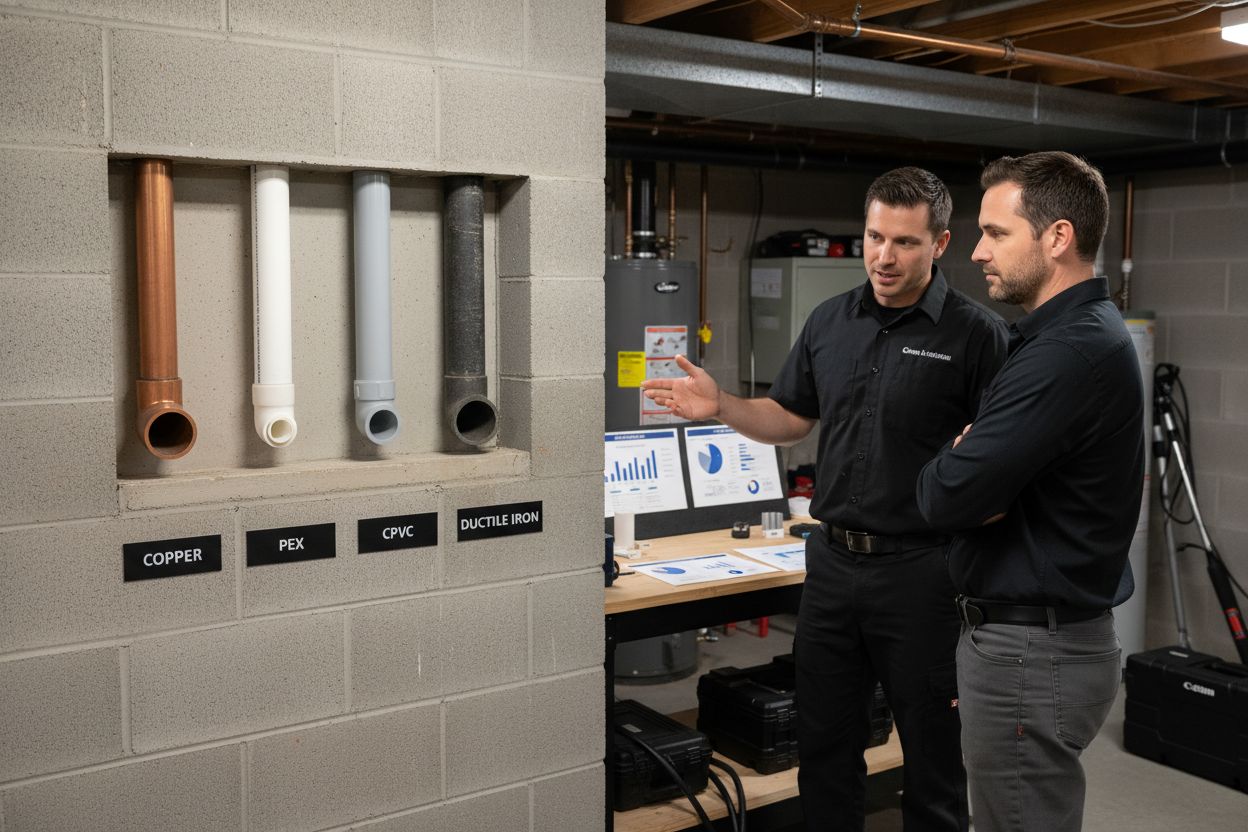 Regular inspections and proactive maintenance can significantly extend the life of your home’s plumbing system, preventing costly emergency repairs and potential water damage.
Warning Signs Your Pipes Need Replacing
Understanding the warning signs of pipe deterioration can save homeowners thousands in potential water damage and emergency repairs. Your plumbing system communicates its health through subtle and sometimes not-so-subtle signals that something might be wrong. Ignoring these indicators can lead to catastrophic failures that disrupt your home and drain your wallet.
Critical Pipe Replacement Red Flags
- Frequent Leaks: Repeated pipe leaks are never normal
- Discolored Water: Rust-colored or murky water signals internal pipe corrosion
- Low Water Pressure: Indicates potential blockages or pipe degradation
- Visible Corrosion: External pipe damage suggests internal system problems
- Unexpected Water Damage: Unexplained moisture on walls or ceilings
Check out our detailed guide on identifying pipe replacement indicators for a comprehensive walkthrough. According to research, homeowners should pay special attention to systems over 50 years old, as they are prime candidates for complete replacement. Outdated materials like galvanized steel or lead pipes pose significant health and structural risks.
Additional warning signs include persistent mold growth, unpleasant odors emanating from drains, noisy pipes, and fluctuating water temperatures.
These symptoms suggest your plumbing system is struggling and may be on the brink of a major failure. Regular inspections by professional plumbers can help you catch these issues early, potentially saving you from expensive emergency repairs and extensive home damage.
Factors Affecting Pipe Replacement Frequency
Pipe replacement isn’t a one-size-fits-all scenario. Environmental conditions, water quality, and material composition play critical roles in determining how frequently you’ll need to replace your home’s plumbing infrastructure. Understanding these factors can help you predict and plan for potential pipe replacements before catastrophic failures occur.
Key Influencing Factors
-
Water Quality
- Hard water accelerates pipe corrosion
- Mineral buildup reduces pipe efficiency
- Increases frequency of potential replacements
-
Pipe Material
- Copper: 50-100 years lifespan
- PEX: 80-100 years lifespan
- Ductile Iron: 21-110 years lifespan
-
Environmental Conditions
- Soil corrosiveness dramatically impacts underground pipes
- Proper protection can extend pipe life significantly
Learn more about preventing pipe damage in our comprehensive guide to protect your home’s plumbing system. According to research on ductile iron pipes, environmental factors can reduce pipe lifespans from over 100 years to as low as 21-40 years in corrosive conditions without proper protection.
Regular maintenance and understanding your specific environmental context are crucial. Factors like water chemistry, soil composition, installation quality, and usage patterns all contribute to how quickly your pipes will degrade. By staying proactive and conducting periodic inspections, homeowners can extend their plumbing system’s lifespan and avoid unexpected, costly replacements.
Cost, Risks, and Replacement Alternatives
Understanding the financial and structural implications of pipe replacement is crucial for homeowners. Pipe repairs aren’t just about fixing a leak – they’re about protecting your home’s fundamental infrastructure and preventing potentially catastrophic water damage. The costs and risks can vary dramatically depending on multiple factors, making informed decision-making essential.
Cost Breakdown
-
Single Pipe Replacement
- Average cost: $1,254
- Cost range: $373–$2,137
- Labor rates: $45–$200 per hour
-
Material Costs
- PVC: $0.50–$5 per linear foot
- Cast Iron: $10–$20 per linear foot
- PEX: Most cost-effective long-term solution
-
Additional Potential Expenses
- Drywall repair
- Foundation work
- Permit fees
- Accessibility challenges
Explore our comprehensive repiping service options to understand the best approach for your specific situation. According to industry research, drain pipe replacement averages around $696, but total costs can escalate quickly with complex installation requirements.
Beyond financial considerations, the risks of delaying pipe replacement include potential water damage, mold growth, structural deterioration, and decreased property value. While upfront replacement costs might seem significant, they pale in comparison to the potential expenses of emergency repairs or extensive home restoration. Proactive replacement using modern materials like PEX can provide decades of reliable service and peace of mind.
Take Control of Your Pipes Before Trouble Strikes
Delaying pipe replacement puts your home at risk for expensive leaks, water damage, and ongoing plumbing headaches. If you have noticed warning signs like frequent leaks, discolored water, or low pressure as described in our complete homeowner guide, you already know the stress these issues can cause. Uncertainty about your pipes’ lifespan or the right material to choose only adds to the pressure.

Why wait for a small problem to turn into a costly disaster? The team at Legacy Plumbing & Drain Inc is here to help you spot issues early and protect your home for the long term. Ready for peace of mind? Visit our Repiping Your Home Explained page to explore your options or head straight to our main site to schedule an expert evaluation. Act now and let Sacramento’s trusted emergency plumbers bring reliability back to your home.
Frequently Asked Questions
How often should I replace my pipes?
The lifespan of your pipes primarily depends on the material. Copper pipes typically last 50-100 years, PEX pipes can last 80-100 years, while CPVC can last 50-75 years. Regular inspections are also crucial for determining when replacement is necessary.
What are the warning signs that indicate I need to replace my pipes?
Common warning signs include frequent leaks, discolored water, low water pressure, visible corrosion, and unexpected water damage. If you notice any of these issues, it may be time to consider pipe replacement.
How can water quality affect the lifespan of my pipes?
Poor water quality, such as hard water, can accelerate pipe corrosion and lead to mineral buildup. This reduces pipe efficiency and may necessitate more frequent replacements. Understanding your water quality can help in planning preventative maintenance.
What factors influence how frequently I need to replace my plumbing system?
Factors include the type of pipe material, environmental conditions (such as soil corrosiveness), and water quality. All these elements play a significant role in the deterioration rate of your pipes, impacting the need for replacement.
Recommended
- Understanding Pipe Replacement Options For Homeowners – Legacy Plumbing & Drain – Emergency Plumbers Of Sacramento
- Signs Your Pipes Need Replacing: Understanding The Indicators – Legacy Plumbing & Drain – Emergency Plumbers Of Sacramento
- Repiping Your Home Explained: Understanding The Basics – Legacy Plumbing & Drain – Emergency Plumbers Of Sacramento
- Repiping Services In Sacramento: When To Repipe & How To Choose | Legacy Plumbing & Drain