California nights can get chilly fast and a working heating system makes all the difference in Sacramento homes. Turns out neglecting yearly maintenance can cause your heater to lose up to 5 percent efficiency every year. Most people only worry about their furnace when something breaks, but regular upkeep could save you thousands before it ever reaches that point.
Table of Contents
- Why Heating System Maintenance Matters
- Signs Your Home Needs Urgent Heating Repairs
- DIY Heating System Maintenance Tips For Homeowners
- How Plumbers Help With Heating Emergencies
Quick Summary
| Takeaway | Explanation |
|---|---|
| Regular maintenance prevents costly repairs | Proactive care can extend your heating system’s lifespan by 10-15 years, saving you thousands on replacements. |
| Identify urgent repair signs quickly | Look for unusual sounds, performance issues, or safety risks like carbon monoxide leaks to address problems early. |
| DIY maintenance can boost efficiency | Replacing air filters regularly and ensuring clear airflow can improve system efficiency by up to 15%. |
| Call professionals for emergencies | Trained plumbers offer rapid diagnostic services and can handle safety-related issues, protecting your home. |
| Schedule annual professional inspections | Annual system checks by professionals ensure peak efficiency and keep your heating system reliable throughout the seasons. |
Why Heating System Maintenance Matters
Heating system maintenance isn’t just another household chore. It’s a critical investment in your home’s comfort, safety, and long term financial health. Sacramento area homeowners face unique environmental challenges that make proactive heating system care essential.
The True Cost of Neglecting Your Heating System
Ignoring your heating system’s maintenance can lead to significant financial consequences. Research from the Department of Energy reveals that unmaintained heating systems can lose up to 5% efficiency annually. This steady decline translates to higher energy bills and increased strain on your equipment.
A typical heating system replacement can cost between $4,000 and $8,000. However, regular maintenance can extend your system’s lifespan by 10-15 years, potentially saving thousands of dollars in premature replacement costs. Professional technicians can identify and resolve minor issues before they escalate into major, expensive repairs.
Performance and Comfort Considerations
Consistent heating system maintenance ensures optimal performance during Sacramento’s cooler months. HVAC experts at ASHRAE recommend annual professional inspections to maintain peak system efficiency. These inspections help prevent unexpected breakdowns, ensuring your home remains comfortable when temperatures drop.
Unaddressed maintenance issues can result in uneven heating, strange noises, increased energy consumption, and potential safety risks like carbon monoxide leaks. By scheduling regular maintenance, homeowners protect their investment and guarantee reliable heating performance.
Proper maintenance involves more than just occasional check ups. It requires understanding your specific heating system, recognizing warning signs, and taking proactive steps to maintain its functionality. Whether you have a gas furnace, electric heat pump, or radiant heating system, each requires specialized care tailored to its unique design and operational requirements.
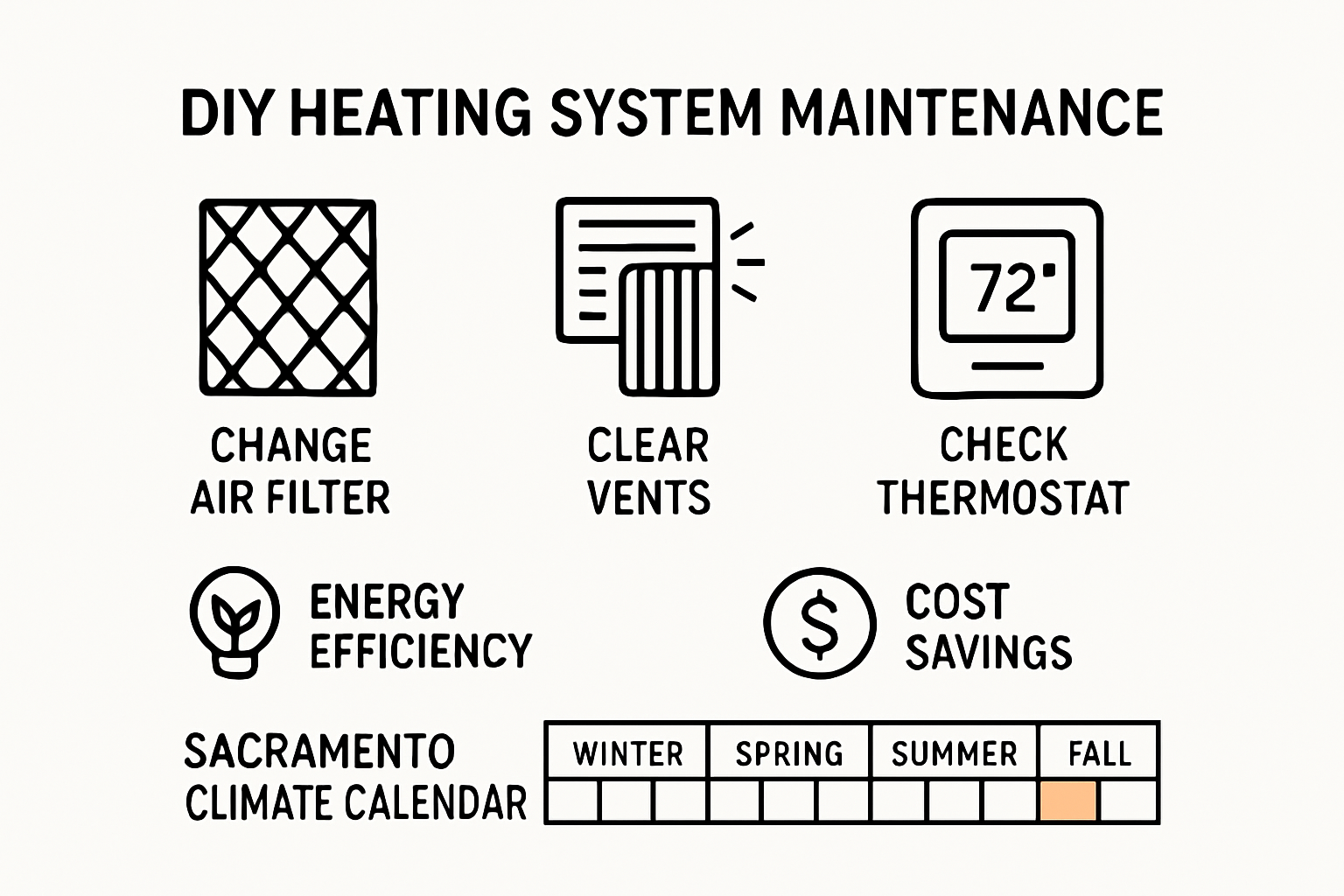
Homeowners can take simple steps to support their heating system’s health. These include regularly changing air filters, keeping vents unobstructed, checking thermostat functionality, and scheduling professional inspections. Check out our guide on preventative maintenance for more detailed insights into keeping your home’s systems running smoothly.
Ultimately, heating system maintenance is about more than mechanical upkeep. It’s about creating a safe, efficient, and comfortable living environment for you and your family. By investing a small amount of time and resources into regular maintenance, you can avoid costly repairs, reduce energy consumption, and ensure your heating system performs reliably when you need it most.
Signs Your Home Needs Urgent Heating Repairs
Recognizing early warning signs of heating system problems can prevent costly breakdowns and protect your home’s comfort and safety. Sacramento homeowners must stay vigilant about potential heating system issues that could escalate quickly.
Unusual Sounds and Performance Indicators
Research from the National Comfort Institute indicates that strange noises are often the first signal of potential heating system trouble. Banging, rattling, squealing, or grinding sounds should never be ignored. These noises can indicate serious mechanical problems like failing motors, loose components, or damaged heat exchangers.
Performance changes are equally critical warning signs. If your heating system struggles to maintain consistent temperatures, cycles on and off frequently, or takes longer to heat your home, these are red flags. HVAC experts at Energy Star recommend immediate investigation when you notice significant temperature variations between rooms or unexplained cold spots.
Critical Safety and Efficiency Warning Signs
Some heating system issues pose direct safety risks to your household. Carbon monoxide leaks represent an extreme danger that demands immediate professional attention. Warning signs include:
- Yellow or flickering flame instead of a steady blue flame in gas systems
- Excessive condensation on windows or walls near heating units
- Unexplained headaches or flu-like symptoms among household members
- Visible rust or corrosion on heating system components
Unusual odors also signal potential problems. A persistent burning smell could indicate electrical issues, while musty odors might suggest mold growth within your heating system. These symptoms require prompt professional evaluation to prevent potential health hazards.
Energy consumption provides another critical diagnostic tool. Sudden spikes in utility bills without corresponding changes in usage patterns often indicate inefficient heating system performance. Check out our guide on emergency home system maintenance for comprehensive insights into identifying and addressing potential system failures.
Age is another factor homeowners must consider. Heating systems over 15 years old are statistically more likely to experience critical failures. While regular maintenance can extend a system’s life, older units become increasingly unreliable and less energy-efficient.
Ultimately, proactive monitoring and swift action can save Sacramento homeowners significant time, money, and potential safety risks. When in doubt, consult professional HVAC technicians who can provide comprehensive system diagnostics and recommend appropriate repairs or replacements. Your home’s comfort and your family’s safety depend on maintaining a reliable, efficient heating system.
DIY Heating System Maintenance Tips for Homeowners
Heating system maintenance doesn’t always require professional intervention. Sacramento homeowners can take several proactive steps to keep their heating systems running efficiently and extend their equipment’s lifespan. By implementing strategic DIY maintenance techniques, you can prevent potential issues and save money on costly repairs.
Essential Filter and Airflow Maintenance
Research from the U.S. Department of Energy reveals that regularly changing air filters can improve heating system efficiency by up to 15%. Homeowners should replace disposable filters every 90 days or more frequently if you have pets, allergies, or live in a dusty environment.
Proper airflow is critical for heating system performance. Clear all vents and return air registers of furniture, curtains, and other obstructions. Vacuum these areas monthly to remove dust and debris that can impede air circulation. Check the exterior vents for any blockages like leaves, debris, or small animal nests that could restrict proper airflow.
Thermostat and System Cleaning Techniques
Modern thermostats play a crucial role in heating system efficiency. HVAC experts at Energy Star recommend calibrating your thermostat annually to ensure accurate temperature readings. For digital thermostats, replace batteries annually and clean the unit gently with a soft, dry cloth to prevent dust accumulation.
System cleaning is another critical DIY maintenance task. Turn off power to your heating system at the circuit breaker before performing any maintenance. Carefully vacuum around the heating unit, removing dust from exterior surfaces and accessible components. For gas systems, ensure the area around the unit remains clean and free from flammable materials.
Safety Checks and Seasonal Preparation
Before the cold season begins, conduct a comprehensive system inspection. Look for signs of wear, rust, or damage on visible components. Check electrical connections for any signs of fraying or corrosion. Listen for unusual sounds when the system starts and observe its performance during initial operation.
Carbon monoxide and smoke detectors are essential safety companions to your heating system. Test these devices monthly and replace batteries twice a year. Check out our guide on home system maintenance for comprehensive safety protocols.
Some maintenance tasks remain best left to professionals. If you encounter complex issues like persistent strange noises, uneven heating, or suspected gas leaks, contact a professional HVAC technician immediately. These warning signs could indicate more serious problems that require expert diagnosis and repair.
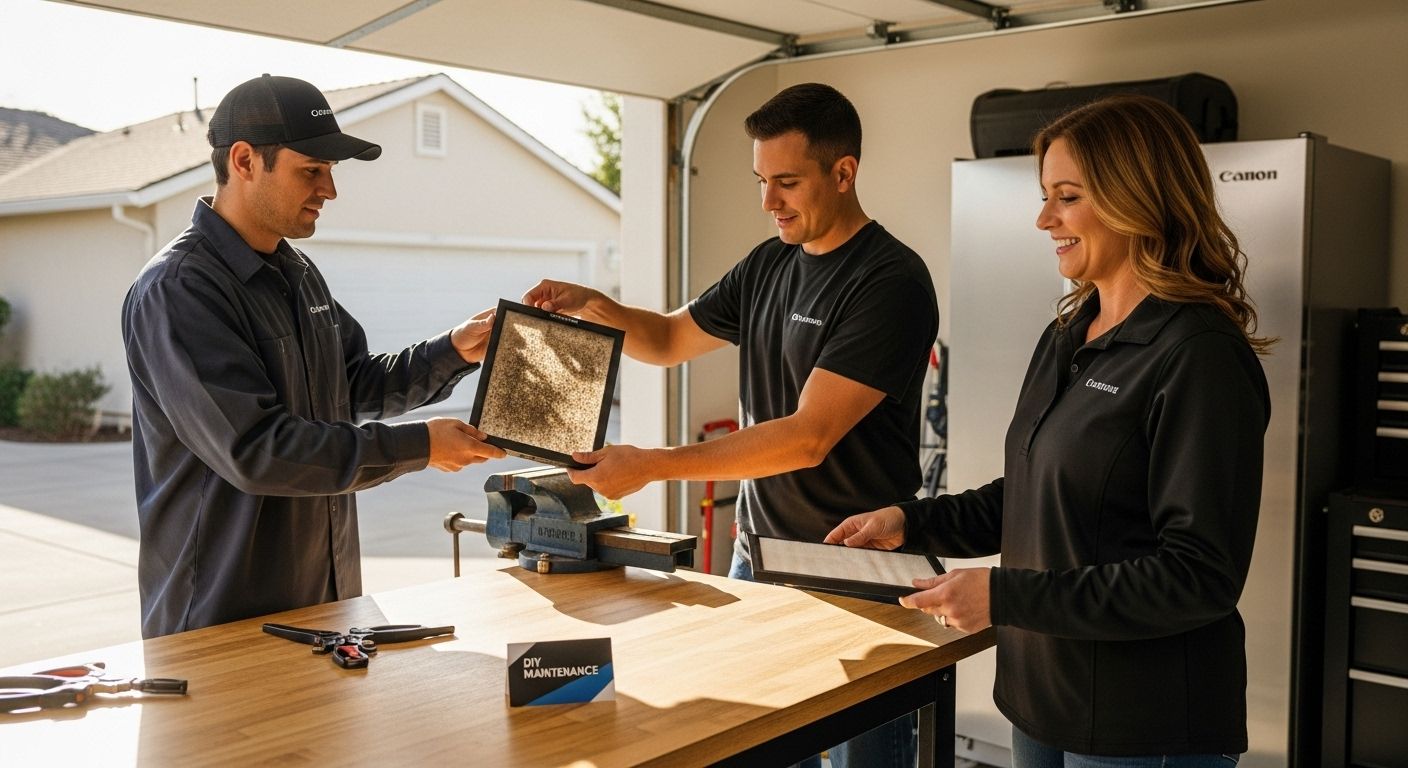
Consistent DIY maintenance doesn’t replace professional servicing but complements it. Most manufacturers recommend annual professional inspections to maintain warranty coverage and ensure optimal system performance. By combining your own maintenance efforts with professional services, you can significantly extend your heating system’s life and maintain its efficiency.
Remember, every minute spent on preventative maintenance can save you hours of potential repair time and hundreds of dollars in unexpected replacement costs. Your heating system is a significant home investment that requires regular care and attention to perform at its best.
How Plumbers Help With Heating Emergencies
Heating emergencies can strike at the most unexpected moments, transforming a comfortable home into an uncomfortable and potentially dangerous environment. Professional plumbers play a critical role in addressing these urgent situations quickly and effectively for Sacramento area homeowners.
Rapid Response and Diagnostic Expertise
Research from the Bureau of Labor Statistics highlights the complex skill set required by professional plumbers, particularly in emergency scenarios. These trained professionals can rapidly diagnose complex heating system issues that might remain invisible to untrained homeowners.
Emergency plumbers arrive equipped with specialized diagnostic tools that allow them to quickly identify the root cause of heating system failures. They can detect issues ranging from electrical malfunctions and gas line problems to critical component failures that could pose immediate safety risks. Their expertise goes beyond simple repairs, encompassing comprehensive system assessment and potential preventative recommendations.
Safety and Technical Intervention
Occupational safety experts emphasize that heating emergencies often involve critical safety considerations. Professional plumbers are trained to handle potentially dangerous situations involving gas leaks, carbon monoxide risks, and electrical system complications. They understand the intricate connections between various home systems and can mitigate risks that might not be apparent to homeowners.
In scenarios involving potential gas leaks or electrical system failures, professional intervention becomes crucial. Plumbers can safely shut down compromised systems, perform necessary repairs, and ensure that all safety protocols are meticulously followed. Their training allows them to work effectively in high-pressure situations where immediate action can prevent significant property damage or personal injury.
Comprehensive Emergency Service Protocols
Modern plumbing services have evolved to provide comprehensive emergency support. Check out our emergency response guide for insights into professional emergency protocols. Professional plumbers typically offer 24/7 emergency services, understanding that heating system failures don’t conveniently occur during standard business hours.
Emergency plumbing services involve more than just immediate repairs. They include detailed system assessments, thorough documentation for insurance purposes, and professional recommendations for long-term system reliability. Technicians provide clear explanations of the issues, potential repair strategies, and estimated costs, helping homeowners make informed decisions during stressful emergency situations.
The value of professional plumbers extends beyond the immediate emergency. Their interventions can prevent long-term damage, protect your home’s infrastructure, and potentially save significant repair costs. By combining rapid response, technical expertise, and comprehensive safety protocols, professional plumbers serve as critical defenders of home comfort and safety.
For Sacramento homeowners, understanding the role of professional plumbers in heating emergencies is not just about resolving immediate issues. It’s about creating a comprehensive approach to home system maintenance that prioritizes safety, efficiency, and long-term reliability. When heating emergencies occur, having a trusted professional just a phone call away can make all the difference between a minor inconvenience and a potential disaster.
Here is a summary table to help you quickly identify key warning signs that mean your heating system needs urgent repairs, along with their implications.
| Warning Sign | What It Indicates | Recommended Action |
|---|---|---|
| Unusual noises (banging, squealing) | Mechanical failure or loose parts | Schedule professional check |
| Uneven heating/cold spots | Airflow issues or failing components | Investigate airflow/change filter |
| Yellow/flickering gas flame | Potential carbon monoxide risk | Immediate professional service |
| Excessive condensation | Combustion or ventilation issue | Inspect ventilation |
| Unexplained high energy bills | System inefficiency | Check filter, call technician |
| Persistent burning/musty odor | Electrical issue or mold | Seek professional diagnosis |
| System over 15 years old | Increased risk of major failure | Consider replacing/upgrade |
Below is a process table summarizing essential DIY maintenance actions, how often you should do them, and the impact each step can have on your system.
| Maintenance Task | Recommended Frequency | Benefit/Impact |
|---|---|---|
| Replace air filters | Every 90 days | Up to 15% improved efficiency, better air quality |
| Clean/vacuum vents and registers | Monthly | Prevents airflow blockages, maintains performance |
| Calibrate thermostat | Annually | Accurate temperature control, energy savings |
| Clean area around heating unit | Seasonally | Reduces fire/electrical hazards, improves lifespan |
| Test CO/smoke detectors | Monthly | Ensures household safety |
| Replace detector batteries | Twice yearly | Maintains functional safety devices |
| Schedule professional inspection | Every year | Preserves warranty, ensures full system reliability |
Frequently Asked Questions
What are the signs that my heating system needs urgent repairs?
Look for unusual noises like banging or squealing, uneven heating or cold spots, yellow or flickering gas flames, excessive condensation, unexplained high energy bills, persistent burning or musty odors, and be aware if your system is over 15 years old. Each of these indications suggests potential issues that should be addressed immediately.
How often should I perform DIY maintenance on my heating system?
It is recommended to replace air filters every 90 days, clean and vacuum vents monthly, calibrate your thermostat annually, clean the area around the heating unit seasonally, test carbon monoxide and smoke detectors monthly, change detector batteries twice a year, and schedule a professional inspection annually.
Why is annual professional maintenance important for my heating system?
Annual professional maintenance helps ensure your heating system operates efficiently and safely. Technicians can identify minor issues before they become costly emergencies, prolong the lifespan of the system, and confirm that components are functioning correctly, ensuring your home remains comfortable during colder months.
How can I improve the efficiency of my heating system?
Improving efficiency can be achieved by regularly replacing air filters, ensuring that vents are free from obstructions, calibrating your thermostat, and maintaining clear airflow around the heating unit. These practices can enhance performance and potentially improve efficiency by up to 15%.
Is Your Sacramento Heating System Ready for the Cold?
Every year, engines lose efficiency and hidden issues can turn into expensive breakdowns. If you are worried about noisy furnaces, rising energy bills, or uneven heating, you are not alone. Delaying maintenance is risky, especially with the safety and comfort of your family at stake. Sacramento homes need dependable heating and fast emergency solutions. Legacy Plumbing & Drain Inc understands the local challenges homeowners face with aging heating systems and ongoing maintenance needs.
Take control before trouble strikes. Legacy Plumbing & Drain Inc offers 24/7 rapid response, advanced diagnostics, and trusted heating equipment support—so you never need to worry about surprises. Protect your home and budget. Explore our expert heating and emergency services by visiting Legacy Plumbing & Drain Inc. Want more practical tips? Discover our guide to annual plumbing and system maintenance or prepare for emergencies with our fast-response checklist. Call now for service and make your next heating season worry-free.
Recommended
- Outdoor Plumbing Care For Sacramento Area Homeowners 2025 – Legacy Plumbing & Drain – Emergency Plumbers Of Sacramento
- Water Heater Troubleshooting For Sacramento Homeowners (2025) – Legacy Plumbing & Drain – Emergency Plumbers Of Sacramento
- Outdoor Plumbing Maintenance Tips For Sacramento Homeowners 2025 – Legacy Plumbing & Drain – Emergency Plumbers Of Sacramento
- Routine Home Plumbing Care Guide For Sacramento Area 2025 – Legacy Plumbing & Drain – Emergency Plumbers Of Sacramento