
Recurring clogged drains can turn a relaxing Sacramento evening into a stressful scramble for urgent plumbing help. Many homeowners believe that garbage disposals and hot water will keep pipes clear, but these methods actually lead to stubborn blockages. Understanding the reality behind fats, oils, and grease buildup and common misconceptions empowers you to prevent emergencies. Discover practical habits and solutions that protect your home from expensive repairs and give you peace of mind.
Table of Contents
- Clogged Drains Explained And Common Myths
- Main Causes Of Residential Drain Clogs
- Warning Signs Before A Severe Blockage
- Risks And Costs Of Ignoring Clogged Drains
- Preventive Steps And Professional Solutions
Key Takeaways
| Point | Details |
|---|---|
| Understanding Clogs | Fats, oils, and grease are the primary causes of clogged drains, often solidifying in pipes and creating blockages. Regular maintenance and proper disposal practices can prevent these issues. |
| Myth Busting | Many homeowners believe that garbage disposals and hot water can effectively handle grease, but these can actually worsen clogs. Understanding the realities can save significant repair costs. |
| Early Warning Signs | Gurgling sounds, slow drainage, and foul odors are indicators of potential blockages. Addressing these early can prevent severe plumbing emergencies. |
| Professional Help | Regular professional drain cleaning can prevent costly repairs and emergencies. Scheduling annual maintenance is a smart investment for long-term plumbing health. |
Clogged Drains Explained and Common Myths
Clogged drains are one of the most common plumbing problems Sacramento homeowners face, yet many misconceptions exist about what causes them and how to prevent them. Understanding the reality behind these myths can save you hundreds of dollars in emergency plumber calls.
What Actually Clogs Your Drains
The biggest culprit in most clogged drains isn’t what you’d expect. Fats, oils, and grease are responsible for the majority of household drain blockages. When you pour hot grease down the sink, it seems like it flows freely—but as it cools, it solidifies and sticks to your pipe walls like concrete.
Other common drain clogging culprits include:
- Hair accumulation in bathroom drains and shower lines
- Food particles and debris from kitchen sinks
- Soap residue buildup over time
- Tree roots infiltrating underground sewer lines
- Mineral deposits from hard water in Sacramento
- Flushed items like wet wipes and paper towels
Each of these creates a different type of blockage, but the result is always the same: water backs up and you’re facing a plumbing emergency.
The biggest myth? That your garbage disposal or hot water can wash grease away safely. It can’t—grease clogs happen deep in your pipes, not at the source.
Common Myths About Drain Clogs
Myth 1: Garbage disposals can handle any food waste.
This is false. Garbage disposals don’t eliminate grease—they just break it into smaller pieces that still clog your pipes downstream. Using a garbage disposal actually increases your clog risk if you’re not careful about what goes down.
Myth 2: Hot water and dish soap will dissolve grease.
Soap doesn’t break down grease permanently. It temporarily emulsifies it, but as it cools in your pipes, the grease re-solidifies and combines with soap residue to form stubborn blockages. This myth costs homeowners thousands annually.
Myth 3: A little grease down the drain won’t hurt.
Repeatedly pouring small amounts of grease accumulates over weeks and months. One tablespoon of grease might seem harmless, but multiply that by dozens of meals, and you’ve created a significant clog waiting to happen.
Myth 4: All drain cleaners work equally well.
Chemical drain cleaners can damage older pipes and don’t always address the root cause. Professional drain cleaning services offer better results without pipe damage.
Understanding what actually causes clogs and rejecting common myths puts you in control of your home’s plumbing health. The role of regular drain maintenance plays a critical role in preventing these issues from developing in the first place.
Pro tip: Keep a small container near your stove for cooking grease, and dispose of it in the trash once it cools—never pour it down the drain, even with hot water running.
Main Causes of Residential Drain Clogs
Drain clogs don’t happen randomly. They result from specific household habits and conditions that accumulate over time. Knowing what causes them helps you avoid expensive emergency calls to Legacy Plumbing & Drain.
The Most Common Culprits
Fats, oils, and grease represent the leading cause of residential drain clogs in Sacramento homes. When you cook, these substances flow down your sink as liquids, but they solidify as they cool inside your pipes. Over weeks and months, this buildup narrows your pipes until water can’t flow freely.
Fats, oils, and grease buildup creates layers of blockage that trap other debris, making clogs worse. A single clogged drain often indicates a larger problem developing throughout your plumbing system.
Other major causes include:
Here’s a quick comparison of common drain clog causes and the type of problem each creates:
| Cause | How It Blocks Pipes | Typical Location |
|---|---|---|
| Fats, oils, and grease | Solidifies and narrows flow | Kitchen and main lines |
| Hair | Tangles, creates mat | Bathroom drains, showers |
| Tree roots | Invades/cracks underground | Sewer and outdoor pipes |
| Mineral deposits | Builds up over time | All household pipes |
- Hair accumulation in bathroom sinks, showers, and tubs
- Food scraps and debris from kitchen sink disposal
- Tree and shrub roots infiltrating pipes through cracks
- Flushable wipes and personal hygiene products that don’t break down
- Soap residue mixing with grease to form stubborn blockages
- Mineral deposits from Sacramento’s hard water
Why Tree Roots Damage Your Pipes
Tree roots are nature’s plumbers. They seek water sources and will exploit any crack in your underground pipes. Once inside, roots grow and expand, creating physical blockages that prevent water flow.
Older homes in Sacramento often have clay or cast iron pipes more vulnerable to root intrusion. A small root crack today becomes a major problem within months if left unaddressed.
Tree roots don’t just clog your drain—they can completely separate pipe sections and cause catastrophic backups into your home.
Improper Disposal Creates Blockages
Many homeowners flush items they believe are safe. “Flushable” wipes, feminine hygiene products, and paper towels don’t break down like toilet paper. They accumulate in your pipes and create stubborn blockages.
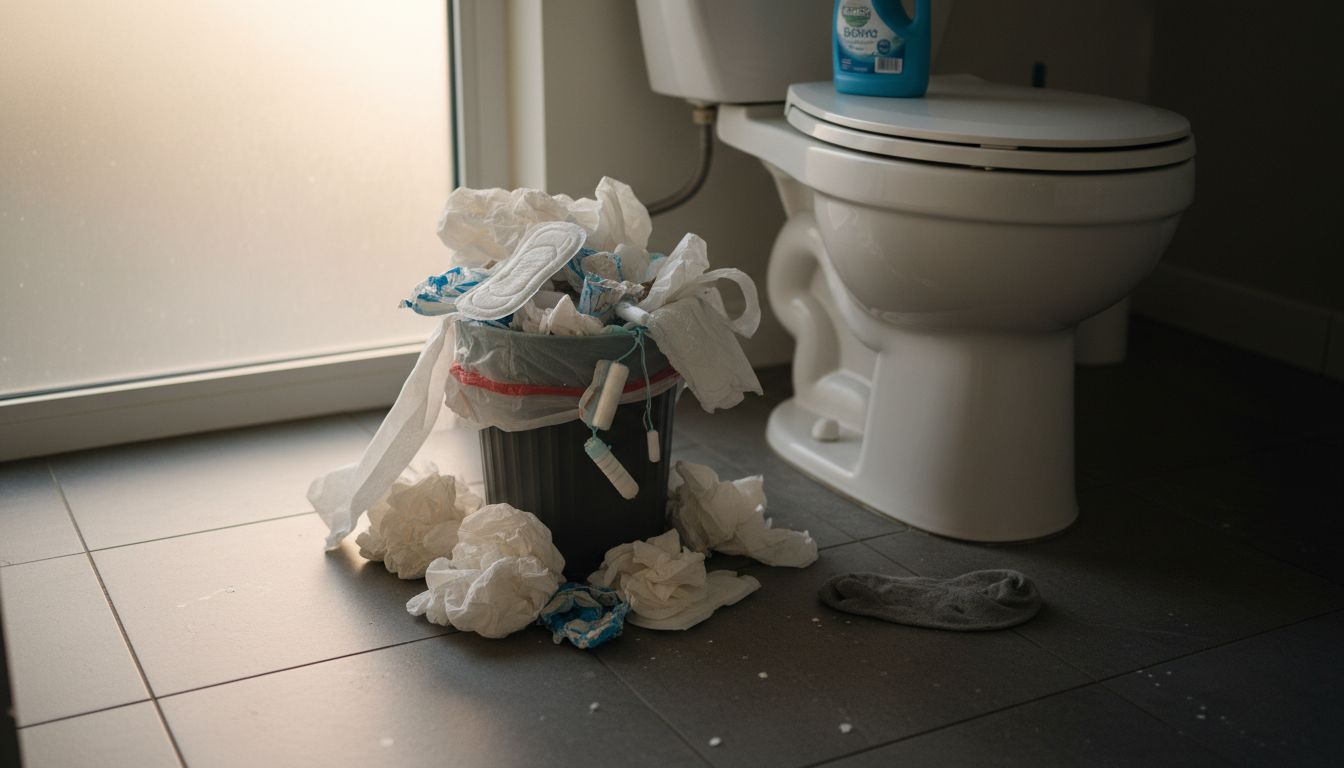
Kitchen drains suffer similarly when people dispose of grease improperly. Even small amounts accumulate into major problems. Proper clog prevention requires changing what goes down your drain.
Avoid flushing or draining:
- Cooking oils and grease
- Wipes of any kind
- Cotton balls and swabs
- Hair from brushes or razors
- Food waste from plates
- Dental floss
Recognizing these causes empowers you to prevent clogs before they happen. Understanding what creates blockages helps you make smarter household decisions daily.
Pro tip: Wipe grease from pans with a paper towel before washing, then dispose of it in the trash—this single habit prevents more clogs than any drain cleaner ever will.
Warning Signs Before a Severe Blockage
A clogged drain rarely appears without warning. Your home gives you plenty of signals before a blockage becomes severe and costly. Catching these early signs means you can call Legacy Plumbing & Drain before you face a plumbing emergency.
Listen to Your Drains
Gurgling sounds from toilets, sinks, or drains indicate trapped air struggling to escape around a partial blockage. This noise means water is fighting its way through narrowed pipes. It’s one of the earliest warnings that trouble is brewing.
Slow draining water is the most common sign homeowners notice. Water takes longer than normal to disappear from your sink or shower. This happens when debris accumulates and restricts water flow.
These early warning signs of drain blockages shouldn’t be ignored, even if water eventually drains completely. A slow drain today becomes a backed-up drain tomorrow.
Watch for Water and Odor Problems
Foul odors near drains smell like rotting food or sewage. Bacteria thriving in trapped debris create these unpleasant smells. Bad smells mean your drain needs attention immediately.
Water backing up into sinks, showers, or toilets indicates a serious blockage. This happens when water has nowhere to go because debris blocks the pipe. It’s a sign you need professional help now, not later.
Recurring clogs in the same drain suggest a deeper problem exists. If plunging temporarily fixes the issue but it returns within days, you have a significant blockage developing.
Foul smells and gurgling sounds are your home’s way of signaling distress—don’t wait for water backup to call a plumber.
Spot Physical Damage Signs
Look for wet spots in your yard, basement, or near your foundation. Water pooling in unusual places indicates pipes underground are leaking or blocked. Saturated soil near your home warns of serious drainage problems.
Pest activity near drains increases when blockages trap debris. Insects and rodents are attracted to decomposing food and organic matter stuck in pipes.
Watch for these warning indicators:
- Slow water drainage in multiple fixtures
- Persistent gurgling or bubbling sounds
- Foul odors from drains or yard
- Water backup in sinks or toilets
- Recurring clogs in same location
- Wet spots in yard or basement
- Increased pest activity near drains
Noticing any of these signs means action is needed. The longer you wait, the more damage accumulates and repair costs increase.
Pro tip: If you notice slow drainage or gurgling sounds, run hot water down the drain immediately, then call Legacy Plumbing & Drain within 24 hours—catching blockages early saves thousands in damage repairs.
Risks and Costs of Ignoring Clogged Drains
Ignoring a clogged drain feels like a minor inconvenience until it becomes a major emergency. The costs and health risks of delay far exceed the price of fixing the problem early. Sacramento homeowners who put off drain repairs often face devastating consequences.
Financial Damage Mounts Quickly
A simple clogged drain costs between $150 and $300 to fix professionally. Ignore it for weeks, and that blockage can cause thousands of dollars in damage. Water backing up into your home destroys floors, walls, and belongings rapidly.
Sewer backups cost $3,000 to $25,000 to repair, depending on severity. Your insurance may not cover sewage damage if you ignored warning signs. Professional cleanup after a backup adds another $5,000 to $15,000.
Water damage from backed-up drains ruins:
- Flooring and subflooring
- Drywall and interior walls
- Electrical systems and outlets
- Appliances and HVAC equipment
- Stored items in basements
- Foundation integrity
Health Hazards Are Serious
Sanitary sewer overflows expose you and your family to dangerous pathogens. Untreated sewage contains bacteria, viruses, and parasites that cause serious illness. Contact with contaminated water can result in hospitalizations or worse.
Exposure to sewage creates health risks including:
- Gastroenteritis and severe stomach illness
- Respiratory infections from airborne pathogens
- Skin infections and rashes
- Parasitic infections
- Life-threatening diseases from mold growth
Children, elderly family members, and immunocompromised individuals face the highest risk. Once sewage enters your home, professional remediation becomes necessary.
Sewer backups aren’t just expensive—they’re health emergencies that require professional cleanup and medical attention.
Environmental and Neighborhood Impact
Clogged drains that back up into your yard contaminate soil and groundwater. This affects not just your property but your neighbors’ wells and landscaping. You could face liability if contamination spreads beyond your property line.
Untreated sewage also attracts pests and creates breeding grounds for insects. The longer a clog remains, the more damage spreads underground. Tree roots penetrate cracks deeper, and grease buildup hardens further.
Prevention Saves Thousands
Regular drain maintenance costs $100 to $200 annually. This investment prevents the catastrophic costs of emergency repairs. Professional drain cleaning identifies problems early before they escalate.
Actionable cost comparison:
Compare the financial impact of prevention versus ignoring clogged drains:
| Action | Typical Annual Cost | Potential Emergency Cost |
|---|---|---|
| Annual drain maintenance | $100–$200 | N/A |
| Ignoring slow drain | N/A | $5,000–$25,000 |
| Sewer backup cleanup | N/A | $15,000–$25,000 |
| Camera inspection (3-5 yrs) | $300–$500 | N/A |
- Annual maintenance: $150
- Single emergency repair: $5,000+
- Sewer backup cleanup: $15,000+
- Property damage repairs: $25,000+
The math is clear: spending money now prevents massive expenses later. One clogged drain that progresses to a sewer backup can cost more than preventive maintenance for the next 50 years.
Pro tip: Schedule professional drain cleaning annually before Sacramento’s rainy season—this single investment prevents emergency backups and saves your family from thousands in water damage and health risks.
Preventive Steps and Professional Solutions
Preventing clogged drains doesn’t require expensive technology or complicated procedures. It combines simple daily habits with professional maintenance scheduled strategically. Sacramento homeowners who implement these steps enjoy years of trouble-free plumbing.
Daily Habits That Prevent Clogs
Your kitchen sink is ground zero for drain problems. Stop pouring grease down the drain, even when hot water is running. Wipe cookware with paper towels and dispose of grease in the trash instead.
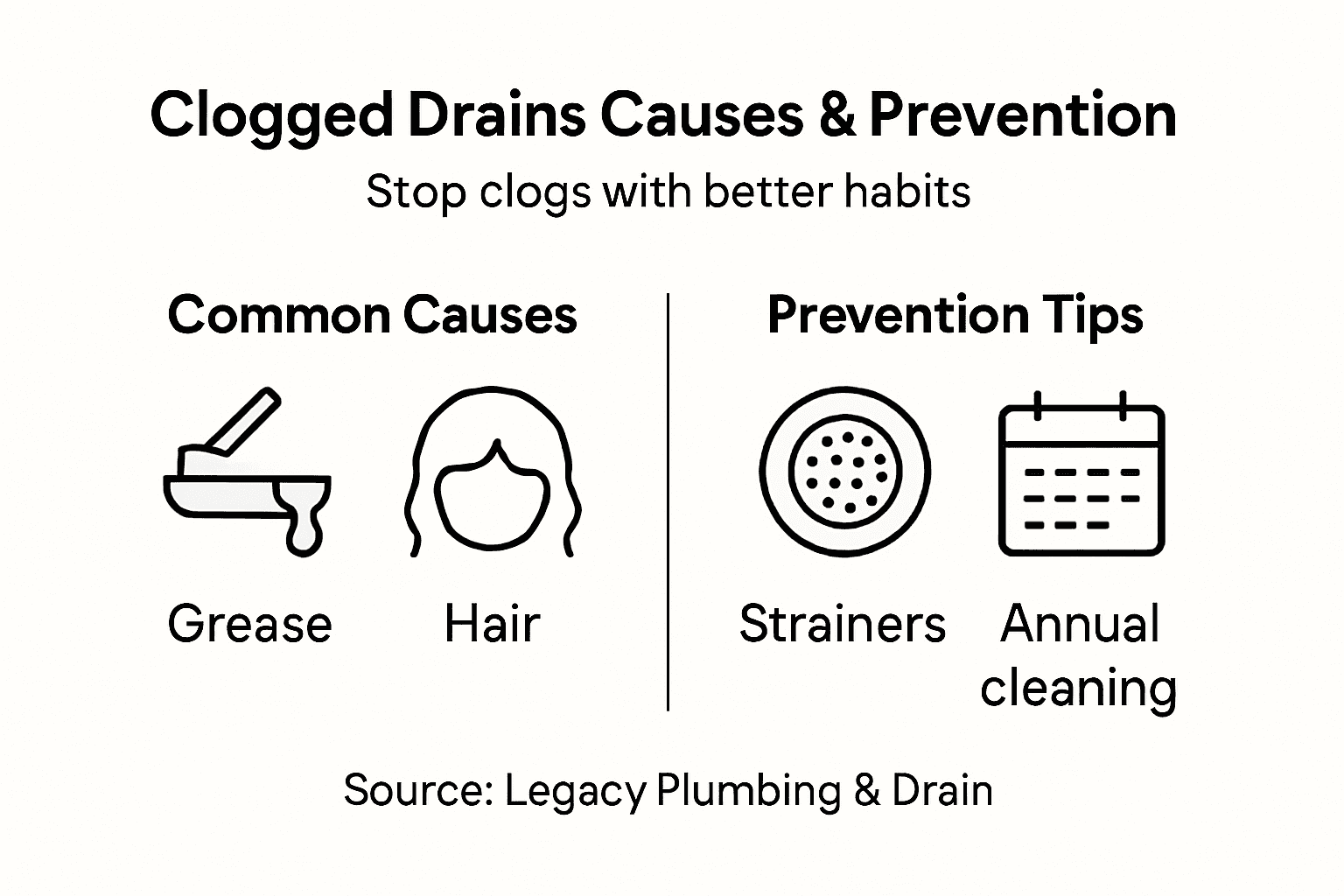
Use drain strainers in every sink and shower. These inexpensive screens catch hair, food particles, and debris before they enter your pipes. Clean strainers daily to maintain effectiveness.
Simple prevention steps include:
- Wipe grease from pans before washing
- Remove hair from shower drains weekly
- Avoid flushing wipes or hygiene products
- Limit garbage disposal use
- Run hot water after each use
- Never flush floss or cotton swabs
- Keep drain covers clean
Proper disposal of fats, oils, and grease prevents the majority of residential clogs. These simple habits cost nothing but save thousands in repairs.
Professional Maintenance Schedules
Schedule annual professional drain cleaning before Sacramento’s rainy season. A plumber removes accumulated debris and identifies developing problems early. This preventive service costs $150 to $300 annually.
Camera inspections every three to five years reveal hidden issues in underground pipes. These inspections detect tree root intrusion, cracks, and grease buildup before they cause backups. The investment is $300 to $500 per inspection.
Professional drain cleaning isn’t a luxury—it’s the most cost-effective insurance against emergency plumbing disasters.
When to Call Legacy Plumbing & Drain
Don’t wait for a complete backup to seek professional help. Call immediately if you notice slow drainage, gurgling sounds, or foul odors. Early intervention prevents expensive emergency repairs.
Situations requiring professional attention:
- Slow drainage in multiple fixtures
- Recurring clogs in same location
- Persistent foul odors
- Water backing up into drains
- Wet spots in yard or basement
- Damaged or aging pipes
Licensed plumbers use mechanical cleaning tools and drain cameras to identify and resolve problems effectively. They determine whether you need simple cleaning or pipe replacement.
Investment Comparison
Compare the costs of prevention versus emergency repairs:
- Annual drain cleaning: $200
- Camera inspection (3-5 years): $400
- Emergency clog repair: $2,000
- Sewer backup cleanup: $15,000
Spending $600 annually on preventive maintenance protects against losses exceeding $15,000. This represents a 25-to-1 return on your investment.
Pro tip: Schedule your annual professional drain cleaning in August before fall rains—this timing catches problems when plumbers have availability and prevents backups during Sacramento’s rainy season.
Protect Your Home with Expert Drain Solutions from Legacy Plumbing & Drain Inc
Clogged drains caused by fats, oils, grease, hair buildup, and tree roots are a serious challenge that Sacramento homeowners cannot afford to ignore. These common problems lead to slow drains, foul odors, and costly water damage that threatens both your property and family health. At Legacy Plumbing & Drain Inc , we understand these pain points and specialize in helping you prevent emergencies through expert drain cleaning and timely maintenance.
Don’t wait for a backup disaster to take action. Our licensed technicians use advanced camera inspections and professional cleaning methods to clear ordinary clogs and detect hidden threats like tree root intrusion early. With 24/7 emergency plumbing services and a strong commitment to your satisfaction, we are Sacramento’s proven choice for lasting plumbing peace of mind. Schedule your professional drain maintenance today by visiting Legacy Plumbing & Drain Inc and learn more about how our trusted solutions can keep your drains flowing freely and your home safe.
Frequently Asked Questions
What are the most common causes of clogged drains?
The leading causes of clogged drains include fats, oils, and grease that solidify in pipes, hair accumulation in bathroom drains, food particles from kitchen sinks, soap residue buildup, tree roots infiltrating sewer lines, mineral deposits from hard water, and improperly flushed items like wet wipes and paper towels.
How can I prevent clogs in my kitchen sink?
To prevent clogs in your kitchen sink, avoid pouring grease down the drain, use drain strainers to catch food particles, and run hot water after using your disposal. Regularly clean the strainer and follow proper disposal methods for cooking oils and food scraps.
What should I do if I notice a slow drain?
If you notice a slow drain, act quickly by running hot water down the drain to help clear minor blockages. If the problem persists, call a plumber to inspect your plumbing system before it develops into a more severe blockage.
Are chemical drain cleaners effective for clearing clogged drains?
While chemical drain cleaners may dissolve some clogs, they can also damage older pipes and may not address the root cause of the blockage. Professional drain cleaning services are usually more effective and safer for your plumbing system.
Recommended
- Drain Cleaning Vs. Drain Clearing: Which Do You Need?
- Understanding The Signs Of A Blocked Drain For Homeowners – Legacy Plumbing & Drain – Emergency Plumbers Of Sacramento
- Understanding The Benefits Of Regular Drain Cleaning – Legacy Plumbing & Drain – Emergency Plumbers Of Sacramento
- Role Of Drain Maintenance – Protecting Sacramento Homes – Legacy Plumbing & Drain – Emergency Plumbers Of Sacramento
- Drain Unblocking – How it Impacts Portsmouth Homes
- Slow Drainage: Early Warnings of Sewer Line Issues | Chicago Home Inspect LLC
- How to Unclog a Drain Safely and Effectively at Home