
Upgrading your bathroom fixtures can quickly turn an outdated space into something you actually want to use every day. Most people focus on picking stylish faucets or fancy showerheads, but what really matters is the way you plan and prepare before the first screw comes loose. Skipping that step can turn a fresh update into a frustrating mess.
Table of Contents
- Step 1: Assess Your Current Fixtures And Needs
- Step 2: Gather Necessary Tools And Materials
- Step 3: Turn Off Water Supply And Prepare Work Area
- Step 4: Remove Old Fixtures Safely And Efficiently
- Step 5: Install New Fixtures And Ensure Proper Connections
- Step 6: Test New Fixtures And Verify Functionality
Quick Summary
| Key Point | Explanation |
|---|---|
| 1. Assess existing bathroom fixtures | Conduct a thorough inspection to identify areas needing replacement or improvement in your bathroom. |
| 2. Gather essential tools and materials | Collect all required tools and materials to streamline the installation process and avoid interruptions. |
| 3. Turn off water supply before work | Shut off the main water supply to prevent water damage during your fixture upgrades. |
| 4. Remove old fixtures carefully | Follow systematic methods to avoid damaging plumbing when taking out old bathroom fixtures. |
| 5. Test new fixtures thoroughly | Ensure all new installations function correctly by checking for leaks and verifying water pressure. |
Step 1: Assess Your Current Fixtures and Needs
Upgrading bathroom fixtures begins with a comprehensive assessment of your current plumbing setup. This critical first step helps you understand exactly what needs replacement and how to strategically plan your bathroom transformation. Start by conducting a thorough visual and functional inspection of your existing fixtures to identify potential issues and opportunities for improvement.
Carefully examine each bathroom fixture for signs of wear, damage, or inefficiency. Look closely at your faucets, showerheads, toilets, and sinks. Check for visible corrosion, mineral buildup, leaks, or outdated designs that might compromise water performance. Pay special attention to water pressure, drainage efficiency, and any persistent problems like slow drains or inconsistent water flow. Read our guide on identifying bathroom plumbing issues to help you conduct a more detailed assessment.
While inspecting, document your findings and consider your practical needs. Are you looking to improve water conservation? Enhance aesthetic appeal? Increase overall functionality? Each of these goals will influence your fixture selection process. Take measurements of existing fixtures and note the specific mounting configurations, water connection types, and spatial constraints. This detailed information will be crucial when selecting replacement fixtures that fit seamlessly into your bathroom’s current layout.
As you evaluate your bathroom, consider the age and condition of your plumbing infrastructure. Older homes might require additional modifications beyond simple fixture replacements. Some potential upgrades might include updating water supply lines, improving drainage systems, or reinforcing mounting areas to support new fixtures. By thoroughly understanding your current setup, you’ll create a more effective and efficient plan for transforming your bathroom space.
Step 2: Gather Necessary Tools and Materials
Successful bathroom fixture upgrades require meticulous preparation and the right equipment. Gathering your tools and materials before starting the project will streamline the process and help you avoid frustrating interruptions. Professional plumbers understand that having everything ready prevents unnecessary trips to the hardware store and ensures a smooth installation experience.
For most bathroom fixture upgrades, you will need a comprehensive toolkit that includes both standard and specialized plumbing tools. Essential items include an adjustable wrench, pipe wrench, plumber’s tape, plumber’s putty, silicone sealant, screwdrivers (both flathead and Phillips), an electric drill with various drill bits, measuring tape, level, and protective safety glasses. Check out our guide on essential plumbing tools for a more detailed inventory of recommended equipment.
Beyond tools, carefully select your replacement fixtures with precision. Measure existing connections and bring your specific measurements when purchasing new fixtures to ensure compatibility. Consider factors like water pressure requirements, mounting configurations, and aesthetic design. Some fixtures might require additional specialized materials such as supply lines, mounting brackets, or specific sealants. When purchasing new fixtures, inspect them thoroughly for any manufacturing defects and verify that all necessary components are included in the package.
As you prepare your materials, create a clean, organized workspace near your bathroom. Lay out your tools in order of anticipated use, and set up protective coverings on floors and surrounding surfaces. This preparation minimizes potential damage and helps you work efficiently. Remember that patience and careful preparation are key to a successful bathroom fixture upgrade, transforming a potentially complex project into a manageable and rewarding home improvement task.
Gathering the right tools and materials before starting your bathroom fixture upgrade helps ensure a smooth and efficient installation. The table below summarizes essential items and their purposes for this project.
| Tool/Material | Purpose |
|---|---|
| Adjustable wrench | Loosen and tighten various plumbing connections |
| Pipe wrench | Grip and turn pipes securely |
| Plumber’s tape | Seal threaded plumbing connections to avoid leaks |
| Plumber’s putty | Create water-tight seals under fixtures |
| Silicone sealant | Seal edges and joints to prevent water leakage |
| Flathead & Phillips screwdrivers | Remove and install screws |
| Electric drill & bits | Drill holes for mounting fixtures |
| Measuring tape | Ensure precise measurements and fixture placement |
| Level | Confirm correct alignment and leveling |
| Safety glasses | Protect eyes during demolition and installation |
Step 3: Turn Off Water Supply and Prepare Work Area
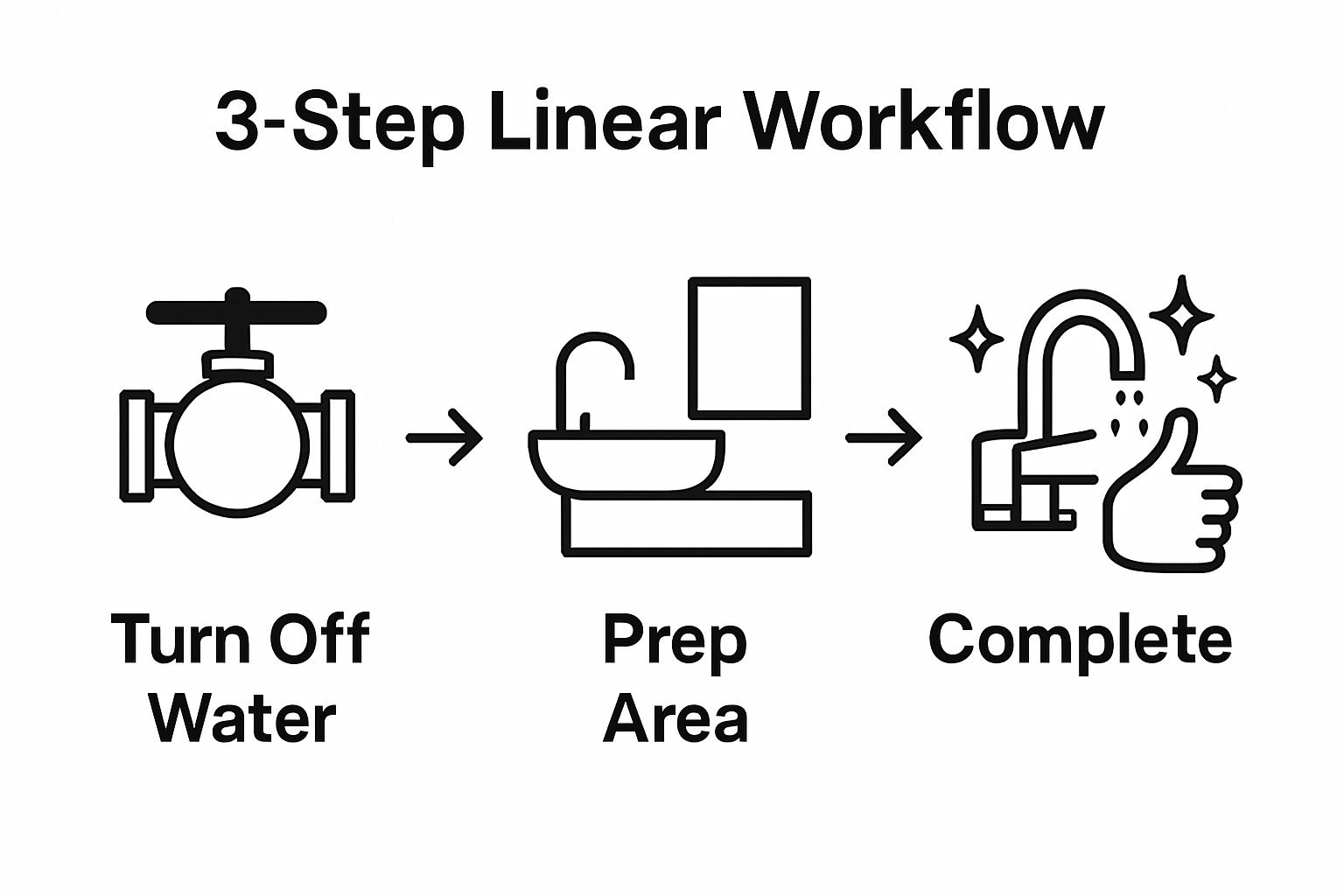
Before diving into fixture replacement, preparing your workspace and securing water access is crucial for a safe and successful bathroom upgrade. This step involves carefully shutting down water systems and creating a protected environment for your renovation project. Proper preparation prevents potential water damage and ensures a smooth installation process.
Start by locating the primary water shut-off valve for your bathroom or home. In most residences, this valve is found near the water heater, in a basement, or beneath a crawl space. Turn the valve completely clockwise to stop water flow, ensuring no water will accidentally enter your work area during fixture removal. For individual fixture installations, look for localized shut-off valves near sinks or toilets, which allow more targeted water control. Learn more about emergency plumbing preparation to understand comprehensive water management techniques.
Next, create a clean and protected workspace by clearing out bathroom accessories, removing any decorative items, and laying down protective coverings. Use heavy-duty drop cloths or plastic sheeting to shield floors, countertops, and surrounding areas from potential water splashes, debris, or accidental tool drops. Position a sturdy work light to ensure excellent visibility and lay out your pre-gathered tools within easy reach. Open windows or set up a fan to maintain good ventilation, which helps manage moisture and provides a comfortable working environment.
Before beginning any fixture removal, perform a final water system check. Flush toilets, run faucets, and confirm that water has completely stopped flowing. This verification step prevents unexpected water surges that could complicate your upgrade process. By methodically preparing your workspace and water systems, you create a controlled environment that sets the stage for a professional and efficient bathroom fixture transformation.
Step 4: Remove Old Fixtures Safely and Efficiently
Removing old bathroom fixtures requires careful technique and strategic planning to prevent potential damage to your plumbing infrastructure. Systematic and methodical removal is key to ensuring a smooth transition between your existing and new fixtures. Begin by double-checking that your water supply remains completely shut off and all electrical connections are safely disconnected.
Start with the most accessible fixtures first, typically sink faucets or showerheads. Use adjustable wrenches and penetrating lubricant to loosen connections that might have accumulated mineral buildup or corrosion over time. Apply steady, controlled pressure to prevent unnecessary strain on surrounding pipes. Wear protective safety glasses and work gloves to shield yourself from potential debris or unexpected water residue. Explore our comprehensive guide on DIY plumbing safety to understand proper safety protocols during fixture removal.
Carefully document the existing plumbing configuration as you remove each fixture. Take clear photographs or make detailed sketches of pipe connections, mounting points, and any unique structural elements. This documentation will prove invaluable when installing new fixtures, helping you understand precise placement and potential adaptation requirements. Pay special attention to pipe threading, connection types, and any signs of wear or damage in the underlying plumbing infrastructure. As you remove each component, inspect the surrounding areas for potential water damage, mold, or structural issues that might require additional attention before installing new fixtures.
Once fixtures are removed, clean the exposed areas thoroughly. Use a wire brush to remove any old caulking, mineral deposits, or rust. Prepare the surface for new installations by ensuring a clean, smooth, and level mounting area. Collect all removed materials in designated waste containers, being mindful of proper disposal methods for different fixture components. By approaching fixture removal with patience and precision, you set the stage for a successful bathroom upgrade.
Step 5: Install New Fixtures and Ensure Proper Connections
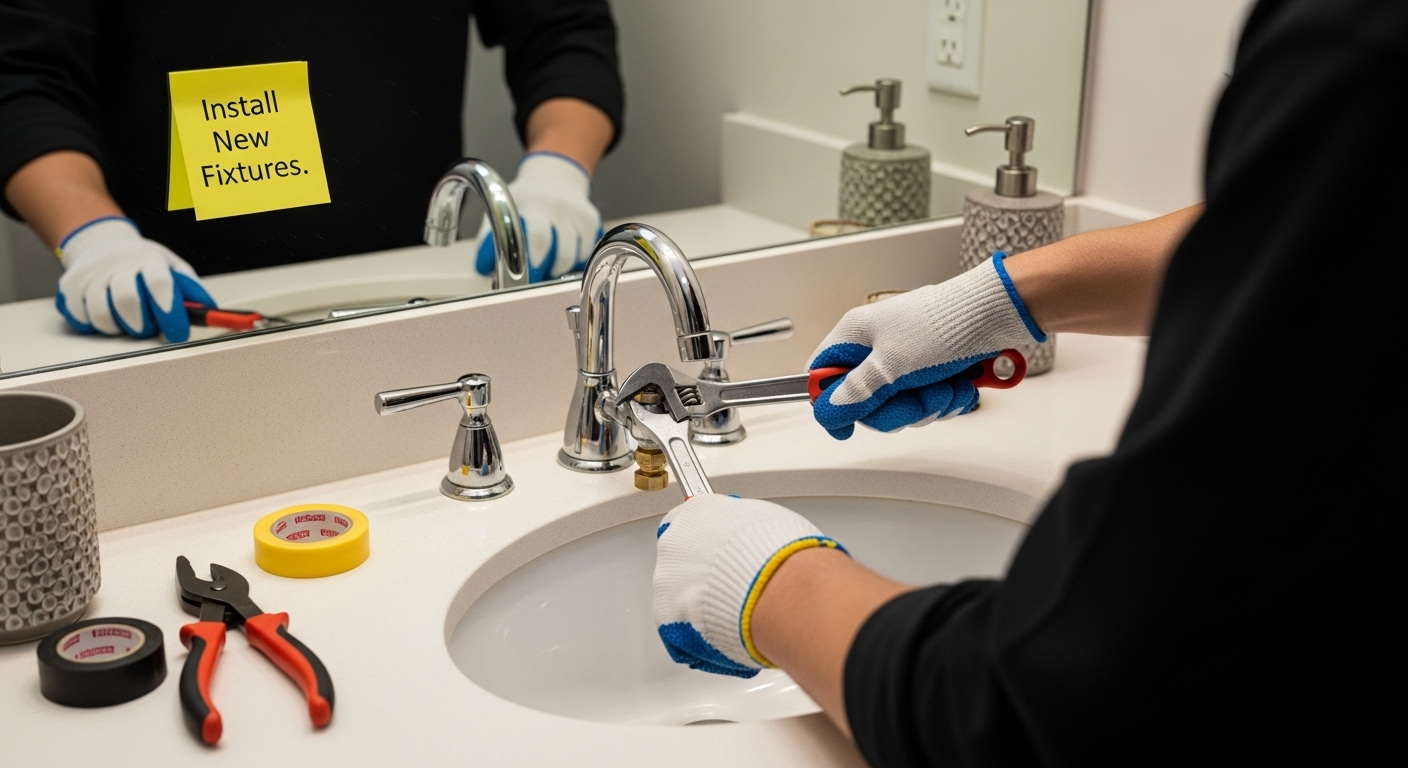
Installing new bathroom fixtures represents the transformative moment of your upgrade project, where careful preparation meets precise execution. Successful installation requires methodical attention to detail and a systematic approach that ensures both functional performance and aesthetic appeal. Begin by carefully unpacking your new fixtures and comparing them against the documentation and your pre-installation measurements to confirm complete compatibility.
Start the installation process by applying plumber’s tape to threaded connections, wrapping the tape clockwise around pipe threads to create a watertight seal. Position each fixture precisely, using a level to confirm perfect alignment and checking that mounting points match the pre-existing infrastructure. Gentle, controlled movements are crucial during this phase to prevent potential damage to delicate pipe connections or new fixture components. Explore our comprehensive guide on plumbing basics to understand nuanced installation techniques that professionals use.
As you connect each fixture, apply silicone sealant around edges and mounting points to prevent potential water leakage. Use adjustable wrenches to tighten connections, being careful not to overtighten and risk damaging threads or creating stress fractures. Once all connections are secure, gradually restore water pressure by slowly turning on shut-off valves and main water supply. Carefully inspect each connection point for potential leaks, watching closely during the initial water flow. Check underneath fixtures, around connection points, and along supply lines for any signs of water seepage. Run each fixture through a complete operational cycle, testing water pressure, drainage efficiency, and overall functionality. By approaching installation with patience and precision, you transform your bathroom with professional-quality results.
Step 6: Test New Fixtures and Verify Functionality
Testing newly installed bathroom fixtures is the critical final stage of your upgrade project, where careful verification ensures long-term performance and prevents potential future complications. Systematic and thorough testing will reveal any installation issues before they become more significant problems. Begin by preparing a comprehensive testing approach that evaluates each fixture’s functionality, water pressure, drainage efficiency, and potential leak points.
Start with water pressure testing by running both hot and cold water at various flow rates. Observe the stream consistency, checking for smooth operation and uniform water distribution across different settings. Pay close attention to any unusual sounds, irregular water flow, or unexpected vibrations that might indicate improper installation or underlying plumbing issues. Learn more about proper plumbing fixture testing techniques to understand professional-level inspection methods.
Next, conduct a comprehensive leak detection process. Use clean paper towels or white toilet paper around connection points to identify even the smallest moisture traces. Carefully inspect underneath fixtures, along supply lines, and around seals for any signs of water seepage. Run each fixture through multiple operational cycles, including flushing toilets, running shower and sink faucets, and testing drainage speeds. Watch for proper water drainage, checking that water moves quickly and smoothly without pooling or backing up. Listen for any unusual gurgling sounds that might indicate potential venting or drainage problems. Document your observations and be prepared to make minor adjustments or contact a professional if you detect persistent issues. By methodically testing your new fixtures, you ensure a successful bathroom upgrade that will provide reliable performance for years to come.
This table provides a step-by-step overview of the bathroom fixture upgrade process, outlining each main task, its purpose, and the desired outcome, to give you a clear roadmap for your project.
| Step | Main Task | Purpose | Key Outcome |
|---|---|---|---|
| 1. Assess Fixtures and Needs | Inspect and document current setup | Identify replacements and measure accurately | Informed upgrade plan |
| 2. Gather Tools and Materials | Collect all equipment and supplies | Prevent delays and streamline workflow | Efficient preparation |
| 3. Turn Off Water & Prepare Area | Shut water, clear area, add coverings | Ensure safety and prevent water damage | Damage-free, ready workspace |
| 4. Remove Old Fixtures | Take out existing fixtures carefully | Avoid damage to plumbing and surfaces | Clean, prepared installation space |
| 5. Install New Fixtures | Mount and connect new fixtures | Achieve correct placement and function | Secure, aligned installations |
| 6. Test and Verify | Run tests for leaks and function | Ensure reliability and optimal operation | Fully functional, problem-free bath |
Ready to Experience a Hassle-Free Bathroom Upgrade?
Upgrading your bathroom fixtures might seem simple, but small missteps can lead to leaks, water damage, or ongoing plumbing frustrations. The article showed how easy it is to overlook steps like precise measurements, water supply shutoffs, and leak testing. If you want lasting, professional results, Legacy Plumbing & Drain Inc is here to handle the hard parts for you.
Stop worrying about whether your DIY upgrade will last. Our skilled Sacramento plumbers ensure every faucet, showerhead, and sink is installed with care. We provide the reliable service and support that make bathroom transformations stress-free. Visit Legacy Plumbing & Drain Inc to discover how we can elevate your bathroom upgrade and handle every detail from inspection to flawless installation. Reach out today and take the guesswork out of your remodel—book your consultation now for peace of mind and a bathroom you’ll love.
Frequently Asked Questions
What should I consider before upgrading my bathroom fixtures?
It’s essential to assess your current fixtures, plumbing setup, and your specific needs regarding water conservation, aesthetics, and functionality. Measure existing fixtures and note their configurations for a seamless transition.
How do I safely remove old bathroom fixtures?
To safely remove old fixtures, ensure the water supply is turned off and document existing plumbing configurations. Use appropriate tools and wear safety gear while carefully loosening and removing connections to prevent damage.
What tools do I need for installing new bathroom fixtures?
Essential tools for installing bathroom fixtures include adjustable wrenches, screwdrivers, plumber’s tape, silicone sealant, and a level. Having these tools ready will help streamline the installation process.
How can I test my new bathroom fixtures after installation?
After installing new fixtures, test them by checking water pressure, drainage efficiency, and for leaks. Run water through each fixture and look for consistent water flow and any signs of moisture around connections.