Heating your home is more than just a comfort during winter. It is a huge part of your household expenses, with heating responsible for nearly 29 percent of the average utility bill. Most people think all heaters work the same way or that a basic furnace is enough to keep things cozy. The real eye-opener is how modern heating technology has evolved and why choosing the right type of equipment—plus maintaining it properly—can dramatically cut costs and make your home safer and more comfortable than ever.
Table of Contents
- What Is Essential Heating Equipment?
- Why Essential Heating Equipment Matters In Your Home
- How Essential Heating Equipment Works: Key Mechanisms
- Types Of Essential Heating Equipment And Their Functions
- Maintaining Your Essential Heating Equipment For Efficiency
Quick Summary
| Takeaway | Explanation |
|---|---|
| Regularly maintain heating equipment | Regular inspections and maintenance can extend the life of your heating systems and improve efficiency. |
| Invest in energy-efficient systems | Upgrading to modern heating technologies can significantly reduce energy costs and enhance comfort levels. |
| Understand your heating options | Familiarize yourself with different heating types like furnaces, boilers, and heat pumps to make informed choices for your home. |
| Evaluate heating system efficiency | Assess energy consumption and performance regularly to identify potential issues and optimize your heating setup. |
| Prioritize safety and comfort | Ensure your heating systems are functioning correctly to avoid dangerous temperature drops and maintain a stable indoor environment. |
What is Essential Heating Equipment?
Essential heating equipment represents the core systems responsible for maintaining comfortable indoor temperatures during colder seasons. These devices transform energy from various sources into heat, ensuring homes remain warm and livable throughout winter months. Understanding the fundamentals of heating equipment helps homeowners make informed decisions about their home comfort and energy efficiency.
Core Components of Home Heating Systems
Heating equipment encompasses several primary technologies designed to generate and distribute warmth. The most common types include furnaces, boilers, heat pumps, and space heaters. Each system operates differently but shares the fundamental goal of generating thermal energy for residential spaces.
According to the U.S. Department of Energy, essential heating equipment can be categorized by their energy source and operational mechanism:
- Natural gas furnaces
- Electric resistance heating systems
- Oil-powered boilers
- Geothermal heat pumps
- Propane and electric space heaters
Understanding Heating System Functionality
Heating equipment transforms potential energy into thermal energy through complex mechanical processes. Furnaces, for instance, burn fuel to create heat, which is then distributed through air ducts. Boilers use water or steam to transfer thermal energy, while heat pumps transfer warmth from exterior environments into interior spaces.
Key considerations when evaluating essential heating equipment include energy efficiency, installation costs, maintenance requirements, and environmental impact. Modern heating systems prioritize reducing energy consumption while maintaining optimal performance, helping homeowners balance comfort with sustainability.
Homeowners should regularly assess their heating equipment’s condition, age, and efficiency to ensure reliable performance and minimize unexpected breakdowns during critical temperature periods.
Why Essential Heating Equipment Matters in Your Home
Heating equipment plays a critical role in maintaining home comfort, safety, and energy efficiency. Far beyond merely generating warmth, these systems represent a substantial investment in your living environment and household budget. Understanding their significance helps homeowners make informed decisions about their home infrastructure.
Economic Impact of Home Heating
Research from the U.S. Department of Energy reveals that heating represents approximately 29% of typical utility expenses. This substantial financial commitment underscores the importance of selecting and maintaining efficient heating equipment. Homeowners can significantly reduce long-term costs by investing in modern, energy-efficient systems that optimize thermal output while minimizing energy consumption.
Key economic considerations for heating equipment include:
- Initial purchase and installation costs
- Monthly energy consumption rates
- Maintenance and repair expenses
- Potential energy efficiency tax credits
- Long-term operational sustainability
Safety and Comfort Considerations
Beyond financial implications, essential heating equipment directly impacts household safety and living comfort. Properly functioning heating systems prevent dangerous temperature drops, protect against moisture-related issues like mold growth, and create a stable indoor environment. Reliable heating equipment is particularly crucial in regions experiencing extreme winter conditions.
For homeowners seeking comprehensive understanding of their home systems, read our guide on annual plumbing maintenance which provides additional insights into home infrastructure management.
Proactive maintenance, regular system inspections, and understanding your specific heating requirements can help maximize equipment performance, reduce unexpected breakdowns, and ensure consistent home comfort throughout challenging seasonal transitions.
How Essential Heating Equipment Works: Key Mechanisms
Heating equipment transforms energy into thermal warmth through sophisticated mechanical processes designed to generate and distribute heat efficiently.
Understanding these mechanisms provides homeowners insight into the complex systems maintaining indoor comfort and temperature regulation.
Thermal Energy Generation Methods
Research from the U.S. Department of Energy highlights multiple thermal energy generation techniques employed by modern heating systems. These methods vary based on the specific equipment type, energy source, and operational design.
Primary heating mechanism categories include:
- Combustion-based systems burning fuel
- Electrical resistance heating
- Heat transfer through liquid or gas mediums
- Thermal energy extraction from external environments
Functional Principles of Heating Systems
Furnaces operate by burning fuel like natural gas or propane, generating heat through combustion. The generated thermal energy is then distributed through air ducts using powerful blowers. Boilers, conversely, heat water or generate steam, transferring thermal energy through radiators or radiant floor heating systems.
Heat pumps represent a more advanced heating technology, capable of transferring warmth from exterior environments into interior spaces. These systems can extract thermal energy from air, ground, or water sources, making them exceptionally efficient in moderate climate regions.
Check out our comprehensive guide on water heater brands to understand additional nuances in heating equipment selection and performance.
Understanding these key mechanisms helps homeowners make informed decisions about their heating infrastructure, ensuring optimal comfort, energy efficiency, and long-term system reliability.
Types of Essential Heating Equipment and Their Functions
Heating equipment varies widely in design, energy source, and operational mechanism, offering homeowners multiple options to meet their specific thermal comfort and efficiency requirements. Understanding the distinctive characteristics of each heating system helps in making informed infrastructure decisions.
Core Heating System Categories
Research from the U.S. Department of Energy identifies several primary heating equipment types, each with unique operational principles and performance characteristics. These systems transform energy into heat through different technological approaches.
Key heating equipment categories include:
- Forced-air furnaces
- Boiler-based radiant heating systems
- Electric resistance heaters
- Heat pump technologies
- Geothermal heating systems
Detailed Equipment Function Breakdown
Forced-air furnaces remain the most common residential heating system, burning natural gas, propane, or oil to generate heat. These systems distribute warmth through ductwork using powerful blowers, providing rapid and uniform temperature control. Boiler systems, alternatively, heat water or generate steam, circulating thermal energy through radiators or radiant floor installations.
Heat pumps represent a technologically advanced heating solution, capable of extracting thermal energy from exterior environments. These systems can draw warmth from air, ground, or water sources, making them exceptionally versatile and energy-efficient.
Explore our water heater troubleshooting guide for additional insights into home heating and water temperature management.
Selecting the appropriate heating equipment depends on factors including local climate, home size, energy costs, and personal efficiency preferences.
The following table compares the core types of essential home heating equipment, outlining their energy source, how they generate heat, and key features.
| Heating Equipment Type | Energy Source | Heat Generation Method | Key Features |
|---|---|---|---|
| Furnace | Natural gas, propane, oil, electricity | Burns fuel or uses electric resistance to heat air | Distributes warm air through ducts, rapid temperature control |
| Boiler | Natural gas, oil, electricity | Heats water/steam for distribution | Provides radiant or baseboard heat, consistent temperature |
| Heat Pump | Electricity (external environment as thermal source) | Transfers heat from outside to inside | Highly energy efficient, both heating and cooling capable |
| Space Heater | Electricity, propane | Electric coil or fuel combustion | Portable, supplements primary heating systems |
| Geothermal System | Electricity (earth as thermal source) | Extracts geothermal energy from ground | Most energy efficient, high installation cost |
 Homeowners should carefully evaluate their specific requirements to choose the most suitable heating technology.
Maintaining Your Essential Heating Equipment for Efficiency
Proper maintenance of heating equipment is crucial for ensuring optimal performance, energy efficiency, and long-term system reliability. Regular care and professional inspections can significantly extend the lifespan of heating systems while minimizing unexpected breakdowns and costly repairs.
Essential Maintenance Strategies
Research from the U.S. Department of Energy indicates that well-maintained heating systems can reduce energy consumption by up to 30%. Consistent maintenance involves a comprehensive approach addressing multiple system components and performance parameters.
Critical maintenance considerations include:
- Annual professional system inspections
- Regular filter replacements
- Cleaning of air ducts and vents
- Checking electrical connections
- Lubricating mechanical components
- Monitoring system performance metrics
Professional and Preventative Care
Furnace and boiler systems require specialized attention to maintain peak efficiency. Homeowners should schedule professional tune-ups before the primary heating season, ensuring all components function correctly. Electrical connections need careful examination to prevent potential system failures, while mechanical parts require periodic lubrication to reduce friction and wear.
Heat pumps demand unique maintenance approaches, including cleaning outdoor units, checking refrigerant levels, and ensuring proper airflow. Programmable thermostats can help optimize system performance by managing temperature settings more effectively.
Learn more about routine home maintenance practices to comprehensively protect your home’s critical systems.
By investing time and resources in systematic maintenance, homeowners can enhance heating equipment efficiency, reduce energy costs, and prevent potential system failures, ultimately creating a more comfortable and economical living environment.
This table summarizes critical maintenance strategies for essential heating equipment, along with their purpose and benefits for system performance and longevity.
| Maintenance Task | Purpose | Benefit to System |
|---|---|---|
| Annual professional inspection | Identify and resolve potential issues early | Prevents breakdowns, extends lifespan |
| Filter replacement | Ensures clean airflow and efficient operation | Improves air quality, boosts energy efficiency |
| Duct and vent cleaning | Removes dust and debris for unobstructed airflow | Maintains consistent heat distribution |
| Electrical connection check | Detects wiring or safety issues | Reduces risk of failure and fire |
| Lubricate mechanical components | Reduces friction in moving parts | Minimizes wear, maintains smooth operation |
| Monitor performance metrics | Tracks efficiency and anomalies | Enables early intervention for problems |
Ready for Efficient, Worry-Free Heating?
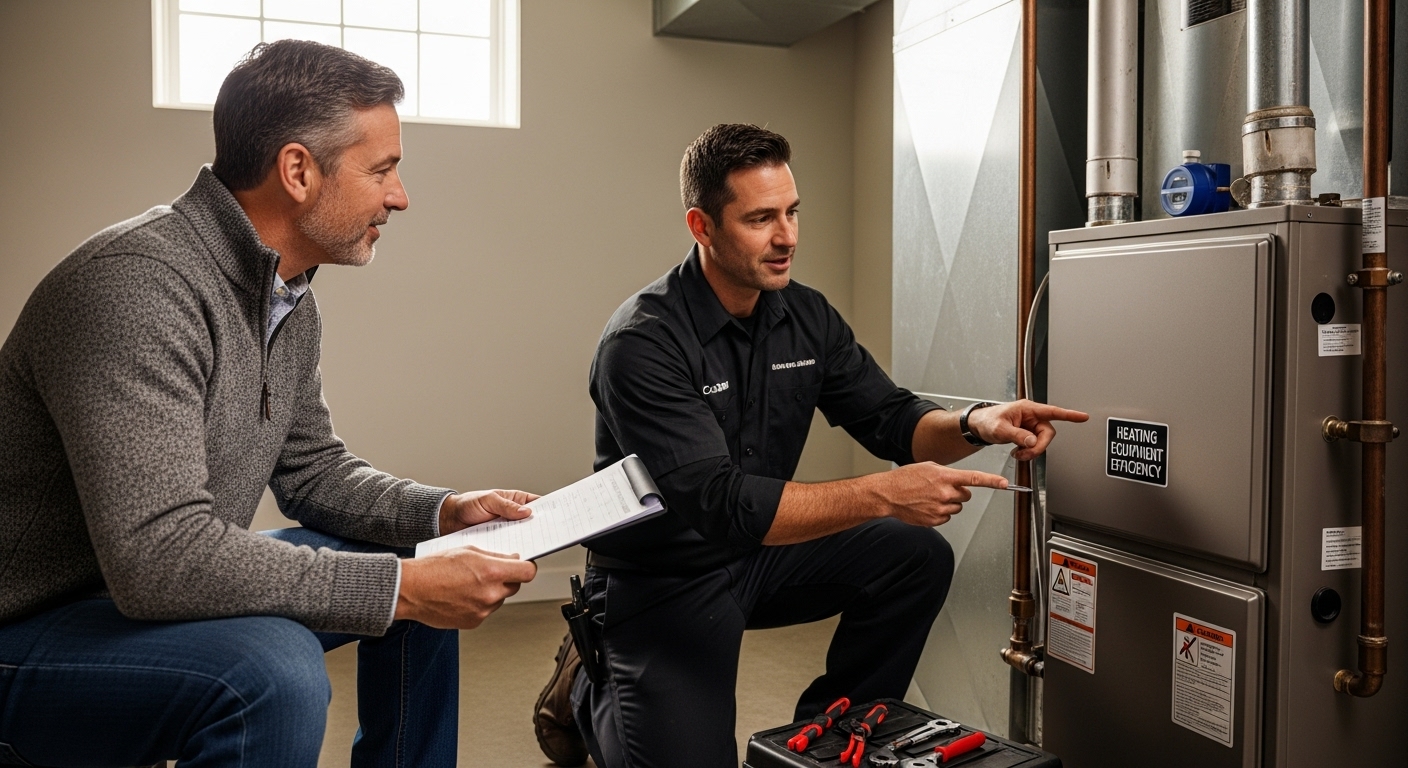
After reading about the importance of essential heating equipment, it is clear that reliable systems are the backbone of a comfortable and safe home. Many homeowners struggle with keeping their heating equipment running efficiently, facing stress from unexpected breakdowns and costly repairs. If you want peace of mind knowing your furnace, boiler, or heat pump will work when you need it most, professional support is the answer.
Now is the time to ensure your system is running at its best before the next cold snap. Trust Legacy Plumbing & Drain Inc as your partner for maintenance, repairs, and quality equipment upgrades. Find helpful tips and solutions in our routine home maintenance guide or learn more about annual plumbing maintenance. Visit our website or schedule your expert service today to protect your comfort and your investment.
Frequently Asked Questions
What types of essential heating equipment are commonly used in homes?
Essential heating equipment commonly includes furnaces, boilers, heat pumps, and space heaters. Each type has unique operational mechanisms and is suited for different heating needs.
How can I maintain my heating equipment for optimal efficiency?
Regular maintenance includes annual professional inspections, changing air filters, cleaning air ducts, checking electrical connections, and lubricating mechanical components to ensure peak performance and efficiency.
What is the economic impact of heating equipment on utility bills?
Heating accounts for approximately 29% of typical utility expenses. Investing in modern, energy-efficient heating systems can significantly reduce these costs over time.
How do different heating systems generate thermal energy?
Heating systems generate thermal energy through various methods, including combustion-based systems that burn fuel, electrical resistance heating, and heat pumps that transfer warmth from external environments.
Recommended
- Top 10 Best Water Heater Brands For Your Home
- Water Heater Troubleshooting For Sacramento Homeowners (2025) – Legacy Plumbing & Drain – Emergency Plumbers Of Sacramento
- Top Benefits Of Plumbing Upgrades For Homeowners 2025 – Legacy Plumbing & Drain – Emergency Plumbers Of Sacramento
- Top DIY Plumbing Safety Tips For Sacramento Homeowners 2025 – Legacy Plumbing & Drain – Emergency Plumbers Of Sacramento