
Old pipes hiding behind your walls might seem harmless, but the risks they pose to your home are anything but minor. Copper pipes can develop pinhole corrosion, leaking slowly and causing thousands in hidden water damage. Most homeowners never notice until a disaster strikes. The real surprise is that even a tiny white crystal or a strange odor from a faucet could be your only warning before costs and headaches spiral out of control.
Table of Contents
- What Are Pipe Replacement Signs And Why They Matter
- The Impact Of Deteriorating Pipes On Your Home
- Common Signs That Indicate You Need New Pipes
- Understanding The Consequences Of Ignoring Pipe Issues
- How To Assess The Condition Of Your Plumbing System
Quick Summary
| Takeaway | Explanation |
|---|---|
| Recognize pipe replacement signs early | Identifying warning signs like discoloration and leaks can help prevent major plumbing failures. |
| Deteriorating pipes cause serious risks | Aging pipes can lead to structural damage, health hazards, and significant financial burdens if ignored. |
| Monitor water pressure and quality | Changes in water pressure and quality signal underlying issues that require immediate attention. |
| Conduct regular plumbing system assessments | Regular inspections can help identify potential problems before they escalate into costly repairs. |
| Consult professionals for thorough evaluations | Professional assessments provide detailed insights and help uncover hidden issues in plumbing systems. |
What Are Pipe Replacement Signs and Why They Matter
Pipe replacement signs are critical indicators that your home’s plumbing infrastructure might be failing, potentially saving you from costly water damage and extensive repair work. Understanding these signs is not just about maintaining your property but protecting your investment and ensuring the safety of your living environment.
The Hidden Risks of Aging Pipes
Most homeowners underestimate the potential dangers lurking within their walls. Pipes are not immortal. They deteriorate over time due to various factors like water chemistry, temperature fluctuations, and material degradation. According to Travelers Insurance, pinhole corrosion in copper pipes can manifest as small, localized crystals or white deposits, indicating potential leaks that require immediate attention.
Key Warning Signs of Pipe Deterioration
Recognizing pipe replacement signs early can prevent catastrophic failures. Here are crucial indicators you should monitor:
- Persistent water discoloration or rusty appearance
- Unexplained increases in water bills
- Frequent leaks or water pressure inconsistencies
- Strange odors emanating from pipes
- Visible corrosion or flaking around pipe connections
Additionally, check out our expert guide on emergency plumbing indicators for more comprehensive insights into protecting your home’s plumbing system.
When these signs emerge, they represent more than cosmetic issues. They signal potential structural damage, health hazards from potential mold growth, and significant financial risks. Proactive identification and replacement can save homeowners thousands in potential repair and restoration costs.
The Impact of Deteriorating Pipes on Your Home
Deteriorating pipes represent a silent threat that can dramatically compromise your home’s structural integrity, health safety, and financial stability. These aging conduits are more than just metal or plastic tubes transporting water they are critical infrastructure that, when compromised, can trigger cascading problems affecting every aspect of your living environment.
Structural Damage Potential
Pipe deterioration goes far beyond surface-level concerns. Water leaks from aging pipes can cause catastrophic structural damage to your home’s foundation, walls, and flooring. Continuous moisture exposure weakens wooden structures, promotes wood rot, and creates ideal conditions for foundational shifts. According to the U.S. Environmental Protection Agency, deteriorating pipes can introduce contaminants that further accelerate structural degradation.
Health Risks and Environmental Concerns
The consequences of pipe deterioration extend into critical health domains. Compromised pipes can introduce several dangerous elements into your home environment:
- Potential lead contamination in drinking water
- Mold and mildew growth from persistent moisture
- Bacterial proliferation in water supply systems
- Potential respiratory issues from prolonged exposure to contaminated environments
Learn more about preventing plumbing emergencies to protect your home and family.
Financial Implications
Ignoring pipe deterioration can transform a manageable maintenance issue into a financially devastating scenario. Unaddressed pipe problems can result in expensive repairs, property value reduction, and potential insurance complications. Homeowners might face repair costs ranging from several hundred to tens of thousands of dollars, depending on the extent of damage and the complexity of pipe replacement required.
Proactive assessment and timely intervention represent the most cost-effective strategy for managing potential pipe-related risks, protecting both your property and your financial investment.
Common Signs That Indicate You Need New Pipes
Recognizing the warning signals of pipe deterioration is crucial for homeowners seeking to maintain their property’s infrastructure and prevent potentially catastrophic water damage. Understanding these signs allows for proactive intervention before minor issues escalate into expensive repair projects.
Visual and Performance Indicators
Pipes communicate their health through several observable symptoms. Discolored water is a primary red flag, often signaling internal pipe corrosion or rust accumulation. Homeowners should pay close attention to water that appears brown, yellow, or has visible particulate matter. Reduced water pressure represents another critical indicator, suggesting potential blockages, mineral buildup, or structural pipe damage.
According to the [U.S. Environmental Protection Agency](https://www.epa.gov/newsreleases/biden-harris-administration-issues-final-rule-requiring-replacement-
To help you recognize early warnings and avoid major plumbing issues, this table summarizes the most common visual and performance signs that indicate your pipes may need replacement.
| Indicator | Description |
|---|---|
| Discolored Water | Brown, yellow, or rusty water signaling internal pipe corrosion |
| Reduced Water Pressure | Notable drop suggesting blockages or structural pipe damage |
| Visible Pipe Corrosion | Greenish-blue stains or flaking around pipe joints and connections |
| Persistent Leaks | Frequent or unexplained leaks in multiple plumbing areas |
| Musty or Strange Odors | Odd smells near fixtures indicating mold or stagnant water issues |
| Wet Spots on Walls/Ceilings | Signs of leaks behind surfaces and potential hidden water damage |
| Mineral Deposits or Scaling | White mineral buildup on pipes, faucets, or connections |
lead-pipes-within), certain pipe materials require mandatory replacement to ensure water safety. Key visual signs include:
- Visible pipe corrosion or greenish-blue stains around connections
- Unexplained wet spots on walls or ceilings
- Persistent musty odors near plumbing fixtures
- Flaking or peeling pipe surfaces
- Recurring water leaks in multiple locations
Structural and Material Considerations
The age and material of your pipes play a significant role in determining replacement necessity. Older homes with original plumbing from the 1960s or earlier often feature materials like galvanized steel or lead, which are now known to degrade significantly over time. *Copper pipes typically last 50 years, while PVC pipes can endure 75-100 years
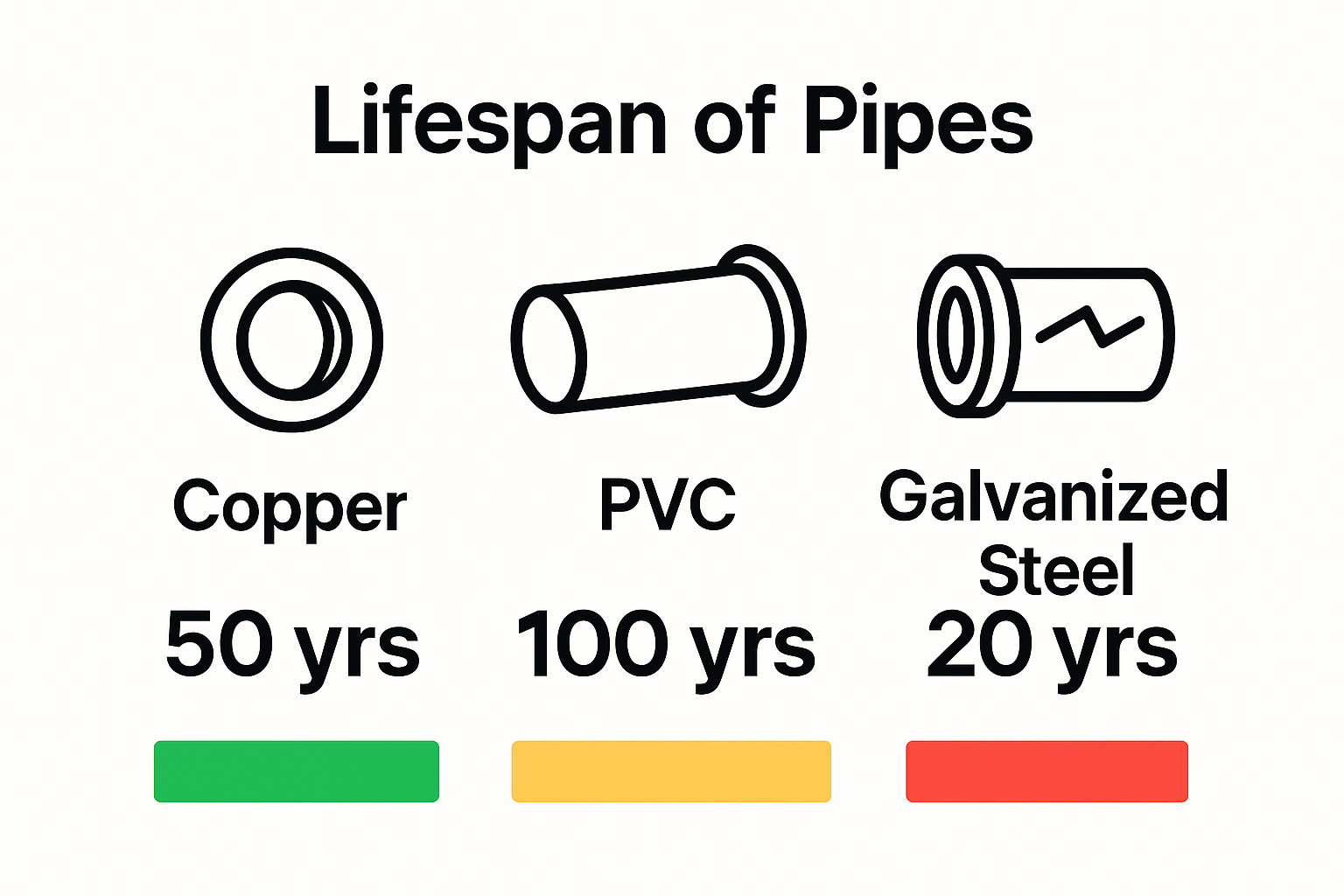
*. Learn more about identifying plumbing warning signs to protect your home’s infrastructure.
Financial and Safety Implications
Delaying pipe replacement can lead to exponentially increasing repair costs. What might start as a minor leak can quickly transform into extensive water damage, potentially compromising your home’s structural integrity and creating health hazards from mold growth. Proactive pipe assessment and timely replacement represent a strategic investment in your property’s long-term value and your family’s safety.
Understanding the Consequences of Ignoring Pipe Issues
Ignoring pipe problems is not merely a maintenance oversight but a potential pathway to extensive property damage, significant financial burden, and serious health risks. The consequences of procrastinating on pipe repairs extend far beyond simple water leakage, creating a complex web of interconnected challenges that can dramatically impact your home and personal well-being.
Structural Damage and Property Degradation
Water intrusion from unaddressed pipe issues represents one of the most insidious threats to your home’s structural integrity. Continuous moisture exposure can rapidly deteriorate foundational elements, causing wood rot, weakening structural supports, and creating ideal conditions for comprehensive property damage. According to research from the National Institutes of Health, deteriorating water distribution systems can lead to contamination through multiple mechanisms, including intrusion, corrosion, and sediment accumulation.
The progressive damage manifests through:
- Compromised wall and ceiling structural integrity
- Foundation weakening and potential shifting
- Electrical system vulnerabilities from persistent moisture
- Increased risk of catastrophic structural failure
- Reduced overall property value
Health Risks and Environmental Hazards
Beyond physical infrastructure, ignored pipe issues introduce significant health complications. Persistent moisture creates perfect breeding grounds for mold, bacteria, and other microorganisms that can cause respiratory problems, allergic reactions, and long-term health challenges. Discover essential plumbing safety strategies to protect your family’s health and home environment.
Financial and Insurance Implications
Procrastination transforms minor pipe issues into exponentially expensive repair projects. What might initially seem like a small leak can quickly escalate into thousands of dollars in comprehensive damage repairs. Moreover, many homeowners insurance policies have specific clauses that limit coverage for damages resulting from prolonged neglect, potentially leaving you financially responsible for extensive restoration work.
The cumulative cost of ignoring pipe issues extends beyond immediate repairs, encompassing potential property devaluation, increased utility expenses, and substantial long-term maintenance challenges. Proactive intervention represents not just a maintenance strategy, but a critical financial protection mechanism for your most significant investment your home.
How to Assess the Condition of Your Plumbing System
Effective plumbing system assessment requires a strategic approach that combines visual inspection, performance analysis, and professional evaluation. Homeowners must develop a comprehensive understanding of their system’s health to prevent potential catastrophic failures and maintain optimal infrastructure functionality.
Visual Inspection Techniques
Visual diagnostics represent the first critical layer of plumbing system assessment. Homeowners should systematically examine exposed pipes, connections, and fixtures for telltale signs of deterioration. According to the American Society of Home Inspectors, key visual indicators include discoloration, mineral buildup, rust formations, and subtle deformation in pipe structures.
Critical visual assessment points include:
- Checking under sinks for moisture accumulation
- Examining pipe joints for corrosion or green/blue staining
- Inspecting ceiling and wall areas near plumbing for water stains
- Looking for visible mineral deposits or scaling
- Monitoring color and clarity of water from different fixtures
Performance Evaluation Methods
Beyond visual inspection, performance metrics provide deeper insights into plumbing system health. Water pressure and drainage speed serve as crucial diagnostic indicators. Inconsistent water pressure, slow drainage, or unusual gurgling sounds can signal underlying pipe degradation or potential blockage issues. Explore our comprehensive homeowner plumbing checklist to understand these performance evaluation techniques in greater depth.
Professional Diagnostic Approaches
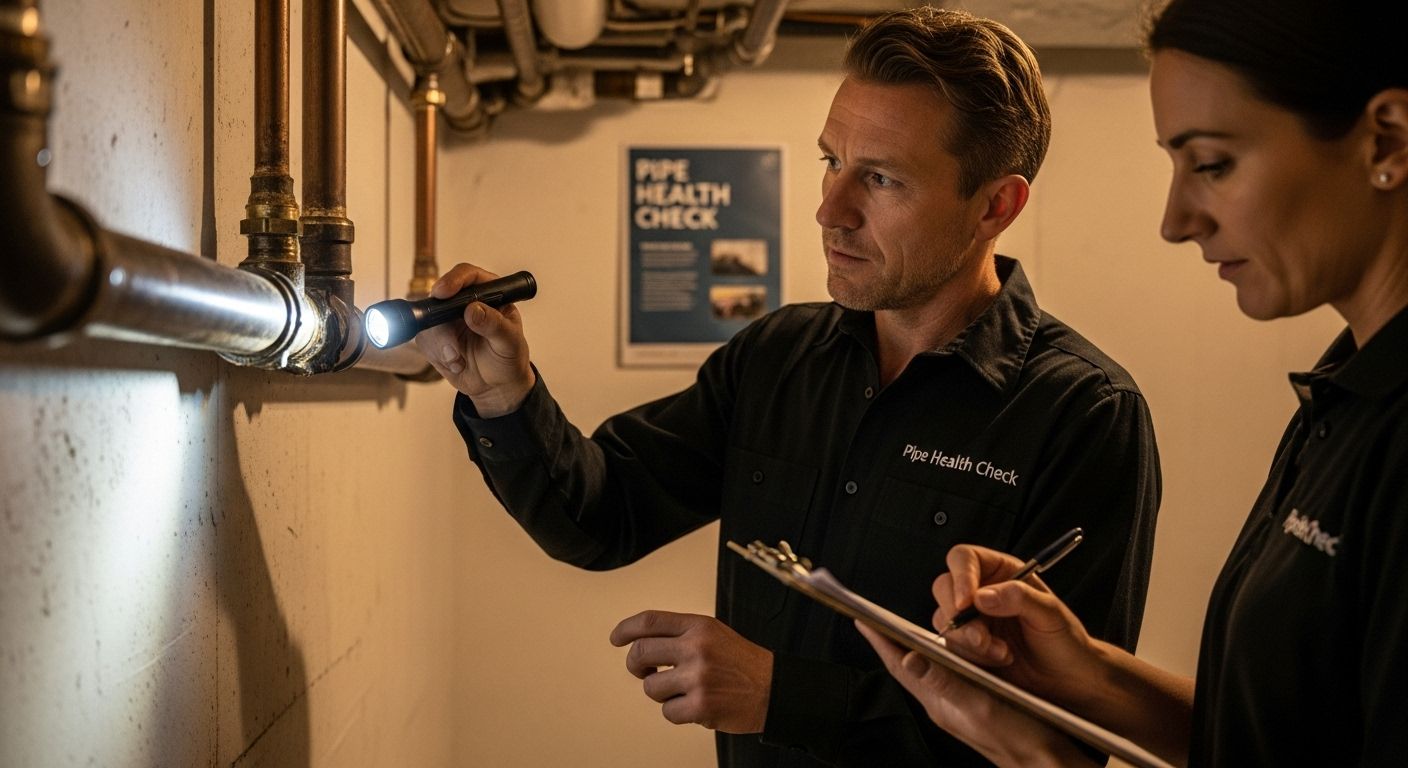
While homeowner inspections offer valuable initial insights, professional diagnostic methods provide definitive assessments of plumbing system conditions. Advanced techniques like video scope inspections allow technicians to examine internal pipe structures, identifying hidden corrosion, blockages, and potential failure points that remain invisible during standard visual evaluations.
Professional assessments typically include:
- Comprehensive pipe material analysis
- Advanced camera inspection technologies
- Pressure testing for structural integrity
- Comprehensive water quality evaluation
- Detailed documentation of system condition
A proactive, multilayered approach to plumbing system assessment empowers homeowners to identify potential issues before they escalate into costly, disruptive repairs.
Take Action Before Pipe Problems Turn Into Disasters
If you have noticed signs like rusty water, unexplained leaks, or changes in water pressure, it is more than just an inconvenience. These are warning signals your home may be at risk for major water damage. Old or deteriorating pipes can lead to structural damage, unhealthy mold, and unexpected repair bills. Your peace of mind depends on getting expert help right away.
Do not wait for a small plumbing problem to become a massive headache. Choose Legacy Plumbing & Drain Inc for a fast diagnosis and reliable pipe replacement solutions. Our skilled Sacramento emergency plumbers specialize in stopping pipe failures before they cause costly damage. Visit our homeowner plumbing checklist for practical tips or learn how we handle emergency plumbing issues. Secure your home’s safety and value today by connecting with Sacramento’s trusted plumbing partner at Legacy Plumbing & Drain Inc.
Frequently Asked Questions
What are the common signs that indicate my pipes need replacing?
Key indicators include discolored water, unexplained increases in water bills, frequent leaks, strange odors from pipes, and visible corrosion around pipe connections.
How can aging pipes affect my home’s structure and safety?
Aging pipes can lead to severe structural damage due to leaks, promote mold growth from persistent moisture, and introduce contaminants like lead into your drinking water, posing health risks.
What types of pipes are more prone to deterioration and require replacement sooner?
Pipes made of galvanized steel or lead, typically found in older homes, are more susceptible to deterioration. Copper pipes generally last around 50 years, while PVC pipes can endure 75-100 years before needing replacement.
What should I do if I notice signs of pipe deterioration?
If you notice any signs of pipe deterioration, it is crucial to consult a professional plumber for a thorough inspection and discuss potential replacement options to prevent further damage.