
Costly water leaks, rusty staining, and stubborn low pressure can turn any Sacramento home into a daily headache. For many homeowners, these surprises trace back to aging pipes hidden behind the walls. Repiping replaces old, unreliable piping materials like galvanized steel and polybutylene with modern options such as copper or PEX, helping prevent future emergencies and protect your investment. This guide highlights the warning signs, explains repiping benefits, and gives practical tips for choosing the right materials and professionals for lasting peace of mind.
Table of Contents
- What Is Repiping And Why Homes Need It
- Different Pipe Materials And Their Lifespans
- The Repiping Process Step By Step
- Signs Your Sacramento Home Needs Repiping
- Cost, Risks, And Choosing A Professional
Key Takeaways
| Point | Details |
|---|---|
| Repiping is Essential | Homeowners should consider repiping to address persistent plumbing issues and improve water quality. |
| Material Lifespan Matters | Different pipe materials, such as Copper and PEX, offer varying lifespans and performance; choose wisely based on your home’s needs. |
| Know the Warning Signs | Signs like discolored water and frequent leaks indicate a need for repiping to prevent further damage. |
| Cost Factors Vary | Repiping costs range widely based on home size, material, and labor; obtaining multiple estimates is advisable. |
What Is Repiping and Why Homes Need It
Repiping is a comprehensive plumbing procedure that involves completely replacing the existing water pipes in a residential property. When homeowners experience persistent plumbing issues, this strategic intervention becomes crucial for maintaining a safe and functional water system. Understanding pipe replacement options reveals the complexity of this essential home maintenance task.
Traditionally, homes built before the 1970s used materials like galvanized steel or polybutylene pipes that are now known to degrade quickly. These older pipe systems are prone to multiple problems:
- Corrosion and rust buildup
- Reduced water quality
- Frequent leaks and potential water damage
- Decreased water pressure
- Health risks from contaminated water pipes
The primary goal of repiping is to replace these aging, unreliable pipes with modern materials that provide superior performance and longevity. Copper and PEX piping have become the preferred choices for contemporary home plumbing systems, offering enhanced durability and resistance to corrosion.
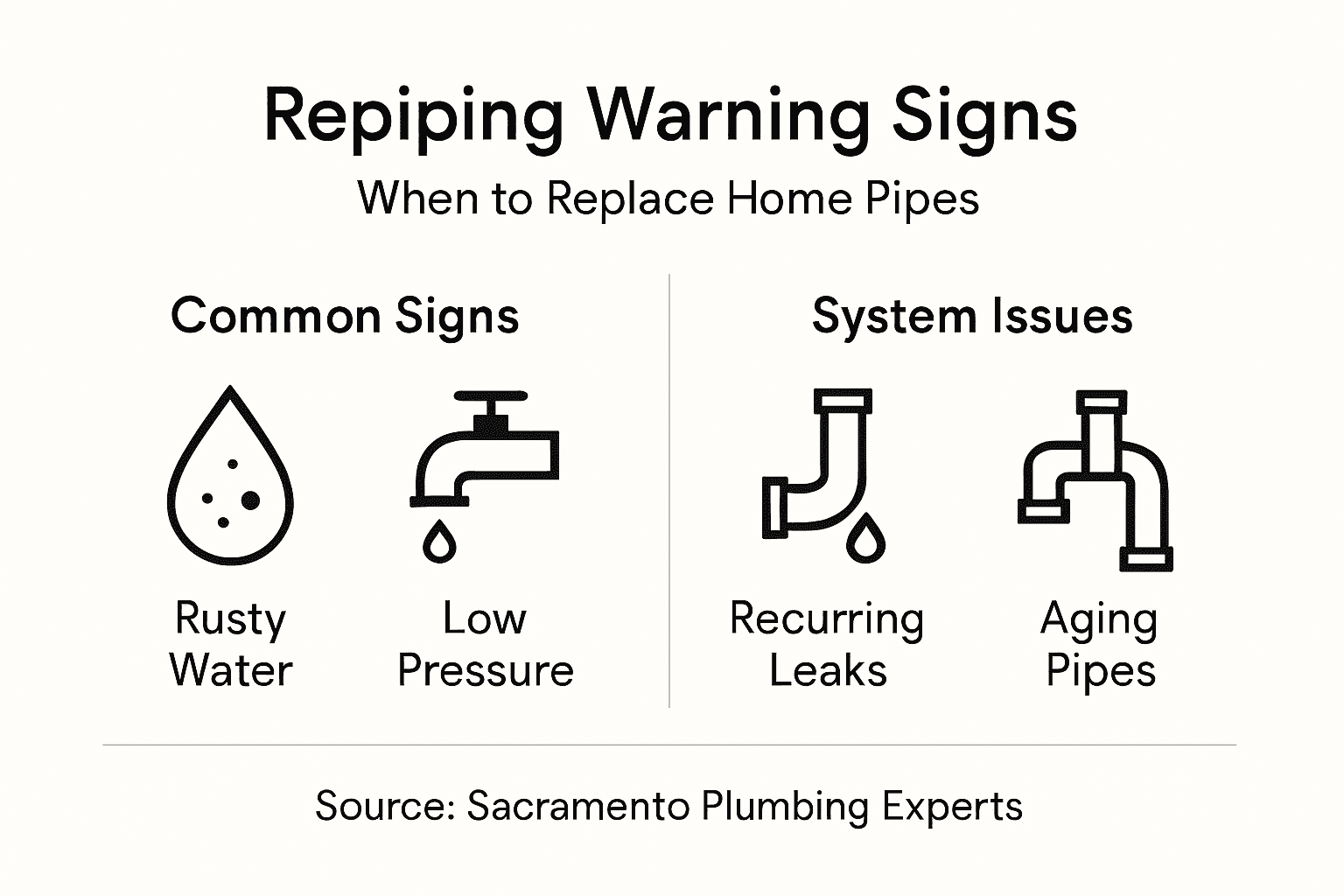
Homeowners should consider repiping when they notice consistent warning signs such as discolored water, recurring leaks, or unexplained drops in water pressure. Repiping critical details indicate that proactively addressing these issues can prevent extensive and expensive water damage to your home’s structure.
Pro tip: Schedule a professional plumbing inspection every 10-15 years to assess your home’s pipe condition and identify potential repiping needs before major problems develop.
Different Pipe Materials and Their Lifespans
Understanding the various pipe materials and their expected lifespans is crucial for Sacramento homeowners planning long-term plumbing maintenance. Pipe material comparisons reveal significant differences in durability, performance, and longevity across different pipe types.
The most common pipe materials used in residential plumbing include:
- Copper Pipes: Lasting 50-70 years
- Galvanized Steel Pipes: 20-50 years lifespan
- PVC Pipes: 50-100 years durability
- PEX Pipes: 40-50 years typical service life
- Ductile Iron Pipes: Up to 75-100 years
Each material offers unique characteristics that impact its performance and longevity. Water distribution pipe lifespans demonstrate that environmental conditions play a significant role in determining how long pipes will effectively serve a home. For instance, copper pipes are prized for their corrosion resistance and durability, while plastic pipes like PEX offer flexibility and easier installation.
Homeowners should consider factors beyond just material lifespan when selecting pipe replacements. Water quality, soil conditions, installation techniques, and maintenance practices can dramatically influence how long pipes will remain functional. Ductile iron pipes, for example, provide superior strength and impact resistance compared to traditional PVC pipes, making them an excellent choice for homes with challenging environmental conditions.
Here’s a quick reference comparing common residential pipe materials by longevity, installation difficulty, and environmental suitability:
| Pipe Material | Expected Lifespan | Installation Complexity | Best for Environmental Conditions |
|---|---|---|---|
| Copper | 50-70 years | Moderate | High corrosion resistance |
| Galvanized Steel | 20-50 years | Difficult | Dry, non-acidic soil |
| PVC | 50-100 years | Easy | Stable, low-impact settings |
| PEX | 40-50 years | Very easy | Flexible for cold climates |
| Ductile Iron | 75-100 years | Difficult | Excellent impact resistance |
Pro tip: Consult a professional plumber to assess your specific home’s pipe conditions and recommend the most suitable material based on local water chemistry and environmental factors.
The Repiping Process Step by Step
Repiping your home’s plumbing system requires careful planning and professional expertise. Homeowners in Sacramento should understand the comprehensive steps involved in this complex home improvement project to ensure a smooth and successful pipe replacement.
The repiping process typically follows these critical stages:
- Initial Inspection and Planning
- Comprehensive plumbing system assessment
- Identifying problematic pipe sections
- Selecting appropriate pipe materials
- Preparation and Access
- Shutting off main water supply
- Draining existing pipe systems
- Removing sections of walls or flooring
- Old Pipe Removal
- Carefully extracting existing pipes
- Proper disposal of outdated materials
- New Pipe Installation
- Installing copper or PEX piping
- Ensuring precise connections
- Maintaining proper pipe routing
- System Testing
- Pressure testing new pipe network
- Checking for potential leaks
- Verifying water pressure and flow
- Restoration
- Repairing wall and floor openings
- Finishing and painting
- Cleaning work areas
Water supply interruption is an inevitable part of the repiping process, so homeowners should plan accordingly. House repiping details indicate that the entire project can take several days, depending on the home’s size and plumbing complexity.
Professional plumbers use specialized tools and techniques to minimize disruption during the repiping process. They carefully map out the new pipe routes, ensuring optimal water flow and adhering to local building codes. Modern techniques allow for minimally invasive installations, reducing the need for extensive wall or floor removal.
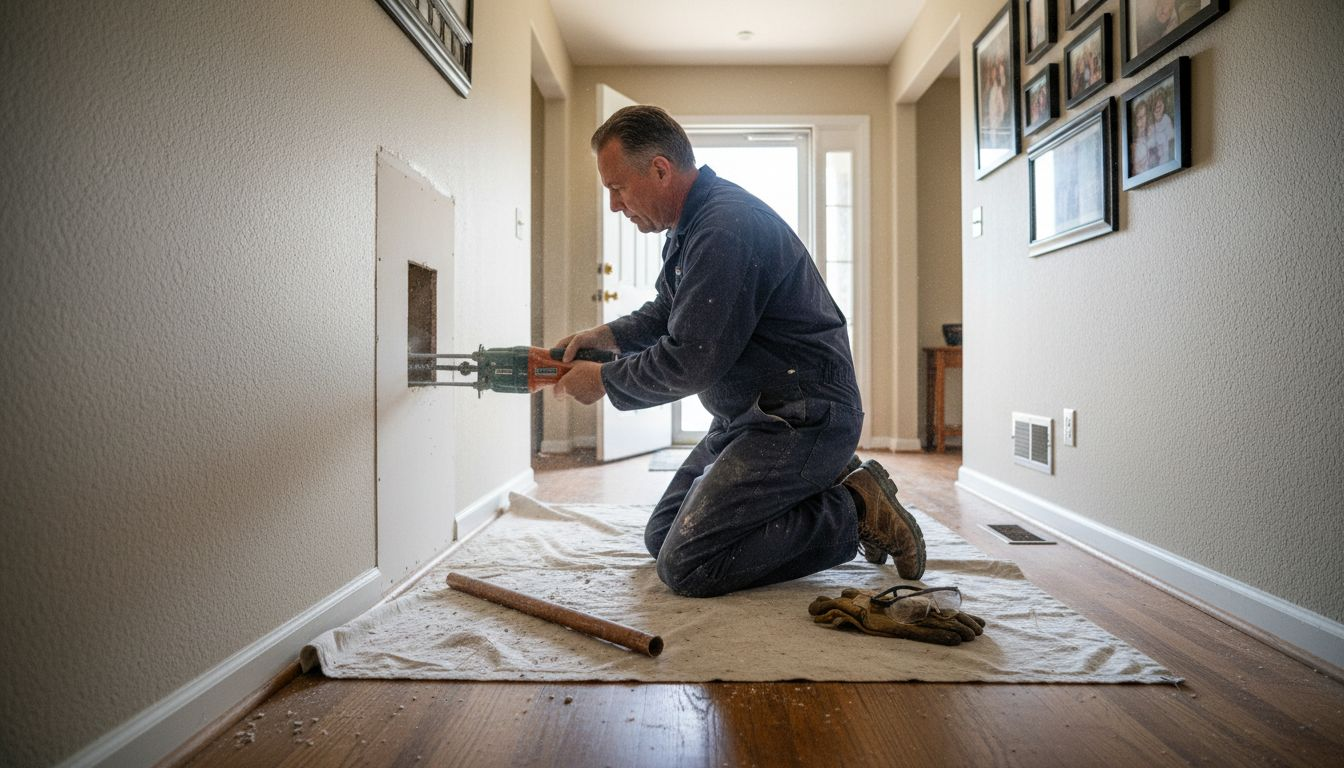
Pro tip: Schedule your repiping project during a time when minimal household disruption is expected, and consider temporary alternative living arrangements if extensive work is required.
Signs Your Sacramento Home Needs Repiping
Home maintenance indicators suggest that Sacramento homeowners should pay close attention to their plumbing system’s subtle warning signs. Recognizing these signals early can prevent extensive water damage and costly emergency repairs.
Key warning signs that your home might require repiping include:
- Discolored Water: Brown, red, or yellow water indicating rust
- Low Water Pressure: Consistent pressure drops throughout the house
- Frequent Leaks: Multiple pipe leaks in different locations
- Noisy Pipes: Unusual sounds like banging or whistling
- Visible Pipe Corrosion: Flaking, dimpling, or scaling on pipe surfaces
- Age of Plumbing System: Pipes older than 50 years
Water quality degradation is a critical concern for Sacramento homeowners. Repiping warning signs reveal that persistent plumbing issues can compromise both your home’s structural integrity and your family’s health. Rusty water, for instance, indicates significant pipe deterioration and potential contamination.
Older homes with galvanized steel or cast iron pipes are particularly vulnerable to systemic plumbing failures. These materials corrode over time, leading to reduced water flow, increased leak potential, and water quality issues. Sacramento’s unique water chemistry and aging infrastructure can accelerate pipe degradation, making regular inspections crucial for homeowners.
Pro tip: Keep a detailed maintenance log of your home’s plumbing issues, including dates, locations, and repair details, to help professional plumbers quickly diagnose potential repiping needs.
Cost, Risks, and Choosing a Professional
House repiping costs can vary dramatically depending on multiple factors unique to Sacramento homes. Homeowners should anticipate expenses ranging from $4,000 to $10,000 for a comprehensive pipe replacement project, with final pricing influenced by home size, pipe material selection, and installation complexity.
Key factors affecting repiping costs include:
- Total square footage of the home
- Accessibility of existing pipe systems
- Selected pipe material (copper vs. PEX)
- Number of bathrooms and plumbing fixtures
- Complexity of pipe routing
- Local labor rates in Sacramento
Choosing a qualified professional is crucial to mitigate potential risks. Contractor selection strategies emphasize the importance of verifying credentials, licenses, and professional references. Unqualified contractors can create significant long-term problems, potentially leading to improper installations, code violations, and additional expensive repairs.
Professional repiping involves more than just replacing pipes. Experienced contractors will comprehensively assess your home’s unique plumbing infrastructure, recommend appropriate materials, provide detailed cost estimates, and ensure all work meets Sacramento’s specific building regulations. They also typically offer warranties that protect homeowners against potential installation-related issues.
To clarify potential repiping investment, below is a summary of key cost drivers and their estimated impact:
| Cost Factor | Typical Impact | How It Affects Pricing |
|---|---|---|
| Home Size | Major | Larger homes cost more |
| Pipe Material Choice | Significant | Copper is more expensive |
| Plumbing Fixture Quantity | Moderate | More fixtures increases cost |
| Accessibility of Pipes | Major | Difficult access raises labor |
| Sacramento Labor Rates | Variable | Local prices influence total |
Pro tip: Request detailed written estimates from at least three licensed plumbing professionals, comparing not just total cost but also included services, material quality, and warranty provisions.
Upgrade Your Sacramento Home’s Plumbing with Expert Repiping Services
Persistent leaks, rusty water, or low water pressure signal your home’s pipes may be failing. The article outlines critical signs and the repiping process that every Sacramento homeowner should consider to avoid costly water damage and health risks. At Legacy Plumbing & Drain Inc, we understand the unique challenges posed by aging plumbing systems and specialize in safe, professional pipe replacement using durable materials like copper and PEX.
Don’t wait for plumbing failures to disrupt your life. Protect your home and family by choosing trusted Emergency Plumbers of Sacramento who provide thorough inspections, precise installations, and dependable service. Learn more about how our experts specialize in repiping and comprehensive plumbing solutions designed to restore your water system’s reliability. Schedule your consultation today and secure lasting peace of mind with Legacy Plumbing & Drain Inc.
Frequently Asked Questions
What is repiping, and why is it necessary for my home?
Repiping is the process of replacing old or damaged water pipes in a home to improve plumbing efficiency and safety. It is often necessary for older homes with outdated materials that can cause issues like leaks, poor water quality, and low water pressure.
How do I know if my home needs repiping?
Signs that your home may need repiping include discolored water, low water pressure, frequent leaks, noisy pipes, visible pipe corrosion, and aging plumbing systems over 50 years old. Timely assessment of these indicators can prevent further damage and costly repairs.
What materials are commonly used for repiping?
Common materials for repiping include copper and PEX. Copper offers durability and corrosion resistance, while PEX is known for its flexibility, ease of installation, and resistance to freezing. Both options provide significantly better performance than older materials like galvanized steel.
How much does repiping typically cost?
The cost of repiping can vary based on factors such as home size, complexity of plumbing, and choice of materials. On average, homeowners can expect to pay between $4,000 and $10,000 for a full repiping project.
Recommended
- Repiping Services In Sacramento: When To Repipe & How To Choose | Legacy Plumbing & Drain
- Repiping Your Home Explained: Understanding The Basics – Legacy Plumbing & Drain – Emergency Plumbers Of Sacramento
- Repiping Services In Sacramento: When To Repipe & How To Choose | Legacy Plumbing & Drain
- Understanding Pipe Replacement Options For Homeowners – Legacy Plumbing & Drain – Emergency Plumbers Of Sacramento
- Hampshire Plumbing – Why Local Expertise Matters – Skan Plumbing & Heating