Most American homes rely on plumbing systems that remain hidden until something goes wrong. In Sacramento, a minor leak or blocked drain can quickly turn into a major headache if left unchecked. With over 10 percent of American households experiencing plumbing issues annually, basic knowledge makes a real difference. This guide helps Sacramento homeowners spot early warning signs, understand the main system types, and apply simple maintenance tips for a safer, stress-free home.
Table of Contents
- Understanding Your Home’s Plumbing System
- Main Types of Residential Plumbing
- How Water Supply and Drainage Work
- Common Plumbing Issues Sacramento Homeowners Face
- Essential Maintenance and Prevention Tips
- Mistakes to Avoid With Home Plumbing
Key Takeaways
| Point | Details |
|---|---|
| Understanding Plumbing Systems | Familiarize yourself with the main components of your home’s plumbing system to recognize issues early. |
| Common Issues to Watch For | Be aware of typical plumbing problems like leaks and water heater failures to prevent costly repairs. |
| Maintenance is Key | Regular inspections and maintenance can significantly extend the life of your plumbing system. |
| Avoid DIY Errors | Always seek professional help for complex repairs to prevent further damage to your plumbing system. |
Understanding Your Home’s Plumbing System
Your home’s plumbing system is a complex network of interconnected pipes, fixtures, and appliances that silently support your daily life in Sacramento. At its core, modern plumbing systems are essential infrastructure designed to deliver clean water and safely remove waste, serving critical functions that most homeowners rarely consider.
The primary components of a residential plumbing system include supply pipes that bring fresh water into your home, drain pipes that remove wastewater, and vent systems that regulate air pressure within the pipes. These intricate networks rely on precise engineering and must adhere to rigorous safety standards outlined in the National Standard Plumbing Code (NSPC), which governs installation, materials, and maintenance requirements.
Key elements of your home’s plumbing infrastructure include:
- Water Supply Lines: Typically made of copper, PVC, or PEX materials
- Drainage Pipes: Responsible for removing wastewater from sinks, toilets, and appliances
- Vent Stacks: Crucial for maintaining proper air pressure in drain systems
- Water Heater: Centralized system for providing hot water throughout your home
Understanding these basic components helps Sacramento homeowners recognize potential issues before they escalate into costly emergencies. By familiarizing yourself with your home’s plumbing layout and maintenance needs, you can proactively protect your property and avoid unexpected repairs.
Pro tip: Conduct a basic visual inspection of your home’s exposed plumbing pipes and connections every six months to catch potential leaks or corrosion early.
Main Types of Residential Plumbing
Residential plumbing systems in Sacramento homes are more complex than most homeowners realize, comprising multiple interconnected networks designed to manage water supply, drainage, and waste removal. Residential plumbing encompasses several critical subsystems that work together to ensure your home’s comfort and functionality.
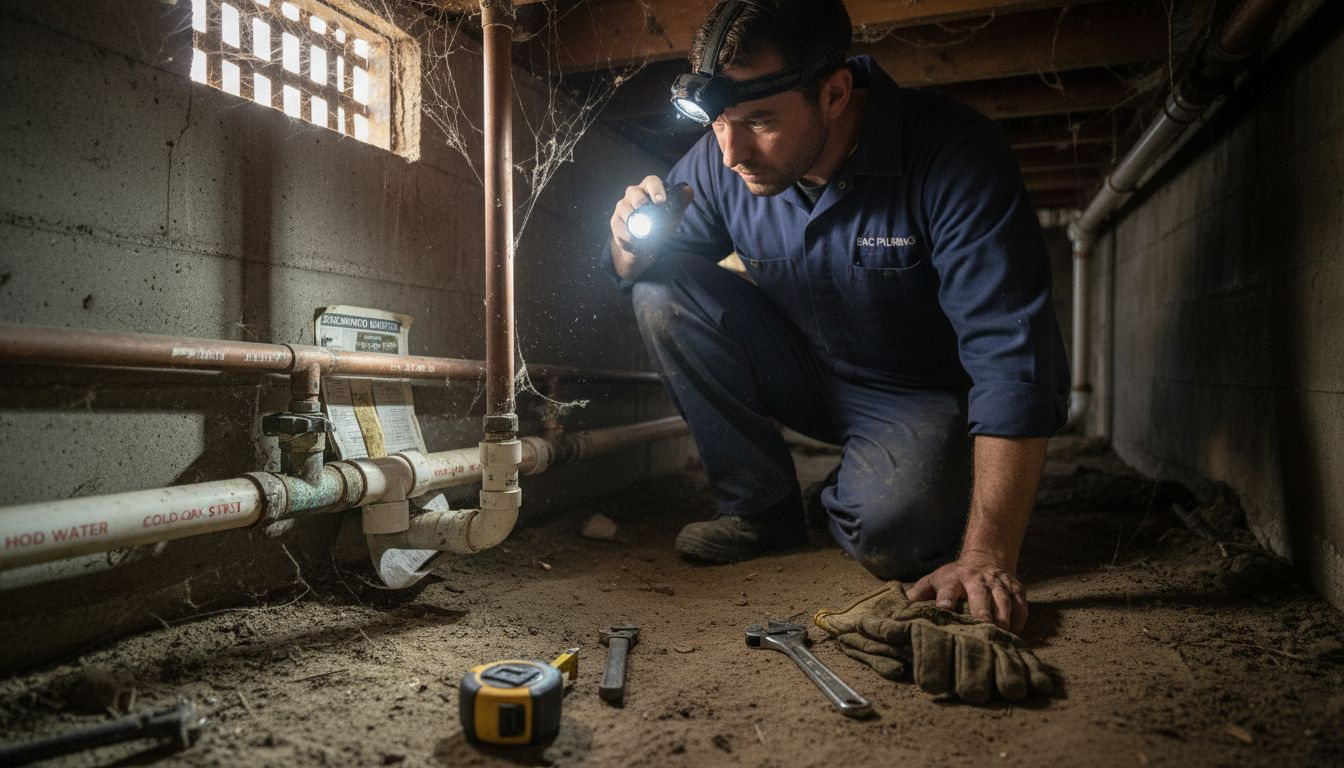
The primary types of residential plumbing systems include Water Supply Systems, Drainage Systems, and Venting Systems. Water supply pipes are responsible for delivering clean, potable water throughout your home, typically constructed from materials like copper, PEX, or CPVC. These pipes connect to various fixtures such as sinks, showers, and appliances, ensuring a consistent water flow. Drainage systems, meanwhile, are engineered to remove wastewater efficiently, using pipes made from PVC, ABS, or cast iron to transport used water away from your home.
Each plumbing system type has specific requirements and characteristics:
- Water Supply Lines: Deliver pressurized drinking water
- Typical Materials: Copper, PEX, CPVC
- Pressure Rated for Different Home Needs
- Drain Lines: Remove wastewater and sewage
- Typical Materials: PVC, ABS, Cast Iron
- Designed for Gravity-Based Waste Removal
- Vent Systems: Regulate air pressure in drainage pipes
- Prevent Siphoning and Maintain Proper Drainage
The National Standard Plumbing Code governs these residential plumbing installations, establishing critical safety and performance standards that ensure each system functions correctly. Sacramento homeowners should understand these distinctions to better maintain their home’s infrastructure and recognize potential issues before they become expensive emergencies.
Here’s a summary of the main plumbing system types and their unique roles in a home:
| System Type | Primary Function | Typical Materials | Impact on Home |
|---|---|---|---|
| Water Supply | Deliver clean water | Copper, PEX, CPVC | Enables daily usage |
| Drainage | Remove wastewater | PVC, ABS, Cast Iron | Prevents contamination |
| Venting | Regulate pipe air pressure | PVC, Galvanized Steel | Maintains drainage flow |
Pro tip: Regularly inspect your home’s different plumbing system components and learn their specific materials and connections to help identify potential problems early.
How Water Supply and Drainage Work
Water supply and drainage systems are the critical arteries of your Sacramento home, functioning as a complex network that ensures clean water delivery and efficient waste removal. These intricate systems work together seamlessly, managing everything from drinking water distribution to wastewater management through a sophisticated infrastructure of pipes, valves, and pressure mechanisms.
The water supply system begins with sourcing water from municipal reservoirs or groundwater sources, then treating and pressurizing it for home use. Pressurized pipes transport water through your home, delivering it to various fixtures like sinks, showers, and appliances. Water pressure is carefully regulated to ensure consistent flow and prevent potential damage to your plumbing infrastructure. Water distribution relies on a precise network of pipelines, storage tanks, and valves that maintain steady water pressure and availability throughout your home.
Drainage systems operate on fundamentally different principles, primarily using gravity to remove wastewater from your home. Key components include:
- Drain Pipes: Channel wastewater away from fixtures
- Vent Stacks: Regulate air pressure in drainage system
- Trap Mechanisms: Prevent sewer gases from entering living spaces
- Slope Design: Ensures gravity-based waste removal
Understanding how these systems interact helps Sacramento homeowners maintain their plumbing infrastructure and prevent potential issues. The delicate balance between water supply and drainage requires consistent monitoring and occasional professional inspection to ensure optimal performance and prevent costly repairs.
Pro tip: Map out your home’s primary water supply and drainage lines to quickly locate potential problem areas during maintenance or emergencies.
Common Plumbing Issues Sacramento Homeowners Face
Sacramento homeowners frequently encounter specific plumbing challenges that can significantly impact their home’s functionality and value. These issues range from minor inconveniences to potential major infrastructure problems that require immediate professional attention. Understanding these common problems helps homeowners proactively maintain their plumbing systems and prevent costly repairs.
The most prevalent plumbing issues in Sacramento homes include persistent leaks, pipe corrosion, water pressure inconsistencies, and outdated fixture malfunctions. Water leak detection is particularly critical, as even small leaks can cause substantial damage over time. Older homes often struggle with deteriorating pipe materials that become prone to ruptures, while newer constructions might face challenges related to installation quality or material selection.
Key plumbing problems Sacramento homeowners should watch for include:
- Pipe Corrosion: Especially in homes with older metal piping
- Persistent Leaks: Around fixtures, under sinks, and in hidden wall spaces
- Water Heater Failures: Sediment buildup and temperature regulation issues
- Drainage Problems: Slow drains, recurring clogs, and backup risks
The California Plumbing Code provides critical guidelines for addressing these challenges, emphasizing water conservation, seismic safety, and material standards that help prevent common system failures. Sacramento homeowners benefit from understanding these regulations, which are designed to protect residential infrastructure and ensure long-term plumbing system reliability.
Use this table to quickly recognize common plumbing issues and their indicators:
| Plumbing Issue | Typical Signs | Potential Consequences |
|---|---|---|
| Pipe Corrosion | Rusty water, leaks | Burst pipes, water damage |
| Persistent Leaks | Damp areas, stains | Mold growth, decay |
| Water Heater Trouble | Strange noises, cold water | High energy bills, no hot water |
| Drainage Problems | Slow drains, backups | Sewage smells, overflow |
Pro tip: Conduct a quarterly visual inspection of exposed pipes, checking for signs of moisture, discoloration, or mineral buildup to catch potential issues before they escalate.
Essential Maintenance and Prevention Tips
Routine home plumbing maintenance is crucial for preventing costly repairs and extending the life of your Sacramento home’s infrastructure. Proactive care involves regular inspections, timely interventions, and understanding the unique challenges of your home’s specific plumbing system. By implementing strategic maintenance practices, homeowners can significantly reduce the risk of unexpected breakdowns and expensive emergency repairs.
Key maintenance strategies focus on several critical areas of your home’s plumbing system. Seasonal inspections play a vital role in identifying potential issues before they escalate. Preventative measures like insulating exposed pipes and knowing the location of water shutoff valves are essential for protecting your home’s plumbing infrastructure. Sacramento homeowners should pay special attention to:
- Pipe Insulation: Protect against potential freezing during winter months
- Leak Detection: Regularly check faucets, toilets, and visible pipe connections
- Water Heater Maintenance: Flush sediment and check pressure relief valves
- Drain Care: Clean and inspect drainage systems to prevent clogs
- Fixture Evaluation: Replace worn washers and check for signs of corrosion
Additional maintenance practices include monitoring water pressure, checking for signs of mineral buildup, and ensuring proper ventilation around plumbing fixtures. By staying proactive, Sacramento homeowners can catch minor issues before they transform into major, expensive repairs. Consistent care not only preserves your home’s plumbing system but also contributes to overall water conservation and energy efficiency.
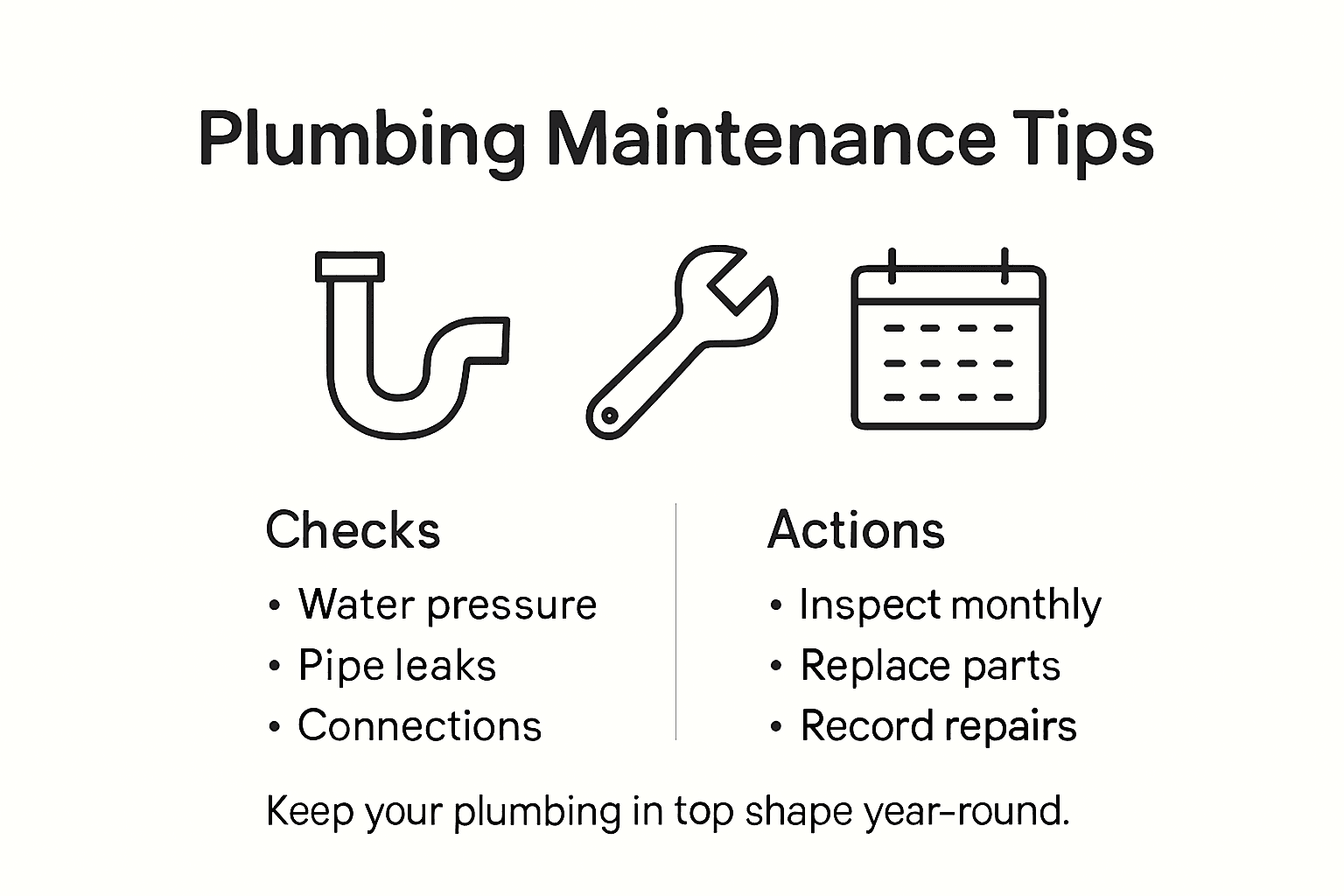
Pro tip: Create a seasonal plumbing maintenance calendar to track inspections, replacements, and potential problem areas, helping you stay ahead of potential issues.
Mistakes to Avoid With Home Plumbing
Home plumbing mistakes can lead to significant structural damage and costly repairs for Sacramento homeowners. Understanding the most common pitfalls helps prevent unnecessary expenses and potential health risks associated with improper plumbing maintenance and repair.
One of the most critical errors homeowners make is attempting complex repairs without proper knowledge or professional training. DIY plumbing repairs can inadvertently cause more damage than they resolve, potentially compromising your home’s entire water system. Plumbing failures can have serious safety and structural impacts that extend far beyond simple inconvenience, making professional intervention crucial for complex issues.
Key mistakes Sacramento homeowners should avoid include:
- Ignoring Small Leaks: Can cause extensive structural damage
- Using Harsh Chemical Drain Cleaners: Damages pipe materials
- Improper Water Heater Installation: Creates efficiency and safety risks
- Overlooking Regular Maintenance: Leads to unexpected system failures
- Attempting Complex Repairs Without Expertise: Potentially causes more damage
Proper plumbing care requires understanding your home’s specific system, recognizing your limitations, and knowing when to call a professional. Sacramento homeowners should prioritize preventative maintenance, regular inspections, and seek expert advice for complex plumbing challenges to ensure their home’s long-term integrity and functionality.
Pro tip: Keep a detailed log of your home’s plumbing repairs, maintenance history, and pipe locations to help professionals quickly diagnose and address potential issues.
Protect Your Sacramento Home With Expert Plumbing Care
Understanding the basics of your home plumbing system helps you spot problems like leaks, corrosion, and drainage issues before they become expensive disasters. If you have noticed any signs such as persistent leaks or water pressure inconsistencies it is essential to act quickly. Legacy Plumbing & Drain Inc is ready to support Sacramento homeowners with fast, reliable plumbing and drainage services designed to keep your water supply and waste systems flowing flawlessly.
Don’t wait until small plumbing issues turn into costly emergencies. Trust our skilled technicians who specialize in thorough inspections, preventative maintenance, and emergency repairs. Visit our main website to discover how our expert team can help you maintain your home’s plumbing system with quality care and peace of mind. Act now to schedule a consultation and protect your home from unexpected plumbing failures.
Frequently Asked Questions
What are the main components of a home plumbing system?
The main components of a home plumbing system include water supply lines, drainage pipes, vent stacks, and a water heater. Each component plays a crucial role in delivering clean water and removing waste.
How does a home water supply system work?
A home water supply system sources water from municipal or groundwater, treating and pressurizing it. Pressurized pipes then transport clean water to fixtures like sinks and showers, maintaining consistent pressure for daily use.
What are common plumbing issues homeowners face?
Common plumbing issues include pipe corrosion, persistent leaks, water heater failures, and drainage problems. These can lead to significant damage if not addressed promptly.
What maintenance tips can prevent plumbing issues?
Regular maintenance tips include inspecting pipes for leaks, insulating exposed pipes, maintaining your water heater, and keeping drainage systems clean to prevent clogs. Seasonal checks are essential to catch potential problems early.
Recommended
- Types Of Home Plumbing Systems: A Guide For Sacramento Area Homeowners 2025 – Legacy Plumbing & Drain – Emergency Plumbers Of Sacramento
- Regular Plumbing Maintenance In Sacramento: Prevent Leaks & Emergencies | Legacy Plumbing & Drain
- Understanding Energy Efficient Plumbing Tips For Homeowners – Legacy Plumbing & Drain – Emergency Plumbers Of Sacramento
- Smart Home Plumbing Options 2025 For Sacramento Area Homeowners – Legacy Plumbing & Drain – Emergency Plumbers Of Sacramento
- Appliance Lifespan: What It Means for Homeowners