
Most American households experience water heater issues by the 10-year mark, but simple preventative steps can save Sacramento homeowners from surprise breakdowns and costly emergencies. Reliable hot water is a basic comfort, and maintaining aging units can help families avoid sudden cold showers or expensive repairs. This practical guide offers clear, actionable tips to keep your water heater running smoothly while reducing risks and improving efficiency for your Sacramento home.
Table of Contents
- Defining Water Heater Maintenance Basics
- Types of Water Heaters and Key Differences
- How Maintenance Extends Water Heater Life
- Risks of Neglecting Crucial Servicing
- Cost Factors and Preventable Repairs
Key Takeaways
| Point | Details |
|---|---|
| Regular Maintenance is Essential | Routine maintenance prevents breakdowns and ensures efficient hot water supply. Schedule annual inspections to prolong equipment lifespan. |
| Understanding Water Heater Types | Different water heater systems (gas, electric, tankless) have unique maintenance requirements. Choose based on efficiency and household needs. |
| Sediment Buildup Risks | Neglecting maintenance can lead to sediment accumulation, raising energy costs and reducing efficiency. Annual flushing is recommended to mitigate these risks. |
| Cost-Effective Preventative Care | Investing in preventative maintenance can save significant money in repair costs and utility bills over time. A small annual investment is vastly more economical than unexpected repairs. |
Defining Water Heater Maintenance Basics
Water heater maintenance represents a critical aspect of home care that Sacramento homeowners cannot afford to overlook. Regular servicing helps prevent unexpected breakdowns and ensures consistent hot water supply throughout your home. Routine maintenance activities involve several key processes designed to protect your investment and optimize system performance.
The fundamental maintenance tasks include comprehensive checks that go beyond simple visual inspections. Homeowners should focus on draining and flushing the tank periodically, testing the pressure relief valve, and examining the anode rod for potential corrosion. These steps are crucial because sediment buildup can significantly reduce heating efficiency and potentially lead to premature system failure. Safety requirements detailed in residential codes emphasize the importance of professional servicing and proper installation to maintain optimal performance.
Effective water heater maintenance involves understanding the specific needs of your system. Different water heater types gas, electric, or tankless require unique approaches to upkeep. Regular professional inspections can help identify potential issues before they escalate into costly repairs. Sacramento homeowners should schedule annual maintenance checks to ensure their water heating systems remain in top condition, potentially extending the unit’s operational lifespan by several years.
Pro Tip: Schedule a professional water heater inspection before the peak winter season to prevent unexpected breakdowns and ensure consistent hot water supply.
Types of Water Heaters and Key Differences
Sacramento homeowners have multiple water heater options, each with unique characteristics and performance capabilities. Water heater types range from traditional storage tank models to more advanced technologies like tankless, heat pump, solar, and hybrid systems. Understanding these variations helps homeowners make informed decisions about their home’s hot water infrastructure.
Traditional storage tank water heaters remain the most common in residential settings. These units store and continuously heat a large volume of water, typically ranging from 40 to 80 gallons. Gas and electric models dominate this category, with gas-powered units generally offering faster heating and lower operating costs. Tankless water heaters, by contrast, provide hot water on demand, heating water directly as it passes through the system. This approach eliminates standby energy losses associated with traditional tank models, potentially reducing energy consumption by 24 to 34 percent.
Moreover, emerging technologies like heat pump and solar water heaters offer environmentally conscious alternatives. Heat pump water heaters extract warmth from surrounding air to heat water, making them significantly more energy efficient than conventional electric models. Solar water heaters leverage renewable energy, using roof-mounted solar collectors to warm water, which can dramatically reduce electricity or gas consumption. The Top 10 Best Water Heater Brands for Your Home can provide additional insights into selecting the most suitable system for your specific needs.
Pro Tip: Consider your household’s hot water consumption, available space, and long-term energy costs when selecting a water heater to maximize efficiency and minimize expenses.
Here’s a quick comparison of major water heater types and their benefits:
| Water Heater Type | Efficiency Level | Maintenance Needs | Best For |
|---|---|---|---|
| Storage Tank (Gas) | Moderate | Annual tank flush | Large households |
| Storage Tank (Electric) | Moderate | Sediment removal, checks | Apartments, smaller homes |
| Tankless | High | Routine descaling | Continuous hot water |
| Heat Pump | Very High | Filter cleaning | Eco-conscious owners |
| Solar | Highest (renewable) | Panel and tank checks | Sunny climates |
How Maintenance Extends Water Heater Life
Regular maintenance plays a critical role in maximizing the longevity and performance of water heaters in Sacramento homes. Water heater lifespan can be significantly extended through consistent and strategic care, transforming what might typically be a 10-12 year appliance into a longer-lasting home investment. The key is understanding and implementing proactive maintenance strategies that address potential issues before they become costly problems.
Sediment buildup represents one of the most significant threats to water heater efficiency and durability. Over time, minerals and debris accumulate at the bottom of the tank, creating an insulating layer that forces the heating element to work harder and potentially causing premature wear. Annual flushing of the tank helps remove these deposits, improving heating efficiency and reducing strain on the system. For heat pump water heaters, additional maintenance considerations come into play. Proper maintenance techniques for heat pump systems include regular filter cleaning and ensuring adequate airflow around the unit to maintain optimal performance.
Another crucial maintenance aspect involves inspecting and replacing the anode rod, a sacrificial component designed to protect the tank from corrosion. This rod attracts corrosive elements, essentially serving as a protective shield for the water heater’s interior. By checking and replacing the anode rod every few years, homeowners can dramatically extend their water heater’s operational life. Different water heater types require slightly different maintenance approaches, but the fundamental principles remain consistent: regular inspection, cleaning, and proactive component replacement are key to preventing unexpected failures and maximizing system efficiency.
Pro Tip: Schedule a professional water heater inspection annually and maintain a maintenance log to track service history and identify potential issues early.
Risks of Neglecting Crucial Servicing
Water heater maintenance is not an optional task but a critical responsibility for Sacramento homeowners. Homeowner maintenance neglect carries significant risks, potentially transforming a manageable appliance into a costly and dangerous liability. The consequences of ignoring routine servicing extend far beyond simple inconvenience, encompassing serious financial and safety implications that can dramatically impact your home’s infrastructure and your family’s well-being.
The most immediate and tangible risks involve potential water damage and system failure. Sediment accumulation can cause internal corrosion, reduced heating efficiency, and increased energy consumption. When water heaters are left unchecked, pressure relief valves can malfunction, creating a dangerous scenario where tank rupture becomes a real possibility. Water system maintenance prevents critical failures by identifying potential issues before they escalate into major problems that could require complete system replacement.
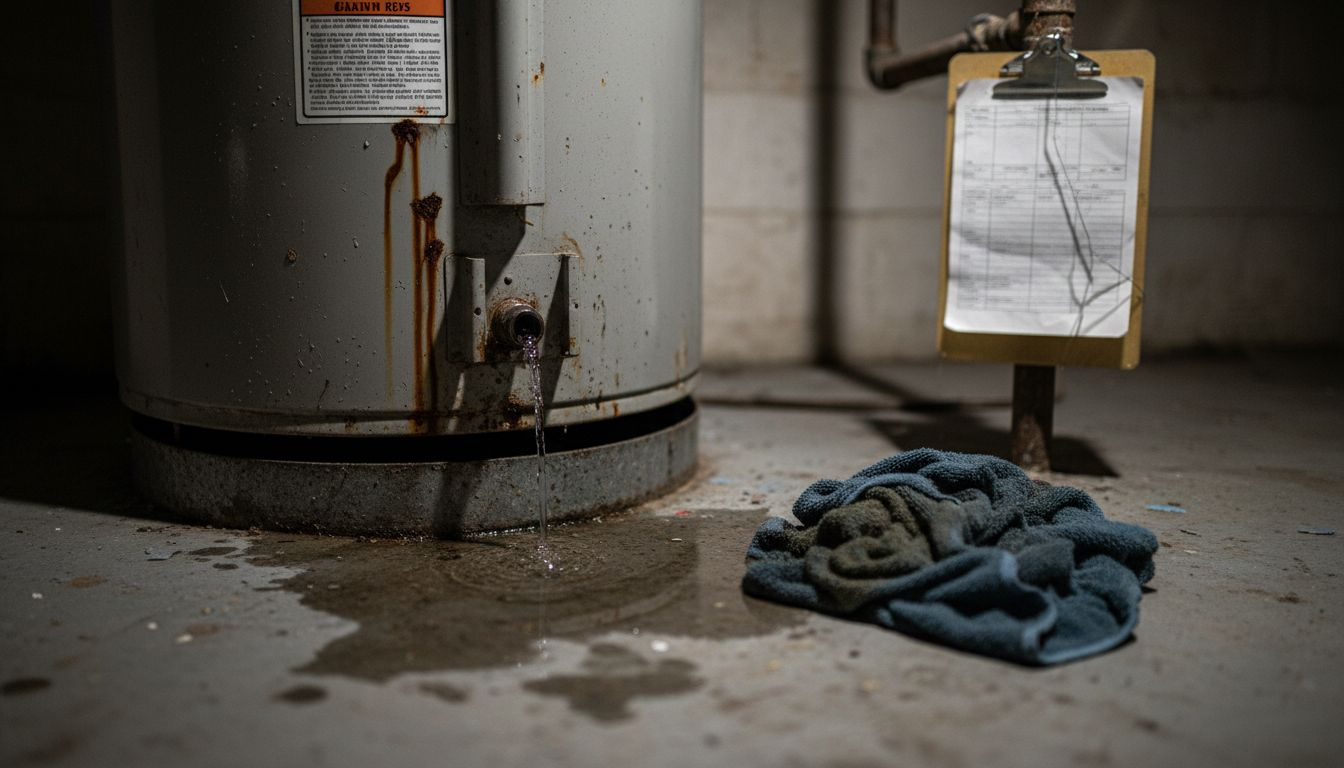
Beyond mechanical risks, neglected water heaters pose significant health hazards. Sediment buildup and lack of proper cleaning can lead to water contamination, potentially introducing harmful bacteria and minerals into your home’s water supply. The financial implications are equally concerning, with inefficient systems consuming more energy and driving up utility bills. A water heater that receives regular maintenance can operate up to 50 percent more efficiently than a neglected unit, translating to substantial long-term savings and improved performance.
Pro Tip: Invest in an annual professional inspection to catch potential water heater issues early and prevent costly emergency repairs.
Cost Factors and Preventable Repairs
Understanding the financial landscape of water heater maintenance is crucial for Sacramento homeowners seeking to optimize their investment. Water heater lifecycle costs involve multiple factors, ranging from initial equipment purchase to ongoing operational expenses. Proactive maintenance can significantly reduce these long-term expenditures by preventing costly emergency repairs and extending the appliance’s functional lifespan.
The potential repair expenses can be substantial, with some water heater failures costing homeowners thousands of dollars in unexpected replacements. Repair and replacement costs vary widely depending on factors such as the unit’s age, model, and maintenance history. Common issues like sediment buildup, corrosion, and component failures can often be prevented through regular professional inspections and routine maintenance. For instance, a simple annual flush can help prevent sediment accumulation that might otherwise lead to heating element failure or tank damage.
Breakdown of potential cost savings becomes clear when comparing maintained versus neglected water heaters. A well-maintained unit can operate up to 50 percent more efficiently, translating to lower energy bills and reduced wear on critical components. Homeowners can expect to spend between $100 to $300 on annual maintenance, which pales in comparison to potential replacement costs ranging from $1,000 to $3,000 for a complete water heater replacement. The economic logic is straightforward: investing a small amount in preventative care can save significant money in the long term.
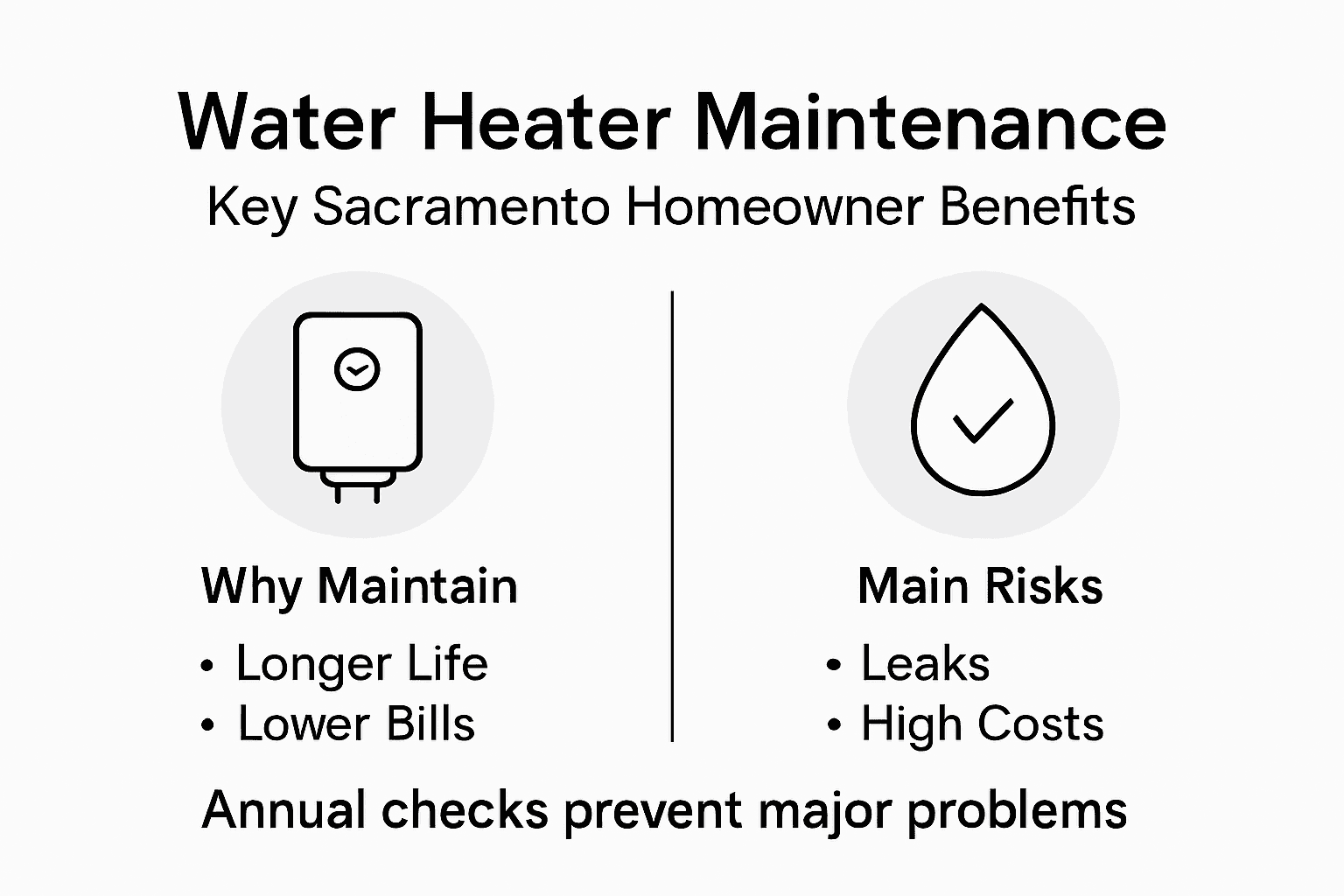
This table highlights how proactive maintenance impacts water heater life and costs:
| Maintenance Approach | Expected Lifespan | Annual Energy Costs | Repair Frequency |
|---|---|---|---|
| Routine Professional Care | 12–15 years | Lower utility bills | Rare, predictable |
| Occasional DIY Only | 8–10 years | Moderate expenses | Occasional repairs |
| Neglected System | <8 years | Significantly higher | Frequent, costly |
Pro Tip: Create a maintenance budget that includes annual professional inspections to catch potential issues early and avoid unexpected, expensive repairs.
Protect Your Sacramento Home with Expert Water Heater Maintenance
The challenges of maintaining your water heater, such as sediment buildup, pressure valve testing, and anode rod inspections, can feel overwhelming but are critical to prolonging your system’s lifespan. Ignoring these essential maintenance steps not only risks costly repairs but also disrupts your family’s comfort with unexpected hot water interruptions. At Legacy Plumbing & Drain Inc, we understand how vital a dependable hot water supply is to your home and well-being.
Count on our skilled technicians to provide thorough, professional water heater inspections and servicing that address all the key maintenance issues discussed in the article. We specialize in preventing sediment damage and ensuring your system meets safety codes so you avoid emergency breakdowns. Don’t wait for a cold shower or a water heater failure. Visit us at Legacy Plumbing & Drain Inc to schedule your annual maintenance or emergency service. Making maintenance a priority today means peace of mind and energy savings tomorrow. Learn more about our trusted plumbing services and how we keep Sacramento homes running smoothly.
Frequently Asked Questions
What is the importance of regular water heater maintenance?
Regular water heater maintenance is crucial for preventing unexpected breakdowns, improving energy efficiency, and extending the lifespan of your unit. Routine checks help identify potential issues early, ensuring consistent hot water supply and reducing repair costs.
How often should I schedule water heater maintenance?
It is recommended to schedule annual water heater maintenance to ensure optimal performance. This allows professionals to inspect and service key components, preventing common issues caused by neglect, such as sediment buildup and corrosion.
What are the common maintenance tasks for water heaters?
Common maintenance tasks include draining and flushing the tank, testing the pressure relief valve, checking the anode rod for corrosion, and inspecting electrical or gas connections depending on the type of water heater.
How can neglecting water heater maintenance affect my home?
Neglecting water heater maintenance can lead to serious risks, including water damage, increased energy bills, and potential health hazards from contaminated water. Failing to maintain your unit can result in costly repairs or even complete system failure.
Recommended
- Understanding Your Water Heater Maintenance Guide – Legacy Plumbing & Drain – Emergency Plumbers Of Sacramento
- Understanding When To Replace Water Heater For Homeowners – Legacy Plumbing & Drain – Emergency Plumbers Of Sacramento
- Sacramento Water Heater Leaks: Causes & Quick Fixes | Legacy Plumbing & Drain
- Water Heater Maintenance Checklist: Prevent Leaks & Repairs
- 7 Essentials for a Thorough Commercial HVAC Checklist