
Water damage can sneak into your home from a leaky roof, burst pipe, or even a hidden crack in the foundation. The numbers might shock you. Water damage and freezing claims are the second most common insurance claim for homeowners, costing thousands per incident. Most people believe the main risk comes during floods or storms. The real threat is that everyday household issues can trigger just as much destruction if left unchecked.
Table of Contents
- What Is Water Damage And How Does It Occur?
- Why Water Damage Prevention Matters For Homeowners
- Key Concepts In Water Damage Prevention Strategies
- The Role Of Home Maintenance In Preventing Water Damage
- Understanding The Impact Of Weather And Location On Water Damage
Quick Summary
| Takeaway | Explanation |
|---|---|
| Prevent water damage to protect your home | Water damage compromises structural integrity and leads to costly repairs. Early prevention is essential for property safety. |
| Identify common sources of water damage | Burst pipes, roof leaks, and flooding are primary causes. Recognizing these can help homeowners mitigate risks effectively. |
| Regular maintenance is crucial | Conduct routine inspections to address vulnerabilities like foundation cracks and plumbing issues to prevent moisture intrusion. |
| Leverage technology for monitoring | Smart leak detection systems and moisture monitors can alert homeowners to potential issues before they escalate, facilitating timely action. |
| Understand regional weather risks | Different climates present unique water damage challenges. Adapt prevention strategies based on local environmental conditions for better protection. |
What is Water Damage and How Does It Occur?
Water damage represents a serious threat to residential properties, occurring when unwanted water infiltrates and compromises structural materials and living spaces. This destructive process can emerge from multiple sources, creating potentially devastating consequences for homeowners.
Understanding Water Damage Fundamentals
Water damage happens when excessive moisture penetrates building materials, causing deterioration, structural weakening, and potential health hazards. According to the Environmental Protection Agency, water intrusion creates ideal conditions for mold growth and can rapidly compromise a home’s integrity.
Key characteristics of water damage include:
- Structural material degradation
- Potential electrical system risks
- Accelerated material decay
- Increased risk of microbial contamination
Common Sources of Water Intrusion
Multiple scenarios can trigger water damage, ranging from sudden incidents to gradual deterioration. Homeowners should be aware of potential water damage sources such as:
- Burst pipes and plumbing failures
- Roof leaks and inadequate drainage systems
- Flooding from natural disasters
- Appliance malfunctions
- Foundation cracks and groundwater seepage
Understanding these sources helps homeowners proactively protect their property from potential water damage risks. Early detection and swift response can significantly minimize potential destruction and repair costs.
Each water damage scenario presents unique challenges, requiring careful assessment and targeted remediation strategies. Professional intervention becomes crucial when extensive moisture penetration threatens a home’s structural soundness and inhabitants’ health.
This table outlines common sources of water intrusion in homes and explains the potential consequences of each to help homeowners prioritize prevention efforts.
| Source of Water Intrusion | Potential Consequences |
|---|---|
| Burst pipes and plumbing failures | Flooding, property damage, mold growth |
| Roof leaks and drainage issues | Ceiling and wall damage, electrical risks |
| Flooding from natural disasters | Extensive structural damage, contamination |
| Appliance malfunctions | Localized water damage, floor and wall deterioration |
| Foundation cracks/groundwater | Basement flooding, structural instability |
Why Water Damage Prevention Matters for Homeowners
Water damage prevention is crucial for protecting both the financial investment in your property and the health and safety of its occupants. Homeowners who understand the significant implications of water damage can take proactive steps to mitigate risks and prevent potentially catastrophic structural and financial consequences.
Financial Implications of Water Damage
The economic impact of water damage can be staggering. According to Insurance Information Institute, water damage and freezing incidents represent the second most frequent insurance claim, averaging thousands of dollars in repair costs.
 Homeowners can face substantial expenses related to:
- Structural repairs and restoration
- Replacement of damaged personal property
- Potential increases in insurance premiums
- Temporary housing during extensive repairs
Health and Safety Considerations
Beyond financial concerns, water damage poses serious health risks. Uncontrolled moisture creates ideal environments for mold and bacteria growth, which can trigger respiratory issues and allergic reactions. Emergency Plumbing Tips for Sacramento Homeowners emphasize the importance of swift action to prevent these potential health hazards.
Key health risks associated with water damage include:
- Respiratory complications
- Allergic reactions
- Potential exposure to toxic mold spores
- Increased risk of infectious diseases
By prioritizing water damage prevention, homeowners can protect their property’s structural integrity, maintain a safe living environment, and avoid significant financial and health challenges. Proactive maintenance and early detection remain the most effective strategies in combating potential water damage scenarios.
Key Concepts in Water Damage Prevention Strategies
Water damage prevention requires a comprehensive, strategic approach that combines proactive maintenance, advanced technology, and consistent monitoring. Homeowners must develop a multifaceted strategy to protect their property from potential moisture intrusion and subsequent structural damage.
Foundational Prevention Techniques
Effective water damage prevention starts with understanding and addressing potential vulnerabilities in a home’s infrastructure. According to Ready.gov, critical prevention techniques involve creating robust drainage systems and maintaining structural integrity.
Key foundational prevention strategies include:
- Maintaining proper grading around the home’s foundation
- Installing and maintaining functional gutters and downspouts
- Sealing potential entry points for water
- Regularly inspecting roof and exterior surfaces
- Implementing landscape drainage solutions
Advanced Monitoring and Detection Methods
Technology plays an increasingly crucial role in water damage prevention. Homeowners can now leverage sophisticated systems to detect potential issues before they escalate. Water Leak Detection in Sacramento highlights the importance of modern monitoring technologies.
Advanced prevention technologies encompass:
- Smart water leak detection sensors
- Automatic shut-off systems
- Whole-house moisture monitoring devices
- Pressure monitoring in plumbing systems
- Real-time smartphone alert systems
By integrating comprehensive prevention strategies and utilizing modern technologies, homeowners can significantly reduce their risk of water damage. Proactive approach, regular maintenance, and swift response remain the cornerstone of effective water damage prevention.
The table below compares foundational water damage prevention techniques with advanced monitoring and detection methods to help homeowners choose the right strategies for their needs.
| Strategy Type | Key Methods and Tools | Primary Benefits |
|---|---|---|
| Foundational Prevention Techniques | Grading, gutters, sealing, roof inspection, drainage solutions | Prevents most common infiltration points |
| Advanced Monitoring and Detection | Smart leak sensors, auto shut-off, moisture monitors, alerts | Enables early detection and rapid response |
The Role of Home Maintenance in Preventing Water Damage
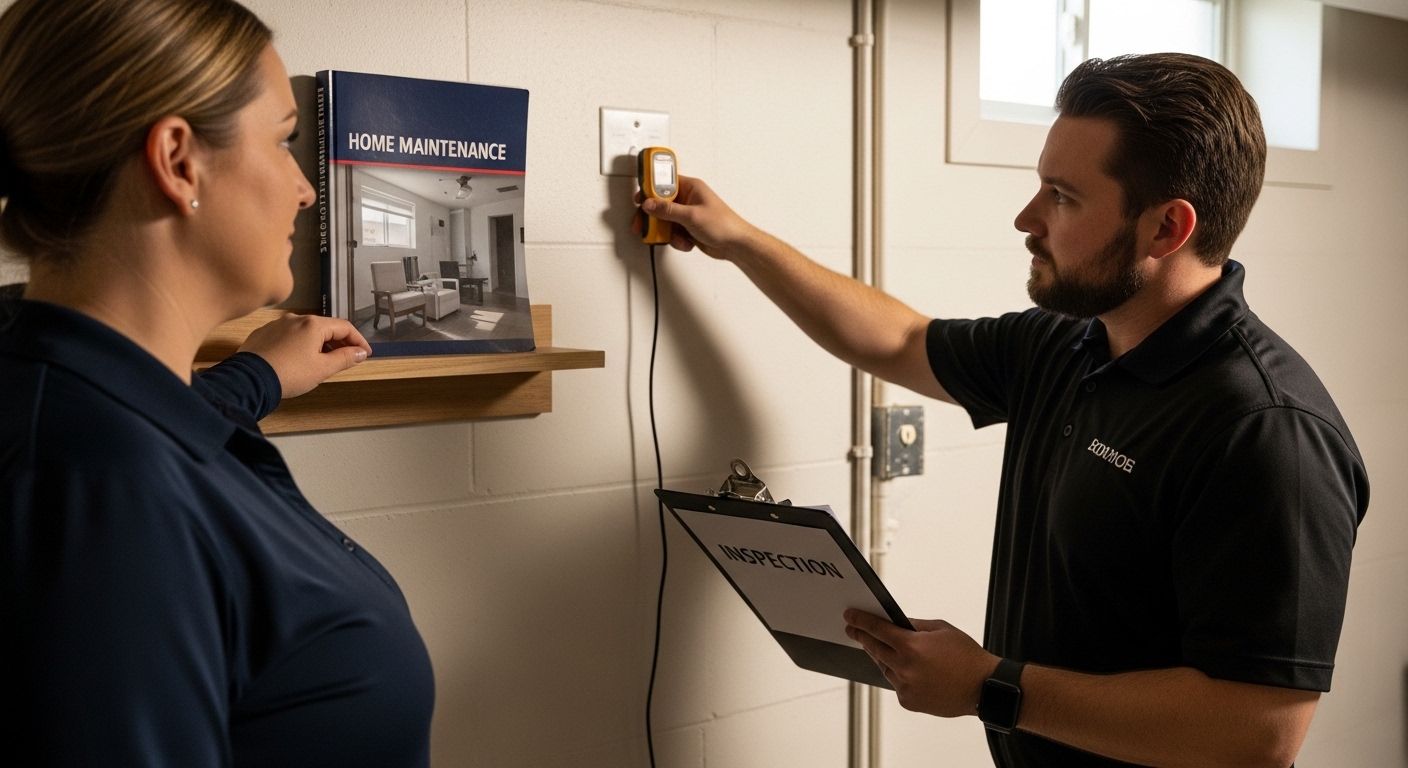
Home maintenance serves as the primary defense mechanism against potential water damage, requiring consistent attention and strategic interventions. Homeowners who commit to regular inspections and proactive care can significantly reduce the likelihood of costly and disruptive water-related issues.
Critical Inspection and Maintenance Zones
Comprehensive home maintenance involves systematically examining areas most vulnerable to water intrusion. According to International Association of Certified Home Inspectors, strategic maintenance focuses on key structural and plumbing components that are potential moisture entry points.
Primary maintenance focus areas include:
- Roof and attic structural integrity
- Exterior wall and foundation sealing
- Plumbing system connections and pipe conditions
- Window and door frame waterproofing
- Drainage systems and landscape grading
Seasonal Maintenance Strategies
Different seasons present unique challenges for water damage prevention. Homeowners must adapt their maintenance approach to address seasonal environmental variations. Sacramento Water Heater Leaks: Causes & Quick Fixes emphasizes the importance of seasonal preparedness in protecting home infrastructure.
Key seasonal maintenance considerations include:
- Winter pipe insulation and freeze protection
- Spring gutter and downspout cleaning
- Summer roof and exterior surface inspections
- Fall drainage system preparedness
Effective home maintenance requires a holistic, proactive approach. By understanding potential vulnerabilities and implementing consistent care strategies, homeowners can create a robust defense against water damage, protecting their property’s structural integrity and long-term value.
Understanding the Impact of Weather and Location on Water Damage
Weather conditions and geographic location play critical roles in determining a home’s susceptibility to water damage. Different environmental factors create unique challenges for homeowners, requiring tailored strategies to protect property and infrastructure from potential moisture intrusion.
Regional Weather Vulnerability Assessment
Geographic location significantly influences water damage risks, with each region presenting distinct environmental challenges. According to National Oceanic and Atmospheric Administration, climate patterns directly impact a home’s potential exposure to water-related threats.
Regional water damage vulnerability factors include:
- Annual precipitation levels
- Frequency of extreme weather events
- Local topographical characteristics
- Groundwater table fluctuations
- Soil drainage capabilities
Climate-Specific Water Damage Risks
Different climate zones present unique water damage challenges that require specialized prevention approaches. Understanding these nuanced risks enables homeowners to develop targeted protection strategies. Emergency Plumbing Tips for Sacramento Homeowners emphasizes the importance of location-specific prevention techniques.
Climate-related water damage risk categories include:
- Humid subtropical regions with high rainfall
- Arid zones with occasional intense storms
- Coastal areas with hurricane and flooding risks
- Mountain regions with snowmelt and freeze-thaw cycles
- Urban environments with complex drainage systems
Comprehensive water damage prevention demands a nuanced understanding of local environmental conditions. Homeowners must adapt their strategies to address specific regional challenges, integrating both structural protections and responsive maintenance techniques.
Protect Your Sacramento Home From Water Damage—Act Before Small Issues Become Major Disasters
Homeowners know the worry of unexpected water damage. Whether it is a leaking pipe, a faulty water heater or moisture seeping through your walls, ignoring these warning signs can be costly. As highlighted in our article, prompt detection and regular maintenance are essential for preventing serious issues like structural decay or mold growth. Knowing what puts your home at risk is only the first step. Securing expert help for routine inspections, water leak detection, and timely repairs gives you real peace of mind.
Take control and avoid the stress of unexpected repairs. Let the experts at Legacy Plumbing & Drain Inc help you implement proven water damage prevention strategies. Schedule a professional plumbing and leak detection service now. Do not wait for minor leaks to turn into costly emergencies—visit our website today and discover how fast, reliable, and thorough our plumbing solutions can be for your Sacramento home.
Frequently Asked Questions
What causes water damage in homes?
Water damage can be caused by various factors, including burst pipes, roof leaks, flooding, appliance malfunctions, and foundation cracks.
How can homeowners prevent water damage?
Homeowners can prevent water damage by ensuring proper drainage, maintaining gutters, sealing entry points, and regularly inspecting roofs and plumbing systems.
What are the health risks associated with water damage?
Water damage can lead to health risks such as respiratory issues, allergic reactions, and exposure to mold and bacteria, which can thrive in uncontrolled moisture environments.
Why is regular home maintenance important for preventing water damage?
Regular home maintenance helps identify potential vulnerabilities, such as leaks or drainage issues, allowing homeowners to address these problems before they lead to costly water damage.
Recommended
- Understanding Water Damage Risks For Homeowners – Legacy Plumbing & Drain – Emergency Plumbers Of Sacramento
- Emergency Plumbing Tips For Sacramento Homeowners | Legacy Plumbing & Drain
- Water Leak Detection In Sacramento: Expert Guide For Homeowners | Legacy Plumbing & Drain
- Understanding Preparing For Plumbing Disasters – Legacy Plumbing & Drain – Emergency Plumbers Of Sacramento