Water damage creeps into homes with almost no warning and the impacts can be relentless. Water damage makes up more insurance claims than almost any other home disaster, costing thousands in repairs and hidden problems. Most people think a burst pipe or a flood is the only real worry but routine leaks from old roofs or tired appliances are actually the silent threats that can quietly turn your home into a money pit if you miss them.
Table of Contents
- What Are Water Damage Risks And Their Causes?
- Why Water Damage Risks Matter For Homeowners
- How Water Damage Can Affect Your Home’s Structure
- Key Factors Increasing Water Damage Risks
Quick Summary
| Takeaway | Explanation |
|---|---|
| Identify primary water damage sources | Common causes include plumbing failures, natural disasters, and appliance issues. Recognizing these allows for proactive measures to prevent damage. |
| Address water damage immediately | Quick intervention helps mitigate structural harm and maintains property value. Delays can lead to escalating repair costs and health risks. |
| Conduct regular inspections | Frequent checks can help identify early warning signs of water damage, such as leaks, preventing future severe issues and financial burden. |
| Understand your geographical risks | Awareness of local climate patterns and flood zones can inform prevention strategies tailored to your specific property and location. |
| Invest in quality maintenance | Maintaining plumbing and drainage systems and inspection of structural integrity reduces the likelihood of water damage and supports long-term property health. |
What Are Water Damage Risks and Their Causes?
Water damage represents a significant threat to residential properties, potentially causing extensive structural deterioration and financial strain. Understanding the various risks and underlying causes can help homeowners proactively protect their investments and prevent costly repairs.
Common Sources of Water Damage
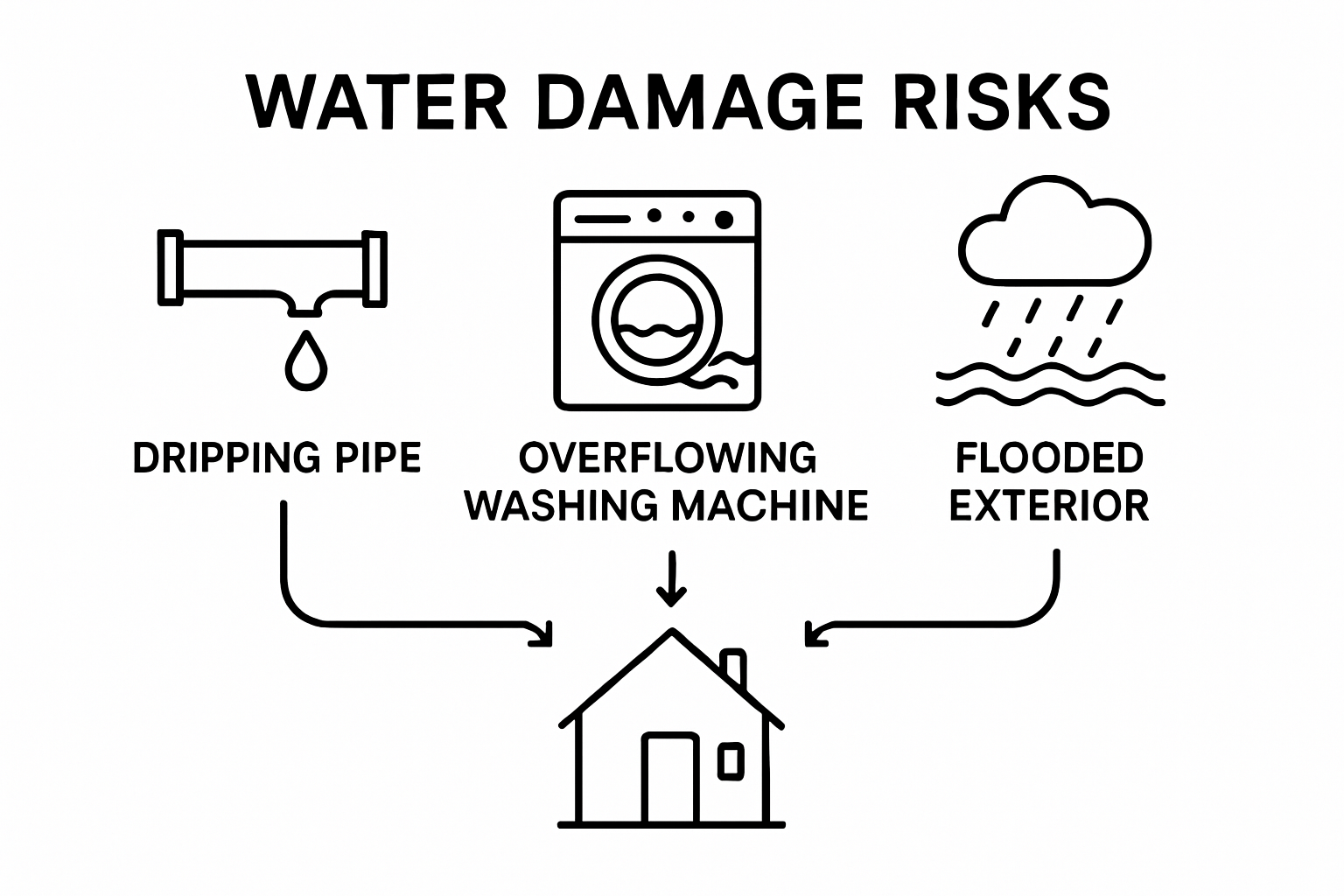
Water damage can originate from multiple sources, each presenting unique challenges for homeowners. The primary sources include:
- Plumbing system failures
- Natural disasters and extreme weather events
- Appliance malfunctions
- Roof and foundation leaks
- Improper drainage systems
Pipes and plumbing infrastructure are particularly vulnerable to unexpected breakdowns. According to Insurance Information Institute, water damage claims are one of the most frequent types of homeowners insurance claims, highlighting the pervasive nature of this problem.
Potential Consequences of Unaddressed Water Damage
When water damage goes unnoticed or untreated, homeowners face significant risks beyond immediate property destruction. Structural integrity can be severely compromised, with potential consequences including:
- Weakening of foundational elements
- Electrical system damage
- Mold and mildew growth
- Wood rot and material degradation
- Decreased property value
The financial implications can be substantial, with repair costs potentially ranging from hundreds to tens of thousands of dollars depending on the extent of damage. Check out our guide on emergency plumbing tips to help mitigate these risks.
Recognizing early warning signs and understanding potential water damage risks is crucial for maintaining a safe and secure home environment.
The following table compares the major sources of water damage discussed in the article, summarizing their typical causes and examples of related risks.
| Source of Water Damage | Typical Cause | Example of Related Risk |
|---|---|---|
| Plumbing Failures | Aging or burst pipes, clogging, loose fittings | Flooded rooms, hidden leaks under floors |
| Natural Disasters | Flooding from heavy rains, hurricanes, or snowmelt | Inundated basements, contaminated water intrusion |
| Appliance Malfunctions | Leaks from washing machines, water heaters, etc. | Slow, undetected water pooling |
| Roof and Foundation Leaks | Aging materials, storm damage, poor sealing | Water entering attic or basement, mold growth |
| Improper Drainage Systems | Blocked gutters, inadequate slope, damaged drains | Water pooling near the foundation |
 Proactive inspection, regular maintenance, and swift response to potential issues can significantly reduce the likelihood of extensive water damage.
Why Water Damage Risks Matter for Homeowners
Water damage risks extend far beyond simple property maintenance, representing a complex and potentially devastating threat to homeowners financial stability, personal safety, and long term property value. Understanding these risks is crucial for implementing effective prevention and mitigation strategies.
Financial Impact of Water Damage
The economic consequences of water damage can be extraordinary. Unaddressed water damage can rapidly escalate repair costs, transforming what might initially seem like a minor issue into a significant financial burden. According to U.S. Environmental Protection Agency, water damage not only threatens structural integrity but creates substantial environmental and health risks that can dramatically increase remediation expenses.
Homeowners can face substantial financial challenges, including:
- Emergency repair costs
- Potential insurance premium increases
- Decreased property market value
- Long term structural rehabilitation expenses
- Potential loss of personal property
Health and Safety Considerations
Beyond financial implications, water damage poses serious health risks to residential occupants. Moisture intrusion creates ideal breeding environments for harmful microorganisms like mold and bacteria. These biological contaminants can trigger respiratory issues, allergic reactions, and potentially serious long term health complications.
Critical health risks associated with water damage include:
- Respiratory infections
- Allergic reactions
- Compromised immune system responses
- Potential neurological complications from prolonged mold exposure
- Increased risk of asthma and other chronic respiratory conditions
Learn more about leak detection strategies for Sacramento homeowners to protect your property and health. Proactive monitoring and swift intervention remain the most effective methods for mitigating water damage risks, ensuring both financial protection and maintaining a safe living environment.
This table outlines how water damage impacts both finances and health, highlighting the specific consequences homeowners may face as detailed in the article.
| Impact Area | Examples of Consequences |
|---|---|
| Financial | Emergency repair costs, increased insurance premiums, decreased property value, long-term rehabilitation expenses, loss of personal property |
| Health & Safety | Respiratory infections, allergic reactions, weakened immune response, neurological complications from mold, increased asthma risk |
How Water Damage Can Affect Your Home’s Structure
Water damage represents a profound and potentially devastating threat to residential structural integrity, capable of compromising foundational elements and causing extensive, often hidden deterioration. Understanding the intricate ways water infiltration impacts different building components is crucial for homeowners seeking to protect their most significant investment.
Structural Vulnerability Points
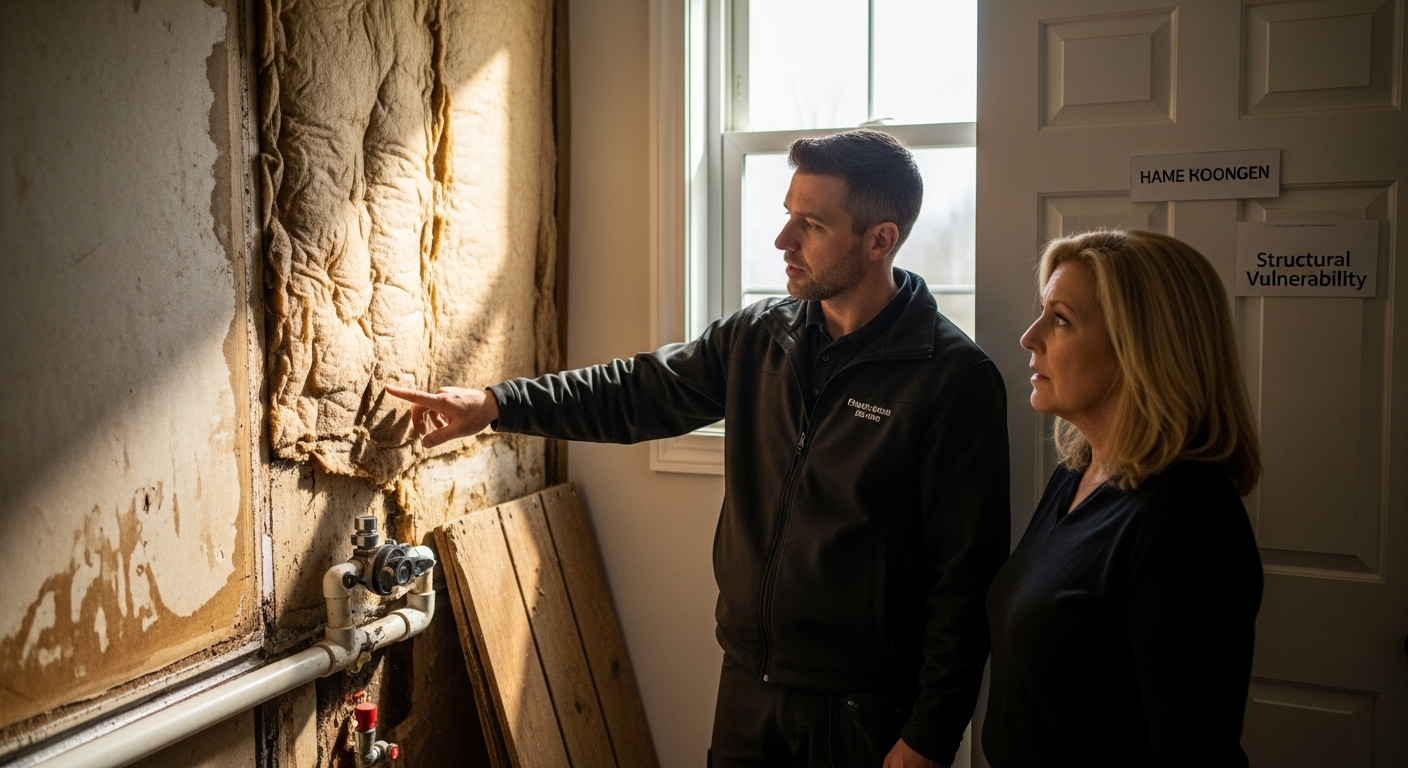
Building materials have varying susceptibilities to water damage, with some components more vulnerable than others. Wooden structures, drywall, insulation, and foundational elements can experience rapid and severe degradation when exposed to persistent moisture. According to Federal Emergency Management Agency, floodwaters can cause significant structural weakening that may not be immediately apparent.
Key structural vulnerability points include:
- Foundation concrete and masonry
- Wooden framing and support beams
- Floor joists and subfloor materials
- Wall cavities and interior structural supports
- Electrical and plumbing infrastructure embedded within walls
Progressive Structural Deterioration
Water damage operates through a complex mechanism of progressive deterioration. Initial moisture exposure triggers a cascade of destructive processes that compromise structural elements incrementally. Wood begins to rot, metal components start corroding, and building materials lose their structural strength and load bearing capabilities.
Critical stages of structural deterioration involve:
- Material warping and dimensional changes
- Compromised load bearing capacity
- Accelerated material decomposition
- Potential foundation shifting and settlement
- Increased vulnerability to additional environmental stressors
Learn about slab leak warning signs that could indicate underlying structural water damage. Early detection and professional intervention remain the most effective strategies for preventing extensive structural compromise and maintaining your home’s long term integrity.
Key Factors Increasing Water Damage Risks
Water damage risks are not uniform across all properties, with certain environmental, structural, and geographical factors significantly amplifying potential vulnerabilities. Understanding these complex risk determinants enables homeowners to develop more targeted prevention and protection strategies.
Geographic and Environmental Influences
Geographic location plays a critical role in water damage susceptibility, with some regions experiencing higher risks due to climate patterns, geological characteristics, and proximity to water sources. According to Department of Health and Human Services Climate Change Research, changing climate conditions are increasingly impacting flood frequencies and precipitation patterns across different regions.
Key geographic risk factors include:
- Proximity to rivers, streams, and coastal areas
- Regional precipitation and snowmelt patterns
- Local topographical characteristics
- Historical flood zone designations
- Drainage system infrastructure quality
Structural and Infrastructure Vulnerabilities
Home design, construction quality, and maintenance history substantially influence water damage potential. Older properties and those with compromised structural elements face heightened risks, particularly when critical systems like plumbing and foundation waterproofing have not been updated or properly maintained.
Critical structural risk factors encompass:
- Age of plumbing infrastructure
- Quality of original construction materials
- Roof and foundation integrity
- Inadequate waterproofing measures
- Poor exterior drainage systems
Explore our expert guide to water leak detection to understand how professional assessment can identify potential water damage risks before they escalate. Proactive identification and strategic intervention remain the most effective approaches to mitigating potential water damage threats.
Ready to Protect Your Home from Water Damage?
Reading about water damage risks can be unsettling. You now know how quickly leaking pipes or hidden moisture can lead to serious structural issues and costly repairs. If you have noticed any warning signs like water stains, musty odors, or unexplained spikes in your water bill, it is time to act before a small problem becomes an expensive emergency.
Take charge and secure your home’s safety with help from the professionals at Legacy Plumbing & Drain Inc. Our team responds around the clock to prevent and repair water damage in Sacramento area homes. Do not let undetected leaks or old pipes threaten your family’s well-being. Reach out now to schedule a thorough inspection or get immediate help so you can protect your investment and regain peace of mind.
Frequently Asked Questions
What are the common causes of water damage in homes?
Water damage can be caused by various issues, including plumbing system failures, natural disasters, appliance malfunctions, roof leaks, and improper drainage systems.
How can water damage affect my home’s structure?
Unaddressed water damage can severely weaken structural elements, leading to issues such as wood rot, compromised foundations, and loss of load-bearing capacity.
What are the financial implications of water damage?
Water damage can lead to significant repair costs, potential increases in insurance premiums, decreased property value, and the expense of long-term structural rehabilitation.
What health risks are associated with water damage?
Water damage creates environments conducive to mold and bacteria growth, which can trigger respiratory infections, allergic reactions, weakened immune responses, and other serious health issues.
Recommended
- Emergency Plumbing Tips For Sacramento Homeowners | Legacy Plumbing & Drain
- Water Leak Detection In Sacramento: Expert Guide For Homeowners | Legacy Plumbing & Drain
- Importance Of Leak Detection For Sacramento Area Homeowners 2025 – Legacy Plumbing & Drain – Emergency Plumbers Of Sacramento
- Sacramento Water Heater Leaks: Causes & Quick Fixes | Legacy Plumbing & Drain
- How Ignoring Sprinkler Repairs Can Impact Your Landscape | Lawn Sense
- Signos de Humedad en Casa: Cómo Detectarlos y Prevenir Daños