Clogged drains are more than just a nuisance and most people reach for a chemical cleaner without thinking twice. Here is something that will catch you off guard. Harsh cleaners send toxic fumes into your home and even corrode pipes, leading to expensive long-term repairs. There is a smarter and safer way to clear your drains that actually protects your plumbing and your health.
Table of Contents
- What Are The Safest Drain Cleaning Methods?
- Why Is It Important To Use Safe Drain Cleaning Practices?
- How Do Natural Drain Cleaning Solutions Work?
- Understanding The Impact Of Chemical Drain Cleaners
- What Are Alternative Methods For Drain Maintenance?
Quick Summary
| Takeaway | Explanation |
|---|---|
| Mechanical methods are safest for drain cleaning. | Use tools like plungers and snakes to clear blockages without harmful chemicals. |
| Natural solutions like baking soda and vinegar are effective. | These ingredients create a safe chemical reaction to dislodge minor clogs. |
| Avoid chemical cleaners due to health risks. | They can cause burns, respiratory issues, and long-term health problems. |
| Protect plumbing with preventative maintenance. | Regularly inspect and keep drains clear to avoid future blockages. |
| Consider enzymatic cleaners for eco-friendly options. | These solutions use natural bacteria to safely break down organic materials in pipes. |
What Are the Safest Drain Cleaning Methods?
Understanding the safest drain cleaning methods is crucial for maintaining your home’s plumbing system without causing damage or risking personal health. Chemical drain cleaners might seem convenient, but they often pose significant risks to both your pipes and personal well-being.
Mechanical Drain Cleaning Techniques
Mechanical methods represent the gold standard for safe drain cleaning. According to Consumer Reports, these techniques physically remove blockages without introducing harsh chemicals into your plumbing system.
Key mechanical approaches include:
- Plungers: Create suction and pressure to dislodge minor clogs
- Drain Snakes: Flexible tools that can reach deeper blockages
- Drain Augers: Specialized equipment for more complex obstructions
These tools work by directly engaging with the blockage, mechanically breaking it apart or pulling it out of the pipe. Unlike chemical solutions, they do not deteriorate pipe materials or introduce toxic substances into your home’s water system.
To help clarify your options, the following table compares key characteristics of mechanical, natural, enzymatic, and chemical drain cleaning methods discussed in the article.
| Method | Safety for Health | Effect on Pipes | Environmental Impact | Typical Use Case |
|---|---|---|---|---|
| Mechanical (plunger, snake) | High | Does not corrode | No environmental harm | Clearing most clogs |
| Natural (baking soda & vinegar) | High | Safe for pipes | Eco-friendly | Minor organic blockages |
| Enzymatic/Biological | High | Safe, non-corrosive | Environmentally sustainable | Ongoing maintenance, organic debris |
| Chemical Cleaners | Low | Corrodes and damages | Causes water pollution | Severe clogs (not recommended) |
Natural and Eco-Friendly Alternatives
Homeowners seeking environmentally responsible solutions can leverage natural drain cleaning methods. The David Suzuki Foundation recommends using simple household ingredients like baking soda and vinegar to address minor clogs.
The chemical reaction between baking soda and vinegar creates a foaming action that can help break down organic materials without harming your pipes. By combining these ingredients with hot water, you create a powerful yet safe cleaning solution that avoids the toxic risks associated with commercial drain cleaners.
Learn more about comprehensive drain maintenance to protect your home’s plumbing infrastructure and prevent future blockages. Proactive care and gentle cleaning techniques will ultimately save you time, money, and potential repair costs.
Why Is It Important to Use Safe Drain Cleaning Practices?
Safe drain cleaning practices protect more than just your plumbing system. They safeguard your health, home infrastructure, and environmental well-being. Understanding the potential risks associated with traditional drain cleaning methods can help homeowners make informed decisions about maintaining their household systems.
Health and Safety Risks of Chemical Cleaners
Chemical drain cleaners pose significant health hazards that many homeowners underestimate. According to Consumer Reports, caustic chemical solutions can cause serious problems if they come into contact with skin or accidentally generate harmful fumes.
Key health risks include:
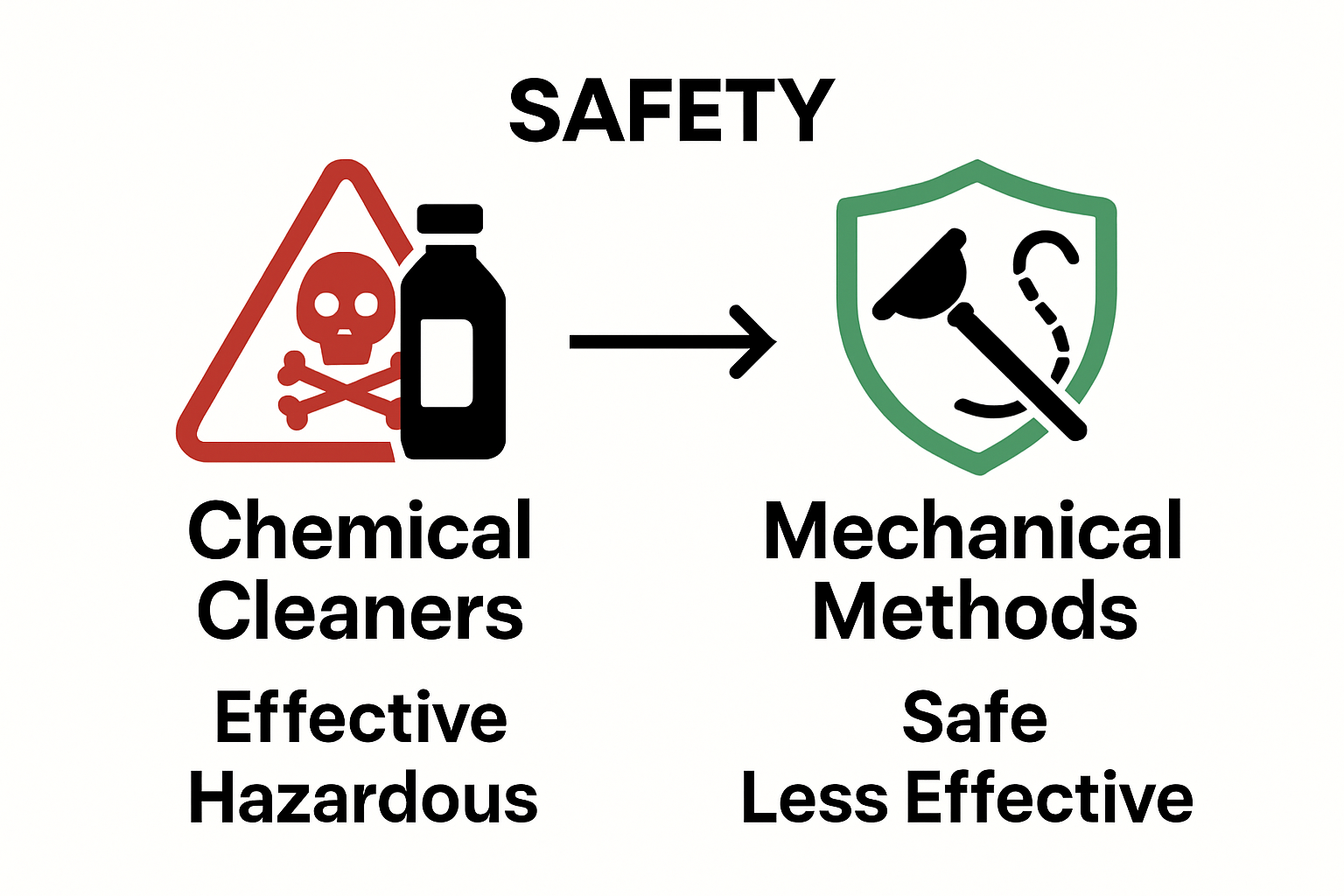
- Potential chemical burns from direct skin contact
- Respiratory irritation from toxic cleaning agent vapors
- Risk of accidental poisoning, especially in homes with children
- Long-term exposure to harmful synthetic chemicals
Environmental and Infrastructure Preservation
Beyond personal health, safe drain cleaning practices protect broader environmental and home infrastructure systems. Harsh chemical cleaners can corrode pipes, leading to expensive long-term damage. These substances not only harm your home’s plumbing but also contribute to water pollution when they enter municipal waste systems.
Eco-friendly alternatives like mechanical cleaning and natural solutions minimize environmental impact while maintaining your drainage infrastructure. Explore our comprehensive drain maintenance guide to understand how proactive, gentle approaches can prevent costly repairs and environmental contamination.
By prioritizing safe drain cleaning methods, homeowners can protect their health, preserve their home’s infrastructure, and contribute to broader environmental sustainability efforts. The small investment in understanding and implementing responsible drain maintenance pays significant long-term dividends.
How Do Natural Drain Cleaning Solutions Work?
Natural drain cleaning solutions leverage simple chemical reactions and mechanical properties to effectively clear pipe blockages without introducing harsh synthetic chemicals. These environmentally friendly methods provide homeowners with safe, powerful alternatives to traditional drain cleaning products.
Chemical Reaction Mechanisms
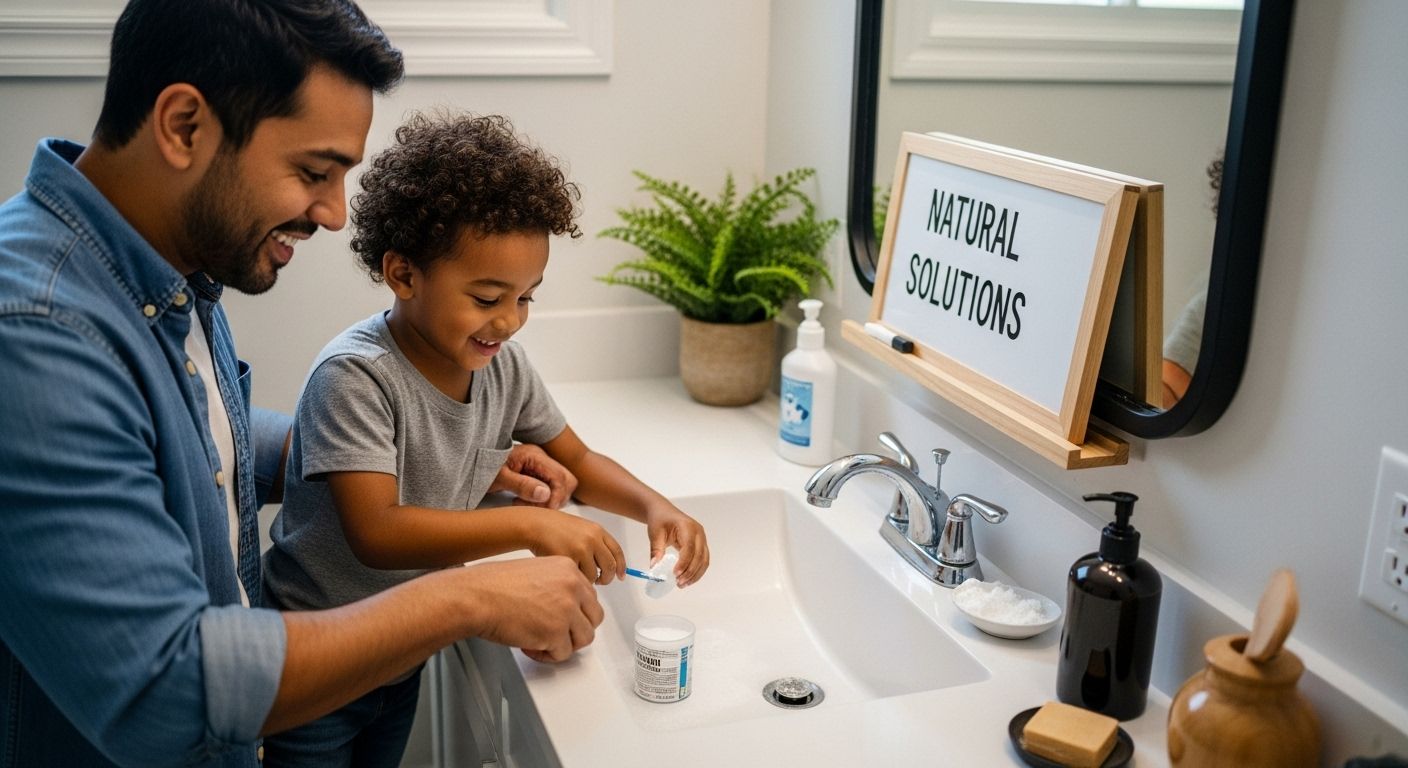
The most common natural drain cleaning solution involves a powerful chemical interaction between baking soda and vinegar. According to Oregon Metro, this combination creates a foaming reaction that helps break down organic materials and dislodge minor blockages.
Key chemical reaction characteristics include:
- Rapid fizzing action that mechanically agitates pipe contents
- Natural pH disruption that breaks down organic matter
- No corrosive damage to pipe infrastructure
- Zero toxic byproducts or harmful residues
Enzymatic and Bacterial Cleaning Approaches
Enzymatic drain cleaners represent another sophisticated natural solution. These biological treatments use specialized bacteria and enzyme cultures that actively consume organic materials like hair, soap scum, and food particles. Unlike chemical cleaners, these solutions work progressively to break down blockage sources without damaging pipe surfaces.
Discover advanced drainage maintenance techniques that can help prevent future clogs and maintain your home’s plumbing system. The microscopic organisms in these treatments essentially transform blockages into harmless water and carbon dioxide, providing a sustainable cleaning method.
By understanding how natural drain cleaning solutions work, homeowners can make informed choices that protect their plumbing infrastructure while minimizing environmental impact. These methods demonstrate that effective cleaning can be achieved through intelligent, science-based approaches that prioritize both performance and safety.
Understanding the Impact of Chemical Drain Cleaners
Chemical drain cleaners represent a seemingly quick solution to plumbing blockages, but their widespread use masks significant risks to human health, home infrastructure, and environmental sustainability. Understanding these potential consequences is crucial for homeowners seeking responsible maintenance strategies.
Health and Safety Hazards
Chemical drain cleaners pose substantial health risks that extend far beyond simple pipe cleaning. According to Mount Sinai Medical Center, exposure can lead to severe medical complications:
- Potential chemical burns upon skin contact
- Respiratory system damage from toxic fumes
- Risk of severe internal injuries if accidentally ingested
- Long-term health consequences from repeated exposure
Accidental exposure can result in immediate medical emergencies, particularly for households with children or vulnerable individuals. The caustic nature of these chemicals means even minor contact can cause significant harm.
This table outlines the primary health and environmental risks associated with chemical drain cleaners, as highlighted in this article.
| Risk Category | Description |
|---|---|
| Skin Contact | Chemical burns, potential for severe injury |
| Inhalation | Respiratory irritation from toxic fumes |
| Ingestion | Risk of accidental poisoning, especially in children |
| Repeated Exposure | Long-term health problems from synthetic chemicals |
| Plumbing Damage | Corrosion and deterioration of pipes |
| Environmental | Toxic chemical release into municipal water systems |
Infrastructure and Environmental Consequences
Beyond personal health risks, chemical drain cleaners inflict substantial damage on home plumbing systems and broader environmental ecosystems. These harsh solutions corrode pipe materials, create microabrasions in plumbing infrastructure, and introduce toxic chemicals into municipal water systems.
Explore our comprehensive plumbing maintenance guide to understand alternative approaches that protect both your home and the environment. The cumulative impact of chemical drain cleaners extends far beyond a single use, creating long-term challenges for residential infrastructure and ecological systems.
By comprehensively understanding the multifaceted risks associated with chemical drain cleaners, homeowners can make informed decisions that prioritize safety, sustainability, and long-term property maintenance. Proactive, environmentally conscious approaches offer more effective and responsible solutions for managing household drainage systems.
What Are Alternative Methods for Drain Maintenance?
Drain maintenance extends far beyond traditional chemical solutions, offering homeowners sophisticated and environmentally responsible strategies that protect plumbing infrastructure while preventing blockages. Modern alternatives focus on proactive approaches that minimize potential damage and reduce long-term repair costs.
Preventative Mechanical Techniques
Mechanical interventions represent the cornerstone of responsible drain maintenance. These methods physically address potential blockages without introducing harmful chemicals. According to Berkeley Environmental Health Services, strategic prevention can significantly reduce drainage complications:
- Regular drain strainer usage to capture debris
- Periodic manual pipe inspection
- Professional drain snake treatments
- Implementing hair catchers in shower drains
Mechanical techniques work by physically removing potential blockage sources before they can accumulate, creating a proactive defense against plumbing issues. These approaches allow homeowners to maintain clean drainage systems without risking pipe degradation.
Biological and Enzymatic Solutions
Biological drain maintenance represents a cutting-edge approach to keeping pipes clear. Specialized enzymatic treatments introduce beneficial microorganisms that naturally break down organic materials without causing structural damage. These living solutions transform potential blockages into harmless compounds through controlled biological processes.
Discover advanced drain maintenance strategies that can revolutionize your home’s plumbing care. By understanding these sophisticated alternatives, homeowners can protect their infrastructure while minimizing environmental impact.
Alternative drain maintenance methods demonstrate that effective solutions can be both gentle and powerful. Embracing these innovative techniques represents a smart investment in your home’s long-term plumbing health, combining scientific precision with practical, sustainable approaches.
Protect Your Home and Health with Proven, Safe Drain Solutions
Worried about the hidden risks of harsh chemicals damaging your pipes and endangering your family’s health? Our article explained how safe drain cleaning methods like mechanical techniques and eco-friendly solutions can help you avoid the pain of corrosion, toxic exposure, and costly emergency repairs. At Legacy Plumbing & Drain Inc, we understand how important it is to maintain a safe and healthy plumbing system using expert, reliable approaches.
Take control of your home’s plumbing by choosing professional drain cleaning services that put your safety first. If you are unsure about tackling stubborn clogs on your own or want help maintaining your system without chemicals, our experienced emergency plumbers in Sacramento are ready to assist 24/7. Discover more about our commitment to safe, effective drainage services and see how Legacy Plumbing & Drain Inc can protect your property with expert care. See why Sacramento homeowners trust us and contact us now to schedule your safe drain cleaning service.
Frequently Asked Questions
What are the safest methods for cleaning drains?
The safest methods for cleaning drains include mechanical techniques like plungers, drain snakes, and drain augers, as well as natural solutions using ingredients like baking soda and vinegar. These approaches help to prevent damage to plumbing and avoid harmful chemicals.
How do natural drain cleaning solutions work?
Natural drain cleaning solutions, such as baking soda and vinegar, utilize chemical reactions to create a foaming action that helps break down organic materials and clear minor clogs without damaging pipes or introducing toxic substances.
What are the risks associated with chemical drain cleaners?
Chemical drain cleaners can pose significant health risks, including chemical burns, respiratory irritation, and accidental poisoning. They can also cause long-term damage to plumbing systems by corroding pipes and creating toxic waste.
How can I prevent drain blockages effectively?
Preventing drain blockages can be achieved through regular maintenance methods such as using drain strainers, performing periodic manual inspections, and utilizing professional drain cleaning services to address potential issues before they become severe.