Drain cleaning sounds like a simple chore, but the reality goes much deeper. Chemical drain cleaners are responsible for more than 3,000 injuries every year according to Consumer Reports. Most people think pouring something down the sink is enough. The real difference comes from knowing which method to use, because the wrong choice could damage your pipes, harm your health, or even end up costing you thousands over time.
Table of Contents
- What Are Drain Cleaning Methods And Their Importance?
- Common Types Of Drain Cleaning Methods And Their Applications
- The Science Behind Drain Clogs And How Cleaning Methods Work
- Factors To Consider When Choosing A Drain Cleaning Method
- The Impact Of Proper Drain Cleaning On Home Maintenance
Quick Summary
| Takeaway | Explanation |
|---|---|
| Regular drain cleaning is crucial | Consistent maintenance prevents costly plumbing issues and protects structural integrity. |
| Choose methods based on pipe material | Different pipes react differently to mechanical and chemical cleaning, affecting effectiveness. |
| Consider environmental impact | Opt for eco-friendly solutions to minimize harm to health and surroundings. |
| Assess blockage type for best method | Different types of clogs require specific cleaning approaches for optimal results. |
| Invest in professional services when needed | Professional plumbers have advanced tools and expertise for severe drainage issues. |
What Are Drain Cleaning Methods and Their Importance?
Drain cleaning methods are essential techniques homeowners use to maintain their plumbing systems and prevent potentially costly blockages. Understanding these methods helps protect your home’s infrastructure and ensure smooth wastewater disposal.
The Fundamental Purpose of Drain Cleaning
Drain cleaning serves multiple critical functions beyond simply removing clogs. These methods help eliminate accumulated debris, prevent bacterial growth, reduce unpleasant odors, and maintain the overall health of your home’s plumbing system. According to Consumer Reports, selecting the appropriate cleaning method depends on several factors including pipe material, type of blockage, and potential environmental impact.
Types of Drain Cleaning Approaches
Homeowners have multiple drain cleaning strategies available, each with unique advantages:
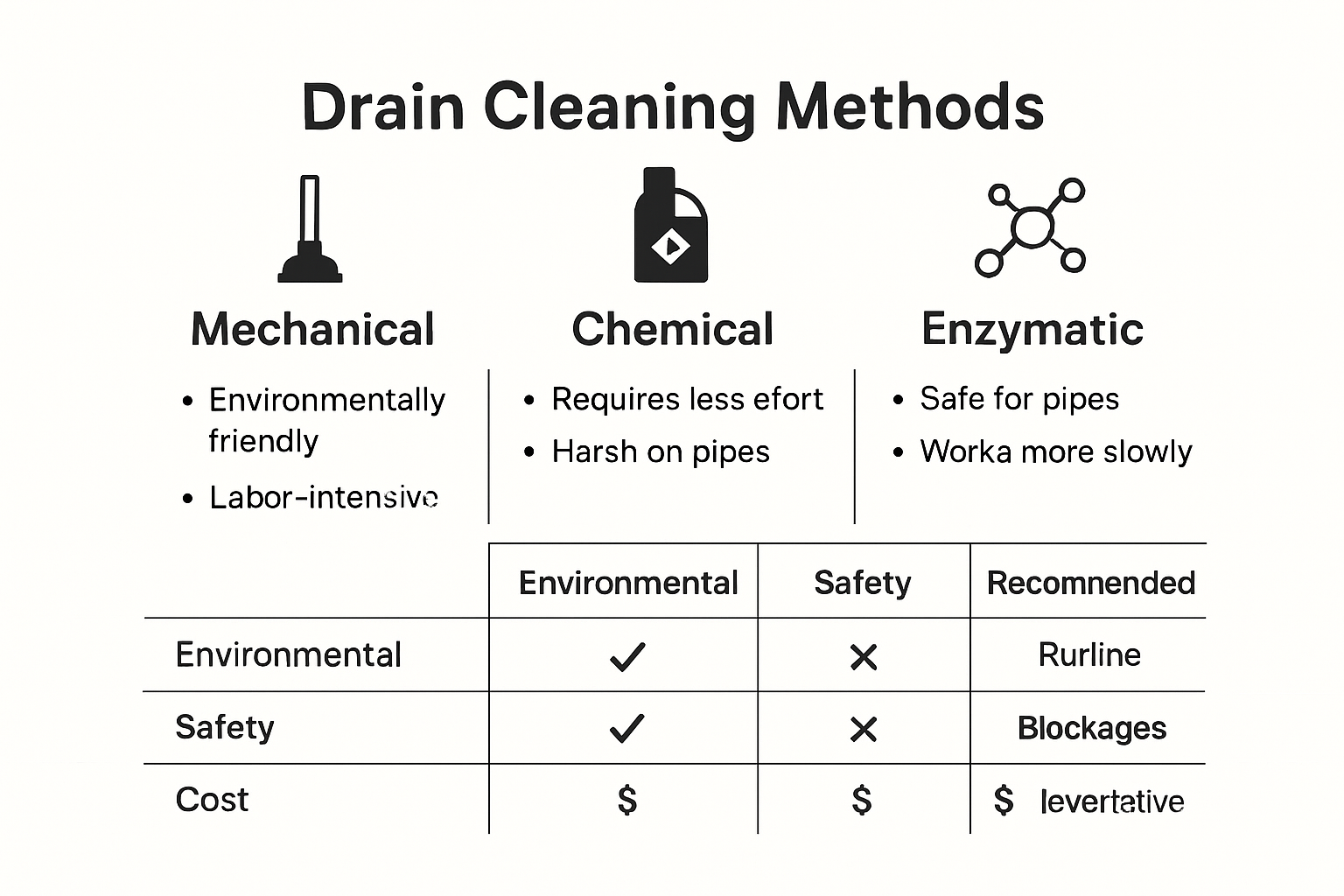
- Mechanical Methods: Physical tools like plungers, drain snakes, and augers that mechanically dislodge blockages
- Chemical Solutions: Liquid or powder cleaners that break down organic matter and clear pipe obstructions
- Enzymatic Treatments: Biological solutions using beneficial bacteria to gradually dissolve organic buildup
The critical considerations for choosing drain cleaning methods include understanding your specific plumbing configuration, the severity of blockage, and potential long-term impacts on pipe integrity.
Environmental and Health Considerations
While effective drain cleaning is necessary, homeowners must balance effectiveness with environmental responsibility. The David Suzuki Foundation emphasizes the importance of selecting eco-friendly methods that minimize chemical exposure and potential ecological damage. Professional plumbers recommend alternating between mechanical and enzymatic methods to maintain drain health while reducing environmental strain.
Common Types of Drain Cleaning Methods and Their Applications
Drain cleaning methods represent a critical aspect of home maintenance, each designed to address specific plumbing challenges and preserve the integrity of your home’s wastewater systems. Understanding these methods helps homeowners make informed decisions about maintaining their drainage infrastructure.
To help homeowners compare the most common drain cleaning methods and understand their primary uses, benefits, and potential drawbacks, see the table below.
| Method | Description | Best For | Pros | Cons |
|---|---|---|---|---|
| Plunger | Uses suction to dislodge minor clogs | Sinks, toilets | Simple, no chemicals needed | Limited to minor clogs |
| Drain Snake | Flexible cable reaches deeper blockages | Tubs, drains | Reaches further, reusable | Requires effort/technique |
| Auger | Mechanical tool for severe or stubborn clogs | Tough blockages | Effective for major issues | May risk pipe damage |
| Chemical Cleaner | Dissolves organic matter with harsh chemicals | Organic clogs | Fast acting | Harmful to pipes, toxic fumes |
| Enzymatic Treatment | Uses bacteria/enzymes to break down buildup | Organic, routine use | Eco-friendly, safe for pipes | Works slowly |
| Hydro Jetting (pro) | Professional, high-pressure water stream | Tough, recurring | Thorough, cleans pipe wall | Professional cost, strong force |
Mechanical Drain Cleaning Techniques
Mechanical drain cleaning methods involve physical tools that directly interact with pipe blockages. These techniques include plungers, drain snakes, and augers, which physically dislodge and remove obstructions. Explore our comprehensive guide on drain cleaning tools to understand their specific applications.
Key mechanical methods include:
- Plungers: Ideal for minor clogs in toilets, sinks, and shower drains
- Drain Snakes: Effective for deeper blockages and more complex pipe obstructions
- Augers: Professional-grade tools for significant pipe blockages and intricate plumbing systems
Chemical and Enzymatic Cleaning Solutions
Chemical and enzymatic solutions offer alternative approaches to drain maintenance. According to Consumer Reports, these methods break down organic matter through different mechanisms.
Chemical cleaners typically contain powerful compounds that quickly dissolve hair, grease, and other organic materials. Enzymatic treatments, conversely, use beneficial bacteria to gradually and safely break down pipe buildup. Homeowners should carefully consider the potential environmental and pipe material impacts when selecting these methods.
Professional Drain Cleaning Approaches
Professional plumbers employ advanced techniques that extend beyond standard homeowner methods. Hydro jetting, for instance, uses high-pressure water streams to thoroughly clean pipe interiors, removing years of accumulated debris. Video pipe inspection technologies allow technicians to precisely diagnose and target specific drainage issues, ensuring comprehensive and minimally invasive solutions.
The Science Behind Drain Clogs and How Cleaning Methods Work
Drain clogs are complex phenomena resulting from intricate interactions between organic materials, water flow dynamics, and pipe infrastructure. Understanding the scientific principles underlying blockage formation helps homeowners implement more effective cleaning strategies.
Composition and Formation of Drain Blockages
Drain clogs develop through multiple mechanisms involving physical and chemical interactions. Organic materials like hair, grease, soap residue, and microscopic debris gradually accumulate and create complex blockage structures. Learn more about advanced drain diagnostics to understand these intricate processes.
Key factors contributing to clog formation include:
- Molecular Adhesion: Organic particles stick to pipe walls, creating initial buildup zones
- Biofilm Development: Bacteria create protective layers that trap additional debris
- Mineral Accumulation: Hard water deposits contribute to narrowing pipe interiors
Mechanism of Cleaning Methods
According to research published by the National Institutes of Health, drain cleaning methods operate through different scientific principles. Mechanical techniques physically disrupt blockage structures, while chemical solutions break molecular bonds that hold debris together.
Enzymatic treatments introduce beneficial microorganisms that gradually dissolve organic materials through biological decomposition processes. These methods target the underlying chemical composition of clogs, offering a more sustainable approach to drain maintenance.
Pipe Material and Cleaning Interactions
The effectiveness of drain cleaning methods depends significantly on pipe material composition. Different substances like PVC, copper, and galvanized steel react uniquely to mechanical and chemical interventions. Professional plumbers understand these nuanced interactions, selecting cleaning approaches that preserve pipe integrity while effectively removing blockages.
Understanding how pipe material impacts the effectiveness and safety of various cleaning methods can prevent accidental damage. Reference the table below for a summary of common pipe materials and their compatibility with drain cleaning approaches.
| Pipe Material | Mechanical Methods | Chemical Cleaners | Enzymatic Treatments | Notes |
|---|---|---|---|---|
| PVC (Plastic) | Safe if gentle | May cause degradation | Safe | Avoid harsh chemicals, use mild methods |
| Copper | Safe | Can corrode | Safe | Chemicals may cause corrosion |
| Galvanized Steel | May scratch/corrode | Can accelerate rusting | Safe | Older pipes fragile |
| Cast Iron | Generally safe | May cause rusting | Safe | Prefer mechanical or enzymatic cleaning |
Understanding these scientific principles empowers homeowners to make informed decisions about drain maintenance, balancing immediate clog removal with long-term plumbing system health.
Factors to Consider When Choosing a Drain Cleaning Method
Selecting an appropriate drain cleaning method requires careful evaluation of multiple interconnected factors. Homeowners must balance effectiveness, safety, environmental impact, and long-term plumbing system health when addressing drainage issues.
Pipe Material and System Complexity
The composition of your home’s plumbing infrastructure significantly influences drain cleaning strategy. Different pipe materials react uniquely to mechanical and chemical interventions. Explore our comprehensive drain maintenance guide to understand these nuanced interactions.
Key considerations include:
- Pipe Composition: PVC, copper, and galvanized steel respond differently to cleaning methods
- Age of Plumbing: Older systems may require gentler approaches
- Pipe Diameter: Narrow or complex pipe configurations limit cleaning technique options
Environmental and Health Implications
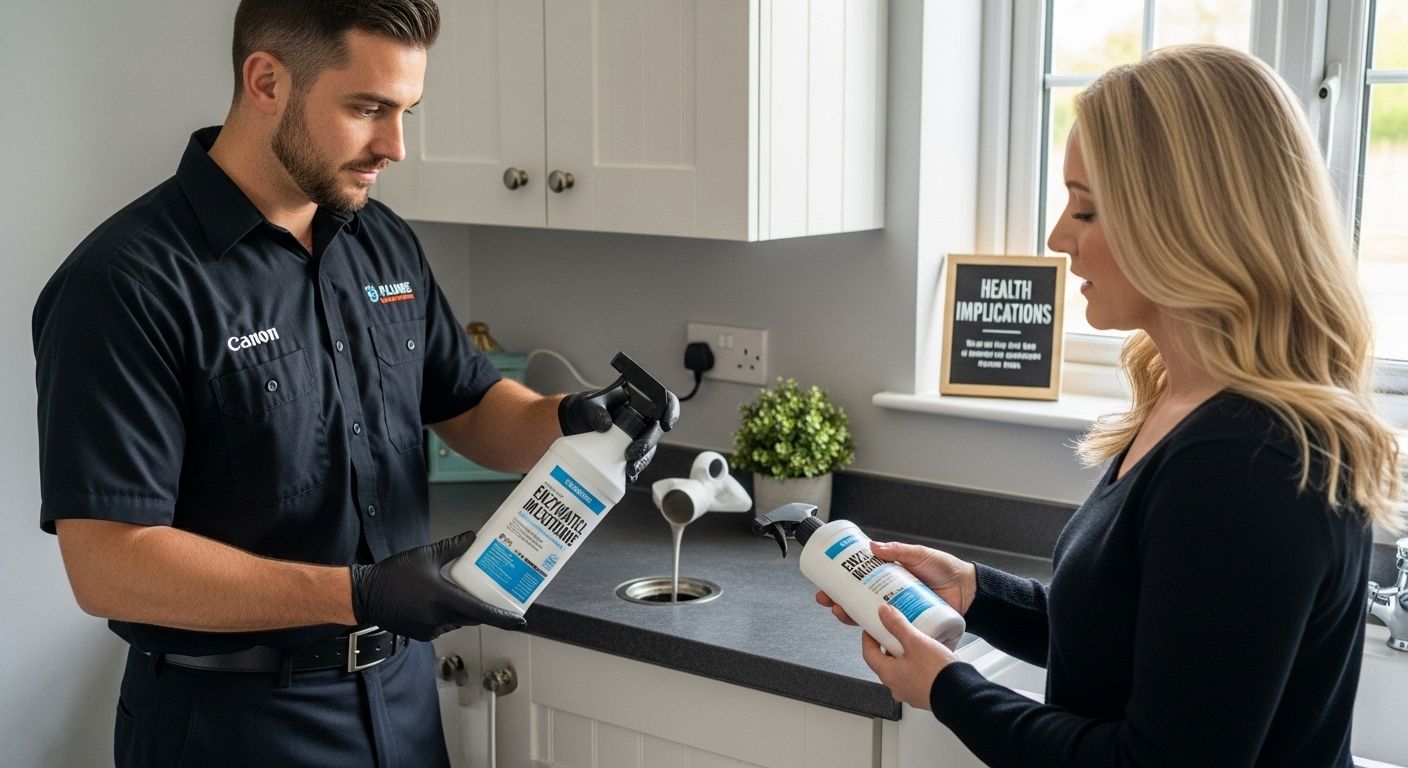
According to Consumer Reports, drain cleaning methods vary significantly in their environmental and health impacts. Chemical drain cleaners often contain harsh compounds that can damage pipes and pose risks to household health.
Homeowners should evaluate:
- Chemical Composition: Potential toxicity and ecological consequences
- Long-term Pipe Preservation: Methods that minimize structural damage
- Personal and Environmental Safety: Reducing exposure to harmful substances
Blockage Characteristics and Cleaning Effectiveness
The nature of the drain blockage determines the most suitable cleaning approach. Organic buildup, mineral deposits, and foreign objects require different remediation strategies. Professional plumbers assess blockage complexity to recommend the most appropriate intervention.
Effective drain cleaning balances immediate obstruction removal with sustainable maintenance practices, protecting your home’s critical wastewater infrastructure.
The Impact of Proper Drain Cleaning on Home Maintenance
Proper drain cleaning transcends simple blockage removal, representing a critical component of comprehensive home maintenance. Regular and strategic drain care prevents potentially catastrophic plumbing failures and protects your property’s overall structural integrity.
Preventing Structural Water Damage
Neglected drainage systems can lead to significant structural complications. Water accumulation from blocked pipes creates moisture environments that compromise building foundations, walls, and critical infrastructure. Learn more about comprehensive drain maintenance strategies to understand potential risks and prevention techniques.
Key structural risks include:
- Foundation Erosion: Persistent moisture weakens concrete and soil stability
- Wall Deterioration: Water seepage causes paint damage, mold growth, and structural weakening
- Wood Rot: Continuous moisture accelerates wood decomposition in framing and supporting structures
Health and Sanitation Implications
According to research published by the National Center for Biotechnology Information, inadequate drainage maintenance directly correlates with increased health risks. Stagnant water and organic buildup create breeding grounds for harmful bacteria, potentially causing serious health complications for residents.
Critical health considerations include:
- Bacterial Proliferation: Standing water supports dangerous microorganism growth
- Mold Development: Moisture enables rapid mold spore reproduction
- Pathogen Transmission: Contaminated drainage systems can spread infectious agents
Long-Term Financial Protection
Proactive drain maintenance represents a strategic financial investment. Regular cleaning prevents expensive emergency repairs, reduces the likelihood of catastrophic plumbing failures, and extends the operational lifespan of your home’s entire water infrastructure.
By implementing consistent drain care practices, homeowners transform potential costly disasters into manageable, predictable maintenance routines, safeguarding both their property and financial well-being.
Protect Your Home with Expert Drain Cleaning Solutions
Dealing with stubborn clogs and worrying about hidden pipe problems can leave any homeowner feeling overwhelmed. This article explains how using the right drain cleaning methods—whether mechanical, chemical, or enzymatic—is critical for keeping your plumbing healthy and your home safe from water damage, costly repairs, and growing health risks. These issues often start small and progress quickly, underscoring how essential it is to take action before a minor inconvenience becomes a major disaster. If you are unsure which approach is safest for your pipes, or if recurring blockages are starting to cause frustration, Legacy Plumbing & Drain Inc is here to help.
Take the first step toward hassle-free drains today. Our skilled technicians at Legacy Plumbing & Drain Inc bring knowledge and advanced tools to solve any drainage challenge—no matter the time of day. You can also explore our homeowner’s guide to drain cleaning for further insights. Do not wait for clogs to turn into emergencies. Visit Legacy Plumbing & Drain Inc now and book your reliable, local drain cleaning service so you can enjoy peace of mind knowing your plumbing is protected.
Frequently Asked Questions
What are the most common drain cleaning methods for homeowners?
The most common drain cleaning methods for homeowners include mechanical methods like plungers and drain snakes, chemical solutions that dissolve obstructions, and enzymatic treatments that use beneficial bacteria to break down organic matter.
How do I choose the right drain cleaning method?
Choosing the right drain cleaning method depends on factors such as your specific plumbing configuration, the severity and type of blockage, and the material of your pipes. Mechanical methods are typically effective for minor clogs, while chemical and enzymatic solutions may be better for stubborn buildups.
Are chemical drain cleaners safe for my plumbing system?
Chemical drain cleaners can be effective but may also pose risks to your plumbing system, especially older pipes. Harsh chemicals can damage certain materials, making it essential to consider eco-friendly options or consult a professional plumber for safe alternatives.
How often should I perform drain cleaning in my home?
Regular drain cleaning should be part of your home maintenance routine. It is advisable to inspect and clean drains at least once a year or as needed based on your home’s usage patterns, especially in kitchens and bathrooms where clogs are more common.
Recommended
- What Is Drain Cleaning? Homeowners’ Guide For 2025 – Legacy Plumbing & Drain – Emergency Plumbers Of Sacramento
- What Is Drain Cleaning? Homeowners’ Guide For 2025 – Legacy Plumbing & Drain – Emergency Plumbers Of Sacramento
- Drain Cleaning Vs. Drain Clearing: Which Do You Need?
- How Drains Work: Guide For Sacramento Area Homeowners 2025 – Legacy Plumbing & Drain – Emergency Plumbers Of Sacramento