
Plumbing floods can turn a peaceful home upside down overnight and cause repairs that average over $10,000 per incident. Most people assume water damage only strikes old houses with obvious signs of trouble, but the reality is even a tiny overlooked leak can unleash chaos in a modern home. With some simple steps that take just minutes a month, anyone can slash their flood risk before disaster ever strikes.
Table of Contents
- Step 1: Inspect Your Plumbing System Regularly
- Step 2: Clean and Maintain Drains and Gutters
- Step 3: Install Flood Sensors and Alarms
- Step 4: Upgrade Plumbing Fixtures and Pipes
- Step 5: Create a Plumbing Emergency Response Plan
Quick Summary
| Key Point | Explanation |
|---|---|
| 1. Inspect Your Plumbing Regularly | Conduct semi-annual inspections to catch early signs of leaks or damage before they escalate. |
| 2. Clean and Maintain Drains and Gutters | Regularly clear debris from drains and gutters to prevent blockages that can lead to flooding. |
| 3. Install Flood Sensors and Alarms | Use smart flood sensors that alert you to moisture accumulation for early detection of water issues. |
| 4. Upgrade Plumbing Fixtures and Pipes | Replace old pipes with modern materials to enhance durability and reduce leak risks in your plumbing. |
| 5. Create a Plumbing Emergency Response Plan | Have a clear action plan and contact list ready to manage plumbing emergencies quickly and effectively. |
Step 1: Inspect Your Plumbing System Regularly
Preventing plumbing floods starts with a proactive approach to system inspection. By systematically examining your home’s plumbing infrastructure, you can identify potential weaknesses before they escalate into costly water damage scenarios. Most homeowners underestimate the power of routine checks, but these periodic assessments are your first line of defense against unexpected water disasters.
A comprehensive plumbing inspection involves carefully examining all visible pipes, connections, and potential problem areas throughout your home. Begin with accessible areas like under sinks, around toilets, near water heaters, and in basement or crawl spaces. Look for telltale signs of potential issues such as minor moisture spots, rust formations, subtle discoloration on pipes, or hairline cracks that could indicate developing structural weaknesses.
Carry a reliable flashlight and wear comfortable clothing that allows you to move and inspect tight spaces. Check pipe joints and connection points carefully, noting any signs of corrosion or minor leakage. Pay special attention to areas where pipes bend or connect, as these are typically the most vulnerable points in your plumbing system. Use your fingertips to feel for slight dampness or temperature variations that might signal hidden moisture problems.
Our comprehensive homeowner plumbing checklist can provide additional guidance for thorough inspections. When examining pipes, look for these critical warning signs:
- Greenish or white mineral buildup around pipe connections
- Subtle water stains on walls or ceilings
- Unexplained musty odors near plumbing fixtures
- Hairline cracks or slight deformations in pipe surfaces
According to the Centers for Disease Control and Prevention, regular system maintenance is crucial for preventing potential water damage. Professionals recommend conducting these detailed inspections at least twice annually seasonal changes and before periods of potential high water usage. If you discover any concerning signs during your inspection, document them with photographs and consider consulting a professional plumber for a more comprehensive evaluation. The goal is early detection and prevention, transforming potential plumbing emergencies into manageable maintenance tasks.
Use this troubleshooting table to quickly identify common plumbing warning signs, their possible causes, and the recommended actions based on the article’s inspection guidance.
| Warning Sign | Possible Cause | Recommended Action |
|---|---|---|
| Greenish or white mineral buildup | Pipe joint leaks or slow drips | Tighten connections or consult a plumber |
| Subtle water stains on walls/ceilings | Hidden leaks or water migration | Inspect area, document, call a professional |
| Musty odors near fixtures | Moisture accumulation or slow leaks | Investigate source, improve ventilation, check for leaks |
| Hairline cracks or pipe deformations | Material aging or stress | Photograph and monitor, schedule professional evaluation |
| Rust formations on pipes | Corrosion due to water exposure | Inspect for leaks, consider pipe replacement |
Step 2: Clean and Maintain Drains and Gutters
Effective preventing plumbing floods requires strategic attention to your home’s drainage systems. Drains and gutters function as critical water management infrastructure, channeling moisture away from your property and preventing potential water damage. Neglecting these systems can transform minor blockages into significant flooding risks that compromise your home’s structural integrity.
Start by thoroughly examining all exterior and interior drainage points. Exterior gutters demand careful inspection, removing accumulated debris like leaves, twigs, and sediment that can obstruct water flow. Use a sturdy ladder and wear protective gloves while clearing these channels. For hard-to-reach areas, consider extendable gutter cleaning tools that allow safe removal of blockages without climbing. Prioritize clearing downspouts, ensuring water can flow freely and be directed away from your home’s foundation.
Interior drain maintenance requires equal diligence. Kitchen and bathroom sink drains frequently accumulate grease, hair, and organic materials that restrict water movement. Implement a proactive cleaning routine using gentle enzymatic drain cleaners that break down organic matter without damaging pipe infrastructure. Avoid harsh chemical solutions that can corrode pipes and create long-term plumbing vulnerabilities. Learn more about professional drain cleaning techniques to supplement your maintenance efforts.
According to the University of Florida IFAS Extension, routine drainage system maintenance is crucial for preventing water-related home damage. Implement these verification steps to confirm effective drain and gutter maintenance:
- Water flows smoothly without pooling or backing up
- No visible debris or blockages in gutters and downspouts
- Drainage channels appear clean and unobstructed
- No signs of water staining or moisture near drain exits
Consistent maintenance transforms potential plumbing flood risks into manageable home care tasks.
Below is a checklist to help you verify whether your home drainage and gutter systems are properly maintained and functioning to prevent water damage.
| Maintenance Area | What to Check | Signs of Success | Next Steps If Issues Found |
|---|---|---|---|
| Exterior Gutters | Clear of debris (leaves, twigs, sediment) | Water flows freely | Remove blockages and clean channels |
| Downspouts | Unobstructed exit points | Water is directed away from foundation | Adjust or clear downspout extension |
| Kitchen/Bathroom Drains | No slowing or backing up | Smooth drainage without pooling | Use enzymatic cleaner, remove clogs |
| Drainage Channels | Clean and unobstructed | No visible debris | Clean and re-inspect |
| Drain Exits | No signs of moisture or staining | Area remains dry after water flow | Investigate for leaks or call a pro |
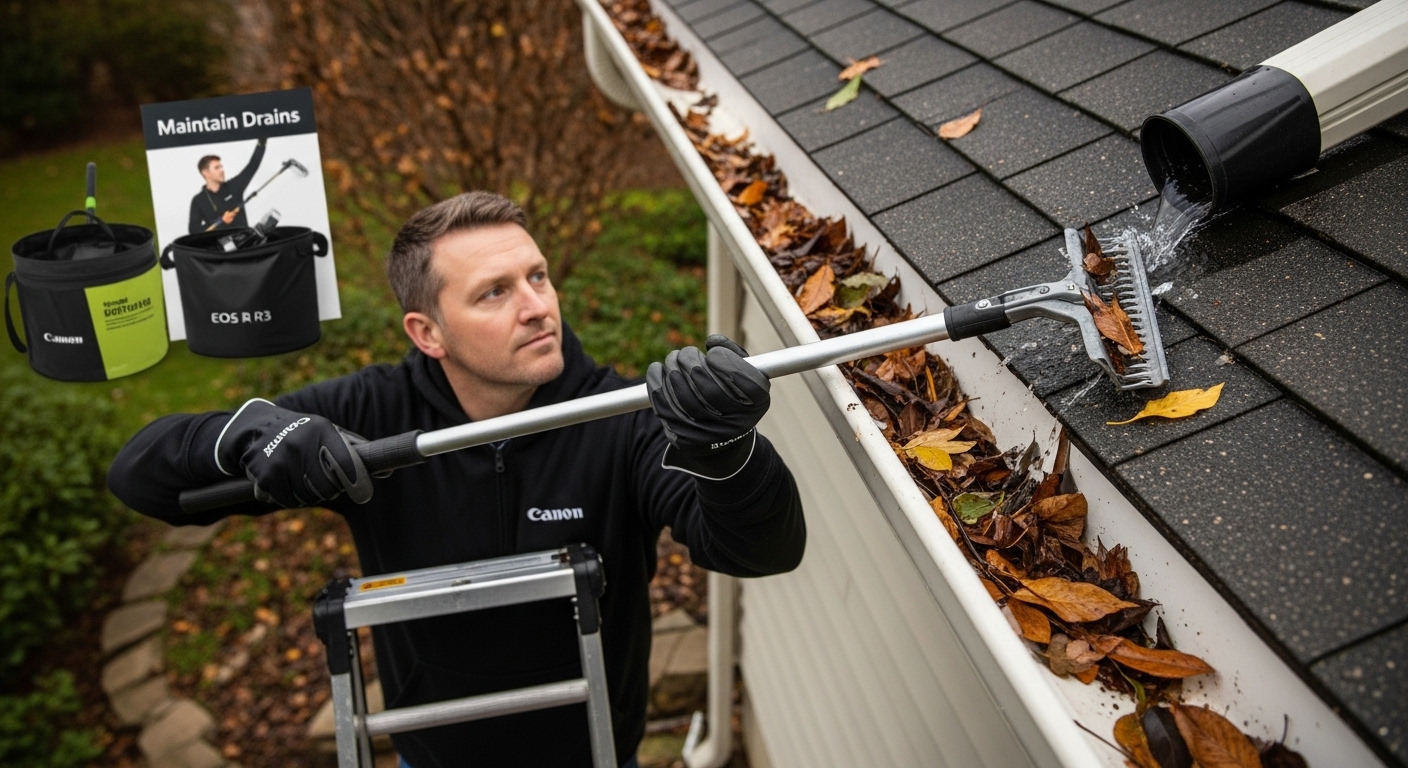 By dedicating time to systematic drain and gutter cleaning, homeowners can significantly reduce unexpected water damage threats and protect their property’s structural integrity.
Step 3: Install Flood Sensors and Alarms
Preventing plumbing floods demands more than visual inspection and maintenance. Modern technology offers homeowners sophisticated early warning systems that can detect potential water damage before it becomes catastrophic. Flood sensors and alarms serve as your home’s proactive defense mechanism, providing real-time alerts about moisture accumulation and potential water intrusion risks.
Begin by strategically mapping out critical areas prone to water damage in your home. These typically include locations near water heaters, under sinks, around washing machine connections, in basement corners, and adjacent to primary plumbing fixtures. Smart flood sensors come in various configurations, from battery-powered wireless units to hardwired systems that integrate with existing home security networks. Select sensors with multiple detection capabilities such as moisture sensing, temperature monitoring, and smartphone notifications to maximize your protection strategy.
When installing these devices, positioning is crucial.
Ensure sensors are placed at low points where water might first accumulate, typically within 1-2 inches of the floor surface. Some advanced models offer daisy-chaining capabilities, allowing multiple units to communicate and provide comprehensive coverage across different home zones. Consider units with audible alarms in addition to digital notifications, creating redundant alert systems that increase the likelihood of catching potential issues quickly. Explore professional installation options for comprehensive home flood protection to complement your DIY efforts.
According to the EPA’s WaterSense program, advanced monitoring systems can significantly reduce water damage risks. Verify your flood sensor installation effectiveness by checking these critical parameters:
- Sensors respond immediately when moisture is detected
- Smartphone notifications are functioning correctly
- Alarm sounds are loud and distinct
- Battery levels in wireless units are consistently monitored
- Each sensor covers its designated zone without blind spots
Think of flood sensors as your home’s early warning sentinels. By investing in these technological guardians, you transform potential water damage scenarios from inevitable disasters into manageable, quickly addressed maintenance challenges. Regular testing and battery replacement ensure these critical devices remain vigilant protectors of your home’s structural integrity.
Step 4: Upgrade Plumbing Fixtures and Pipes
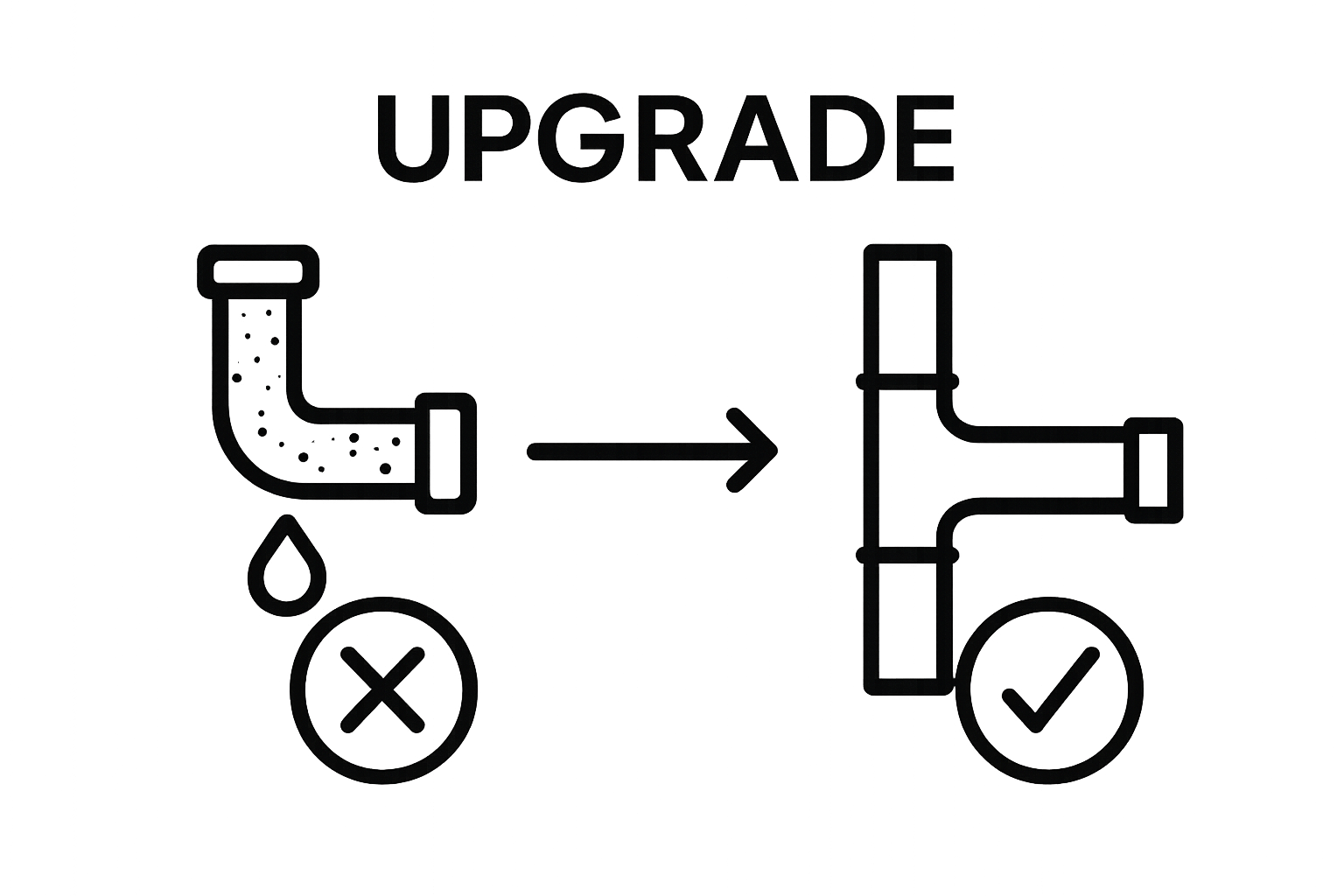
Preventing plumbing floods requires strategic investments in your home’s infrastructure, with fixture and pipe upgrades serving as critical protective measures. Older plumbing systems become increasingly vulnerable to water damage as materials degrade, connections weaken, and technological standards evolve. Proactively modernizing your plumbing network transforms potential flood risks into manageable, controllable home maintenance challenges.
Start by conducting a comprehensive assessment of your existing plumbing infrastructure. Prioritize replacing older metal pipes with modern alternatives like cross-linked polyethylene (PEX) or high-quality copper piping that offer superior durability and corrosion resistance. Pay special attention to areas with historical moisture issues, such as basement connections, under-sink configurations, and exterior water entry points. Modern pipe materials feature enhanced flexibility and improved joint designs that significantly reduce potential leak points. Consider professional consultation to identify specific upgrade requirements tailored to your home’s unique architectural characteristics.
Beyond pipe replacement, focus on upgrading critical fixtures that serve as potential flood prevention points. Install modern backflow prevention valves in key drainage locations to block potential sewage or water backup scenarios. Toilet connections, washing machine inlets, and main water supply points represent prime candidates for these protective installations. Explore professional plumbing upgrade strategies to ensure comprehensive system protection and optimal performance.
According to the Governor’s Office of Homeland Security & Emergency Preparedness, strategic plumbing upgrades can dramatically reduce flood risks. Verify your plumbing upgrade effectiveness by examining these critical parameters:
- No visible corrosion or degradation in new pipe installations
- Secure, tight connections at all joint points
- Smooth water flow without unexpected pressure variations
- Consistent material quality across upgraded sections
- No signs of moisture or potential leak points
Think of plumbing upgrades as an investment in your home’s long-term structural integrity. By systematically modernizing your water management infrastructure, you create a robust defense against potential water damage, transforming reactive maintenance into proactive protection.
Step 5: Create a Plumbing Emergency Response Plan
A comprehensive plumbing emergency response plan transforms potential disasters into manageable situations, providing homeowners with a strategic blueprint for handling unexpected water-related challenges. Your plan serves as a critical roadmap, guiding your actions during high-stress moments when quick decisions can prevent extensive property damage and minimize financial losses.
Begin by creating a centralized emergency information hub within your home. Select a visible, easily accessible location to store critical documents and contact information. Include detailed diagrams of your home’s primary water shut-off valves, including precise locations for main water lines, individual fixture connections, and outdoor water entry points. Document the specific steps required to safely and quickly halt water flow during different scenarios. Consider laminating these instructions or storing them in a waterproof container to ensure readability during potential emergencies.
Establish a comprehensive communication and resource network that extends beyond your immediate household. Explore our detailed emergency plumbing checklist to help streamline your preparedness strategy. Compile a list of trusted emergency contacts, including local plumbing professionals, insurance representatives, and nearby family members who can provide immediate assistance. Store multiple copies of this information digitally and physically, ensuring accessibility even during power outages or when mobile devices are unavailable.
According to Ready.gov, developing a robust emergency response plan requires systematic preparation. Verify the effectiveness of your plumbing emergency plan by confirming these critical components:
- All household members understand the emergency protocol
- Water shut-off valve locations are clearly marked and accessible
- Emergency contact list is current and comprehensive
- Digital and physical copies of the plan are stored securely
- Basic emergency tools are readily available near water shut-off points
Think of your emergency response plan as a living document that evolves with your home’s infrastructure. Regularly review and update the plan, conducting annual drills to ensure every household member remains familiar with the critical steps. By transforming potential panic into calculated action, you create a powerful defense against unexpected plumbing emergencies.
Take the Next Step in Protecting Your Home from Plumbing Floods
You have learned how regular inspections, drain cleaning, flood sensors, and timely fixture upgrades are essential steps to prevent costly water damage. Even with the best efforts, it only takes one small leak or backup to cause major headaches. At Legacy Plumbing & Drain Inc, we understand the emotional stress and financial impact that plumbing floods can bring. Our expert team is here to turn your maintenance efforts into real peace of mind, every day of the year.
Do not wait for moisture spots or a hidden leak to become an emergency. Connect with our 24/7 specialists for prompt help or proactive improvements. Let our trusted team reinforce your home’s first line of defense with our reliable plumbing, drain, and supply solutions. See how we can help by starting at Legacy Plumbing & Drain Inc today. If you are facing an urgent plumbing issue, visit our emergency plumbing checklist for immediate guidance. Explore our tips on homeowner plumbing inspections to keep your property safe. Act now to secure lasting protection and comfort for your home.
Frequently Asked Questions
What are the signs that my plumbing system needs inspection?
Regular inspections are vital for preventing plumbing floods. Look for signs such as minor moisture spots, rust formations, discoloration on pipes, hairline cracks, or unusual odors near plumbing fixtures.
How can I maintain my drains and gutters to prevent flooding?
Thoroughly clean your drains and gutters by removing debris like leaves and sediment. For interior drains, use gentle enzymatic cleaners to break down grease and organic material without damaging pipes.
What features should I look for in flood sensors and alarms?
Choose flood sensors with moisture sensing, temperature monitoring, and smartphone notifications. Ensure they are installed at low points for effective detection and have audible alarms for immediate alerts.
Why is upgrading plumbing fixtures important for flood prevention?
Upgrading plumbing fixtures and pipes enhances durability and corrosion resistance, significantly reducing the risk of leaks and flooding. Consider replacing older metal pipes with modern materials like PEX or high-quality copper for better performance.