Plumbing troubles can sneak up on any homeowner and sometimes the words plumbers use feel like their own secret language. You might expect that knowing a handful of terms is enough. But studies show that homeowners who understand basic plumbing language can save hundreds of dollars on repairs and avoid common emergencies. If you want fewer surprises and smarter decisions about your home, a quick look at these essential terms could be the smartest move you make all year.
Table of Contents
- Must-Know Plumbing Terms For Sacramento Area Homeowners
- Understanding Plumbing Parts And Fixtures In Your Home
- Emergency Plumbing Terms Every Homeowner Should Know
- How Knowing Plumbing Terms Helps You Find The Right Plumber
Quick Summary
| Takeaway | Explanation |
|---|---|
| Understand basic plumbing terms | Familiarity with terminology enhances communication with professionals and aids in home maintenance decisions. |
| Know emergency plumbing vocabulary | Recognizing terms like “main water valve” can help you act quickly during plumbing crises, minimizing damage. |
| Identify plumbing component roles | Knowing parts like “P-Trap” and “water meter” empowers informed choices for repairs and upgrades. |
| Research plumber credentials | Understanding certifications ensures you hire qualified professionals for your plumbing needs and projects. |
| Clarify pricing and service terms | Familiarity with terms like “flat rate” helps you navigate estimates and service options effectively. |
Must-Know Plumbing Terms for Sacramento Area Homeowners
Understanding plumbing terms is crucial for homeowners who want to communicate effectively with professionals and handle minor household issues confidently. Dive into our comprehensive plumbing basics guide to become more knowledgeable about your home’s vital water systems.
Core Plumbing Fixture Terminology
Plumbing fixtures are the backbone of any home water system. According to Wikipedia’s comprehensive plumbing overview, these are exchangeable devices connected to plumbing systems that deliver and drain water. Homeowners should familiarize themselves with key terms like:
- Trap: A curved section of pipe designed to retain a small amount of water. This water creates a seal that prevents sewer gases from entering living spaces.
- Valve: A device that controls water flow through pipes. Common types include shut-off valves, which allow you to stop water supply to specific fixtures or entire home sections.
- Gasket: A rubber or fiber seal used to prevent leaks between pipe connections or fixtures.
Understanding Pipe and Connection Terminology
Knowing pipe-related terms can help homeowners diagnose potential issues more accurately. The USDA Farmers’ Bulletin highlights the importance of understanding basic plumbing components for effective home maintenance. Critical terms include:
- Elbow: A pipe fitting that allows for 90-degree or 45-degree changes in pipe direction.
- Fitting: Components used to connect pipes, change their direction, or control water flow.
- Pipe Threads: The spiral grooves cut into pipe ends that allow secure connections between pipes and fixtures.
Advanced Plumbing System Terminology
For homeowners looking to deepen their plumbing knowledge, understanding more complex terms can be invaluable. Technical terms like “backflow prevention,” “water hammer,” and “manifold system” might seem intimidating, but they represent critical aspects of home water infrastructure.
A backflow preventer stops contaminated water from flowing back into clean water supplies. Water hammer refers to the loud banging noise in pipes caused by sudden water pressure changes. A manifold system is a centralized pipe distribution method that efficiently routes water to various home fixtures.
By learning these plumbing terms, Sacramento area homeowners can communicate more effectively with professionals, potentially saving time and money during repairs or installations. Remember, while understanding these terms is helpful, always consult professional plumbers for complex issues or installations.
Understanding Plumbing Parts and Fixtures in Your Home
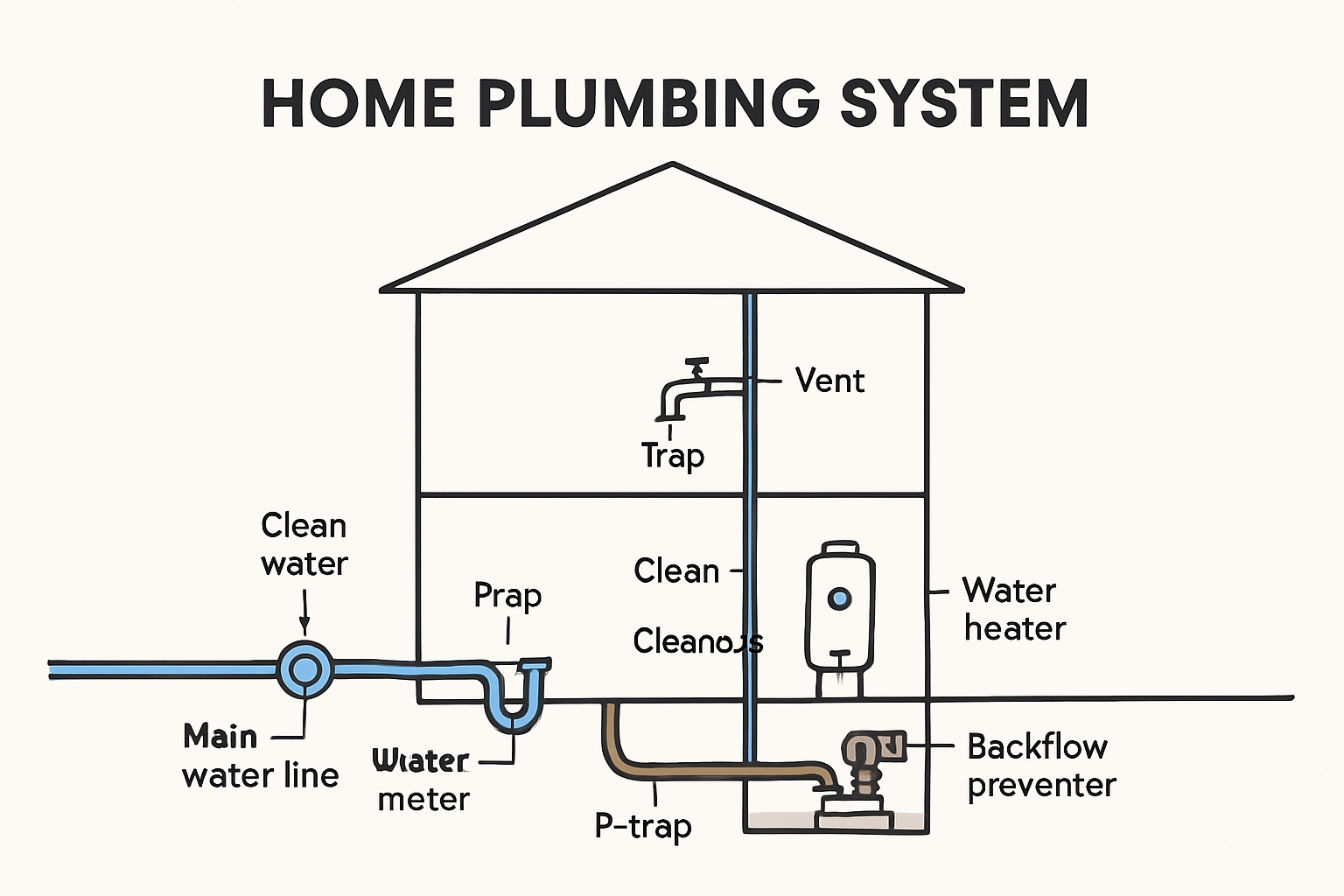
Your home’s plumbing system is a complex network of interconnected parts and fixtures that work together to deliver clean water and remove waste efficiently. Learn more about home plumbing system essentials to better understand how these critical components function.
Primary Water Supply Components
The water supply system in your home consists of several key components that ensure consistent water delivery. According to Wikipedia’s detailed plumbing overview, these critical parts include:
- Main Water Line: The primary pipe that connects your home to the municipal water supply. This large diameter pipe brings fresh water into your residence.
- Water Meter: A device that measures the volume of water entering your home, typically located near the street or property boundary.
- Pressure Regulator: A valve that controls and stabilizes water pressure entering your home, preventing potential damage to pipes and appliances.
Essential Drainage and Waste Removal Fixtures
Drainage systems are equally crucial in maintaining a functional home environment. The USDA Farmers’ Bulletin highlights the importance of understanding waste removal infrastructure, which includes several key components:
- P-Trap: A curved pipe section beneath sinks and toilets that holds water to create a seal preventing sewer gases from entering living spaces.
- Vent Stack: A vertical pipe that allows air to enter the plumbing system, helping wastewater flow smoothly and preventing vacuum effects.
- Cleanout: An access point in the drainage system that allows plumbers to clear blockages and inspect pipe conditions.
Specialized Plumbing Fixtures and Their Functions
Modern homes feature a variety of specialized plumbing fixtures designed to enhance comfort and functionality. Each fixture serves a specific purpose in water delivery or waste management:
- Water Heater: A critical appliance that heats and stores hot water for household use, available in tank and tankless configurations.
- Sump Pump: A device installed in basement areas to remove accumulated water and prevent flooding, particularly important in regions with high water tables.
- Backflow Preventer: A crucial safety device that stops contaminated water from flowing back into the clean water supply, protecting household water quality.
Understanding these plumbing parts and fixtures empowers homeowners to make informed decisions about maintenance, repairs, and potential upgrades. While knowledge is valuable, complex plumbing issues should always be addressed by professional technicians who can accurately diagnose and resolve potential problems.
By familiarizing yourself with these components, you can communicate more effectively with plumbing professionals and potentially identify issues before they become costly emergencies. Regular inspection and maintenance of these parts can help extend the life of your home’s plumbing system and prevent unexpected breakdowns.
To help homeowners quickly identify the main plumbing components in their homes, here is a summary table outlining each part with its function and typical location:
| Component | Purpose | Typical Location |
|---|---|---|
| Main Water Line | Connects home to municipal water supply and delivers fresh water | Underground, property boundary |
| Water Meter | Measures water usage entering the home | Near street/property boundary |
| Pressure Regulator | Controls/stabilizes incoming water pressure | After main shut-off, entry point |
| P-Trap | Blocks sewer gases by holding water | Under sinks, toilets, drains |
| Vent Stack | Allows air entry and prevents vacuum in pipes | Vertical pipe, through roof |
| Cleanout | Access point for clearing blockages in drainage system | Basement, crawlspace, exterior |
| Water Heater | Heats/stores household hot water | Utility room, basement, garage |
| Sump Pump | Removes accumulated water and prevents basement flooding | Basement sump pit |
| Backflow Preventer | Stops contaminated water from entering clean supply | Near main line, irrigation |
Emergency Plumbing Terms Every Homeowner Should Know
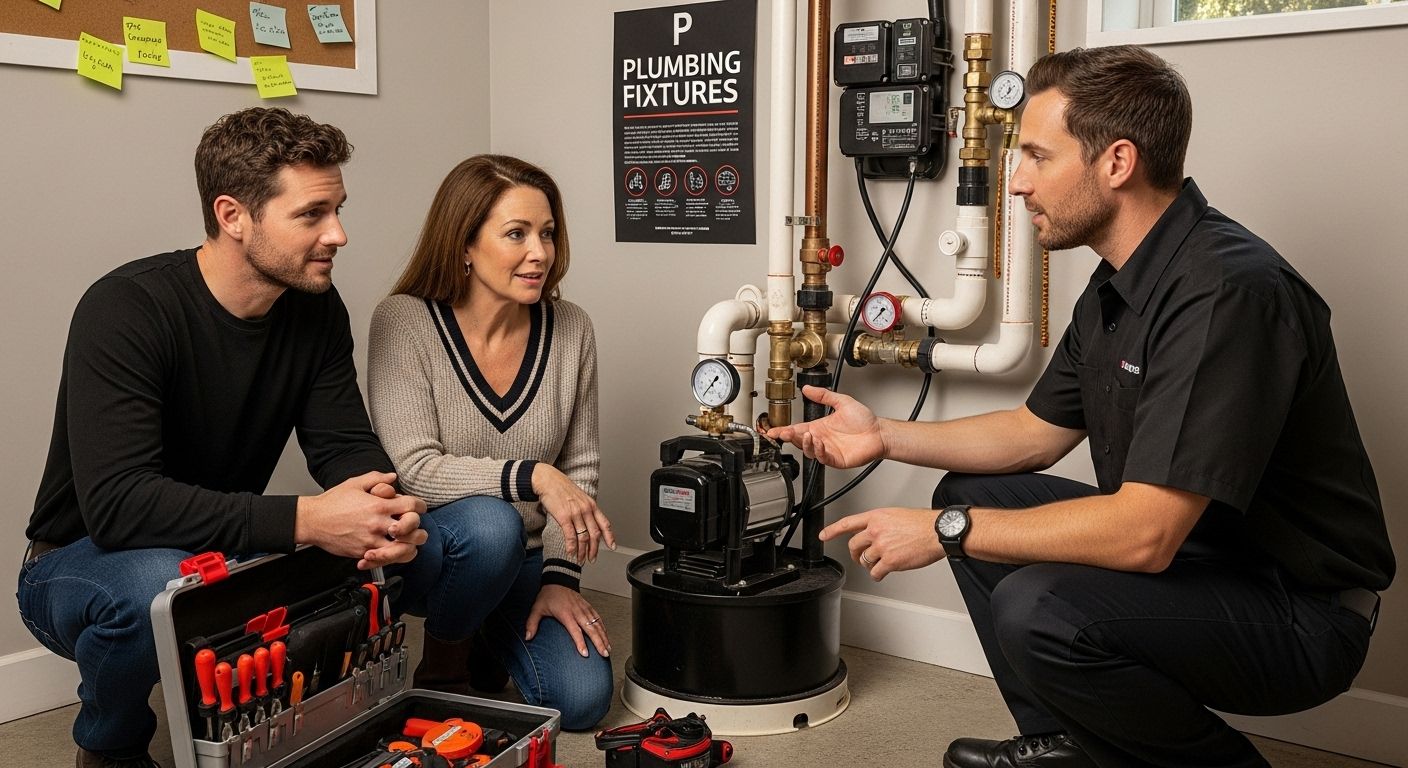
Knowing critical emergency plumbing terminology can mean the difference between a minor inconvenience and a catastrophic home disaster. Check out our comprehensive guide for homeowners to prepare for potential plumbing emergencies.
Critical Water Shut-Off and Control Terminology
In plumbing emergencies, understanding how to control water flow is paramount. According to the USDA Farmers’ Bulletin, immediate action can prevent extensive water damage. Key emergency terms include:
-
Main Water Valve: The primary control point for stopping water supply to your entire home. This valve is typically located near the water meter or where the main water line enters your property.
-
Fixture Shut-Off Valve: Individual valves located near specific plumbing fixtures like toilets, sinks, and water heaters that allow you to stop water flow to a single area without disrupting water supply to the entire house.
-
Water Meter Valve: An additional shut-off point often located near the street, which can be used to completely stop water entering your property in extreme emergencies.
Leak and Water Damage Emergency Terminology
Emergency plumbing resources emphasize the importance of understanding leak-related terminology. Critical terms for identifying and addressing water-related emergencies include:
- Water Hammer: A loud banging noise in pipes caused by sudden water pressure changes, which can indicate potential pipe stress or imminent failure.
- Pinhole Leak: An extremely small pipe leak that can cause significant damage over time if not detected and repaired quickly.
- Burst Pipe: A complete pipe rupture that requires immediate attention to prevent extensive water damage and potential structural issues.
Critical Structural and Safety Emergency Terms
Some plumbing emergencies extend beyond simple water flow issues and can pose significant safety risks. Understanding these terms can help homeowners respond appropriately:
- Backflow: A dangerous condition where contaminated water flows backward into clean water supplies, potentially causing serious health hazards.
- Sewer Backup: A severe situation where wastewater cannot properly drain and begins to flow back into the home, creating significant health and property damage risks.
- Hydrostatic Pressure: The force exerted by standing water that can cause foundation cracks, basement flooding, and structural damage.
While knowing these terms is crucial, homeowners should never attempt complex repairs without professional assistance. Mr. Rooter emphasizes the critical importance of knowing your main water shut-off valve location to minimize potential damage during emergencies.
Quick action and basic knowledge can significantly reduce the potential for extensive and costly water damage. However, always prioritize personal safety and contact professional emergency plumbers when facing complex plumbing situations. Preparation and understanding are your first lines of defense against potential home plumbing disasters.
Here is a summary table of emergency plumbing terms every homeowner should recognize, including their definitions and when to use or watch for them:
| Term | Definition | When/Why It Matters |
|---|---|---|
| Main Water Valve | Primary shut-off for entire home’s water supply | Use to stop water during major leaks |
| Fixture Shut-Off Valve | Local valve to stop water to individual fixture | Isolate leaks without cutting all water |
| Water Meter Valve | Additional shut-off near street/property line | Extreme emergencies or full isolation |
| Water Hammer | Loud pipe noise from sudden water pressure change | Signals potential pipe stress |
| Pinhole Leak | Tiny leak in pipe, often hard to detect | Can cause hidden water damage |
| Burst Pipe | Complete rupture of pipe, major water loss | Needs immediate shut-off and repair |
| Backflow | Contaminated water flows backward into clean supply | Serious health risk, requires action |
| Sewer Backup | Wastewater flows back into home | Major health/property damage risk |
| Hydrostatic Pressure | Standing water pressure that can damage foundation/basement | Causes structural issues, flooding |
How Knowing Plumbing Terms Helps You Find the Right Plumber
Navigating the world of professional plumbing services can be challenging, but understanding key terminology can significantly improve your ability to find and communicate with the right plumber. Discover the essential guide to selecting the best plumbing professional for your specific needs.
Professional Certification and Expertise Terminology
Recognizing professional credentials is crucial when selecting a plumber. Different certifications and specializations indicate varying levels of expertise and training. Key terms to understand include:
- Journeyman Plumber: A licensed professional who has completed apprenticeship training and passed required examinations, capable of performing most standard plumbing work.
- Master Plumber: A high-level certification representing advanced training, typically requiring several years of experience and the ability to design complex plumbing systems.
- Specialty Certifications: Additional qualifications in areas like commercial plumbing, residential systems, or specific technical specialties like backflow prevention.
Technical Communication and Service Terminology
Effective communication with plumbing professionals requires understanding specific technical terms that describe services and potential issues. Homeowner resources emphasize the importance of clear communication when discussing plumbing problems:
- Diagnostic Assessment: A comprehensive evaluation of your plumbing system to identify potential issues, including visual inspections and potential camera scope investigations.
- Scope of Work: A detailed document outlining the specific services, repairs, or installations a plumber will perform, including materials and estimated time.
- Preventative Maintenance: Proactive services designed to identify and address potential plumbing issues before they become major problems.
Estimating and Service Pricing Terminology
Understanding how plumbers structure their services and pricing can help you make more informed decisions. Key terms that impact service costs include:
- Flat Rate Pricing: A fixed price for a specific service, regardless of the time taken to complete the job.
- Hourly Rate: Pricing based on the actual time spent working on a plumbing project, typically including travel time and materials.
- Emergency Service Rate: Additional charges applied for after-hours, weekend, or urgent plumbing interventions.
Knowing these terms allows you to ask more informed questions, compare services more effectively, and understand the scope of work proposed by different plumbing professionals. Experts recommend being prepared with specific details about your plumbing issue to receive the most accurate assessment and quote.
While technical knowledge is valuable, remember that clear communication, trust, and the plumber’s proven track record are ultimately the most important factors in selecting the right professional for your home’s plumbing needs. Always verify licenses, read reviews, and don’t hesitate to ask questions about their experience and approach to solving your specific plumbing challenges.
Frequently Asked Questions
What are the most important plumbing terms homeowners should know?
Understanding essential plumbing terms like trap, valve, and gasket is crucial. These terms help homeowners communicate effectively with plumbers and handle minor plumbing issues.
Why is it important to know emergency plumbing terminology?
Knowing emergency plumbing terms such as main water valve, water hammer, and backflow can help homeowners respond quickly to plumbing crises, minimizing damage and ensuring safety.
What is the purpose of a P-Trap in plumbing?
A P-Trap is a curved pipe section that holds water to create a seal, preventing sewer gases from entering your home. It’s commonly located under sinks and toilets.
How can understanding plumbing terms save me money?
Familiarity with plumbing terminology allows homeowners to make informed decisions about repairs and maintenance, potentially avoiding costly mistakes or unneeded services.
Ready to Take Control of Your Home’s Plumbing?
Learning essential plumbing terms is empowering, especially when emergencies strike and you need to act fast. Many homeowners worry about miscommunication or costly mistakes when a leak, a burst pipe or a confusing valve threatens their home. If you find yourself unsure about terms like “main water valve,” “backflow preventer,” or “P-Trap,” you are not alone. Gaining a better grip on this terminology can prevent confusion and give you real confidence when it matters most.
Do not wait for surprises. Experience the comfort of knowing expert help is just a call away. Whether you need urgent repairs or want skilled professionals who listen and explain everything in easy-to-understand language, Legacy Plumbing & Drain Inc is your Sacramento resource for clear answers and rapid service. Explore our plumbing basics guide to deepen your knowledge, or contact us anytime for honest solutions and 24/7 support. Give your home the protection it deserves. Connect with us now and secure peace of mind for your plumbing future.
Recommended
- Plumbing Basics Homeowners Need In Sacramento And Nearby (2025) – Legacy Plumbing & Drain – Emergency Plumbers Of Sacramento
- Top Plumbing Tips For New Homeowners In Sacramento Area 2025 – Legacy Plumbing & Drain – Emergency Plumbers Of Sacramento
- Top Signs You Need A Plumber: Advice For Sacramento Homes 2025 – Legacy Plumbing & Drain – Emergency Plumbers Of Sacramento
- Essential Plumbing Safety Tips For Homeowners Near You (2025) – Legacy Plumbing & Drain – Emergency Plumbers Of Sacramento