Mold hiding in your plumbing can quietly turn your Sacramento home into a risky environment. You might think a little musty smell is just part of an old house, but surprise. If you notice an odor, there is up to a 90% chance that hidden moisture is fueling mold growth where you cannot see it. The real shock is that it only takes a small unnoticed pipe leak to unleash serious health problems and expensive repairs—well before you ever spot green or black patches on your walls.
Table of Contents
- Common Warning Signs In Your Pipes
- Health Risks Linked To Mold In Plumbing
- How Sacramento Homeowners Can Spot Mold
- When To Call An Emergency Plumber Near You
Quick Summary
| Takeaway | Explanation |
|---|---|
| Regularly Check for Musty Odors | A persistent musty smell indicates potential mold growth from hidden moisture in your plumbing. |
| Look for Visual Signs of Mold | Discoloration on walls and ceilings, or patches in various colors, often indicates mold presence needing attention. |
| Monitor Moisture Levels | Keeping humidity below 60% and checking for leaks helps prevent mold growth and moisture accumulation. |
| Conduct Strategic Visual Inspections | Regularly inspect high-risk areas like under sinks and behind toilets to catch mold early before it spreads. |
| Call Professionals for Severe Mold | If mold covers more than 10 square feet or persists despite cleaning, emergency plumbers should be contacted for assessment. |
Common Warning Signs in Your Pipes
Detecting mold in your plumbing system early can save you from extensive damage and potential health risks. Sacramento homeowners need to be vigilant about recognizing the subtle and not so subtle signs of mold growth within their pipes and surrounding areas.
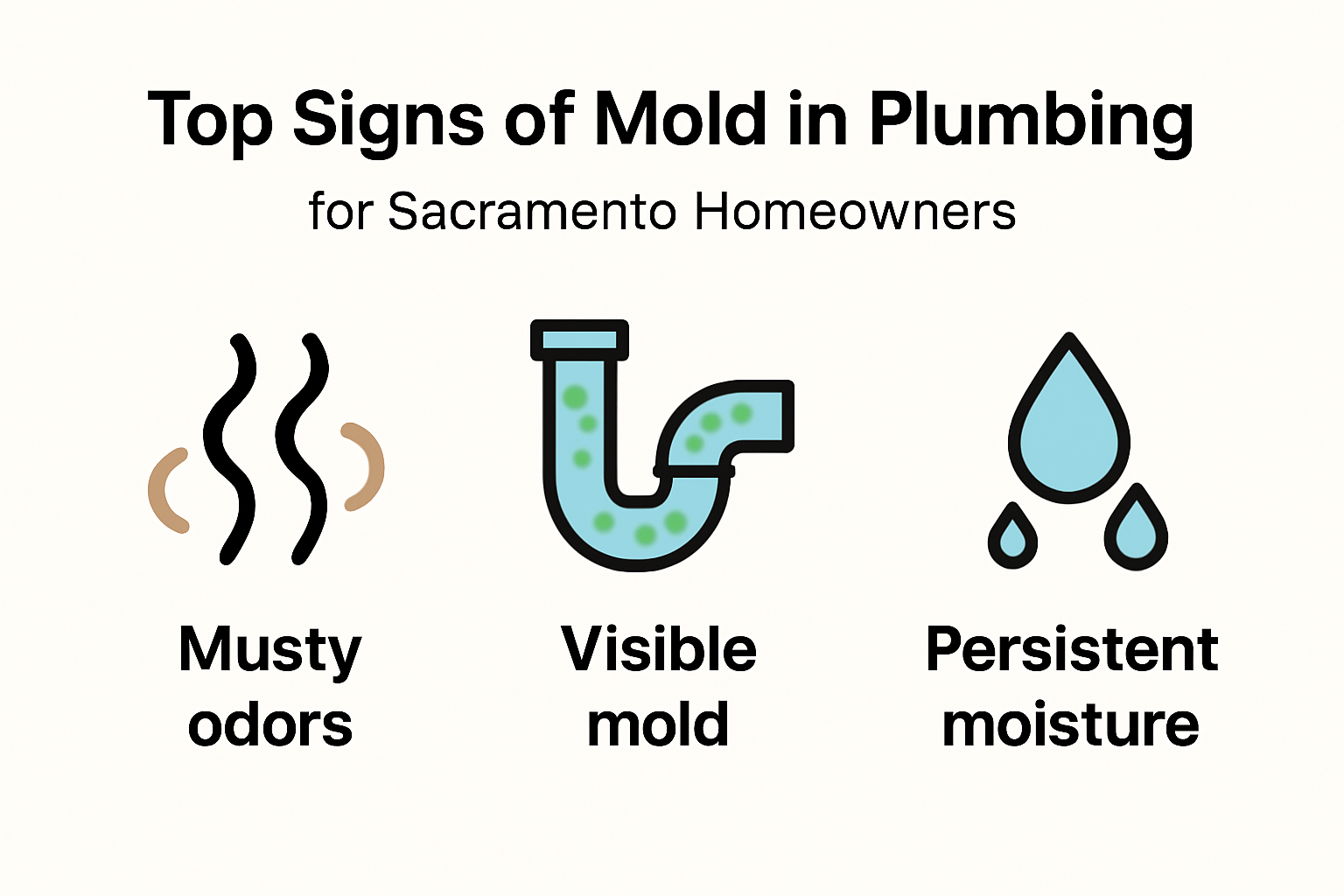
Musty Odors and Unusual Smells
One of the most telltale signs of mold in plumbing is a persistent musty smell. This distinctive odor often indicates hidden moisture and potential mold growth. According to the Centers for Disease Control and Prevention, mold thrives in moist environments like leaky pipes and can produce a characteristic earthy or damp scent. Homeowners should pay close attention to areas around sinks, under cabinets, and near water fixtures where these odors might be most pronounced.
The smell is more than just an unpleasant nuisance. It signals potential moisture problems that could be creating an ideal breeding ground for mold spores. If you consistently notice a musty smell that seems to originate from your plumbing system, it’s a strong indicator that moisture is accumulating where it shouldn’t be.
Visual Indicators of Mold Growth
Visible signs of mold are perhaps the most direct evidence of plumbing issues. Look for discoloration on walls, ceilings, or around pipe connections. The Springfield Healthy Homes Initiative notes that signs like rusting metal, condensation on pipes, and rotting wood often accompany mold development.
Mold can appear in various colors including black, green, white, or brown patches. These patches might start small but can quickly spread if the underlying moisture problem isn’t addressed. Pay special attention to areas with frequent water exposure such as bathroom walls, kitchen sink cabinets, and basement pipe connections.
Persistent Moisture and Condensation
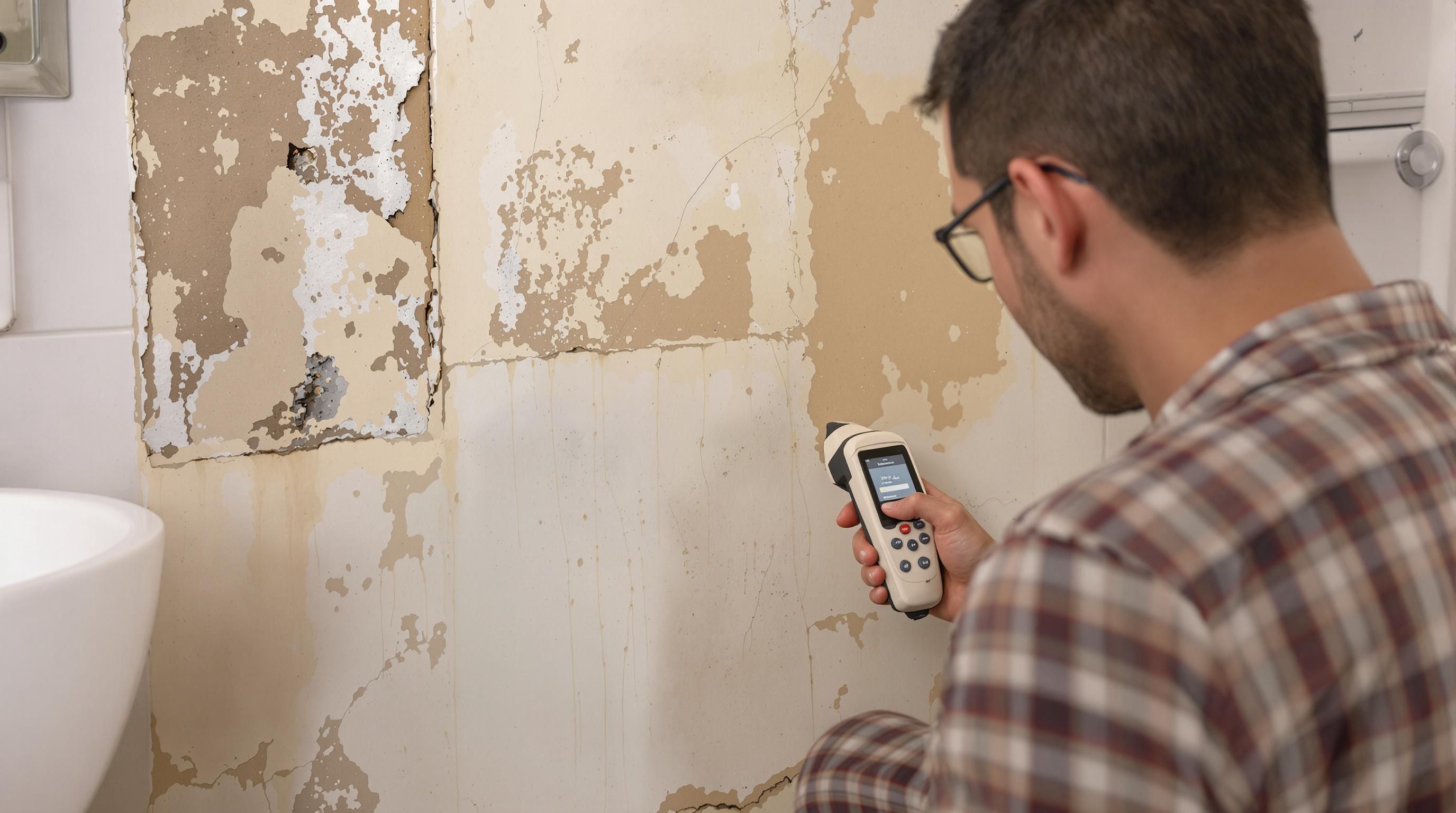
Excessive moisture is a primary catalyst for mold growth in plumbing systems. Frequent condensation on pipes, recurring water stains, and unexplained dampness are red flags. According to expert sources, water leaks and consistent moisture create perfect conditions for mold proliferation.
Homeowners should regularly inspect areas prone to moisture accumulation. Check under sinks, around toilet bases, and near water heaters for signs of ongoing dampness. Condensation that doesn’t dry quickly or water spots that seem to reappear could indicate a more serious underlying plumbing issue.
For Sacramento residents concerned about potential mold problems, learn more about our emergency plumbing services that can help diagnose and resolve these issues quickly. Early detection and professional intervention are key to preventing extensive damage and maintaining a healthy home environment.
Health Risks Linked to Mold in Plumbing
Mold in plumbing systems is more than just a structural concern it poses significant health risks for Sacramento homeowners. Understanding these potential dangers can motivate proactive prevention and prompt remediation strategies.
Respiratory System Complications
Mold exposure through plumbing systems can trigger severe respiratory problems. The US Environmental Protection Agency warns that indoor molds can cause allergic reactions, asthma attacks, and other respiratory complications. Individuals with pre existing respiratory conditions face even greater risks.
Sensitive populations such as children, elderly individuals, and those with compromised immune systems are particularly vulnerable. Prolonged exposure to mold spores can lead to chronic respiratory inflammation, persistent coughing, and increased susceptibility to respiratory infections. Symptoms might include wheezing, shortness of breath, and chest tightness that can significantly impact daily quality of life.
Immune System Response and Allergic Reactions
According to a comprehensive 2021 review in the International Journal of Environmental Research and Public Health, mold exposure can trigger complex immune system responses. These reactions range from mild allergic symptoms to more severe hypersensitivity conditions. Some individuals may experience immediate allergic reactions including nasal congestion, skin rashes, and eye irritation.
People with existing allergies or autoimmune disorders are at higher risk of developing more pronounced immune responses. Mold spores can activate inflammatory processes in the body, potentially exacerbating underlying health conditions. The microscopic nature of these spores means they can circulate through plumbing systems undetected, creating continuous exposure risks.
Long Term Health Implications
Beyond immediate health concerns, persistent mold exposure through plumbing systems can contribute to long term health complications. Chronic exposure may lead to neurological symptoms, decreased cognitive function, and potential development of more serious inflammatory conditions.
Children living in homes with ongoing mold issues might experience developmental challenges and increased susceptibility to respiratory diseases. Adults could face prolonged health challenges that impact work performance and overall well being. The continuous presence of mold spores can create a cumulative health burden that extends far beyond initial exposure.
Get professional guidance on protecting your home from our experienced plumbing team. We understand the critical connection between plumbing health and your family’s well being. Regular inspections and proactive maintenance can significantly reduce these potential health risks and ensure a safer living environment for your Sacramento home.
To help clarify the range of possible health effects described in this section, here is a table summarizing both short-term and long-term health risks of mold exposure from plumbing systems:
| Health Effect | Description | Populations Most at Risk |
|---|---|---|
| Respiratory Issues | Allergic reactions, asthma attacks, chronic coughing, wheezing, shortness of breath | Children, elderly, people with asthma |
| Immune System Responses | Nasal congestion, skin rashes, eye irritation, hypersensitivity conditions | Individuals with allergies or autoimmune |
| Persistent Inflammation | Chronic inflammation, increased respiratory infection risk | Immunocompromised, elderly |
| Neurological Symptoms (long-term exposure) | Decreased cognitive function, neurological problems | Children, adults with ongoing exposure |
| Developmental Issues (children) | Delays or challenges in development due to chronic mold exposure | Children in homes with persistent mold |
| Exacerbation of Existing Conditions | Worsening of asthma, allergy symptoms, or inflammatory disorders | Sensitive and immunocompromised people |
How Sacramento Homeowners Can Spot Mold
Mold detection requires a keen eye and systematic approach for Sacramento homeowners. Understanding where and how to look for potential mold growth can help prevent extensive damage and protect your family’s health.
Strategic Visual Inspection Techniques
Conducting thorough visual inspections is crucial in identifying potential mold issues in your plumbing system. According to the U.S. Environmental Protection Agency, homeowners should pay close attention to areas prone to moisture accumulation. Start by examining spaces around pipes, under sinks, behind toilets, and in basement areas where water exposure is frequent.
Look for discoloration on walls, ceilings, and floor surfaces. Mold can appear in various colors including black, green, brown, or white patches. These patches might start small but can quickly spread if left unchecked. Pay special attention to areas with visible water stains, peeling paint, or warped surfaces, as these can indicate underlying moisture problems that foster mold growth.
Advanced Detection Methods
Beyond visual inspections, Sacramento homeowners can employ more sophisticated techniques to detect hidden mold. Moisture meters can help identify areas with excessive dampness that might not be immediately visible. Infrared cameras can reveal temperature differences that suggest moisture accumulation behind walls or under flooring.
If you suspect hidden mold but cannot confirm its presence, consider professional testing. Certified mold inspectors can conduct comprehensive assessments using specialized equipment. Learn more about water leak detection methods that can help identify potential mold breeding grounds before they become serious problems.
Below is a table summarizing common visual and advanced mold detection techniques for Sacramento homeowners:
| Detection Method | Description | Areas Applied / Tool Type |
|---|---|---|
| Visual Inspection | Checking for discoloration, patches, water stains, warping | Under sinks, behind toilets, basements |
| Moisture Meter | Measures levels of moisture in walls/floors | Walls, floors, hidden areas |
| Infrared Camera | Detects temperature differences indicating hidden moisture | Behind walls, under flooring |
| Professional Mold Testing | Lab analysis of surface/air samples for confirmation | Entire home, professional service |
Monitoring and Prevention Strategies
Regular monitoring is key to preventing mold growth in your home’s plumbing system. Establish a routine inspection schedule, checking areas around water fixtures, pipes, and potential moisture sources. Look for signs of condensation, water spots, or unexplained dampness. Pay particular attention to areas with poor ventilation, such as bathrooms, laundry rooms, and under kitchen sinks.
Consider using humidity monitors to track moisture levels in your home. Maintaining indoor humidity below 60% can significantly reduce the risk of mold growth. Ensure proper ventilation in high moisture areas, and address any plumbing leaks or water damage immediately. Quick response to moisture issues can prevent mold from establishing itself in your home’s infrastructure.
By implementing these detection techniques, Sacramento homeowners can stay proactive in identifying and preventing mold growth. Remember that early detection is crucial in mitigating potential health risks and preventing extensive damage to your home’s plumbing and structural elements.
When to Call an Emergency Plumber Near You
Recognizing when a plumbing issue requires immediate professional intervention can save Sacramento homeowners from extensive property damage and potential health risks associated with mold and water damage.
Critical Mold Related Warning Signs
Some mold related plumbing emergencies demand immediate professional attention. According to the Washington State Department of Health, mold frequently grows in areas with significant water damage from plumbing leaks. Homeowners should immediately contact an emergency plumber if they observe extensive mold growth covering more than 10 square feet, discover mold behind walls, or notice persistent moisture that cannot be quickly dried.
Specific red flags include visible mold spreading rapidly, musty odors that persist despite cleaning, and water stains that indicate ongoing moisture problems. These signs suggest potential structural damage and hidden plumbing issues that require professional assessment. Waiting too long can lead to more extensive and expensive repairs.
Moisture Control and Urgent Interventions
The U.S. Environmental Protection Agency emphasizes that moisture control is crucial in preventing mold growth. When water leaks or spills occur, homeowners have a critical 24 to 48 hour window to dry affected areas and prevent mold proliferation. Emergency plumbers become essential when moisture cannot be quickly controlled or when water damage extends beyond surface level.
Additional scenarios warranting immediate professional help include continuous water seepage, unexplained increases in water bills indicating hidden leaks, and situations where humidity levels consistently remain above 60%. Learn more about our emergency plumbing services that can quickly address these urgent moisture related challenges.
Preventative Strategies and Professional Assessment
The Oregon Health Authority recommends proactive approaches to moisture management. Homeowners should maintain indoor humidity between 30 and 60 percent and use dehumidifiers or air conditioners to regulate moisture levels. However, when DIY methods prove insufficient, professional intervention becomes necessary.
Emergency plumbers can provide comprehensive moisture assessments, identify hidden leaks, and implement targeted solutions to prevent mold growth. They utilize advanced diagnostic tools like infrared cameras and moisture meters to detect issues invisible to the naked eye. Professional assessments are particularly critical for older homes or properties with complex plumbing systems.
For Sacramento homeowners, understanding these warning signs and acting swiftly can mean the difference between a minor repair and a major renovation. When in doubt about potential mold or moisture issues, consulting with a professional emergency plumber ensures your home remains safe, dry, and structurally sound.
Frequently Asked Questions
What are the signs of mold in plumbing?
Common signs of mold in plumbing include persistent musty odors, visible discoloration on walls and ceilings, excessive moisture or condensation around pipes, and recurring water stains.
How does mold in plumbing affect my health?
Mold exposure from plumbing can cause respiratory issues, allergic reactions, and long-term health complications. Populations such as children, the elderly, and those with compromised immune systems are particularly at risk.
When should I call a plumber for mold issues?
You should call a plumber if you notice extensive mold growth (covering more than 10 square feet), persistent water damage, or ongoing moisture problems that you cannot control on your own.
How can I prevent mold in my plumbing?
Prevent mold by keeping indoor humidity below 60%, regularly inspecting for leaks, ensuring proper ventilation, and addressing any water damage immediately.
Protect Your Home from Hidden Mold Threats – Act Fast with Sacramento’s Trusted Plumbing Experts
Mold lurking in your plumbing system is more than a simple annoyance. As uncovered in this article, musty odors, unexplained moisture, and persistent water stains are clear warning signs that can impact your family’s health and the structural safety of your home. When you notice these signs, waiting can lead to bigger problems and costly repairs. Legacy Plumbing & Drain Inc specializes in fast, professional mold and moisture solutions, giving you peace of mind before issues get out of control.
Don’t let undetected leaks or mold growth simmer under the surface any longer. Visit Legacy Plumbing & Drain Inc for immediate help from skilled emergency plumbers in Sacramento. For additional tips, discover our expert emergency plumbing services or read more on how to protect your home from water leak detection. Be proactive and secure your home’s health today.