Remodeling your home always seems exciting until you start thinking about the pipes behind the walls. Most people are surprised to learn that intelligent plumbing updates during a remodel can directly raise your home’s value and cut future repair costs. It turns out the real challenge—and the real reward—often comes from what you cannot see at first glance.
Table of Contents
- What Are Remodeling Plumbing Considerations?
- Why Plumbing Matters In Home Remodeling Projects
- Key Plumbing Systems Impacted By Remodeling
- Understanding Plumbing Codes And Regulations
- Common Challenges And Solutions In Plumbing Remodeling
Quick Summary
| Takeaway | Explanation |
|---|---|
| Evaluate existing plumbing systems thoroughly | Assess pipe materials, age, and corrosion risks to ensure proper functionality and compliance in renovations. |
| Prioritize code compliance in all modifications | Ensuring plumbing changes meet local regulations reduces risks of fines or system failure during inspections. |
| Consider water pressure and flow needs | Analyze how new fixtures will affect existing water supply to maintain optimal pressure and efficiency throughout the home. |
| Address drainage designs to prevent issues | Proper drainage planning prevents future blockages and maintains home functionality, safeguarding against structural damage. |
| Consult professionals for installation and permits | Engaging licensed plumbers ensures adherence to codes and minimizes the likelihood of costly mistakes in renovations. |
What are Remodeling Plumbing Considerations?
Remodeling plumbing considerations represent a critical foundation for successful home renovation projects. These comprehensive evaluations help homeowners understand the intricate systems and potential challenges associated with modifying existing plumbing infrastructure. When approaching a remodeling project, understanding these considerations ensures functional, efficient, and code-compliant plumbing solutions.
Core Plumbing Assessment Components
A thorough plumbing assessment involves multiple key components that homeowners must carefully evaluate. These elements go beyond simple fixture replacements and require a holistic understanding of your home’s existing plumbing system.
To help you understand the essential elements involved in a thorough plumbing assessment for remodeling, the following table summarizes each core component and its explanation.
| Assessment Component | Explanation |
|---|---|
| Infrastructure Evaluation | Examines current pipe materials, potential corrosion, and system age to identify existing risks. |
| Capacity Analysis | Determines if existing plumbing can support planned new fixtures or design changes. |
| Code Compliance | Ensures that all modifications meet local building and plumbing codes to uphold safety and legal standards. |
- Infrastructure Evaluation: Examining current pipe materials, potential corrosion, and system age
- Capacity Analysis: Determining whether existing plumbing can support new fixtures or design modifications
- Code Compliance: Ensuring all proposed changes meet local building and plumbing regulations
According to the University of Missouri Extension, homeowners should prioritize replacing corroded or damaged supply lines and ensure all new installations comply with current building codes.
Performance and Efficiency Considerations
Beyond basic infrastructure, remodeling plumbing considerations encompass broader performance and efficiency goals. Homeowners must think strategically about water flow, pressure management, and potential energy savings. This means evaluating not just what looks good, but what functions optimally within your specific home environment.
Key performance factors include:
- Water pressure requirements for new fixtures
- Potential need for pipe resizing or rerouting
- Energy efficiency of proposed plumbing solutions
You can learn more about home renovation plumbing strategies that can help streamline your remodeling process and maximize long-term value. Understanding these nuanced considerations transforms a simple renovation into a strategic home improvement project.
Why Plumbing Matters in Home Remodeling Projects
Plumbing represents far more than a hidden network of pipes and connections within your home. It is a critical system that directly impacts your property’s functionality, safety, and long-term value. When undertaking home remodeling projects, understanding the pivotal role of plumbing can mean the difference between a successful renovation and a potential disaster.
Structural Integrity and Home Performance
Plumbing systems are intricately connected to your home’s overall structural integrity. Poor plumbing design or inadequate modifications can lead to significant problems that extend far beyond mere water flow issues. Water leaks, improper drainage, and incorrect pipe installations can cause extensive damage to walls, floors, and foundational elements.
Key structural risks include:
- Potential water damage to building materials
- Compromised structural wood and drywall integrity
- Hidden moisture problems leading to mold growth
- Potential foundation weakening from consistent water exposure
According to the U.S. Environmental Protection Agency, addressing moisture control during home renovations is crucial to prevent health risks and structural damage.
Economic and Property Value Considerations
Beyond immediate structural concerns, plumbing plays a substantial role in your home’s economic value. Professional, code-compliant plumbing modifications can significantly enhance property marketability and prevent costly future repairs. Intelligent plumbing decisions during remodeling can translate directly into increased home value and reduced long-term maintenance expenses.
Consider exploring comprehensive home renovation plumbing strategies that can help you make informed decisions about your home improvement project. Proper planning and professional guidance ensure that your plumbing investments contribute positively to your property’s overall worth and functionality.
Key Plumbing Systems Impacted by Remodeling
Home remodeling projects can significantly transform your living space, but understanding the plumbing systems that will be affected is crucial for a successful renovation. Different areas of your home require specialized plumbing considerations, each presenting unique challenges and opportunities for improvement.
Water Supply and Distribution Systems
The water supply and distribution system represents the primary network responsible for delivering clean, potable water throughout your home. During remodeling, this system demands meticulous evaluation and potential reconfiguration to ensure optimal performance and efficiency.
Critical aspects of water supply systems include:
- Pipe material assessment and potential replacement
- Water pressure and flow rate evaluation
- Connection points for new fixtures and appliances
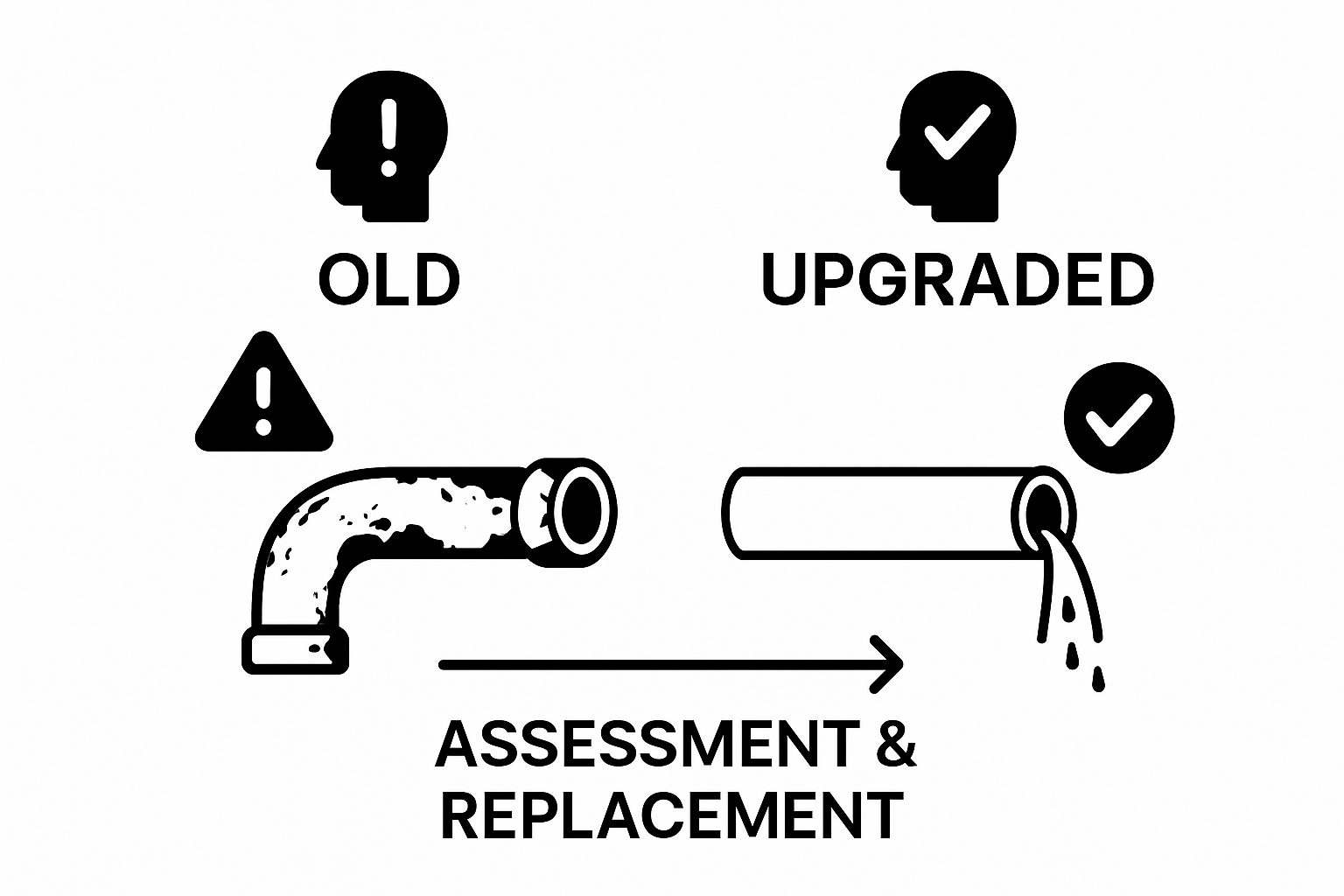
- Potential need for pipe resizing or rerouting
According to the Federal Consumer Information Center, homeowners must carefully assess existing plumbing capacity and code compliance when planning renovations.
Drainage and Waste Management Systems
Drainage systems play an equally important role in home remodeling projects. These interconnected networks manage wastewater removal, preventing potential health hazards and structural damage. Proper drainage design is essential for maintaining your home’s overall functionality and preventing costly future repairs.
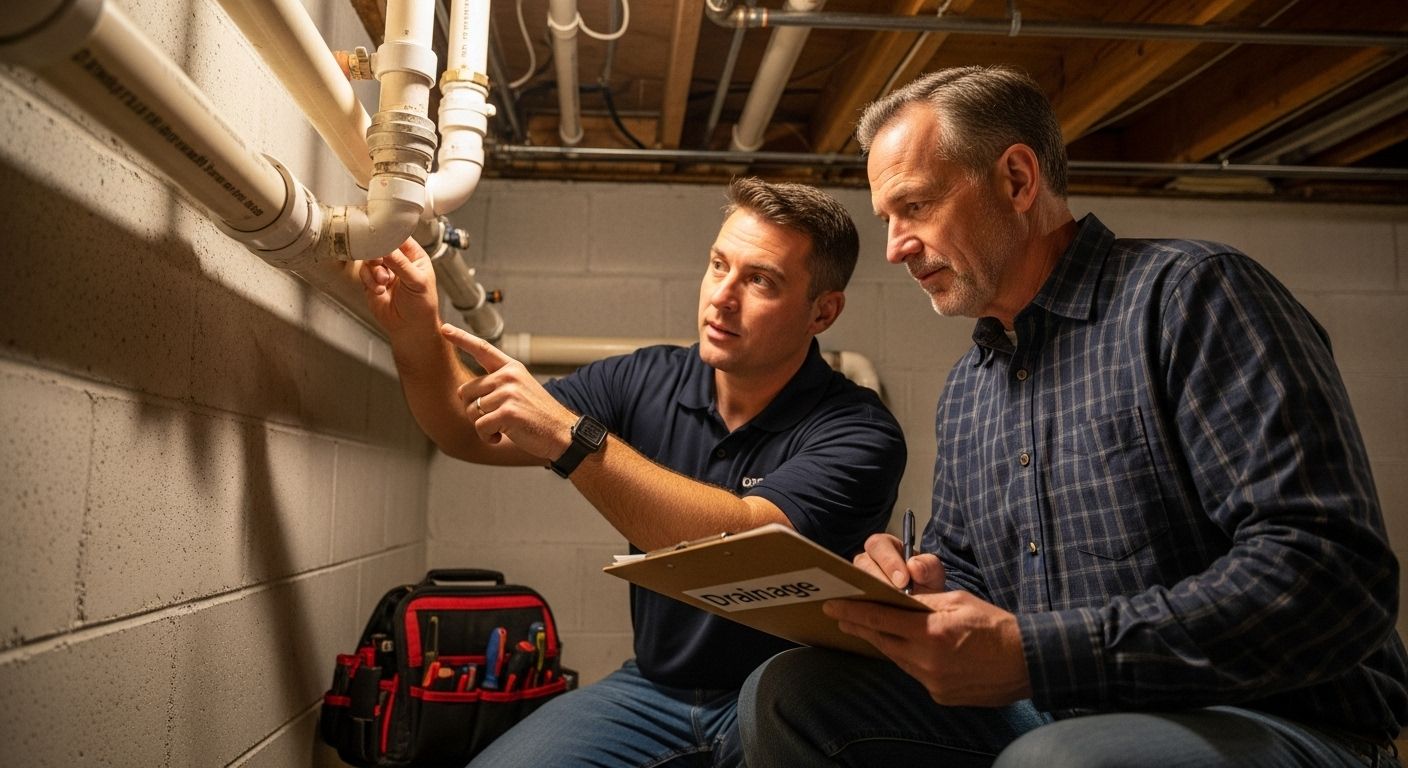
Key drainage system considerations include:
- Existing pipe slope and alignment
- Potential venting requirements
- Connection points for new bathroom or kitchen fixtures
- Potential upgrades to prevent blockages and improve water flow
If you are planning a comprehensive home renovation, explore our detailed bathroom remodeling plumbing strategies to ensure a seamless and efficient project implementation.
Understanding Plumbing Codes and Regulations
Plumbing codes and regulations represent a complex framework designed to ensure public health, safety, and the structural integrity of residential and commercial buildings. These comprehensive guidelines establish minimum standards for plumbing system design, installation, materials, and performance to protect homeowners from potential hazards and ensure consistent quality across construction and renovation projects.
Purpose and Scope of Plumbing Regulations
Plumbing codes are not arbitrary rules but carefully crafted standards developed by professional engineering and safety organizations. They address critical aspects of water supply, waste management, and structural safety that directly impact human health and property protection.
Key objectives of plumbing regulations include:
- Preventing water contamination
- Ensuring proper waste disposal
- Maintaining structural integrity of plumbing systems
- Protecting public health through standardized installation practices
- Establishing minimum performance requirements for plumbing components
Local jurisdictions typically adopt and enforce these codes, which means regulations can vary slightly between different municipalities and states. This variability underscores the importance of consulting local building authorities before initiating any significant plumbing modifications.
Compliance and Professional Implementation
Complying with plumbing codes requires more than surface-level understanding. Homeowners must recognize that professional implementation is crucial for meeting regulatory standards. Improperly installed plumbing systems can lead to serious consequences, including potential fines, mandatory system redesigns, and increased safety risks.
Critical compliance considerations include:
- Obtaining necessary permits before starting renovations
- Working with licensed and certified plumbing professionals
- Scheduling required inspections at various project stages
- Documenting all modifications and installations
Learn more about local Sacramento plumbing regulations to ensure your home improvement project meets all necessary legal and safety requirements. Understanding these regulations is not just about following rules, but protecting your home’s long-term functionality and value.
Common Challenges and Solutions in Plumbing Remodeling
Plumbing remodeling presents a complex landscape of technical challenges that require strategic planning, professional expertise, and comprehensive understanding. Homeowners embarking on renovation projects must anticipate potential complications and develop proactive solutions to ensure successful implementation and long-term system performance.
This table outlines the main types of challenges encountered during plumbing remodeling and summarizes solutions highlighted in the article to address each challenge.
| Challenge Type | Common Issues | Recommended Solutions |
|---|---|---|
| Structural and Design Compatibility | Incompatible pipes, insufficient pressure, limited space, wall interference | Professional assessment, pipe upgrades, careful planning |
| Technical and Regulatory Implementation | Matching old and new systems, venting, budget overruns, coordination of trades | Engage licensed plumbers, ensure code compliance, obtain permits, inspections |
| Moisture and Drainage Control | Hidden leaks, improper drainage, risk of mold or foundational damage | Implement proper drainage, moisture control best practices |
Structural and Design Compatibility Challenges
One of the most significant challenges in plumbing remodeling involves ensuring structural and design compatibility between existing infrastructure and new installations. Older homes often feature outdated piping systems that may not readily accommodate modern fixtures or meet current performance standards.
Common structural compatibility issues include:
- Incompatible pipe materials and connection types
- Insufficient water pressure in existing supply lines
- Limited space for new fixture placements
- Potential load-bearing wall interference
- Unexpected structural limitations discovered during renovation
According to the U.S. Environmental Protection Agency, managing moisture control and understanding existing structural constraints are critical aspects of successful home renovations.
Technical and Regulatory Implementation Challenges
Successful plumbing remodeling requires navigating complex technical and regulatory landscapes. Homeowners must balance aesthetic preferences with functional requirements, code compliance, and potential system performance limitations. Professional expertise becomes crucial in translating design concepts into practical, safe, and efficient plumbing solutions.
Key implementation challenges involve:
- Matching new fixtures with existing plumbing infrastructure
- Ensuring proper drainage and venting configurations
- Managing unexpected budget overruns
- Coordinating multiple professional trades
- Maintaining home functionality during renovation
Explore our comprehensive home renovation plumbing strategies to gain deeper insights into managing these complex remodeling considerations and transforming potential challenges into successful home improvement opportunities.
Seamless Remodeling Starts With Expert Plumbing Solutions
Are you worried that outdated pipes or hidden plumbing flaws could derail your home remodel? Remodeling projects come with plenty of exciting changes, but they can also bring hidden plumbing challenges. Issues like aging pipes, insufficient water pressure, code compliance, and moisture problems can quickly transform a dream renovation into a stressful project. You deserve a finished space that is beautiful, safe, and built to last.
Do not risk your investment by overlooking your plumbing system. Work with the experts at Legacy Plumbing & Drain Inc and get personalized guidance from Sacramento’s trusted specialists. We use the latest diagnostic tools and proven remodeling plumbing strategies to help you avoid costly setbacks. Let us assess your existing infrastructure, ensure full code compliance, and create solutions tailored to your unique needs. Learn more about smart plumbing for home renovations and make your next project a success. For peace of mind and quality results, visit Legacy Plumbing & Drain Inc today and schedule your expert consultation before your remodeling starts.
Frequently Asked Questions
What are some key considerations for remodeling plumbing?
A thorough plumbing assessment should include evaluating infrastructure, capacity, and code compliance. It’s essential to examine current pipe materials, determine if the existing plumbing can support new fixtures, and ensure that all changes meet local building regulations.
How can I improve water pressure during a remodeling project?
To improve water pressure, evaluate the current plumbing system for potential upgrades, such as resizing or rerouting pipes. Additionally, ensure that new fixtures are compatible with the existing water supply system to enhance performance.
Why is plumbing code compliance important in home renovations?
Plumbing code compliance is crucial to ensure public health and safety, prevent water contamination, and maintain structural integrity. Non-compliance can lead to fines, safety risks, and costly redesigns in the future.
What challenges might I face during a plumbing remodel?
Common challenges include structural compatibility issues, managing moisture control, ensuring proper drainage and venting, and unexpected complications related to older infrastructure. Engaging a licensed professional can help navigate these complexities effectively.