
A dripping faucet might not grab your attention right away, but in Sacramento, hard water is quietly at work and can ruin a fixture before you know it. Here is where things take a sharp turn. A single leaky faucet can waste over 3,000 gallons of water a year, according to the EPA. The real surprise is that most leaks are fast and inexpensive to fix if you know what to look for first.
Table of Contents
- Common Causes Of Leaky Faucets In Sacramento Homes
- Step-By-Step Guide To Fix A Leaky Faucet
- When To Call A Local Emergency Plumber
- Preventing Future Faucet Leaks In Your Area
Quick Summary
| Takeaway | Explanation |
|---|---|
| Identify causes of leaks early | Understanding mineral buildup and worn components helps prevent leaks before they escalate. |
| Gather essential tools before repair | Having the right tools ready streamlines the faucet repair process and minimizes damage risk. |
| Inspect faucet components regularly | Routine checks for wear can avert leaks and extend the lifespan of faucet mechanisms. |
| Replace worn parts on a schedule | Proactive replacement of washers and O-rings ensures your faucet remains functional and leak-free. |
| Know when to call a plumber | Recognizing critical leak situations can save property from severe water damage and safety issues. |
Common Causes of Leaky Faucets in Sacramento Homes
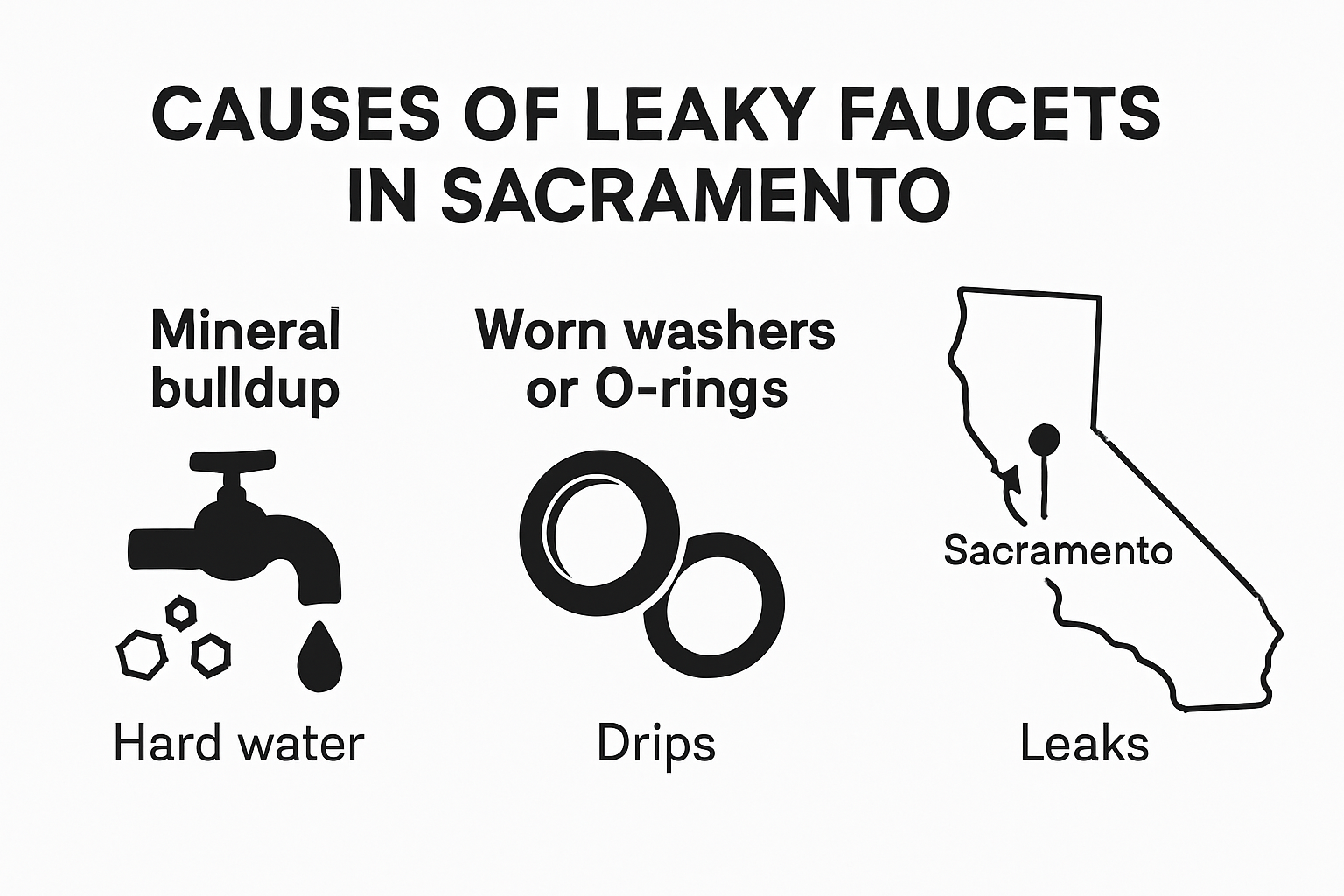
Understanding the root causes of leaky faucets is crucial for Sacramento homeowners looking to prevent water waste and potential property damage. Sacramento’s unique water conditions and household characteristics contribute to several specific factors that can lead to faucet leaks.
Here is a concise table summarizing the main causes of leaky faucets in Sacramento homes, helping homeowners quickly pinpoint potential issues:
| Cause | Description | Warning Signs |
|---|---|---|
| Hard Water Mineral Buildup | Accumulation of calcium & magnesium damages seals and components | White/green residue, persistent drips |
| Worn Out Internal Components | Washers, O-rings, and valve parts degrade due to usage and water quality | Inconsistent flow, drips, unusual sounds |
| Pressure & Structural Challenges | Water pressure changes or minor home shifts create gaps and stress plumbing | Leaks after pressure changes, old home leaks |
Hard Water Mineral Buildup
Sacramento’s water supply is notorious for its high mineral content, which dramatically increases the likelihood of faucet leaks. The Sacramento Suburban Water District confirms that hard water containing high levels of calcium and magnesium can cause significant plumbing challenges. These minerals accumulate inside faucet components, causing gradual deterioration of seals, washers, and valve mechanisms. Over time, this mineral buildup creates microscopic gaps and weakens rubber seals, leading to persistent dripping and water leakage.
The mineral deposits act like tiny abrasive particles, wearing down the smooth surfaces of O-rings and gaskets. Homeowners might notice a white or greenish crusty residue around faucet bases and fixtures – a clear sign of hard water’s destructive potential. Regular maintenance and periodic descaling can help mitigate these issues.
Worn Out Internal Components
Faucet mechanisms experience constant stress from daily use, which inevitably leads to component wear. The City of Davis water conservation report highlights that internal valve components like washers, O-rings, and seals degrade over time. These small but critical parts create watertight seals when the faucet is closed. When they become brittle, compressed, or misshapen, they can no longer prevent water from seeping through.
Typical signs of worn components include inconsistent water flow, unexpected dripping even when the faucet appears fully closed, and unusual sounds during operation. Age, water quality, and frequency of use all contribute to faster component degradation. Most faucet internals have a functional lifespan of 5-7 years before requiring replacement.
Pressure and Structural Challenges
Sacramento homes often experience water pressure fluctuations that stress plumbing systems. Sudden pressure changes can compromise faucet seals and create microscopic cracks in connective components. These pressure variations might result from municipal water system adjustments, nearby construction, or internal household plumbing issues.
Additionally, home settling and temperature variations can cause subtle structural shifts that misalign faucet connections. These minute movements create small gaps where water can escape, resulting in persistent leaks. Older homes in established Sacramento neighborhoods are particularly susceptible to these structural challenges.
Learn more about local plumbing maintenance strategies to protect your home’s water systems and prevent costly repairs. Understanding these common causes empowers homeowners to take proactive steps in maintaining their faucets and preventing unnecessary water waste.
Step-by-Step Guide to Fix a Leaky Faucet
Repairing a leaky faucet requires careful preparation and systematic approach. Sacramento homeowners can save significant water and prevent potential damage by understanding the precise steps to address this common household issue.
The following table provides a structured step-by-step process for fixing a leaky faucet. Use this as a reference to ensure nothing is overlooked during the repair:
| Step | Action | Tips |
|---|---|---|
| 1. Preparation | Gather tools: wrench, screwdrivers, replacement parts, plumber’s tape, towel | Photograph faucet assembly before disassembly |
| 2. Turn Off Water Supply | Shut valves under the sink | Protect workspace with towel |
| 3. Disassemble Faucet | Remove handle and internal parts in order | Keep components organized |
| 4. Inspect & Clean Components | Check for wear, mineral buildup | Clean with vinegar and brush, replace if worn |
| 5. Replace Worn Parts | Install new washers, O-rings, or other components as needed | Match part specifications exactly |
| 6. Reassemble & Seal Connections | Carefully put all parts back, apply plumber’s tape to threads | Avoid over-tightening |
| 7. Turn On Water & Final Check | Restore water supply, check for leaks, run faucet, inspect connections | Call a plumber if problems persist |
Essential Tools and Preparation
Before beginning any faucet repair, gather the necessary tools and materials. The City of Portland’s water efficiency program recommends having the following items ready: adjustable wrench, flathead and Phillips screwdrivers, replacement washers and O-rings, plumber’s tape, and a clean cloth or towel. Safety is paramount, so start by turning off the water supply valves located underneath the sink. These are typically found on the wall or floor near the fixture.
Protect your workspace by laying down the towel to catch small parts and prevent them from falling into the drain. Remove any decorative caps on the faucet handle to expose the screws. Take a moment to carefully inspect the faucet type, as repair methods vary between compression, cartridge, ball, and ceramic disk faucets. Taking a quick photo of the faucet configuration can help you remember the original assembly during reassembly.
Disassembly and Component Inspection
Maui County’s home repair guide suggests a methodical approach to disassembling the faucet. Remove the handle by unscrewing it completely. Keep track of each component’s order and position as you remove them. Inspect the internal parts carefully for signs of wear, mineral buildup, or damage. Common culprits include worn washers, damaged O-rings, and corroded valve seats.
Carefully clean all components using white vinegar to remove mineral deposits. Use a soft brush or cloth to eliminate any buildup that might prevent proper sealing. Pay special attention to the valve seat, as this is often the primary source of persistent leaks. If you notice significant corrosion or extensive damage, it might be more cost-effective to replace the entire faucet mechanism.
Reassembly and Final Checks
Replace any worn components with new parts that match the original specifications exactly. Apply plumber’s tape to threaded connections to ensure a watertight seal. Reassemble the faucet carefully, ensuring each component is positioned correctly and tightened to the appropriate tension. Avoid over-tightening, as this can cause additional damage to delicate parts.
Learn more about preventing future plumbing issues with our comprehensive homeowner’s guide. Once reassembled, slowly turn the water supply back on and check for leaks. Run the faucet and inspect all connections carefully. If you encounter persistent leaking or feel uncertain about any step of the process, it’s always best to contact a professional plumber to avoid potential water damage or more extensive repairs.
When to Call a Local Emergency Plumber
Recognizing when a plumbing issue requires professional intervention is crucial for Sacramento homeowners. While some minor repairs can be handled independently, certain situations demand immediate expert attention to prevent extensive property damage and potential safety hazards.
Critical Water Damage Scenarios
The George Washington University’s Facilities Management department highlights that active leaks exceeding one gallon of water per hour represent a serious emergency. Such rapid water release can cause immediate structural damage, compromise building foundations, and create ideal conditions for mold growth. Ceiling leaks that produce more than occasional drips signal potential systemic plumbing failures that require professional assessment.
Water damage can escalate quickly in Sacramento’s varied housing stock, particularly in older neighborhoods with aging infrastructure. Homeowners should be especially vigilant if they observe water stains on walls or ceilings, hear unexplained water running when no fixtures are in use, or notice sudden drops in water pressure. These symptoms can indicate hidden pipe ruptures or significant internal leakage that demands immediate professional intervention.
Potential Safety Hazards
The National Institutes of Health’s safety guidelines emphasize the critical nature of unusual odors, particularly gas smells near plumbing fixtures. Such situations require immediate professional attention. Gas leaks near water heaters or connected plumbing systems pose severe risks of explosion and carbon monoxide poisoning. Homeowners should immediately evacuate the premises and contact emergency services if they detect any gas-like odors.
Additional safety concerns include visible pipe corrosion, unexplained sewage backups, or water discoloration. These issues can indicate deeper systemic problems that compromise both water quality and household safety. The complexity of modern plumbing systems means that seemingly minor issues can quickly escalate into major emergencies requiring specialized diagnostic equipment and professional expertise.
Complex Mechanical Failures
Learn about our comprehensive emergency response protocols to understand when professional intervention becomes critical. Certain mechanical failures demand immediate professional attention, such as water heater malfunctions showing signs of overheating or pressure irregularities. The USDA Farmers’ Bulletin warns that rumbling noises in hot water systems can indicate dangerous pressure buildup that could lead to catastrophic equipment failure.
Professional plumbers possess the diagnostic tools and expertise to quickly assess and mitigate complex mechanical issues. They can identify underlying problems that might not be immediately apparent to homeowners, preventing potential long-term damage and expensive repairs. Sacramento residents should consider emergency plumbing services when DIY solutions seem insufficient or when the potential risk outweighs the cost of professional intervention.
Preventing Future Faucet Leaks in Your Area
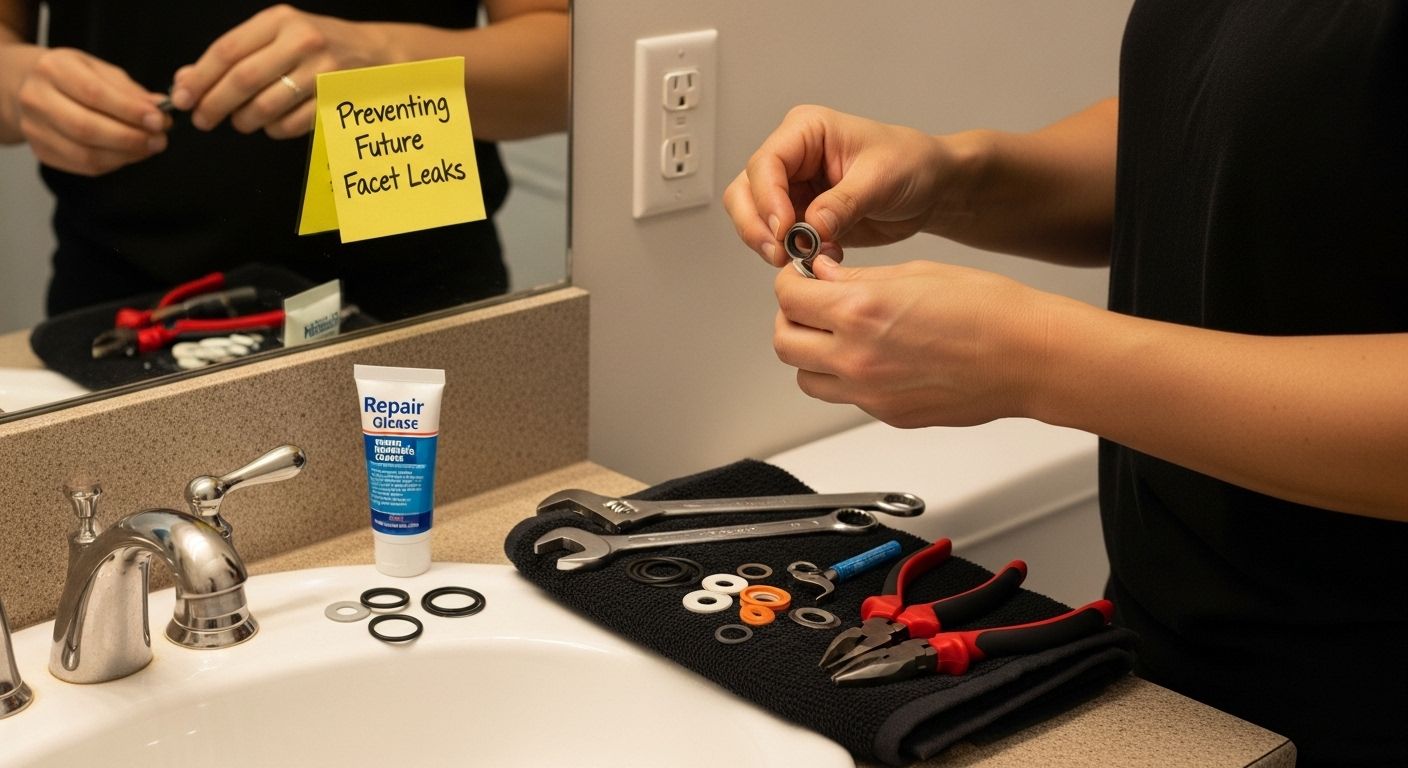
Proactive maintenance is the key to preventing costly faucet leaks and water damage in Sacramento homes. By implementing strategic preventive measures, homeowners can significantly reduce the likelihood of unexpected plumbing issues and extend the lifespan of their fixtures.
Regular Inspection and Maintenance
The U.S. Environmental Protection Agency emphasizes the critical importance of routine visual inspections to identify potential leak sources early. Sacramento homeowners should develop a systematic approach to checking their faucets and plumbing fixtures at least quarterly. Look for subtle signs of wear, such as mineral buildup, slight discoloration around connections, or minor drips that might indicate developing issues.
Pay special attention to areas with high mineral content in the water. Sacramento’s hard water can accelerate component degradation, making more frequent inspections crucial. Use a bright flashlight to examine under-sink areas, checking for any signs of moisture, corrosion, or subtle water stains. Keep a maintenance log to track the condition of each fixture and note any changes over time.
Proactive Component Replacement
The USDA Farmer’s Bulletin provides comprehensive guidance on preventive plumbing maintenance. Experts recommend preemptively replacing critical components before they fail completely. This includes washers, O-rings, and gaskets that experience constant wear. Create a replacement schedule based on the age of your fixtures and their usage intensity.
Consider the following preventive replacement strategy:
- Replace washers every 2-3 years in high-use faucets
- Inspect and potentially replace O-rings annually
- Check valve seats for signs of wear and smooth them periodically
- Use plumber’s tape on threaded connections to ensure tight seals
Water Quality and Environmental Considerations
Learn more about comprehensive leak prevention strategies for Sacramento homes. The City of DuPont’s water conservation guide highlights the importance of addressing water quality issues that contribute to plumbing wear. Consider installing a water softener to reduce mineral buildup, which can accelerate fixture deterioration. Maintain consistent water pressure through pressure-reducing valves, as extreme pressure fluctuations can stress plumbing components.
Additionally, be mindful of temperature variations that can cause expansion and contraction of plumbing materials. Insulate pipes in areas prone to temperature extremes, and avoid sudden temperature changes that can compromise seal integrity. During Sacramento’s varied seasonal conditions, these small preventive steps can make a significant difference in maintaining your home’s plumbing system and preventing unexpected leaks.
Frequently Asked Questions
What are the common causes of leaky faucets in Sacramento homes?
Common causes include hard water mineral buildup, worn-out internal components (like washers and O-rings), and pressure or structural challenges affecting plumbing.
How can I fix a leaky faucet myself?
You can fix it by turning off the water supply, disassembling the faucet, inspecting components for wear or buildup, replacing any damaged parts, and then reassembling the faucet carefully.
How often should I inspect my faucet for potential leaks?
It’s recommended to conduct inspections at least quarterly, paying close attention to signs of wear or mineral buildup, especially in areas with hard water.
When should I call a plumber for a leaky faucet?
You should call a plumber if you encounter active leaks exceeding one gallon per hour, notice unusual odors, or face complex mechanical failures that might require professional diagnostics and repair.
Ready for a Reliable Fix? Let Legacy Plumbing & Drain Handle Your Leaky Faucet
You just learned how a simple leaky faucet can waste thousands of gallons of water each year in Sacramento. Hard water mineral buildup, worn-out washers, or sudden pressure changes can turn a small drip into a big headache fast. If DIY steps feel overwhelming or your leak keeps coming back after repairs, it is time for professional help you can truly trust.

Stop letting leaks eat away at your peace of mind! The experts at Legacy Plumbing & Drain Inc are here 24/7 for emergencies and routine plumbing repairs. Visit our homepage now to request fast service or learn more about our proven plumbing solutions that protect Sacramento homes from costly water damage. Act now to secure worry-free, leak-free living.
Recommended
- Quick Fixes For Plumbing: 2025 Guide For Sacramento-Area Homeowners – Legacy Plumbing & Drain – Emergency Plumbers Of Sacramento
- Common Plumbing Problems For Sacramento Area Homeowners 2025 – Legacy Plumbing & Drain – Emergency Plumbers Of Sacramento
- Common Plumbing Problems For Sacramento Area Homeowners 2025 – Legacy Plumbing & Drain – Emergency Plumbers Of Sacramento
- Common Plumbing Problems For Sacramento Area Homeowners 2025 – Legacy Plumbing & Drain – Emergency Plumbers Of Sacramento