
Pipe leaks can quietly turn your home into a disaster zone if they go unnoticed. Most people are shocked to learn that even a tiny undetected leak can waste up to 10,000 gallons of water in a single year. But the surprising part is that with the right tools and a few simple methods, anyone can catch these leaks long before they do any real damage. Get ready to find out how early detection can save you from some truly outrageous repair bills.
Table of Contents
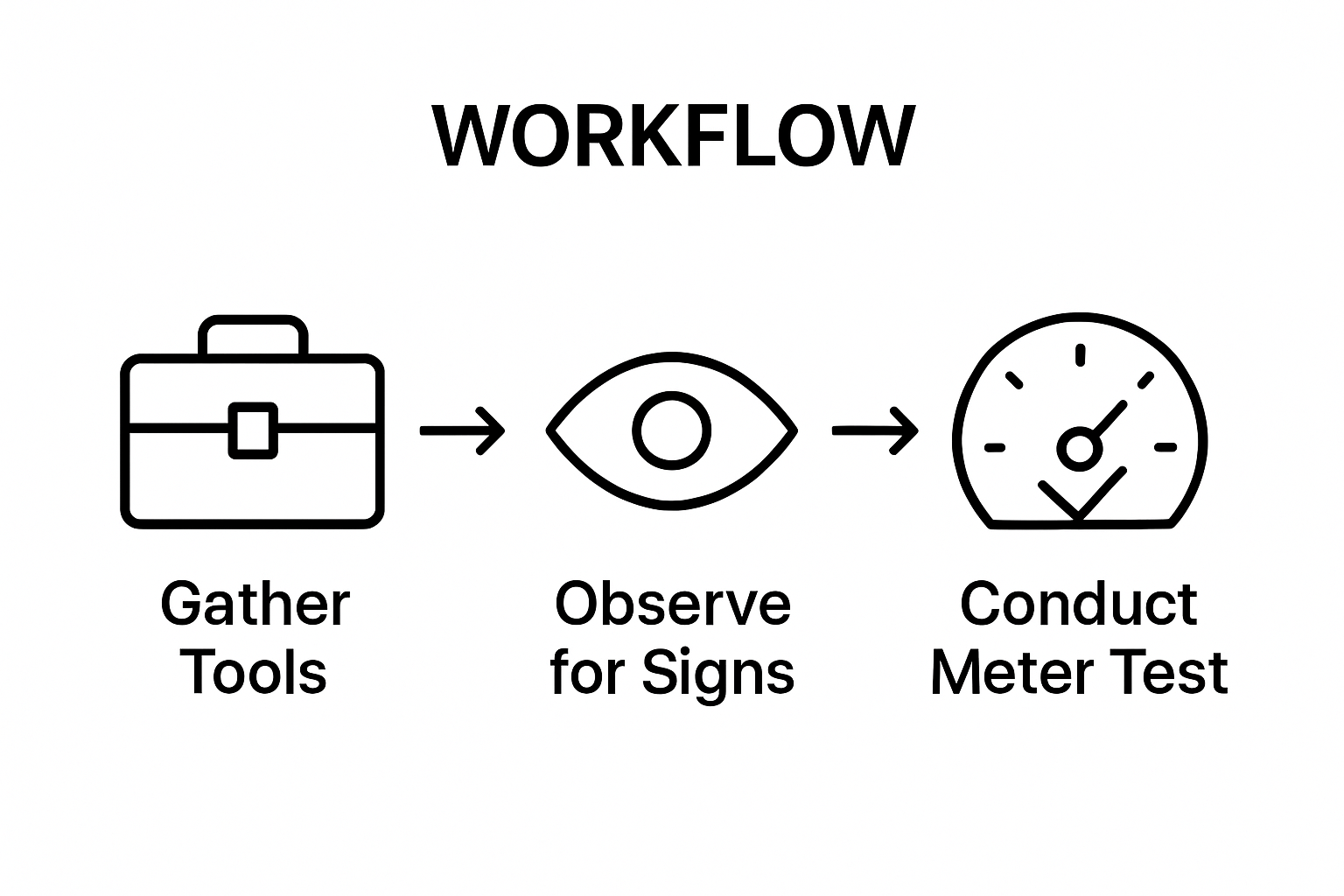
- Step 1: Gather Necessary Tools And Materials
- Step 2: Observe For Visible Signs Of Leaks
- Step 3: Conduct A Water Meter Test
- Step 4: Inspect Pipes In Vulnerable Areas
- Step 5: Utilize Professional Detection Equipment
- Step 6: Confirm And Address Found Leaks
Quick Summary
| Key Point | Explanation |
|---|---|
| 1. Assemble a comprehensive leak detection toolkit | Gather essential tools like a moisture meter, flashlight, and infrared camera to enhance leak investigation efficiency. |
| 2. Perform a thorough visual inspection | Check areas prone to leaks for discoloration, stains, or musty odors to identify potential water damage early. |
| 3. Conduct a water meter test | Ensure all water sources are off, record meter readings, and wait to detect any changes that indicate leaks. |
| 4. Inspect high-risk pipe areas | Focus on vulnerable spots under sinks and around water heaters to catch leaks before they cause significant damage. |
| 5. Document and address identified leaks | Record findings and categorize leaks; consider temporary fixes for minor issues or consult professionals for serious leaks. |
Step 1: Gather Necessary Tools and Materials
Detecting pipe leaks requires preparation and the right equipment. Before you start searching for hidden water damage, assembling a comprehensive toolkit will make your leak investigation more efficient and precise. Having the correct tools not only speeds up the detection process but also helps you diagnose potential issues with greater accuracy.
Here is a concise overview of the essential tools recommended for pipe leak detection, along with their primary purposes and any important specifications mentioned in the guide.
| Tool/Material | Purpose | Important Specifications |
|---|---|---|
| Flashlight | Visual inspection in dark areas | Bright, focused beam; waterproof; adjustable brightness |
| Moisture meter | Detects hidden moisture | Digital readings; works with drywall, wood, concrete |
| Infrared thermal camera | Locates leaks via temperature changes | Reveals subtle temperature differences |
| Listening device/acoustic leak detector | Detects sound of leaking water | Amplifies subtle leak noises |
| Adjustable wrench | Tightens or loosens plumbing connections | Use with care to avoid pipe stress |
| Notebook | Records findings | Portable, for systematic documentation |
Your essential leak detection toolkit should include several key items to help you thoroughly examine your home’s plumbing system. Professionals recommend gathering the following tools:
- Flashlight with bright, focused beam
- Moisture meter
- Infrared thermal camera
- Listening device or acoustic leak detector
- Adjustable wrench
- Notebook for documenting findings
The moisture meter serves as a critical diagnostic tool, allowing you to measure moisture levels behind walls and under floors without causing destructive damage. When selecting a moisture meter, choose a model with digital readings and the ability to detect moisture in various materials like drywall, wood, and concrete. According to the U.S. Environmental Protection Agency’s leak detection guidelines, professional-grade moisture meters can detect water accumulation before visible signs of damage appear.
A high-quality flashlight becomes your primary visual inspection tool, helping you peer into dark corners, underneath sinks, and around potential problem areas. Look for a waterproof model with adjustable brightness to illuminate tight spaces effectively. Additionally, consider investing in an infrared thermal camera, which can reveal temperature variations indicating potential water leakage. These cameras detect subtle temperature differences that might signify hidden moisture or pipe irregularities.
Before beginning your investigation, ensure all tools are fully charged or have fresh batteries.
 Organize your toolkit in a portable container or bag, keeping everything accessible and preventing potential misplacement during your leak detection process. Remember that thorough preparation sets the stage for successful leak identification and can potentially save you significant repair costs by catching issues early.
Step 2: Observe for Visible Signs of Leaks
After gathering your tools, the next critical step in detecting pipe leaks involves careful visual inspection. Identifying early warning signs can prevent extensive water damage and costly repairs. Your visual examination will focus on spotting subtle indicators that might suggest hidden water issues throughout your home.
Start your inspection in areas most prone to water damage: bathrooms, kitchens, laundry rooms, and spaces near plumbing fixtures. Look closely at walls, ceilings, and floors for telltale signs like discoloration, water stains, or unusual texture changes. Soft spots on walls, bubbling paint, or warped flooring often indicate ongoing moisture problems. Pay special attention to areas around sinks, toilets, showers, and exposed pipes, as these locations frequently develop leaks.
For a comprehensive investigation, check under sinks and around appliances using your flashlight. Musty odors can signal hidden moisture, even when visual signs are not immediately apparent. Watch for mold or mildew growth, which thrives in damp environments and typically appears as dark spots or patches. Wooden cabinets and baseboards near plumbing can also reveal moisture damage through swelling, discoloration, or soft spots.
According to Cornell University’s water damage research, homeowners should systematically inspect these key areas:
- Ceiling and wall intersections
- Base of toilet fixtures
- Underneath kitchen and bathroom sinks
- Around water heater and washing machine connections
- Exterior walls near internal plumbing
If you want to explore advanced methods for detecting hidden leaks, our guide on spotting hidden plumbing issues offers additional insights. Remember that early detection is crucial. Any signs of moisture or damage should prompt further investigation or professional assessment to prevent potential structural problems and expensive repairs.
Step 3: Conduct a Water Meter Test
The water meter test represents a crucial diagnostic method for uncovering hidden leaks in your home’s plumbing system. This simple yet powerful technique allows you to determine whether water is continuously flowing through your pipes even when no fixtures are actively in use. By systematically examining your water meter, you can quickly identify potential leaks that might otherwise remain undetected.
Begin by locating your home’s water meter, which is typically situated near the street, in a basement, or along an exterior wall. Ensure all water-using appliances and fixtures are completely turned off before starting the test. This includes washing machines, dishwashers, sprinkler systems, and any other water-consuming devices. Even a small amount of water movement can skew your results and produce inaccurate readings.
Carefully record the current reading on your water meter, paying close attention to both the main numerical display and any smaller leak indicator dials. Some modern water meters feature a small triangular or spinning wheel that becomes visible during continuous water flow. Mark the exact starting position of this indicator to help you track potential movement. For comprehensive insights into local water leak detection methods, homeowners can consult additional resources to understand meter reading nuances.
According to the U.S. Environmental Protection Agency’s leak detection guidelines, the standard test procedure involves:
- Shutting off all water sources completely
- Recording the initial water meter reading
- Waiting approximately two hours without using any water
- Checking the meter reading again to detect any changes
If the meter reading has changed during this period, it strongly indicates an active leak somewhere in your plumbing system.
A significant reading difference suggests substantial water loss, while a minimal change might point to smaller, slow leaks. Professional plumbers recommend repeating this test during different times of day to ensure accuracy and rule out potential anomalies. Should you detect consistent meter movement, it becomes crucial to proceed with more detailed leak investigation or contact a professional plumbing service to perform a comprehensive assessment.
Step 4: Inspect Pipes in Vulnerable Areas
After conducting the water meter test, your next critical step involves systematically examining pipes in areas most susceptible to leakage. Vulnerable zones typically include spaces under sinks, around water heaters, near toilet bases, and inside wall cavities where plumbing connections are frequent. Understanding these high-risk locations helps you pinpoint potential water damage before it becomes a significant problem.
Begin your inspection in areas with consistent moisture exposure. Underneath kitchen and bathroom sinks require careful scrutiny, using your flashlight to illuminate pipe connections, joints, and potential corrosion points. Look for subtle signs of moisture such as slight discoloration, mineral deposits, or tiny rust formations on pipe surfaces. Pay special attention to pipe elbows and connection points, where stress and temperature changes frequently cause microscopic fractures.
Check exposed pipes in crawl spaces, basements, and utility areas. These locations often experience temperature fluctuations and ground movement that can compromise pipe integrity. Examine pipe surfaces thoroughly, looking for hairline cracks, slight bulges, or areas with unusual texture changes. Soft or damp insulation around pipes indicates potential hidden leaks that might not be immediately visible. For comprehensive insights into home plumbing systems, understanding pipe materials and their specific vulnerabilities can help you detect issues more effectively.
According to the U.S. Environmental Protection Agency’s leak detection guidelines, homeowners should focus on these critical inspection areas:
- Pipe joints and connection points
- Areas with previous repair history
- Pipes near exterior walls
- Locations with potential ground movement
- Sections exposed to temperature extremes
Remember that some leaks remain hidden within walls or underground. If you suspect a leak but cannot visually confirm it, consider using your moisture meter to detect dampness in surrounding materials. Unusual sounds like persistent dripping or hissing when water is not running can also indicate concealed leaks.
 When in doubt, professional assessment provides the most comprehensive evaluation of your home’s plumbing system.
Step 5: Utilize Professional Detection Equipment
When visual inspection and basic water meter tests fail to definitively locate a leak, professional detection equipment becomes your most sophisticated diagnostic tool. These advanced technologies can penetrate walls, floors, and underground spaces to reveal hidden water damage with unprecedented precision. Professional-grade equipment transforms leak detection from guesswork into a scientific process, offering homeowners unprecedented insights into their plumbing system’s condition.
Thermal imaging cameras represent one of the most powerful leak detection technologies available. By capturing temperature variations, these devices can identify moisture zones invisible to the naked eye. Infrared technology works by detecting temperature differences between dry and wet surfaces, creating a detailed map of potential water intrusion. Cool areas often indicate water presence, while warmer regions suggest dry materials. Professional technicians use these cameras to trace water movement through building structures, pinpointing exact leak locations without destructive exploratory methods.
Acoustic listening devices provide another critical detection method. These specialized microphones amplify subtle sounds of water escaping through pipes, allowing technicians to track leaks with remarkable accuracy. Sensitive sound detection can reveal microscopic leaks hidden behind walls or underground, capturing even the faintest whispers of water movement. For in-depth insights into professional plumbing detection techniques, homeowners can explore advanced diagnostic approaches used by experienced professionals.
The most comprehensive leak detection typically involves multiple technologies working in concert. According to expert plumbing diagnostic guidelines, professionals recommend utilizing:
- Thermal imaging cameras
- Acoustic listening equipment
- Moisture meters
- Pressure testing systems
- Advanced video inspection tools
While these technologies offer incredible precision, they require specialized training to interpret results accurately. Interpreting the data demands expert knowledge of building structures, pipe materials, and water behavior. If previous detection methods have not resolved your leak suspicions, consulting a professional plumbing service becomes the most reliable next step. They can deploy these advanced technologies to diagnose and locate leaks with minimal invasiveness and maximum efficiency.
Step 6: Confirm and Address Found Leaks
Once you have identified potential leak locations, the critical next phase involves confirming and addressing these water damage risks. Systematic verification becomes paramount to prevent extensive structural damage and minimize potential repair costs. Each detected leak requires careful assessment to determine the appropriate repair strategy and prevent further water loss.
Start by thoroughly documenting the leak’s characteristics. Measure the moisture levels using your moisture meter, photograph the affected areas, and note precise locations. Categorize the leak type based on its source and severity: surface moisture, active dripping, structural dampness, or potential hidden damage. Understanding the leak’s nature helps determine whether it requires immediate professional intervention or can be managed through temporary repairs. For homeowners seeking deeper insights, our comprehensive guide on plumbing leak myths offers additional context about leak management strategies.
For smaller leaks like faucet drips or toilet base seepage, homeowners can often implement temporary fixes. Pipe tape and compression fittings provide short-term solutions that can stop minor water escape. However, these are not permanent repairs and should be viewed as stopgap measures until professional assessment occurs. Toilet leaks, for instance, can often be resolved by replacing worn washers or adjusting connection seals. Use your adjustable wrench carefully, ensuring you do not overtighten and cause additional pipe stress.
According to the Philadelphia Water Department’s leak management guidelines, homeowners should verify leaks through these critical steps:
- Isolate the specific leak location
- Measure moisture penetration depth
- Assess potential structural damage
- Determine repair complexity
- Evaluate need for professional intervention
Professional intervention becomes essential when leaks involve complex pipe systems, show signs of structural compromise, or occur in hard-to-reach areas. Underground leaks, pipe junction failures, or significant wall moisture require specialized diagnostic tools and expert repair techniques. While minor repairs might seem cost-effective, improper handling can lead to more extensive and expensive damage.
This checklist summarizes the recommended verification steps you should follow after identifying a potential leak, helping ensure thorough confirmation and appropriate response according to the guide.
| Step | What to Do | Purpose/Outcome |
|---|---|---|
| Isolate specific leak location | Pinpoint where the leak is originating | Ensures targeted repair |
| Measure moisture penetration depth | Use moisture meter to assess spread | Evaluates severity and risk |
| Assess potential structural damage | Inspect surrounding materials | Identify extent of water damage |
| Determine repair complexity | Judge if issue is minor or extensive | Decide between DIY or pro help |
| Evaluate need for professional intervention | Consider complexity and location | Choose appropriate next steps |
Discover Hidden Pipe Leaks Before They Become Disasters
If you are feeling overwhelmed by the signs of water damage or struggling to pinpoint the exact location of a hidden leak, you are not alone. Many homeowners face the anxiety of unexplained moisture, rising water bills, and the uncertainty of what is really happening behind their walls. Spotting subtle clues like discoloration, musty odors, or unusual sounds can be challenging without the right tools and expertise. Our team at Legacy Plumbing & Drain Inc is here to take the worry out of leak detection and repair.
Stop the guessing and avoid costly repairs later. Discover the peace of mind that comes with trusted professional service. Visit Legacy Plumbing & Drain Inc right now to schedule an expert leak assessment or emergency repair. You can also explore our guide to hidden plumbing issues for more tips. Do not wait until minor damage turns into a serious problem. Let Sacramento’s premier plumbers protect your property today.
Frequently Asked Questions
How can I detect a pipe leak in my home?
To detect a pipe leak, start by gathering essential tools like a flashlight, moisture meter, and infrared thermal camera. Check for visible signs of leaks, including water stains or discoloration on walls and ceilings. Conduct a water meter test to determine if water is flowing when no fixtures are in use. Inspect vulnerable areas such as under sinks and around water heaters, and consider using professional detection equipment if necessary.
What tools are essential for finding pipe leaks?
Essential tools for finding pipe leaks include a flashlight for visual inspections, a moisture meter to detect moisture levels, an infrared thermal camera for identifying temperature variations, and an acoustic leak detector to listen for leaks. A notebook is helpful for documenting your findings during the inspection process.
What should I look for during a visual inspection for leaks?
During a visual inspection, look for signs like discoloration, water stains, or changes in texture on walls and ceilings. Pay attention to musty odors, mold or mildew growth, and soft spots on walls or floors. Check areas around plumbing fixtures, under sinks, and along the base of toilets for potential leaks.
When should I consider hiring a professional for leak detection?
You should consider hiring a professional for leak detection if you’ve identified potential leaks but cannot locate them, if the leaks involve complex pipe systems, or if there are signs of structural damage. Professionals use advanced detection technologies that can accurately diagnose hidden leaks with minimal disruption to your home.
Recommended
- Water Leak Detection In Sacramento: Expert Guide For Homeowners | Legacy Plumbing & Drain
- How To Spot Hidden Plumbing Leaks Before They Cause Damage | Sacramento, LA
- How Plumbers Detect Leaks: Guide For Sacramento Homeowners 2025 – Legacy Plumbing & Drain – Emergency Plumbers Of Sacramento
- How Plumbers Detect Leaks: Guide For Sacramento Homeowners 2025 – Legacy Plumbing & Drain – Emergency Plumbers Of Sacramento