
Key takeaways
- If you smell rotten eggs or hear hissing near a gas line, leave the house immediately and call for help from a safe distance outside.
- Gas line work in California requires a licensed plumber. DIY repairs are illegal in most cases and risk fire, explosion, and carbon monoxide poisoning.
- Professionals use electronic gas detectors and pressure tests to pinpoint leaks that you cannot see or smell.
- A 24/7 licensed plumber can shut off, test, and repair gas lines fast, often the same day you call.
- Never relight a pilot, flip switches, or use your phone inside a home that smells of gas.
If you smell gas in your home, leave now and call for help from outside. A gas leak plumber who is licensed and available 24/7 is the person you need, because gas line repair is dangerous, regulated work that no homeowner should attempt alone. This guide walks you through the warning signs, the exact steps to take in the first five minutes, and how a professional finds and fixes the problem so your family and your house stay safe.
Gas leaks are more common than most people think, and they turn dangerous quickly. Across the country, residential gas leaks reported annually climbed from roughly 100,000 to 141,000 between 2007 and 2016, according to the National Fire Protection Association. In the Greater Sacramento area, older homes in neighborhoods like Land Park, East Sacramento, and Carmichael often run on aging gas piping that is more likely to corrode or loosen at the joints. Knowing what to do before an emergency happens is the best way to protect the people you love.
Warning Signs of a Gas Leak in Your Home
Natural gas is naturally odorless, so utilities add a chemical called mercaptan that smells like rotten eggs or sulfur. That smell is your first and clearest warning. But it is not the only one, and some leaks give off too little odor to notice right away.
Watch for these signs:
- A rotten egg or sulfur smell, especially near your stove, water heater, furnace, or gas meter.
- A hissing or whistling sound near a gas line, appliance, or pipe fitting.
- Dead or dying plants in a spot where the rest of your yard is healthy, which can signal an underground line leak.
- Bubbles in standing water or wet ground over a buried gas line.
- A white cloud, mist, or dust blowing near the ground outside near your meter or service line.
- A higher gas bill with no change in how much you use.
- Pilot lights that keep going out on your water heater or furnace.
There are also physical symptoms to take seriously. If a gas leak is burning fuel incompletely, it can produce carbon monoxide, a gas you cannot see or smell. Headaches, dizziness, nausea, fatigue, and shortness of breath that ease when you leave the house are red flags. The CDC reports that more than 100,000 people visit an emergency department each year from carbon monoxide poisoning, and more than 400 die from exposure that is not linked to a fire. Gas appliances that are poorly installed or malfunctioning are a common source.
If anyone in the home feels sick and the symptoms improve once they step outside, treat it as an emergency.
Immediate Safety Steps if You Smell Gas
The first few minutes matter most. Your goal is simple: get everyone out and avoid any spark. Follow these steps in order.
- Do not flip any switches. Light switches, garbage disposals, and even a ceiling fan pull chain can create a tiny spark that ignites gas. Leave them exactly as they are.
- Do not use your phone inside the house. Phones and other electronics can spark. Wait until you are outside and well away from the home to make calls.
- Do not light anything. No matches, no candles, no cigarettes, and do not try to relight a pilot light.
- Leave the doors open as you exit to let gas escape, but do not waste time opening every window if the smell is strong. Getting out fast comes first.
- Get everyone and pets out and move to a neighbor's house or at least across the street.
- Call 911 and your gas utility once you are safely outside. In the Sacramento region, that is usually PG&E. The utility will shut off service and check the meter.
- Call a licensed gas leak plumber to find and repair the actual leak once the immediate danger is handled.
- Do not go back inside until the utility or emergency crew says it is safe.
If you can safely reach the main gas shutoff valve at your meter without going back into a gas-filled space, turning it a quarter turn so it sits crosswise to the pipe will stop the flow. Only do this if you can reach it from outside without risk. Never turn it back on yourself; a professional should restore service after the leak is fixed.
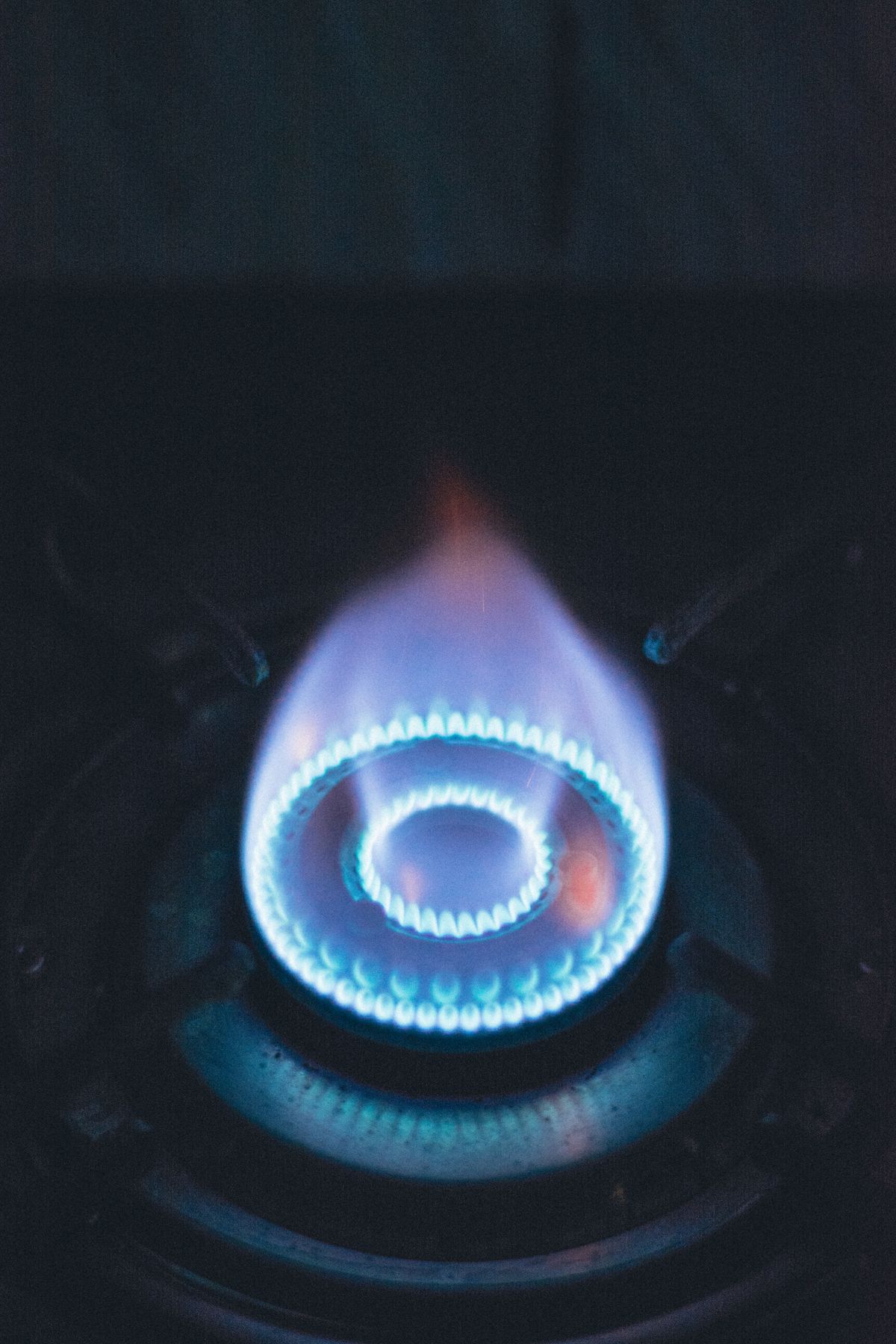
A healthy gas flame burns steady and blue. A flame that is yellow, orange, or flickering can mean incomplete combustion and a possible carbon monoxide problem, which is another reason to call a pro.
Why Gas Leaks Demand a Licensed Plumber
Gas is not like a water leak you can mop up and deal with later. A small spark near escaped gas can cause a fire or explosion, and a slow leak can poison the air inside your home over days. Gas fires and explosions kill about 40 people and injure around 140 in the United States every year, the NFPA reports. That is why California, like most states, requires licensed professionals and permits for gas line work.
A licensed plumber brings three things a homeowner cannot:
- Legal authority and permits. Gas work has to meet code and usually needs an inspection. A licensed plumber pulls the permit and makes sure the repair passes.
- The right tools. Electronic detectors, pressure gauges, and leak-tracing equipment find problems a nose will miss.
- Training on gas-specific risks. The correct pipe materials, thread sealants rated for gas, and joint techniques are different from water plumbing.
Doing this work without a license is not only dangerous, it can void your homeowner's insurance if something goes wrong. If a fire or explosion is later traced to an unpermitted repair, you could be left paying for the damage yourself.
Legacy Plumbing & Drain is a licensed plumbing company that handles gas line repair across the Greater Sacramento area, including Roseville, Elk Grove, Folsom, and Citrus Heights. Working with a local, licensed team means the person at your door knows regional code and can get the permit and inspection handled correctly.
How Professionals Locate and Repair Gas Lines
Finding a gas leak is detective work, and guessing is not good enough. A professional follows a careful process to pinpoint the source before touching a single pipe.
Step one: shut off and make the area safe
The plumber confirms the gas is off at the meter and ventilates the area. Nothing else happens until the space is safe to work in.
Step two: pinpoint the leak
This is where specialized tools come in:
- Combustible gas detectors (sniffers) sweep along pipes and fittings and sound an alarm when they sense gas.
- Electronic leak detectors measure gas concentration down to very small amounts, catching leaks a person cannot smell.
- Pressure testing isolates a section of pipe, pressurizes it with air, and watches the gauge. If pressure drops, there is a leak in that section. This narrows the search fast, especially for lines buried underground or hidden inside walls.
- Soap solution testing on accessible fittings shows bubbles at the exact leak point.
Step three: repair or replace
Depending on what the plumber finds, the fix might be:
- Tightening or resealing a loose joint with gas-rated sealant.
- Replacing a corroded section of black iron or galvanized pipe.
- Swapping out a failed appliance connector or shutoff valve.
- Repiping a longer run of gas line in an older home where corrosion is widespread.
Step four: test and restore
After the repair, the plumber runs a fresh pressure test to confirm the line holds, then coordinates with the utility to safely turn the gas back on and relight appliances. A final leak check at every fitting confirms the home is safe.

Common Causes of Gas Leaks in Sacramento Homes
Knowing why leaks happen helps you catch them early. In the Sacramento area, several patterns show up again and again.
- Aging pipes in older homes. Many homes in Midtown, Oak Park, and the older parts of Roseville were built with steel gas piping that corrodes over decades. Rust thins the pipe wall until gas seeps out.
- Loose or failing connectors. The flexible connectors behind stoves, dryers, and water heaters wear out and loosen, especially after an appliance is moved.
- Ground movement. Sacramento's expansive clay soils swell when wet in winter and shrink in dry summers. That shifting stresses buried gas lines and can crack joints.
- Poor past workmanship. Unpermitted DIY repairs or rushed installs leave joints that were never sealed correctly.
- Appliance age. An old furnace or water heater with worn parts can leak at the gas control valve or burner assembly. An aging gas water heater is a common culprit.
Seasonal timing matters too. Winter puts the heaviest load on gas furnaces and water heaters, so a small problem that went unnoticed in summer can turn into a leak right when you depend on heat the most.
The Dangers of DIY Gas Line Work
The internet is full of videos that make gas line repair look simple. It is not, and the risks are severe. Here is what can go wrong when a homeowner tries to handle gas work alone.
Fire and explosion. Gas needs only a small spark and a small concentration to ignite. A poorly sealed joint can leak slowly for days until a pilot light or spark sets it off.
Carbon monoxide poisoning. An improper repair or reconnection can send carbon monoxide into living spaces. Because it is colorless and odorless, families have been poisoned in their sleep. More than 14,000 people are hospitalized every year from carbon monoxide exposure, per CDC data.
Wrong materials. Using the wrong pipe, the wrong thread tape, or a fitting that is not rated for gas creates a leak that looks fine at first and fails later.
No permit, no inspection. Without a permit, no one checks the work. If you sell the home, an unpermitted gas repair can derail the sale or force expensive corrections.
Voided insurance. Most homeowner policies expect gas work to be done by licensed professionals. An unpermitted repair tied to a claim can mean a denial.
There is a reason gas work sits in a different category from a leaky faucet. For some home repairs, careful homeowners can weigh doing it themselves. For gas specifically, the answer is almost always to call a licensed plumber.
What Gas Leak Repair Typically Involves
Homeowners often ask what to expect when the plumber arrives, especially around cost and time. Every situation is different, but the general shape of a gas leak call looks like this.
- Diagnosis first. A reputable plumber locates the leak and explains what they found before quoting a price. You should never get a number before anyone knows where the problem is.
- An upfront quote. Honest pricing means you see the cost before work begins, with no surprise charges added later. Legacy Plumbing & Drain provides upfront quotes with no hidden fees.
- The fix. Simple joint repairs can often be done the same day. Larger repiping jobs take longer and may need a scheduled inspection.
- Verification. A pressure test and leak check confirm the repair before gas service is restored.
Cost depends mostly on how much pipe is involved and whether the line runs through finished walls, a crawlspace, or underground. A single loose connector is a small job. A corroded run that needs full replacement in an older home is a larger one. Getting the leak located accurately is what keeps the cost fair, because it prevents replacing pipe that is not actually the problem.
Gas Leaks at Specific Appliances
Not every gas leak hides inside a wall. Many start at the appliances you use every day, and each one has its own warning signs.
Water heaters. A gas water heater that will not stay lit, or one with a yellow burner flame, can signal a gas control valve problem or a venting issue. If your pilot keeps dying, that is both an annoyance and a possible safety flag worth a professional look rather than a repeated relight.
Furnaces. As winter heating ramps up, cracked heat exchangers and loose gas valves can release gas or carbon monoxide. A furnace that short-cycles, produces soot, or makes a clicking sound at startup deserves an inspection before the cold sets in.
Stoves and ranges. The flexible connector behind a range is a frequent leak point, especially after the stove has been pulled out for cleaning or moved during a remodel. If you smell gas only when you are near the stove, start there.
Dryers. Gas dryers use the same kind of flex connector as stoves, and the fitting can loosen over years of vibration. A faint gas smell in the laundry room is worth a call.
Fireplaces and log sets. Gas fireplaces that sit idle for months can develop leaks at the control valve or the gas log connection. Give yours a professional check before the first fire of the season.
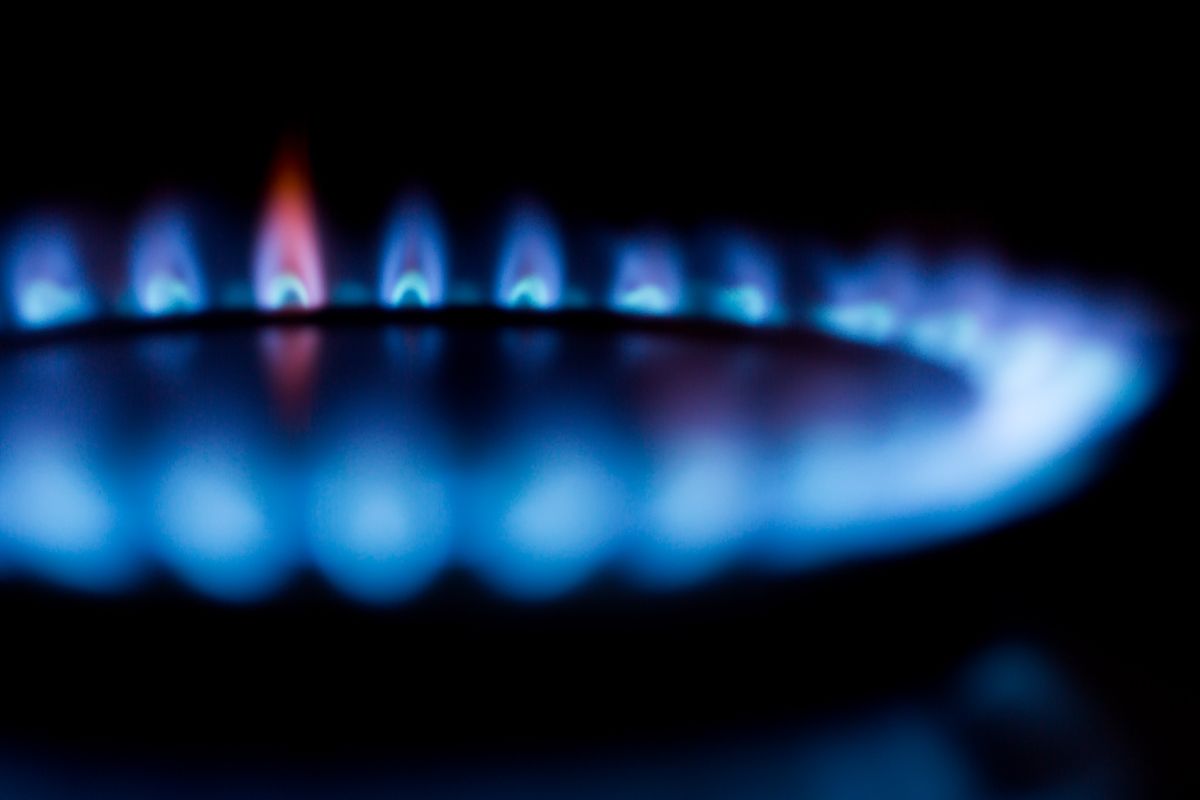
The common thread across all of these is that gas appliance repair should connect back to a licensed plumber, not a quick online fix. A worn part replaced incorrectly can turn a minor issue into a leak.
Commercial Gas Leaks Need the Same Urgency
Businesses and commercial buildings face gas leak risks too, often with higher stakes. A restaurant kitchen, a laundromat, or an apartment building has more gas appliances, larger piping, and more people who could be put at risk by a single leak.
Commercial gas leaks bring added complications:
- More tenants or customers to evacuate means a clear emergency plan matters even more.
- Larger pipe systems make leaks harder to isolate without professional pressure testing.
- Code and inspection requirements are stricter, and a failed inspection can shut a business down.
- Downtime costs money, so fast, correct repair is not optional.
Property managers across the Sacramento region rely on licensed commercial plumbing teams that can respond any hour, locate the leak, and get the space back in service safely. Legacy Plumbing & Drain serves both residential and commercial clients, which means the same 24/7 response and upfront pricing applies whether the leak is in a family kitchen or a storefront.
How Weather and Season Affect Gas Line Risk
Sacramento's climate puts a specific kind of stress on gas lines through the year, and understanding the pattern helps you stay ahead of trouble.
In the dry summer months, the region's clay-heavy soil shrinks and pulls back from buried pipes and foundations. When the winter rains arrive, that same soil swells again. This repeated swelling and shrinking flexes underground gas lines and can loosen joints or crack older pipe over time. Homes with mature landscaping and large trees can see added root pressure on buried lines as well.
Winter also drives the heaviest demand on gas furnaces and water heaters. An appliance that ran lightly all summer suddenly works hard in December and January, and a worn gas valve or connector that was holding by a thread can start to leak under that load. This is why a fall inspection, before the heating season, pays off. Catching a weak joint in October is far better than discovering it during a cold snap.
If a storm knocks out power and you rely on gas appliances, resist the urge to improvise. Never use an outdoor gas appliance like a grill or patio heater indoors for heat, and never run a gas-powered generator in an enclosed space. Both are leading causes of carbon monoxide poisoning during outages.
Prevent Gas Leaks Before They Start
You cannot control everything, but a few habits lower your risk a lot.
- Install carbon monoxide detectors on every level of your home and near sleeping areas. Test them twice a year and replace batteries when you change your clocks. California law requires CO alarms in homes with gas appliances, attached garages, or fireplaces.
- Schedule annual appliance checks. A yearly inspection of your furnace and water heater catches worn parts before they leak.
- Know where your shutoff is. Find the main gas valve at your meter and keep a wrench nearby so you can reach it in an emergency.
- Watch your flames. Burners should burn steady blue. Yellow or flickering flames mean it is time for service.
- Do not ignore small smells. A faint rotten egg odor that comes and goes still deserves a call.
A preventative maintenance program takes the guesswork out of this. Legacy Plumbing & Drain offers a maintenance plan that keeps your gas appliances and lines checked on a schedule, which is far cheaper than an emergency at 2 a.m. If you have ever needed help after hours, you already know the value of a 24-hour plumber in Sacramento who answers when things go wrong.
Reach a Sacramento Gas Leak Plumber Fast
When gas is leaking, the clock matters. Your family's safety and your home depend on getting a licensed professional out quickly. Here is how to act fast and smart.
First, get everyone outside and call 911 and your gas utility if the smell is strong or anyone feels sick. That step is non-negotiable. Once the immediate danger is handled, you need a licensed plumber to find and repair the leak so you can safely use your gas again.
Legacy Plumbing & Drain answers emergency calls 24 hours a day, 7 days a week, across the Greater Sacramento area, including Roseville, Elk Grove, Folsom, and Citrus Heights. With more than 15 years of experience, a licensed team, upfront quotes, and no hidden fees, the goal is simple: find the leak, fix it right, and get your home safe again as fast as possible.
If you smell gas, suspect a leak, or just want your gas lines inspected for peace of mind, call Legacy Plumbing & Drain for a quote today. Fast, honest help is a phone call away, any hour of the day or night.
Frequently asked questions
Do I call a plumber or the gas company for a gas leak?
Call 911 and your gas utility first if the smell is strong or you feel sick. The utility shuts off service and checks for safety. A licensed plumber then locates and repairs the actual leak in your home's gas lines and appliances.
How much does gas leak repair cost in Sacramento?
Cost depends on where the leak is and how much pipe needs replacing. A reputable plumber gives an upfront quote after locating the leak, so you know the price before any work starts.
Can I fix a gas line myself to save money?
No. Gas line work in California almost always requires a licensed plumber and a permit. A bad repair risks fire, explosion, and carbon monoxide poisoning, and voids most insurance and warranties.
How do plumbers find a gas leak I cannot smell?
They use electronic gas detectors, combustible gas sniffers, and pressure tests that isolate sections of pipe. These tools pinpoint small leaks behind walls or underground that a nose cannot detect.
How fast can someone come out for a gas leak in Sacramento?
A 24/7 emergency plumber like Legacy Plumbing & Drain can often respond the same day, day or night, across Sacramento, Roseville, Elk Grove, Folsom, and Citrus Heights.